
Balanced Creamy Pesto Chicken Pasta

Creamy pesto pasta is a generous Italian-American classic: pasta coated in a green sauce combining traditional pesto and heavy cream, often paired with grilled chicken for a complete meal. This recipe starts from a precise observation: pesto itself, with its olive oil, pine nuts, and parmesan, is already a naturally rich preparation by nature and tradition; it isn't therefore the priority to rethink, but rather the heavy cream added on top, which can alone double the dish's caloric load without adding equivalent nutritional value.
The principle guiding this recipe is to distinguish what belongs to pesto's inseparable identity from what constitutes an optional, heavy addition. Olive oil in pesto isn't just a seasoning: it serves as a technical binder that lets the basil, garlic, pine nuts, and parmesan form a stable, creamy emulsion. Excessively cutting this oil would directly compromise the pesto's texture and shelf life; this recipe therefore keeps an olive oil amount close to tradition within the pesto itself, as that's its irreplaceable technical function.
It's the heavy cream traditionally added on top of the pesto to create the final sauce that represents the main opportunity for intelligent lightening. This recipe replaces it with a whole milk base lightly thickened with a touch of light cream cheese, delicately incorporated at the end of cooking to avoid any risk of separation. This approach keeps the sought-after creaminess and the sauce's signature green color, while sharply cutting saturated fat compared to a sauce built on pure heavy cream.
Whole-wheat pasta replaces the traditional white pasta, adding fiber without significantly changing the dish's texture once coated in sauce. Grilled chicken, simply cooked with minimal fat, rounds out this meal into a generous protein that makes it a satisfying single dish.
Success with this recipe depends mainly on the technique for incorporating the cream cheese into the hot sauce, which must be done off high heat to avoid it separating, and on cooking the chicken, which must stay juicy while developing good color.
One serving is a generous plate of pasta with its chicken and sauce. It's a hearty, satisfying, protein-rich meal needing no additional side to feel complete.
Recipe Information
| Prep Time | 20 minutes |
| Cook Time | 20 minutes |
| Resting | None |
| Total Time | About 40 minutes |
| Servings | 4 servings |
| Difficulty | Easy |
| Calories | About 560 kcal each* |
Quick Highlights
- ✅ A smart choice that targets the optional addition rather than the identifying element
- ✅ A sauce rebuilt with less saturated fat
- ✅ Whole-wheat pasta that adds fiber without changing the experience
- ✅ Chicken that turns the dish into a complete meal
Ingredients

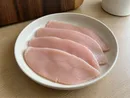

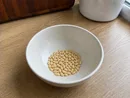
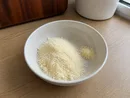
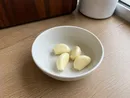

Step-by-Step Instructions
Prepare the pesto
In a food processor, blend the basil, pine nuts, parmesan, and garlic with the olive oil until you get a smooth, even paste, scraping down the sides if needed.
Pulse rather than blend continuously, stopping while some texture from the pine nuts and basil remains.

Cook the whole-wheat pasta
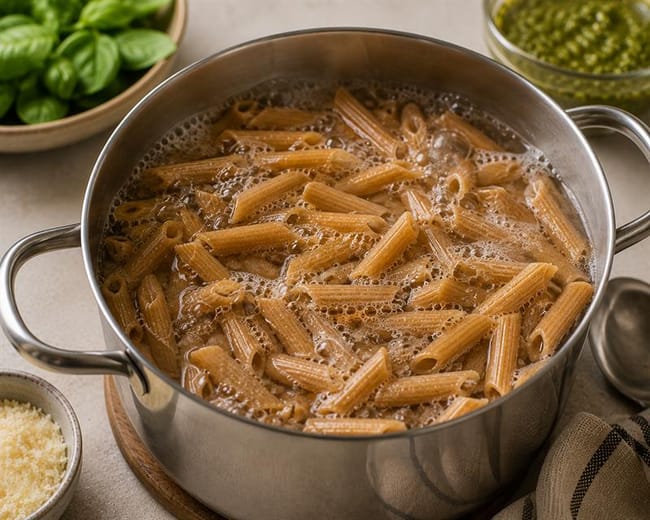
Cook the whole-wheat pasta in a large pot of salted water according to package instructions, until al dente. Reserve a bit of cooking water before draining.
Cook until al dente, reserving a cup of the starchy cooking water before draining.
Season and cook the chicken
Season the chicken cutlets with salt and pepper. Heat a lightly oiled pan over medium-high heat and cook the chicken for 5 to 6 minutes per side, until golden and cooked through.
Cook until golden on the outside and just cooked through, then remove from the pan.

Let rest and slice the chicken
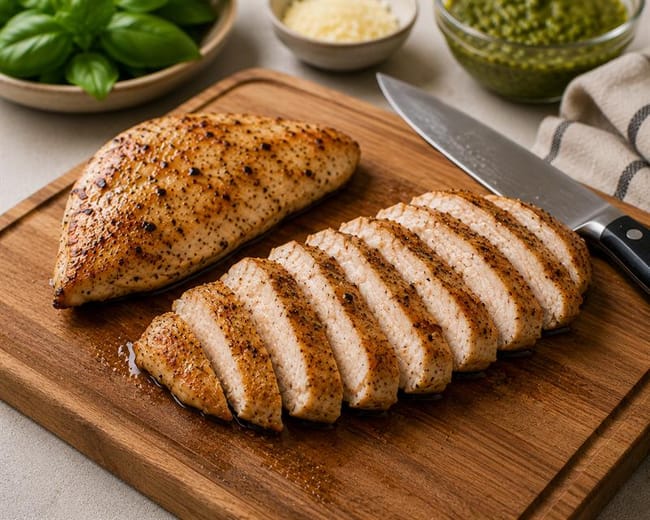
Remove the chicken from the pan, let it rest for 3 minutes, then slice it into even strips.
Resting for a few minutes before slicing keeps the chicken juicy instead of letting the juices run out.
Prepare the creamy base
In the same pan used for the chicken, over low heat, pour in the milk and let it warm without boiling. Off heat, incorporate the light cream cheese, whisking until smooth.
Warm gently over low heat, stirring until smooth, without letting it come to a boil.
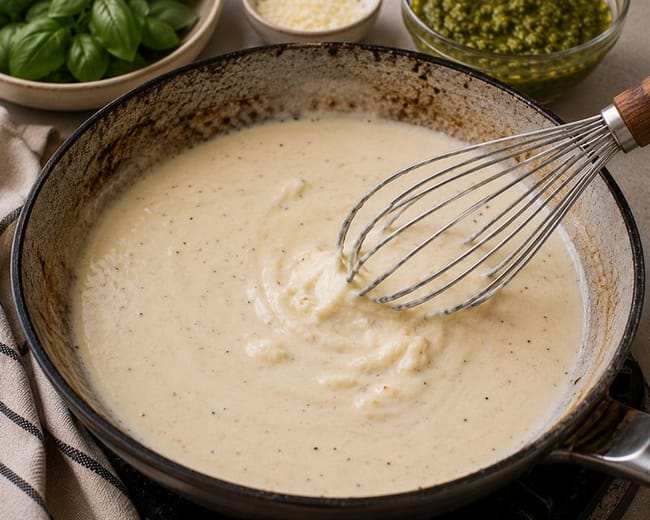
Combine the pesto and creamy base
Incorporate the pesto into the creamy base, mixing until you get an even, creamy green sauce.
Stir the pesto into the creamy base off the heat to keep the sauce from separating.

Coat the pasta in sauce
Add the drained pasta to the sauce, gently mixing to coat each piece well; add a bit of the reserved cooking water if the sauce is too thick.
Toss the pasta in the sauce over low heat, adding reserved pasta water gradually until it coats evenly.

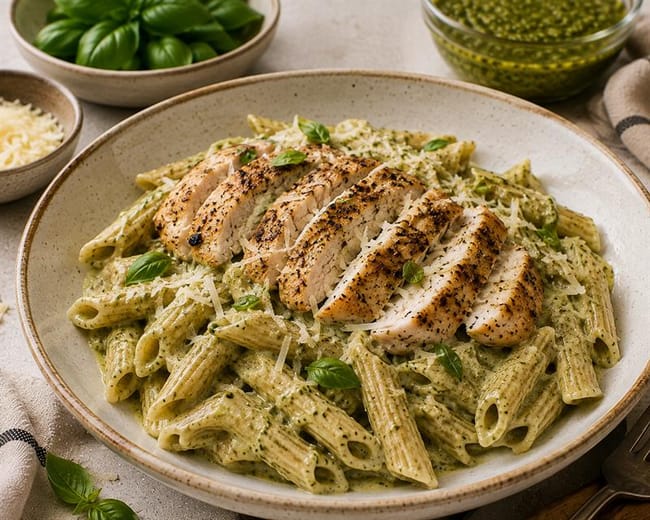
Serve with the chicken
Divide the pasta among plates, arrange the chicken strips on top, and finish with a bit of extra parmesan.
Top with the sliced chicken and serve immediately while the sauce is still warm and glossy.
Chef's Tips
Common Mistakes
Why This Recipe Was Designed This Way
This recipe illustrates a clear principle of intelligent ingredient choice: the pesto's olive oil, an inseparable technical function, stays unchanged, while the heavy cream traditionally added on top, an optional and heavy element, is intelligently rethought.
A sauce rebuilt with less saturated fat
Replacing heavy cream with a milk and light cream cheese base noticeably cuts the dish's total saturated fat while keeping the sought-after signature creaminess.
Whole-wheat pasta that adds fiber without changing the experience
Switching to whole-wheat pasta adds fiber to a dish traditionally built on white pasta, without significantly changing the texture once coated in sauce.
Chicken that turns the dish into a complete meal
Adding grilled chicken provides generous, lean protein, turning a side pasta dish into a nutritionally balanced main course.
Ingredient Swaps
Need to adapt the recipe? These substitutions maintain the character of the dish.
| Instead of... | Try... |
|---|---|
| Whole-wheat pasta | Chickpea or lentil pasta for extra protein and fiber |
| Light cream cheese | Additional Greek yogurt, stirred in off the heat to avoid splitting |
| Pine nuts | Toasted walnuts or sunflower seeds, which are more budget-friendly |
| Grated parmesan | A dairy-free hard cheese alternative, or nutritional yeast for a similar savory note |
What Research Says
Basil-based pesto delivers unsaturated fats from olive oil and pine nuts, and finishing the sauce with a modest amount of light cream cheese rather than a full heavy-cream base keeps that creamy texture while meaningfully reducing the saturated fat per serving.
Estimated Nutrition
Per serving
Values estimate one of four complete servings, with its pasta, chicken, and sauce. The exact amount of sauce used and the whole-wheat pasta brand slightly change the result.
Storage & Reheating
Store the pasta and chicken in an airtight container in the refrigerator for up to three days; the sauce may slightly thicken as it cools, which is normal.
Reheating
Gently reheat in a pan over low heat with a splash of water or milk to restore the original creamy texture; the microwave also works in short bursts, stirring between each.
Freezing
Pasta already coated in sauce freezes moderately well, with the texture potentially becoming slightly grainy on thawing due to the cream cheese; chicken cooked alone, however, freezes very well for up to two months.
Meal Prep Tips
The pesto can be made up to three days ahead and kept refrigerated in an airtight container with a thin layer of oil on top to prevent oxidation. The chicken can be cooked ahead and quickly reheated at serving time.
Serving Suggestions
Serve immediately while hot, finished with a little extra grated parmesan and a few whole basil leaves on top for color and a fresh aromatic lift.
Frequently Asked Questions
Does traditional pesto contain cream?
No, traditional Genoese pesto never contains cream; it's often an addition made outside Italy to create a creamier, more generous sauce. This recipe keeps traditional pesto intact but builds its creamy version on a lightened base rather than pure heavy cream.
Can I reduce the pesto's olive oil even further?
A further reduction directly compromises the pesto's emulsified texture and shelf life; the stated amount already represents the minimum needed for its technical function.
Can I use store-bought pesto instead of homemade?
Yes, but check the label, as many commercial pestos contain more oil or additives compared to a homemade version; adjust the salt amount in the recipe accordingly.
Why is my sauce grainy?
The cream cheese was likely incorporated at too high a temperature, causing it to curdle; always incorporate it off high heat or over very low heat.
Can I make a gluten-free version?
Use certified gluten-free whole-wheat pasta; the rest of the recipe is naturally suited with no modification needed.
Can I make a dairy-free version?
Replace the milk with an unsweetened plant milk, the cream cheese with a thick plant-based alternative, and the parmesan with a plant-based alternative or nutritional yeast; the result will differ slightly but stays satisfying.
Can I substitute another nut for the pine nuts?
Yes, lightly toasted cashews or almonds work well as an alternative, with a slightly different flavor profile.
Is this recipe appropriate for kids?
The dish generally works very well, watching the wheat, milk, gluten, and tree nut allergens present in the recipe.
Can I prepare this dish for a packed lunch?
Yes, carry the reheated chicken and pasta in an airtight container; the sauce may need an extra splash of milk on reheating to restore its texture.
Does this recipe guarantee weight loss?
No. It remains a complete meal containing carbohydrates and a measured amount of fat; results depend on overall diet, activity, and individual factors. Anyone pursuing a specific health goal should seek personalized professional guidance.
Related Recipes
If you enjoyed this Balanced Creamy Pesto Chicken Pasta, you may also like these recipes from our 🥪 Lunch collection.
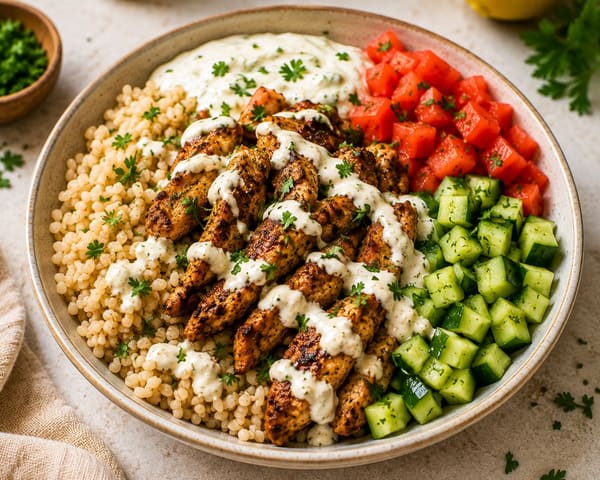
🥙 Balanced Chicken Shawarma Bowl
Shawarma is an iconic Middle Eastern street-food classic: thin slices of marinated, spiced meat, traditionally cooked on a vertical spit,…
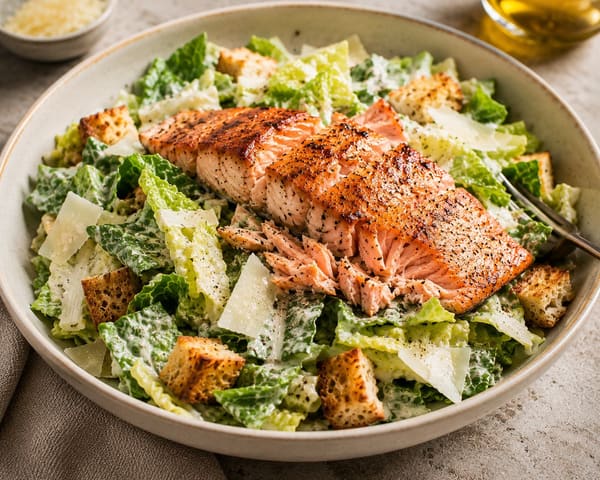
🥗 Balanced Grilled Salmon Caesar Salad
Caesar salad is an unshakeable classic that becomes a full meal when protein is added; its traditional dressing, built on a raw egg yolk, a…
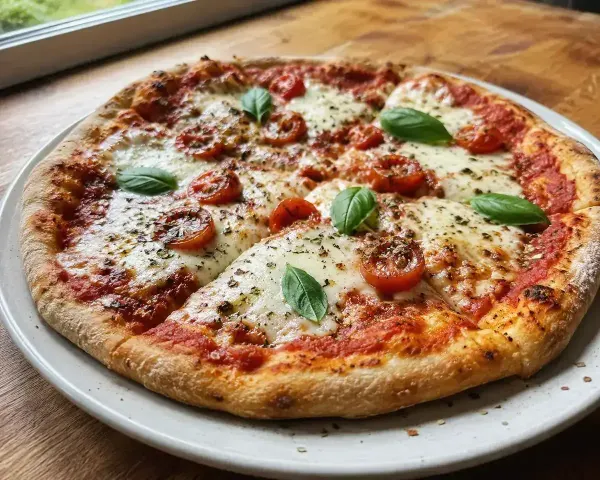
🍕 Margherita Pizza
A lighter take on the Neapolitan classic with a whole-wheat crust and fresh mozzarella.