
Balanced Margherita Pizza

Pizza is often seen as an indulgence—something reserved for weekends, celebrations, or takeout nights.
Traditional versions can be high in saturated fat, sodium, and refined carbohydrates, leading many people
to believe that pizza has no place in a balanced eating pattern.
This recipe challenges that idea without taking away what makes a Margherita pizza so special. Rather than
piling on extra toppings, it celebrates the simplicity that made the original famous: a crisp artisan crust,
vibrant tomato sauce, creamy mozzarella, fragrant basil, and excellent olive oil.
The difference lies in thoughtful ingredient choices. A dough made with a blend of whole wheat and bread
flour provides a satisfying texture while increasing the fiber content compared with an all-refined crust.
The sauce relies on naturally sweet San Marzano tomatoes, while part-skim mozzarella delivers the familiar
melt and stretch using less saturated fat than traditional whole-milk mozzarella. A finishing drizzle of
extra virgin olive oil and a generous handful of fresh basil complete the pizza with classic Italian flavor.
The result is a homemade pizza that still feels authentic—crispy around the edges, tender in the center,
rich with tomato flavor, and beautifully balanced. It's proof that familiar comfort foods can be prepared
with wholesome ingredients while preserving the experience that made them favorites in the first place.
Whether you're hosting a casual pizza night, preparing a family dinner, or simply craving homemade comfort
food, this recipe delivers restaurant-inspired flavor with ingredients commonly found in balanced dietary
patterns.
Recipe Information
| Prep Time | 25 minutes (plus 1 hour rising time) |
| Cook Time | 12–15 minutes |
| Total Time | About 1 hour 40 minutes |
| Servings | 4 (1 pizza, 8 slices) |
| Difficulty | Moderate |
| Calories | ~355 kcal per serving (2 slices) |
Quick Highlights
- ✅ Crispy artisan-style crust
- ✅ Blend of whole wheat and bread flour
- ✅ Homemade San Marzano tomato sauce
- ✅ Part-skim mozzarella
- ✅ Fresh basil
- ✅ Extra virgin olive oil
- ✅ Restaurant-quality flavor
Ingredients
Makes one 12-inch (30 cm) pizza.









Step-by-Step Instructions
Prepare the Dough
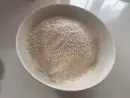
In a large mixing bowl, combine 180 g (1½ cups) whole wheat flour, 120 g (1 cup) bread flour, 1 tsp instant yeast, and 1½ tsp sea salt. Whisk the dry ingredients until evenly distributed.
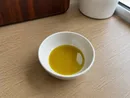
Pour in 210 ml warm water (about 100–105°F / 38–40°C) and 1 tablespoon extra virgin olive oil. Mix until a shaggy dough forms.
Transfer the dough to a lightly floured work surface and knead for 8–10 minutes, until smooth, elastic, and slightly tacky. If the dough feels too sticky, add a small amount of bread flour, one tablespoon at a time.

Let the Dough Rise
Lightly coat a clean bowl with a few drops of olive oil. Place the dough inside and turn it once to lightly coat the surface. Cover with a clean kitchen towel or plastic wrap.
Allow the dough to rise in a warm, draft-free place for 60–75 minutes, or until approximately doubled in size.
Prepare the Tomato Sauce
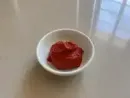
While the dough rises, prepare the sauce. In a small bowl, combine 200 g crushed San Marzano tomatoes, 1 tbsp tomato paste, 2 cloves minced garlic, 1 tbsp extra virgin olive oil, ½ tsp dried oregano, and a pinch of black pepper. Stir until smooth.
No cooking is required — the high oven temperature will cook the sauce directly on the pizza.
Shape the Pizza
Preheat the oven to its highest temperature: 475–500°F (245–260°C). If available, place a pizza stone or steel inside the oven while it preheats for at least 30 minutes.
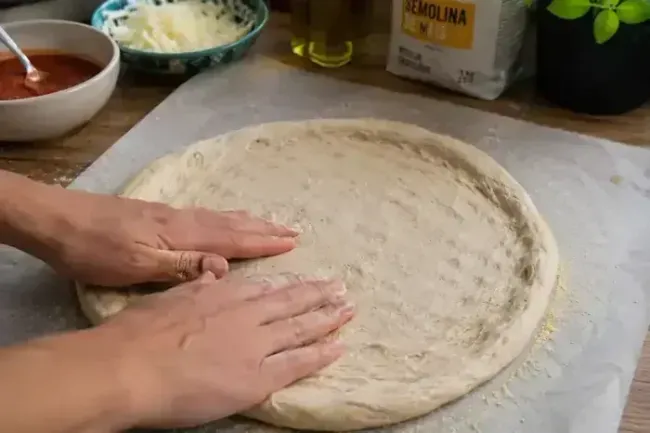
Dust parchment paper lightly with 1 tbsp cornmeal or semolina. Transfer the risen dough onto the prepared surface. Using your fingertips, gently press the dough outward from the center, stretching it into a 12-inch (30 cm) circle while leaving a slightly thicker outer edge for the crust. Avoid using a rolling pin whenever possible, as it removes many of the air bubbles that create a light crust.
Add the Toppings
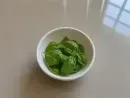
Spread a thin, even layer of tomato sauce across the dough, leaving about 1 inch (2.5 cm) around the edges. Top with the torn part-skim mozzarella (170 g), half of the fresh basil leaves, and the optional cherry tomatoes.
Avoid overloading the pizza — a traditional Margherita relies on simplicity, allowing each ingredient to shine.
Bake the Pizza
Carefully transfer the pizza (with the parchment paper) onto the hot pizza stone or baking steel. Bake for 12–15 minutes, or until the crust is golden brown, the cheese is melted and bubbling, small caramelized spots appear on the mozzarella, and the edges are crisp and lightly blistered.
Rotate the pizza halfway through baking if needed for even browning.
Finish with Fresh Ingredients
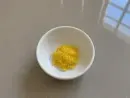
Remove the pizza from the oven. Immediately garnish with the remaining fresh basil, 2 tbsp freshly grated Parmesan, a light drizzle of extra virgin olive oil, freshly ground black pepper, and the optional lemon zest and flaky sea salt.
Allow the pizza to rest for 2–3 minutes before slicing.
Slice and Serve
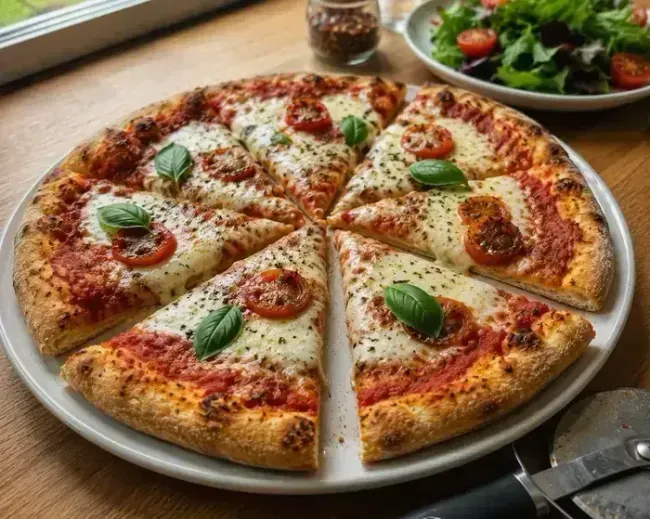
Slice the pizza into 8 even slices. Serve immediately while the cheese is warm and the crust remains crisp. For a complete meal, pair it with a mixed green salad, roasted vegetables, or fresh fruit for dessert.
Chef's Tips
Common Mistakes
Why This Recipe Was Designed This Way
Margherita pizza is one of the most iconic dishes in Italian cuisine. Its appeal has never depended on dozens
of toppings or rich sauces—instead, it showcases the quality of a few simple ingredients: flavorful tomatoes,
creamy mozzarella, fragrant basil, and excellent olive oil. This recipe preserves that philosophy.
Rather than reinventing the pizza, it focuses on thoughtful ingredient choices that maintain its authentic
character while reflecting ingredients commonly included in balanced dietary patterns. The result is a pizza
that remains crisp, aromatic, satisfying, and unmistakably Margherita.
The goal wasn't to create a "pizza." The goal was to create a pizza that proudly belongs on a family
dinner table while emphasizing whole foods, fresh herbs, leaner dairy choices, and a more balanced crust.
Here's why each ingredient was selected.
🌾 Whole Wheat Flour + Bread Flour
Instead of using only refined flour, the dough combines whole wheat flour with bread flour. Whole wheat flour contributes dietary fiber, minerals, and a subtle nutty flavor. Bread flour helps create the light, airy texture and pleasant chew traditionally associated with artisan pizza. Using both flours allows the pizza to remain authentic while improving the nutritional profile compared with an entirely refined crust.
🍅 San Marzano Tomatoes
The sauce is intentionally simple. San Marzano tomatoes are naturally sweet with balanced acidity, allowing the tomato flavor to shine without large amounts of sugar or additional ingredients. Because the sauce is not cooked beforehand, the tomatoes retain their fresh character and develop beautifully during baking.
🧀 Part-Skim Mozzarella
Mozzarella is essential to a true Margherita pizza. This recipe uses part-skim mozzarella because it delivers the familiar stretch, browning, and creamy texture while containing less saturated fat than traditional whole-milk mozzarella. The key is using enough cheese to create richness without overwhelming the pizza.
🌿 Fresh Basil
Fresh basil is one of the defining ingredients of a Margherita pizza. Adding some basil before baking allows its flavor to infuse the pizza, while finishing with additional fresh leaves preserves its vibrant aroma and bright appearance. This two-step approach creates a more complex basil flavor throughout the pizza.
🫒 Extra Virgin Olive Oil
Only a small amount of extra virgin olive oil is used in both the dough and as a finishing drizzle. Its fruity aroma enhances every ingredient without making the pizza feel heavy. Extra virgin olive oil is also a defining feature of traditional Mediterranean cooking.
🧄 Garlic
Fresh garlic is incorporated into the tomato sauce to deepen its savory flavor naturally. Rather than relying on excessive salt or processed flavorings, garlic provides complexity with just a few simple cloves.
🌱 Herbs Instead of Rich Toppings
Many modern pizzas rely on processed meats, extra cheese, or creamy sauces. Margherita pizza celebrates simplicity. This recipe allows tomatoes, basil, garlic, oregano, and olive oil to create most of the flavor, proving that a pizza doesn't need excessive toppings to feel satisfying.
🍒 Cherry Tomatoes (Optional)
Fresh cherry tomatoes are optional but add bursts of sweetness, moisture, and vibrant color after baking. They complement the cooked tomato sauce while reinforcing the fresh character of the pizza. Because they are optional, the recipe remains faithful to the traditional Margherita while giving home cooks a simple way to add another layer of freshness.
Ingredient Swaps
Need to customize the recipe? These substitutions preserve the spirit of the original while accommodating different preferences.
| Instead of... | Try... |
|---|---|
| Whole wheat flour | White whole wheat flour |
| Bread flour | High-protein all-purpose flour |
| Part-skim mozzarella | Fresh mozzarella (well-drained) |
| Parmesan | Pecorino Romano (use a smaller amount) |
| San Marzano tomatoes | High-quality canned plum tomatoes |
| Fresh basil | Baby basil leaves |
| Cherry tomatoes | Thinly sliced Roma tomatoes |
| Dried oregano | Italian herb blend |
| Cornmeal | Fine semolina flour |
What Research Says
The ingredients used in this recipe are commonly included in balanced dietary patterns that emphasize
vegetables, whole grains, legumes, fruits, and unsaturated fats. The information below summarizes current
nutrition research related to these ingredients. It is provided for educational purposes only and should
not be interpreted as medical advice or as evidence that this recipe treats or prevents any disease.
🫒 Extra Virgin Olive Oil
Extra virgin olive oil is a cornerstone of Mediterranean-style eating patterns. It is naturally rich in monounsaturated fats and contains plant compounds known as polyphenols, and is frequently included in Mediterranean-style dietary patterns associated with cardiovascular health.
Reference: Estruch R, et al. Primary Prevention of Cardiovascular Disease with a Mediterranean Diet. New England Journal of Medicine.🌾 Whole Grain Flour
Whole wheat flour retains the bran and germ, providing more dietary fiber and naturally occurring nutrients than refined flour. Many dietary guidelines encourage choosing whole grain foods more often as part of an overall balanced eating pattern.
Reference: Dietary Guidelines for Americans (current edition).🍅 Tomatoes
Tomatoes provide vitamin C, potassium, and the naturally occurring carotenoid lycopene. Cooking tomatoes can increase the availability of lycopene, making cooked tomato-based dishes an important dietary source of this compound.
Reference: Cheng HM, et al. Effects of tomato and lycopene supplementation on cardiovascular risk factors: A systematic review and meta-analysis. Atherosclerosis, 2017.🌿 Fresh Basil and Herbs
Fresh herbs contribute aroma and flavor while allowing recipes to rely less on added salt or rich sauces. Using herbs generously is widely encouraged in home cooking because they increase flavor complexity without substantially affecting calories.
Reference: U.S. Department of Agriculture FoodData Central.🧀 Part-Skim Mozzarella
Part-skim mozzarella offers the characteristic melt and stretch expected from pizza while containing less saturated fat than many full-fat cheese varieties. Using moderate portions allows cheese to contribute flavor without dominating the overall dish.
Reference: U.S. Department of Agriculture FoodData Central.🧄 Garlic
Garlic contributes its distinctive aroma through naturally occurring sulfur-containing compounds such as allicin. Its bold flavor allows sauces to be seasoned with simple ingredients rather than relying on richer additions.
Reference: National Institutes of Health – Office of Dietary Supplements.Estimated Nutrition
Per serving (2 slices)
*Estimated using standard ingredient values and moderate seasoning. Nutritional information is an estimate based on standard food composition databases. Actual values may vary depending on ingredient brands, dough thickness, cheese quantity, and preparation methods. For the most accurate nutritional information, calculate values using the exact ingredients and portions used.
Storage & Reheating
Homemade Margherita pizza is at its very best straight from the oven, when the crust is crisp, the cheese is perfectly melted, and the basil is fragrant. That said, leftovers store surprisingly well and can be enjoyed over the next few days with the right reheating method. For the best texture, allow the pizza to cool completely before storing.
Refrigerating
Place cooled pizza slices in an airtight container or wrap them tightly with reusable food wrap or aluminum foil. Store in the refrigerator for up to 4 days. To help preserve the crust, place a sheet of parchment paper between stacked slices.
Freezing
This pizza freezes well after baking. Allow it to cool completely, wrap each slice individually, and place the wrapped slices in a freezer-safe container or freezer bag. Freeze for up to 2 months. Thaw overnight in the refrigerator before reheating for the best texture.
Reheating
Oven (recommended): Preheat to 375°F (190°C), place the pizza directly on the oven rack or a preheated baking sheet, and bake for 6–8 minutes until the crust is crisp and the cheese is hot. This method provides the closest texture to freshly baked pizza.
Skillet: Heat a non-stick skillet over medium-low heat, place the slice in the skillet, cover loosely with a lid, and cook for 4–5 minutes until the crust becomes crisp and the cheese is warmed through.
Air fryer: Arrange slices in a single layer and heat at 350°F (175°C) for 3–4 minutes, checking frequently to prevent over-browning.
Microwave: While convenient, the microwave produces a softer crust. Heat individual slices for 30–45 seconds. For improved texture, place a microwave-safe cup of water beside the pizza to reduce excessive drying.
:
Meal Prep Tips
Pizza dough is ideal for preparing ahead of time. Prepare the dough one day ahead and refrigerate it after the first rise; chop the garlic and prepare the tomato sauce in advance; grate or tear the mozzarella before cooking; wash and dry the basil ahead of time, storing it in a sealed container lined with paper towels; and preheat the pizza stone thoroughly before assembling the pizza. You can also divide the dough into individual portions for personal-sized pizzas that bake even faster.
Serving Suggestions
This Margherita pizza pairs beautifully with fresh, vegetable-forward side dishes that complement its simple Italian flavors.
Italian mixed green salad: A combination of arugula, baby spinach, romaine, cucumbers, tomatoes, and a light olive oil vinaigrette creates a refreshing contrast to the warm pizza.
Roasted vegetables: Roasted zucchini, eggplant, bell peppers, and onions complement the Mediterranean flavors of the pizza.
Tomato and cucumber salad: Fresh tomatoes, cucumbers, basil, and a squeeze of lemon create a light, colorful side.
Minestrone soup: A vegetable-rich minestrone makes this pizza part of a satisfying Italian-inspired meal.
Fresh fruit: Serve sliced peaches, berries, grapes, or melon for a naturally sweet and refreshing dessert.
Frequently Asked Questions
Can I prepare the dough the day before?
Yes. In fact, an overnight rise in the refrigerator often develops even better flavor. Bring the dough to room temperature for about 30–45 minutes before shaping.
Why combine whole wheat flour with bread flour?
Whole wheat flour adds fiber and a mild nutty flavor, while bread flour provides elasticity and helps create the airy, chewy texture associated with artisan pizza.
Can I use fresh mozzarella?
Absolutely. Pat it dry thoroughly before adding it to the pizza to reduce excess moisture and help the crust remain crisp.
Can I make the dough without a stand mixer?
Yes. This recipe is designed to be kneaded by hand, although a stand mixer with a dough hook can also be used.
Why isn't the tomato sauce cooked first?
The high baking temperature cooks the sauce directly on the pizza while preserving the fresh, vibrant flavor of the tomatoes.
Can I add vegetables?
Certainly. Thinly sliced mushrooms, spinach, roasted peppers, zucchini, or artichokes all pair well with the classic Margherita flavors. Avoid adding too many toppings to keep the crust crisp.
Can children help prepare this recipe?
Yes. Children can help mix the dough, spread the sauce, tear the mozzarella, and arrange the basil under adult supervision.
Can I make individual pizzas?
Yes. Divide the dough into two or four portions and reduce the baking time slightly depending on the size of each pizza.
What's the best surface for baking pizza?
A preheated pizza stone or baking steel provides the crispiest crust, but an inverted preheated baking sheet also works well.
How do I keep the crust crispy?
Use a very hot oven, avoid excessive sauce or toppings, and allow the pizza to cool for 2–3 minutes before slicing.
Related Recipes
If you enjoyed this classic Italian favorite, you may also like these recipes from our Balanced Recipes collection.

🍔 Balanced Cheeseburger
A juicy lean turkey burger on a whole wheat bun with crisp vegetables, creamy avocado, reduced-fat cheddar, and a fresh Greek yogurt herb sauce.
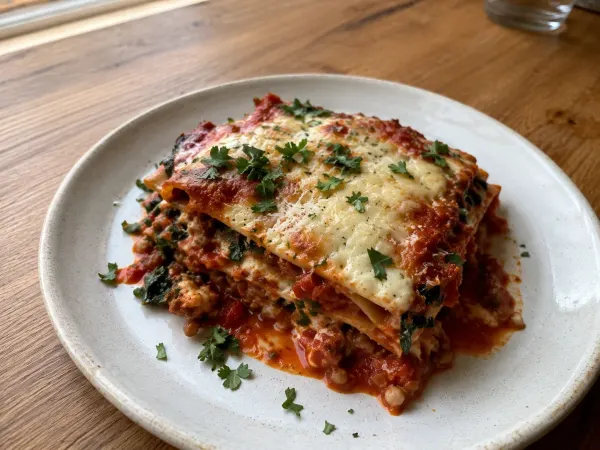
🍝 Balanced Lasagna
Whole wheat lasagna layered with lean turkey, lentils, spinach, rich tomato sauce, and lighter cheeses for a comforting family meal.
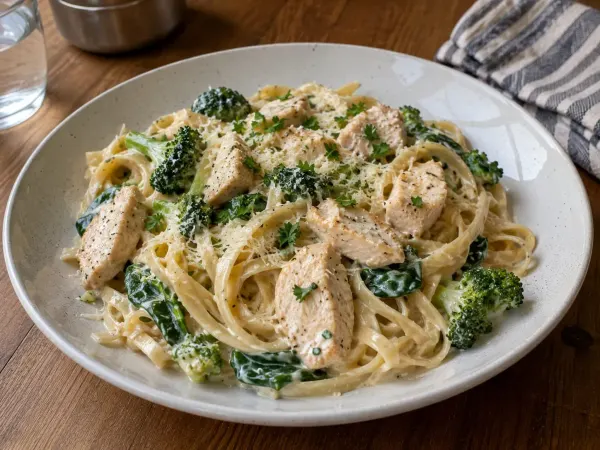
🍝 Balanced Chicken Alfredo
Whole wheat fettuccine tossed in a creamy Greek yogurt Alfredo sauce with grilled chicken, broccoli, spinach, and freshly grated Parmesan.