
Crispy Potato Wedges

Few snacks are as universally loved as crispy potato wedges. Their perfectly seasoned golden crust, fluffy interior, and satisfying crunch make them a favorite alongside burgers, grilled dishes, or simply served with a flavorful dipping sauce.
Traditional potato wedges are often deep-fried, absorbing large amounts of oil during cooking. This oven-baked version delivers the same crisp exterior and tender center by using high heat, a light coating of olive oil, and a carefully balanced blend of herbs and spices.
A touch of Parmesan adds savory richness, while smoked paprika, garlic, and rosemary create deep, comforting flavors. Served with a creamy Greek yogurt herb dip, these wedges offer the familiar comfort of classic potato wedges while using ingredients commonly found in balanced dietary patterns.
Whether prepared for family dinners, casual gatherings, game nights, or weekend lunches, these Crispy Potato Wedges are a delicious crowd-pleaser that pairs beautifully with countless meals.
Recipe Information
| Prep Time | 15 minutes |
| Cook Time | 35 minutes |
| Total Time | 50 minutes |
| Servings | 6 |
| Difficulty | Easy |
| Calories | ~245 kcal per serving |
Quick Highlights
- ✅ Crispy oven-baked texture
- ✅ Fluffy potato interior
- ✅ No deep frying
- ✅ Made with olive oil
- ✅ Naturally rich in potassium
- ✅ Great for meal prep
- ✅ Perfect with Greek yogurt herb dip
Ingredients
Makes 6 servings













Step-by-Step Instructions
Prepare the Potatoes
Preheat the oven to 425°F (220°C).
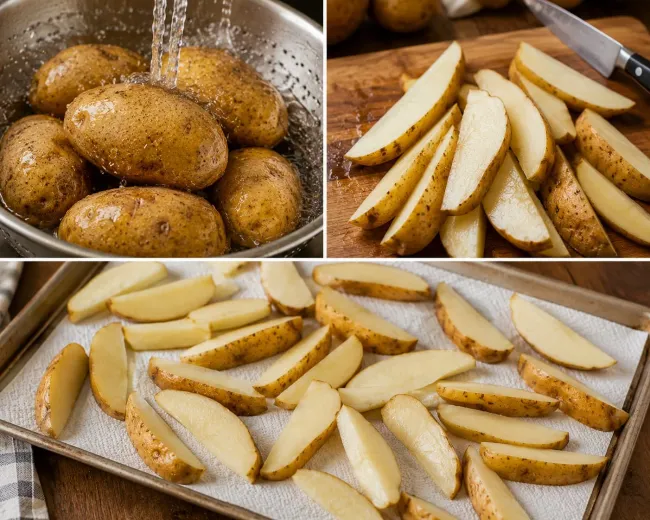
Wash and scrub the potatoes thoroughly.
Leave the skins on for added texture and nutrients.
Cut each potato lengthwise in half, then cut each half into 4–6 evenly sized wedges.
Try to keep the wedges as uniform as possible so they roast evenly.
Pat the wedges completely dry using paper towels or a clean kitchen towel.
Removing excess moisture is one of the keys to achieving a crisp exterior.
Season the Wedges
Place the potato wedges into a large mixing bowl.
Add:
2 tablespoons extra virgin olive oil
1 tablespoon cornstarch
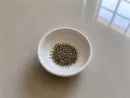
Smoked paprika
Garlic powder
Onion powder
Dried rosemary
Dried thyme
Fine sea salt
Black pepper
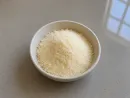
Grated Parmesan
Toss thoroughly until every wedge is evenly coated.
The cornstarch forms a light outer layer that becomes wonderfully crispy during roasting.

Arrange for Roasting
Line a large baking tray with parchment paper.
Arrange the wedges in a single layer.
Leave a little space between each wedge.
Avoid stacking or overlapping.
Proper spacing allows hot air to circulate freely, producing evenly browned, crispy potatoes.

Roast Until Golden
Bake for 20 minutes.
Carefully remove the tray.
Turn each wedge using tongs or a spatula.
Return to the oven for another 12–15 minutes, or until deeply golden and crispy.
The potatoes should be crisp outside while remaining fluffy and tender inside.

Prepare the Greek Yogurt Herb Dip
While the potatoes roast, prepare the dipping sauce.
Combine in a bowl:
Plain Greek yogurt
Dijon mustard
Lemon juice
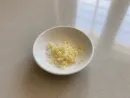
Grated garlic
Fresh parsley
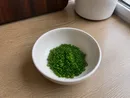
Fresh chives
A pinch of salt
Black pepper
Whisk until smooth.
Refrigerate until serving.
The cool, creamy herb dip perfectly balances the warm roasted wedges.

Finish the Wedges
Once the wedges are fully roasted, remove them from the oven.
Immediately sprinkle with:
Additional grated Parmesan
Fresh chopped parsley
Fresh rosemary (optional)
The residual heat slightly melts the Parmesan while preserving the freshness of the herbs.

Plate the Potato Wedges
Arrange the wedges on a serving platter or wooden board.
Place the chilled herb dip in the center.
Garnish with:
Fresh parsley
Rosemary sprigs
Extra Parmesan
Freshly cracked black pepper
Lemon wedges
The combination creates an inviting presentation perfect for sharing.

Serve Immediately
Serve the potato wedges while they're hot and freshly roasted.
Each bite delivers:
A crispy golden exterior
A fluffy potato center
Savory Parmesan
Fragrant herbs
Smoky paprika
Cool, creamy yogurt herb dip
Whether served as a snack, appetizer, or side dish, these Crispy Potato Wedges offer comforting flavors with a perfectly balanced texture that everyone will enjoy.

Chef's Tips
Common Mistakes
Why This Recipe Was Designed This Way
Potato wedges are one of the world's favorite comfort foods because they combine a crispy exterior with a fluffy, tender center.
Traditional versions are usually deep-fried, which creates excellent texture but also significantly increases the amount of oil absorbed during cooking.
This recipe achieves a similarly satisfying result by combining high-temperature roasting, a light coating of olive oil, and a small amount of cornstarch to create a naturally crisp crust.
Each ingredient contributes to flavor, texture, or nutritional balance.
🥔 Russet Potatoes
Russet potatoes are naturally high in starch, making them the ideal variety for crispy wedges. During roasting they develop: Crispy golden edges Soft fluffy centers Excellent browning Rich roasted flavor They also provide: Potassium Vitamin C Vitamin B6 Complex carbohydrates for energy 🫒 Extra Virgin Olive Oil Olive oil coats the potatoes evenly while encouraging caramelization. It contributes: Predominantly monounsaturated fats Rich flavor Crisp roasted exterior Even browning Only a modest amount is needed to achieve excellent results.
🌽 Cornstarch
Cornstarch creates one of the biggest improvements in texture. A thin layer absorbs moisture from the potato surface and forms a delicate crispy coating during roasting. It helps produce: Crunchier edges Better browning Restaurant-style texture without deep frying.
🧀 Parmesan Cheese
Parmesan melts slightly during roasting, creating a rich savory crust. It also contributes: Umami flavor Calcium Protein Delicious golden edges A small quantity greatly enhances the final result.
🌿 Rosemary & Thyme
These herbs are classic companions to roasted potatoes. Together they provide: Aromatic herbal flavor Earthy complexity Fresh fragrance Traditional comfort-food character 🥣 Greek Yogurt The creamy dipping sauce uses Greek yogurt instead of sour cream or mayonnaise. It contributes: High-quality protein Calcium Thick creamy texture Refreshing tang The cool yogurt provides a delicious contrast to the hot roasted wedges.
🍋 Lemon Juice
Fresh lemon juice brightens the yogurt dip and balances the richness of both the potatoes and Parmesan. Its natural acidity enhances the fresh herbs while making the sauce taste lighter.
🧄 Garlic
Fresh garlic gives the yogurt dip bold savory flavor and aromatic depth. Combined with herbs and lemon, it creates a balanced sauce that complements rather than overwhelms the potatoes.
Ingredient Swaps
Need to customize your Crispy Potato Wedges? These substitutions maintain their crispy texture while offering flexibility for different preferences.
| Instead of... | Try... |
|---|---|
| Russet potatoes | Yukon Gold potatoes |
| Parmesan | Pecorino Romano |
| Greek yogurt | Plain skyr |
| Olive oil | Avocado oil |
| Cornstarch | Arrowroot starch |
| Rosemary | Oregano |
| Thyme | Italian seasoning |
| Parsley | Chives |
| Dijon mustard | Whole-grain mustard |
| Lemon juice | Fresh lime juice |
What Research Says
The ingredients in this recipe were selected because they are commonly included in balanced dietary patterns that emphasize whole foods, herbs, unsaturated fats, and minimally processed ingredients. The information below summarizes current nutrition research and is intended for educational purposes only. It should not be interpreted as medical advice.
🥔 Potatoes
Potatoes are naturally rich in complex carbohydrates, potassium, and vitamin C. When baked with the skin on, they also provide dietary fiber that supports overall digestive health. Unlike deep frying, oven roasting preserves their natural flavor while requiring much less added fat.
- Rich in potassium.
- Provides vitamin C.
- Source of vitamin B6.
- Naturally supplies complex carbohydrates for energy.
🫒 Extra Virgin Olive Oil
Extra virgin olive oil is rich in monounsaturated fats and naturally occurring polyphenols. Using a light coating instead of deep frying helps create crispy wedges while significantly reducing the amount of oil absorbed during cooking.
- Rich in monounsaturated fats.
- Contains naturally occurring polyphenols.
- Supports Mediterranean-style eating patterns.
- Promotes even browning during roasting.
🥣 Greek Yogurt
Greek yogurt provides a creamy, protein-rich alternative to traditional sour cream or mayonnaise-based dipping sauces. It contributes calcium while adding a refreshing tang that balances the roasted potatoes.
- Excellent source of protein.
- Rich in calcium.
- Naturally creamy texture.
- Fits well within balanced dietary patterns.
🌿 Fresh Herbs
Parsley, rosemary, and thyme provide aroma, color, and naturally occurring plant compounds while enhancing flavor without increasing sodium. Fresh herbs are widely encouraged as flavorful alternatives to excessive salt.
- Rich in naturally occurring phytochemicals.
- Enhance flavor naturally.
- Help reduce reliance on added sodium.
- Add freshness and aroma.
🧄 Garlic
Garlic has been widely studied for its naturally occurring sulfur-containing compounds that contribute to its distinctive aroma and flavor. Although used in small quantities, it adds considerable depth to roasted dishes.
- Naturally rich in organosulfur compounds.
- Intensifies savory flavor.
- Frequently included in Mediterranean cuisine.
- Adds flavor without additional sodium.
🧀 Parmesan Cheese
Parmesan contributes concentrated savory flavor, protein, and calcium. Its strong umami profile allows a relatively small amount to season the potatoes effectively.
- Source of protein.
- Rich in calcium.
- Adds umami flavor.
- Enhances browning during baking.
Estimated Nutrition
Per serving
Nutritional values are estimates calculated from standard food composition databases. Actual values may vary depending on ingredient brands, preparation methods, and serving sizes. For the most accurate nutritional analysis, calculate values using the exact ingredients you use.
Storage & Reheating
Crispy Potato Wedges are at their best straight from the oven, when the exterior is crisp and the inside is soft and fluffy. However, they also store well for later meals.
Refrigerating
Allow the wedges to cool completely before storing.
Transfer them to an airtight container and refrigerate for up to 4 days.
Store the Greek yogurt herb dip separately in a sealed container for up to 4 days.
Freezing
Arrange the cooked wedges in a single layer on a baking tray until frozen.
Transfer them to a freezer-safe container or freezer bag.
Freeze for up to 2 months.
The yogurt dip is not recommended for freezing, as its texture may change after thawing.
Reheating
Oven (Recommended): Preheat the oven to 400°F (200°C). Bake the wedges for 8–10 minutes, or until hot and crispy.
Air Fryer: Reheat at 375°F (190°C) for 4–6 minutes. This method restores crispness particularly well.
Microwave: Microwaving is possible but not recommended, as the wedges may lose much of their crispy texture.
Meal Prep Tips
These potato wedges are easy to prepare ahead of time.
For the best results:
Slice the potatoes up to 24 hours in advance and store them submerged in cold water in the refrigerator.
Dry them thoroughly before seasoning.
Mix the spice blend ahead of time and keep it in an airtight container.
Prepare the yogurt herb dip up to 2 days in advance.
Roast only when ready to serve for maximum crispness.
Freeze extra cooked wedges for quick future meals.
Serving Suggestions
These crispy potato wedges pair beautifully with a wide variety of main dishes and dips.
Greek Yogurt Herb Dip: The creamy herb dip included in this recipe is the perfect companion, balancing the crispy potatoes with refreshing flavor.
Grilled Chicken: Lean grilled chicken breast or chicken skewers make an excellent protein-rich pairing.
Homemade Turkey Burgers: Serve the wedges alongside lean turkey burgers for a comforting yet balanced meal.
Roasted Vegetables: Roasted broccoli, carrots, Brussels sprouts, or asparagus create a colorful and nutrient-rich plate.
Fresh Garden Salad: A crisp salad with mixed greens, cucumber, tomatoes, and a lemon vinaigrette provides freshness that complements the warm potatoes.
Frequently Asked Questions
Which potatoes are best for wedges?
Russet potatoes are ideal because their high starch content creates crispy exteriors and fluffy interiors. Yukon Gold potatoes also work well but produce a creamier texture.
Why soak the potatoes?
Soaking removes excess surface starch, helping the wedges become crispier during roasting. Be sure to dry them thoroughly afterward.
Can I prepare them ahead of time?
Yes. You can slice the potatoes, prepare the seasoning blend, and make the dip ahead of time. Roast the wedges just before serving for the best texture.
Can I cook them in an air fryer?
Absolutely. Air fry at 400°F (200°C) for 18–22 minutes, shaking the basket halfway through cooking.
Why aren't my wedges crispy?
Common reasons include:
Not drying the potatoes thoroughly.Overcrowding the baking tray.Baking at too low a temperature.Skipping the cornstarch.Can I leave the skins on?
Yes. Leaving the skins on adds texture, fiber, and extra nutrients while creating a more rustic appearance.
Can I make this recipe dairy-free?
Certainly. Omit the Parmesan and replace the Greek yogurt dip with a dairy-free yogurt alternative.
Can I add more spices?
Of course. Cajun seasoning, chipotle powder, cayenne pepper, or Italian seasoning all work beautifully with roasted potatoes.
Can children enjoy these wedges?
Yes. Simply reduce the smoked paprika if desired and serve with the mild yogurt herb dip.
What's the best dipping sauce?
The Greek yogurt herb dip is an excellent option, but hummus, roasted red pepper dip, avocado yogurt dip, or homemade ketchup also pair wonderfully.
Related Recipes
If you enjoyed these Crispy Potato Wedges, you may also love these recipes from our Snacks collection.

🥨 Soft Pretzels
Soft, chewy homemade pretzels served with a creamy whole-grain mustard yogurt dip.

🧀 Baked Mozzarella Bites
Golden oven-baked mozzarella bites with a crispy whole-grain coating and gooey melted center.

🌽 Mexican Street Corn Cups
Roasted sweet corn tossed in a creamy Greek yogurt and avocado dressing with cotija cheese, cilantro, and lime.