
Soft Pretzels

Few baked snacks are as comforting as a freshly baked soft pretzel. With its beautifully golden crust, chewy texture, and fluffy interior, this bakery classic has been enjoyed for centuries and remains a favorite for everything from afternoon snacks to game-day gatherings.
This version stays true to the authentic character of a traditional soft pretzel while making a few thoughtful ingredient choices that create a more balanced recipe. A blend of whole wheat and bread flour adds extra depth of flavor, olive oil replaces much of the traditional butter in the dough, and baking instead of frying allows the pretzels to develop their signature crust while remaining wonderfully soft inside.
The brief baking soda bath gives each pretzel its distinctive color, slightly chewy exterior, and unmistakable bakery aroma. A light sprinkle of flaky sea salt finishes each one with just the right amount of crunch and flavor.
Whether enjoyed warm straight from the oven, paired with a creamy yogurt mustard dip, or served alongside soups and salads, these homemade Soft Pretzels offer everything people love about this timeless snack while celebrating simple, wholesome ingredients.
Recipe Information
| Prep Time | 30 minutes |
| Cook Time | 15 minutes |
| Total Time | 1 hour 45 minutes |
| Servings | 8 pretzels |
| Difficulty | Moderate |
| Calories | ~245 kcal per pretzel |
Quick Highlights
- ✅ Soft bakery-style texture
- ✅ Golden chewy crust
- ✅ Baked instead of fried
- ✅ Made with a blend of whole wheat and bread flour
- ✅ Excellent for sharing
- ✅ Freezer-friendly
- ✅ Delicious with homemade yogurt mustard dip
Ingredients
Makes 8 Soft Pretzels

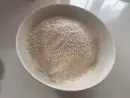


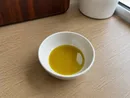
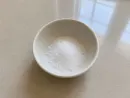
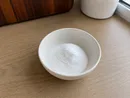
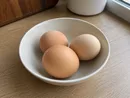
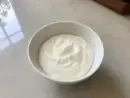


Step-by-Step Instructions
Activate the Yeast
The first step to perfectly soft pretzels is activating the yeast.
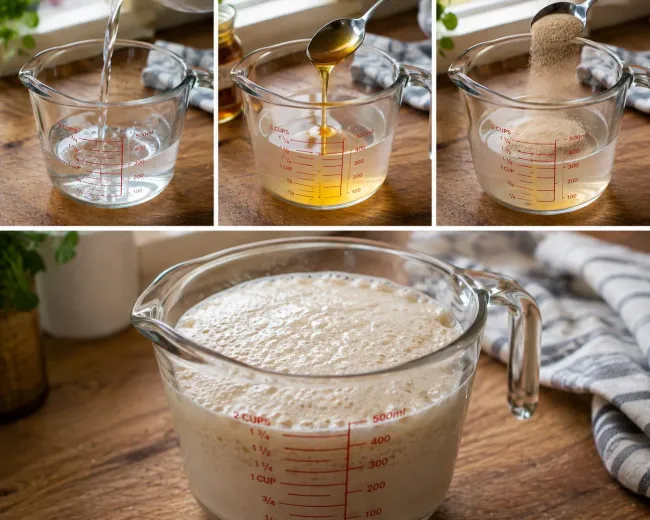
In a large measuring cup or mixing bowl, combine:
1¼ cups (300 ml) warm water (about 105–110°F / 40–43°C)
1 tablespoon honey
2¼ teaspoons active dry yeast
Stir gently until the honey dissolves.
Allow the mixture to rest for 5–10 minutes until it becomes foamy.
The bubbles indicate that the yeast is active and ready to help the dough rise.
Prepare the Dough
In a large mixing bowl, combine:
2 cups bread flour
1 cup whole wheat flour
1 teaspoon fine sea salt
Pour in:
Activated yeast mixture
2 tablespoons extra virgin olive oil
Mix until a shaggy dough forms.
Transfer the dough onto a lightly floured surface.
Knead for 8–10 minutes until the dough becomes smooth, soft, and elastic.
If the dough feels sticky, sprinkle in a small amount of additional bread flour, one tablespoon at a time.

Let the Dough Rise
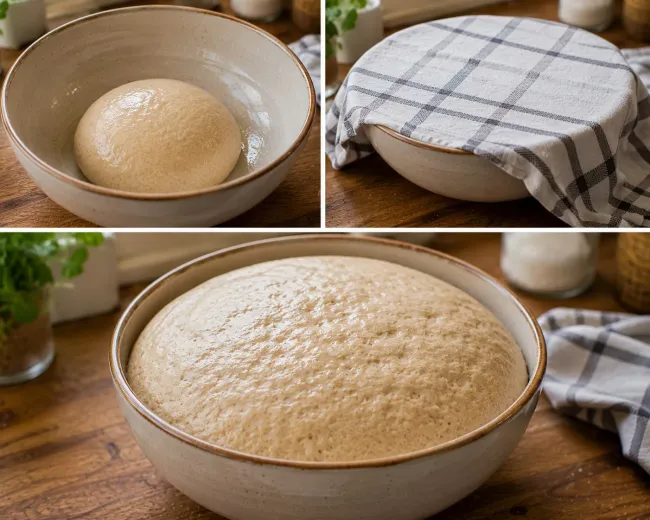
Shape the dough into a smooth ball.
Place it in a lightly oiled bowl, turning once so all sides are lightly coated.
Cover with a clean kitchen towel or reusable wrap.
Allow the dough to rise in a warm place for about 1 hour, or until doubled in size.
A proper rise creates the light, fluffy interior that contrasts beautifully with the chewy crust.
Shape the Pretzels
Punch down the risen dough to release excess air.
Divide it evenly into 8 portions.
Roll each portion into a rope approximately 22–24 inches (55–60 cm) long.
Form each rope into a "U" shape.
Cross the ends twice before folding them down onto the bottom curve to create the traditional pretzel shape.
Place the shaped pretzels onto a parchment-lined baking tray while preparing the baking soda bath.

Prepare the Baking Soda Bath
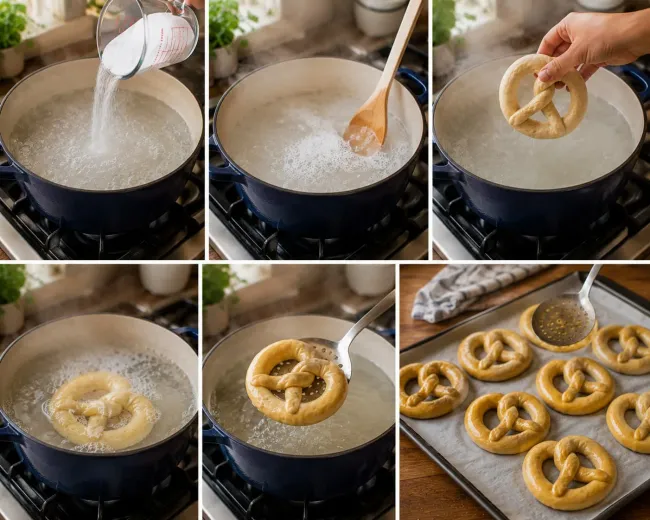
Bring 8 cups (2 liters) of water to a gentle boil in a large pot.
Carefully stir in:
⅓ cup baking soda
Reduce the heat slightly to maintain a gentle simmer.
Working one at a time, carefully lower each pretzel into the baking soda bath.
Simmer for 20–30 seconds, then remove using a slotted spoon.
Transfer back to the prepared baking tray.
This brief bath creates the iconic chewy crust and deep golden color that define authentic soft pretzels.
Add the Egg Wash and Toppings
Beat one large egg until smooth.
Brush each pretzel evenly with the egg wash.
Sprinkle with:
Flaky sea salt
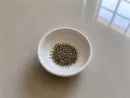
Sesame seeds (optional)
Finely chopped rosemary (optional)
The egg wash creates a beautiful glossy finish while helping the toppings adhere during baking.

Bake the Pretzels
Preheat the oven to 425°F (220°C).
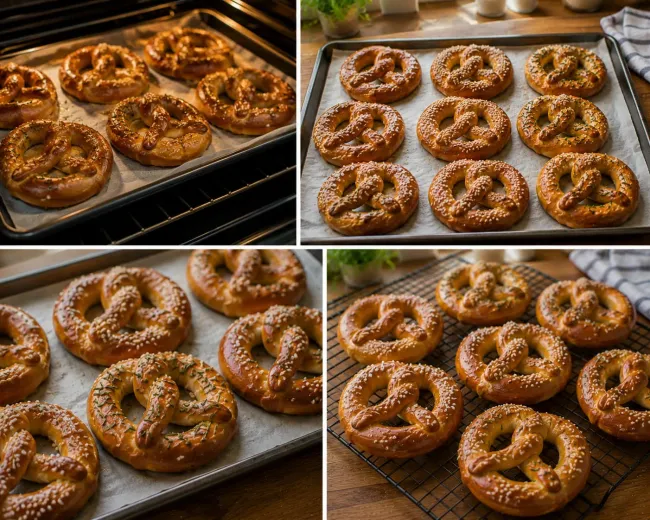
Bake the pretzels for 12–15 minutes, or until they develop a rich golden-brown color.
The crust should appear glossy and slightly crisp, while the interior remains soft and fluffy.
Allow the pretzels to cool on the baking tray for 5 minutes before transferring them to a wire rack.
Prepare the Yogurt Mustard Dip and Serve
While the pretzels cool slightly, prepare the dipping sauce.
In a small bowl, combine:
¾ cup plain Greek yogurt
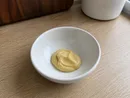
1 tablespoon whole-grain mustard
1 teaspoon Dijon mustard
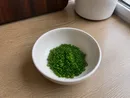
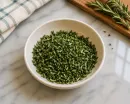
1 tablespoon chopped fresh chives
½ teaspoon garlic powder
¼ teaspoon freshly ground black pepper
Mix until smooth.
Serve the warm pretzels alongside the creamy yogurt mustard dip.
Their chewy crust, fluffy interior, and tangy dipping sauce create the perfect balance of textures and flavors for a comforting homemade snack.
Chef's Tips
Common Mistakes
Why This Recipe Was Designed This Way
Soft pretzels have been enjoyed for centuries because of their unique combination of a chewy crust and tender, fluffy interior.
Traditional recipes often rely on refined white flour and generous amounts of butter to achieve their signature texture. This version preserves everything people love about classic pretzels while making a few thoughtful ingredient choices that increase nutritional value without compromising authenticity.
Rather than reinventing the pretzel, the goal was to keep its bakery-style character intact while incorporating ingredients commonly found in balanced dietary patterns.
Here's why each ingredient was selected.
🌾 Bread Flour
Bread flour forms the structural foundation of the dough. Its higher protein content promotes stronger gluten development, creating: The signature chewy bite Better oven spring A soft, airy crumb Excellent elasticity for shaping Without bread flour, achieving the traditional pretzel texture becomes much more difficult.
🌾 Whole Wheat Flour
A portion of whole wheat flour increases the nutritional value while adding subtle nutty flavor. Compared with using only refined flour, it contributes: Dietary fiber B vitamins Minerals More complex flavor A heartier texture Using only part whole wheat preserves the soft bakery-style crumb.
🫒 Extra Virgin Olive Oil
Instead of relying primarily on butter, this recipe uses extra virgin olive oil to keep the dough soft and moist. It contributes: Predominantly unsaturated fats Tender texture Rich flavor Better freshness after baking Only a small amount is needed to improve both texture and flavor.
🍯 Honey
Honey serves two important purposes. First, it feeds the yeast during activation. Second, it adds a subtle sweetness that balances the savory flavor of the pretzels without making them taste sweet. Its mild floral notes also complement the toasted aroma of the baked crust.
🥣 Greek Yogurt
The dipping sauce uses plain Greek yogurt instead of heavier mayonnaise- or cream-based sauces. Greek yogurt provides: High-quality protein Calcium Thick, creamy consistency Refreshing tanginess Its bright flavor pairs beautifully with warm, freshly baked pretzels.
🌱 Whole-Grain Mustard
Whole-grain mustard brings texture and gentle sharpness. The mustard seeds create small bursts of flavor that complement the pretzel's chewy crust without overpowering it.
🌿 Fresh Chives
Fresh chives provide a delicate onion flavor and vibrant color. Their mild freshness balances the richness of the yogurt dip while making the presentation more elegant.
🥚 Egg Wash
The egg wash is essential for achieving the glossy bakery-style appearance associated with authentic soft pretzels. It also helps the flaky salt and optional toppings adhere during baking.
🥨 Baking Soda Bath
Although technically not an ingredient in the finished dough, the baking soda bath is what gives soft pretzels their unmistakable identity. This traditional step creates: Deep golden color Slightly chewy crust Rich roasted flavor Characteristic bakery aroma Without it, the finished pretzels would resemble ordinary bread rolls rather than authentic soft pretzels.
Ingredient Swaps
Need to customize your Soft Pretzels? These substitutions preserve their classic texture while allowing flexibility for different preferences.
| Instead of... | Try... |
|---|---|
| Bread flour | High-protein all-purpose flour |
| Whole wheat flour | White whole wheat flour |
| Honey | Pure maple syrup |
| Olive oil | Avocado oil |
| Greek yogurt | Plain skyr |
| Whole-grain mustard | Dijon mustard |
| Fresh chives | Fresh parsley |
| Sesame seeds | Everything bagel seasoning |
| Flaky sea salt | Poppy seeds (for a different topping) |
| Rosemary | Fresh thyme |
What Research Says
The ingredients in this recipe were selected because they are commonly included in balanced dietary patterns that emphasize whole grains, unsaturated fats, cultured dairy, and minimally processed ingredients. The information below summarizes current nutrition research and is intended for educational purposes only. It should not be interpreted as medical advice.
🌾 Whole Wheat Flour
Whole wheat flour retains the bran and germ of the grain, providing more naturally occurring fiber, vitamins, and minerals than refined flour. Using a blend of whole wheat and bread flour allows these pretzels to maintain their classic chewy texture while increasing their whole-grain content.
- Provides dietary fiber.
- Contains naturally occurring B vitamins.
- Richer in minerals than refined flour.
- Supports greater whole-grain intake.
🌾 Bread Flour
Bread flour has a higher protein content than standard all-purpose flour. This higher protein promotes stronger gluten development, creating the chewy texture associated with artisan breads and traditional soft pretzels.
- Higher protein content.
- Promotes stronger gluten formation.
- Produces a chewy bakery-style texture.
- Excellent for yeast breads.
🫒 Extra Virgin Olive Oil
Extra virgin olive oil contributes tenderness to the dough while providing predominantly monounsaturated fats. It is a defining ingredient of Mediterranean-style dietary patterns and is widely recognized for its culinary versatility.
- Rich in monounsaturated fats.
- Contains naturally occurring polyphenols.
- Common component of Mediterranean dietary patterns.
- Suitable replacement for solid fats in many baked goods.
🥣 Greek Yogurt
Greek yogurt provides a thick, creamy texture together with protein and calcium. Using it as the base for the dipping sauce creates richness without relying on heavier cream-based alternatives.
- Higher in protein than many traditional yogurts.
- Excellent source of calcium.
- Naturally creamy texture.
- Fits well within balanced dietary patterns.
🌱 Mustard
Mustard seeds naturally contain plant compounds that contribute their distinctive flavor. Whole-grain mustard also adds texture, allowing sauces to remain flavorful without relying on excessive fat.
- Naturally flavorful condiment.
- Adds complexity with minimal calories.
- Pairs well with yogurt-based sauces.
- Widely used in balanced cooking.
🌿 Fresh Herbs
Fresh herbs such as chives and rosemary provide aroma, color, and flavor while contributing naturally occurring plant compounds. Using herbs generously helps build flavor without depending on additional sodium or saturated fat.
- Naturally aromatic.
- Adds flavor with minimal calories.
- Encourages reduced reliance on heavy seasonings.
- Enhances overall meal freshness.
Estimated Nutrition
Per serving
*Estimated using moderate amounts of flaky sea salt.
Storage & Reheating
Soft Pretzels are at their absolute best on the day they're baked, when their crust is lightly chewy and the interior remains exceptionally soft. However, they also store well, making them ideal for meal prep or entertaining.
Refrigerating
Allow the pretzels to cool completely before storing.
Place them in an airtight container or reusable food storage bag.
Refrigerate for up to 4 days.
Store the yogurt mustard dip separately in a sealed container for up to 3 days.
Freezing
Soft pretzels freeze exceptionally well.
Wrap each pretzel individually in parchment paper or plastic wrap before placing them into a freezer-safe bag or container.
Freeze for up to 3 months.
For best results, freeze the dipping sauce separately only if necessary, although freshly prepared yogurt dip is recommended.
Reheating
Oven (Recommended): Preheat the oven to 325°F (160°C). Lightly mist the pretzels with water. Bake for 5–7 minutes until warm and soft. This method restores much of their freshly baked texture.
Air Fryer: Heat at 320°F (160°C) for 3–4 minutes until warmed through. The air fryer lightly refreshes the crust while keeping the inside soft.
Microwave: Wrap a pretzel in a slightly damp paper towel. Microwave for 15–20 seconds. This method is quick but may produce a softer crust than oven reheating.
Meal Prep Tips
Soft Pretzels are excellent for preparing in advance.
For an easy baking schedule:
Prepare and knead the dough the night before.
Allow the first rise in the refrigerator overnight.
Shape the pretzels the next day before completing the baking soda bath.
Freeze shaped, unbaked pretzels for future baking if desired.
Prepare the yogurt mustard dip up to 2 days in advance.
Store toppings and herbs separately to maintain freshness.
Freshly baked pretzels can also be sliced and used as sandwich buns or served alongside soups and salads for additional versatility.
Serving Suggestions
Freshly baked Soft Pretzels pair beautifully with a variety of dips and side dishes, making them suitable for everything from casual snacks to party platters.
Creamy Yogurt Mustard Dip: The tangy Greek yogurt and whole-grain mustard dip included in this recipe perfectly complements the warm, chewy pretzels while adding a refreshing contrast.
Roasted Tomato Soup: A bowl of rich roasted tomato soup pairs wonderfully with warm pretzels, creating a comforting and satisfying meal.
Crunchy Vegetable Platter: Serve with sliced cucumbers, carrots, celery, bell peppers, and cherry tomatoes for a colorful snack board.
Hummus Trio: Classic, roasted red pepper, and herb hummus all pair beautifully with warm pretzels for a Mediterranean-inspired appetizer.
Cheese & Fruit Board: Arrange warm pretzels alongside sliced apples, grapes, pears, reduced-fat cheeses, roasted nuts, and whole-grain crackers for an elegant sharing platter.
Frequently Asked Questions
Can I make soft pretzels without whole wheat flour?
Yes. You can use all bread flour if you prefer a more traditional bakery-style pretzel. The whole wheat flour simply adds extra fiber and a subtle nutty flavor while maintaining a soft texture.
Why do pretzels need a baking soda bath?
The baking soda bath is what gives soft pretzels their signature appearance and flavor. It helps create the deep golden-brown crust, glossy finish, and slightly chewy exterior that distinguish pretzels from ordinary bread rolls.
Can I prepare the dough the night before?
Absolutely. After kneading, place the dough in a lightly oiled bowl, cover it tightly, and refrigerate overnight. Let it sit at room temperature for about 30–45 minutes before shaping the pretzels the next day.
Can I freeze homemade pretzels?
Yes. Once completely cooled, wrap each pretzel individually and freeze for up to 3 months. Reheat in the oven or air fryer for the best texture.
Can I make these without the egg wash?
Yes. The egg wash mainly provides shine and helps toppings stick. For an egg-free option, lightly brush the pretzels with olive oil or milk before baking.
Why are my pretzels dense instead of fluffy?
Dense pretzels are usually caused by under-kneading, inactive yeast, or insufficient rising time. Make sure the dough has doubled in size before shaping.
Can I use instant yeast instead of active dry yeast?
Yes. Substitute the same amount of instant yeast and mix it directly with the dry ingredients. The dough may rise slightly faster, so keep an eye on it.
What other toppings work well?
Soft pretzels are extremely versatile. Try topping them with:
Sesame seedsPoppy seedsEverything bagel seasoningFresh rosemaryGrated ParmesanCracked black pepper
Each creates a unique flavor while preserving the classic pretzel texture.
Can I make mini pretzel bites?
Definitely. Divide the dough into smaller ropes and cut them into bite-sized pieces before the baking soda bath. Bake for approximately 8–10 minutes, or until golden brown.
What's the best way to serve soft pretzels?
Soft pretzels are best enjoyed warm, paired with yogurt mustard dip, hummus, roasted tomato soup, or a cheese board. They're equally delicious as an afternoon snack, party appetizer, or accompaniment to soups and salads.
Related Recipes
If you enjoyed these Soft Pretzels, you may also love these delicious recipes from our Snacks collection.
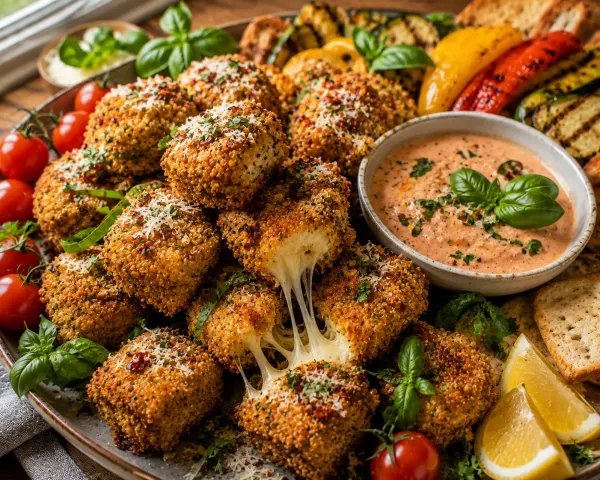
🧀 Baked Mozzarella Bites
Crispy oven-baked mozzarella bites coated in seasoned whole-grain breadcrumbs and baked until perfectly golden with a gooey melted center.
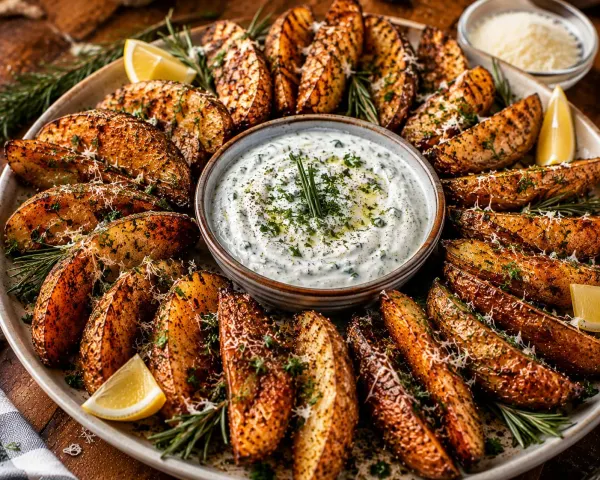
🥔 Crispy Potato Wedges
Oven-roasted potato wedges seasoned with herbs, garlic, smoked paprika, and olive oil for a crispy exterior and fluffy center.
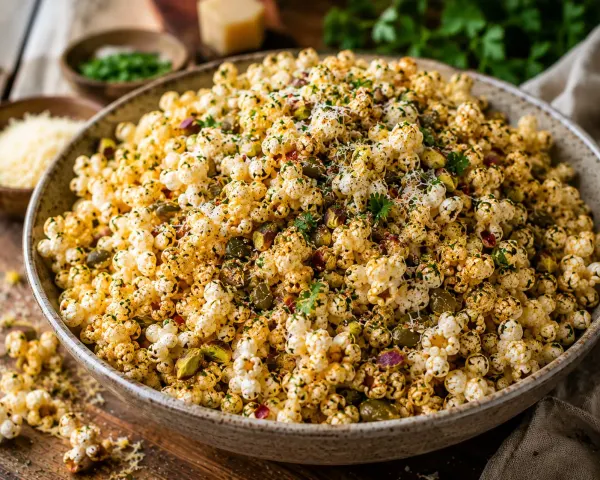
🍿 Parmesan Popcorn
Freshly popped popcorn tossed with finely grated Parmesan, herbs, and a touch of olive oil for a light yet flavorful snack.