Ingredient Swaps
Greek Yogurt vs. Heavy Cream
Last updated: August 14, 2026
Greek yogurt can add body, protein and pleasant tang with less fat than heavy cream, but the two ingredients are not mechanically identical. Cream is rich, fluid and stable under heat; yogurt contains proteins that can tighten and separate if boiled. The best choice depends on the recipe’s job.
Good uses for Greek yogurt
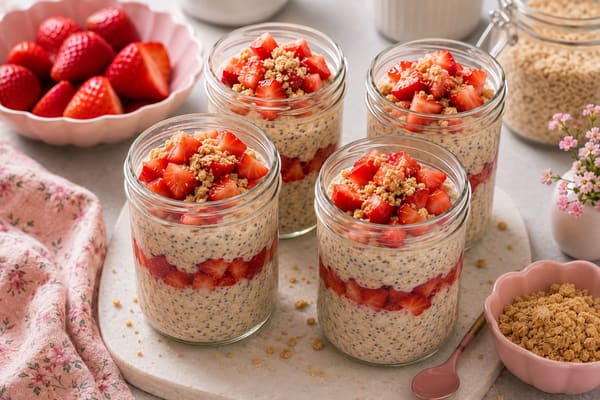
It works especially well in cold dips, dressings, cheesecake-style fillings, overnight oats, marinades and sauces finished away from direct heat. Full-fat or moderately reduced-fat Greek yogurt is generally easier to use than fat-free yogurt because it offers a rounder texture and a little more protection against splitting.
For soups and pan sauces, temper the yogurt. Stir a spoonful of warm liquid into it, repeat, then add the loosened mixture to the pan over low heat. Do not let it boil hard. A little starch in the recipe can further stabilize the sauce.
When cream is still useful
Cream is often the more reliable choice for whipping, high-heat reduction, delicate caramel, ganache and recipes where milk fat creates the defining texture. In these cases, reducing the quantity or combining cream with milk may work better than eliminating it.
| Recipe | Suggested approach |
|---|---|
| Cold dip | Replace most or all with Greek yogurt |
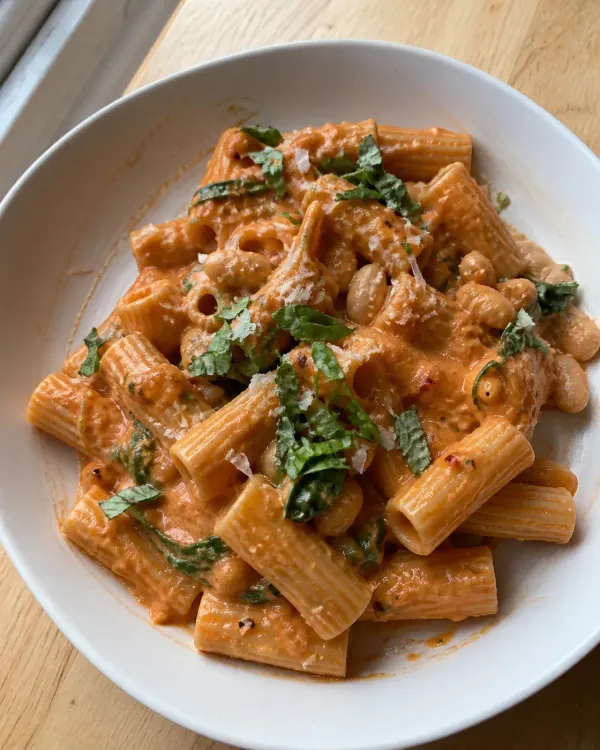
| Creamy pasta | Use yogurt off heat, or combine with milk and starch |
| Whipped topping | Use whipping cream; yogurt alone will not behave the same |
| Cheesecake | Partial replacement often works; account for extra tang and water |
| Curry | Add yogurt gradually over gentle heat |
| Ganache | Keep cream unless using a formula designed for another liquid |
Flavor balance
Yogurt brings acidity. In savory dishes, roasted garlic, black pepper, herbs or a little cheese can round it out. In desserts, vanilla, citrus zest and a measured sweetener can make the tang feel intentional. Do not compensate automatically with excessive salt or sugar.
FAQ
Can I substitute cup for cup?
Sometimes in cold mixtures, but not reliably in every cooked or baked formula.
Why did my sauce split?
It was probably heated too quickly, boiled, or added directly to a very hot acidic base.
Is fat-free yogurt best?
Not necessarily. It can taste thinner and is less forgiving under heat.
Related Guides
How to Make Creamy Sauces With Less Cream
Better Cooking Techniques
How to Reduce Sugar Without Ruining Dessert
Ingredient Swaps
How We Make Classic Recipes Healthier
Our Method