
Buttery Croissants
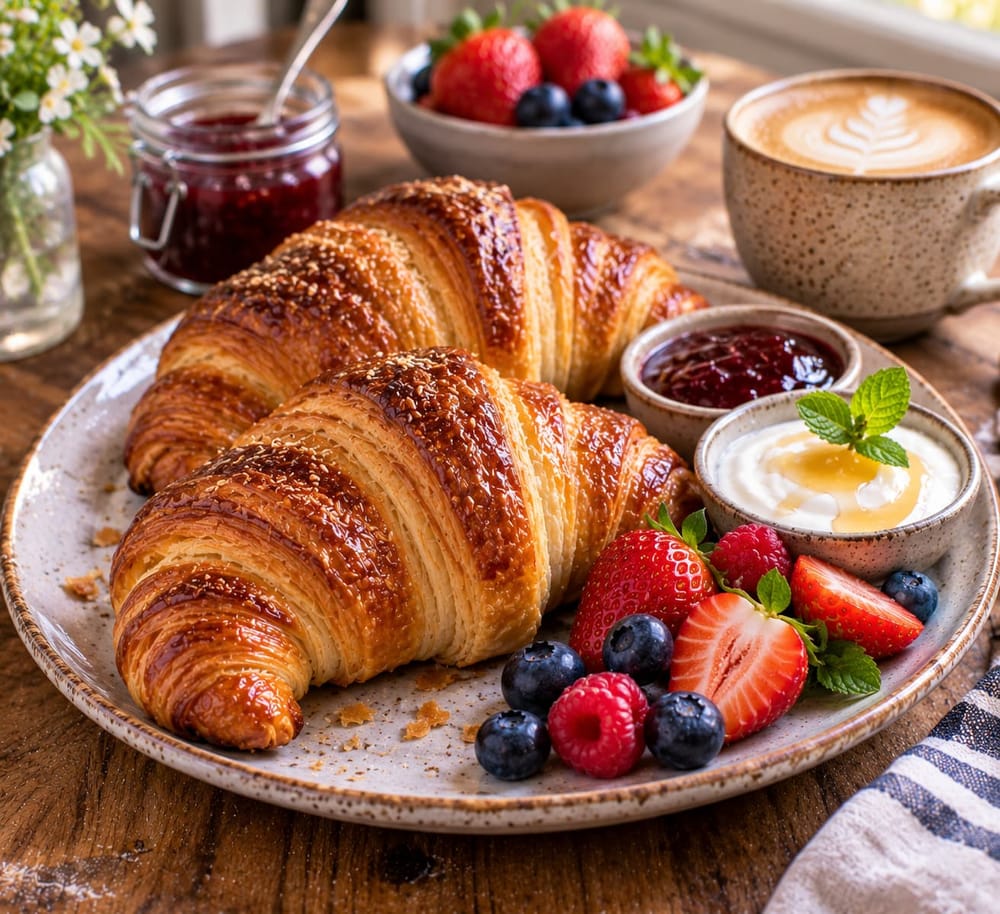
Few pastries are as iconic as the French croissant. Its crisp golden exterior, delicate flaky layers, and light buttery interior have made it one of the world's most beloved breakfast pastries. Although traditional croissants are often associated with generous amounts of butter and refined flour, thoughtful ingredient choices can preserve their authentic character while creating a more balanced recipe.
This version stays remarkably faithful to classic French baking techniques while incorporating a few carefully selected ingredients. A blend of bread flour and whole wheat flour increases the fiber content without compromising the signature light texture, while premium European-style butter is used strategically to maintain the flaky layers that define a true croissant. A small amount of Greek yogurt enriches the dough, helping create tenderness and moisture while contributing additional protein.
The result is everything people expect from a freshly baked croissant: crisp, delicate layers that shatter gently with every bite, a soft honeycomb crumb, and rich buttery aroma balanced by subtle sweetness. Every ingredient has been chosen not to reinvent the croissant, but to respect its tradition while gently improving its overall nutritional profile.
Whether served warm for breakfast, paired with fresh fruit and coffee, or enjoyed as part of a leisurely weekend brunch, these croissants bring authentic French bakery flavor to your kitchen with wholesome, carefully selected ingredients.
Recipe Information
| Prep Time | 45 minutes (plus chilling and proofing) |
| Cook Time | 20 minutes |
| Total Time | Approximately 6½ hours |
| Servings | 12 croissants |
| Difficulty | Advanced |
| Calories | ~285 kcal per croissant |
Quick Highlights
- ✅ Authentic French laminated dough
- ✅ Crisp, flaky buttery layers
- ✅ Made with a blend of bread flour and whole wheat flour
- ✅ Higher in protein thanks to Greek yogurt
- ✅ Reduced sugar compared to traditional recipes
- ✅ No artificial preservatives
- ✅ Bakery-quality results at home
Ingredients
Makes 12 Croissants











Step-by-Step Instructions
Prepare the Dough
Great croissants begin with a well-developed dough that is smooth, elastic, and properly hydrated. This dough serves as the foundation for the hundreds of delicate layers created during lamination.
In a large mixing bowl, combine:
3 cups bread flour
1 cup whole wheat flour
2¼ teaspoons instant yeast
1½ teaspoons sea salt
In a separate bowl, whisk together:
1 cup lukewarm whole milk
2 tablespoons honey
¼ cup Greek yogurt
1 large egg
1 teaspoon vanilla extract
Gradually pour the wet ingredients into the dry ingredients and mix until a rough dough forms.
Knead for 8–10 minutes, until the dough becomes smooth, soft, and elastic.
Shape into a rectangle, wrap tightly, and refrigerate for at least 1 hour.
Prepare the Butter Block
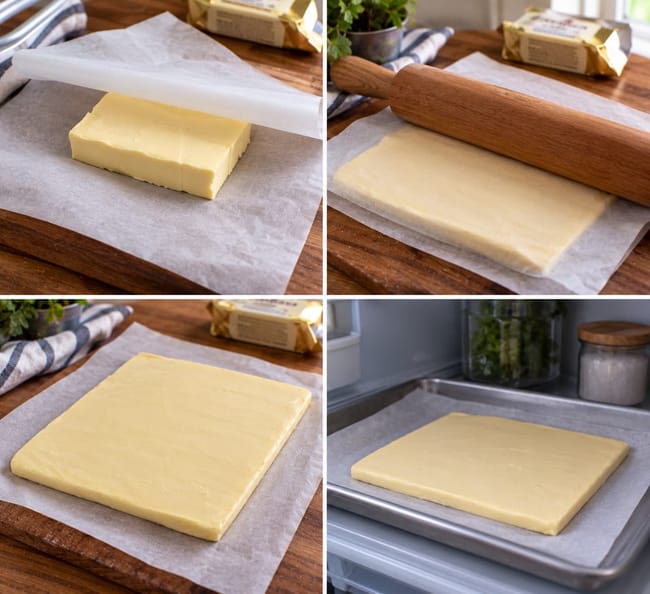
The butter block is one of the most important components of laminated pastry. Creating an even rectangle allows the butter to spread uniformly between the dough layers, producing the flaky texture that makes croissants so distinctive.
Place the cold butter between two sheets of parchment paper.
Using a rolling pin, gently flatten it into a rectangle measuring approximately 7 × 8 inches (18 × 20 cm).
Keep the thickness as even as possible across the entire surface.
Transfer the butter block to the refrigerator for 15–20 minutes.
The butter should remain cold and flexible—not rock hard or soft.
Enclose the Butter
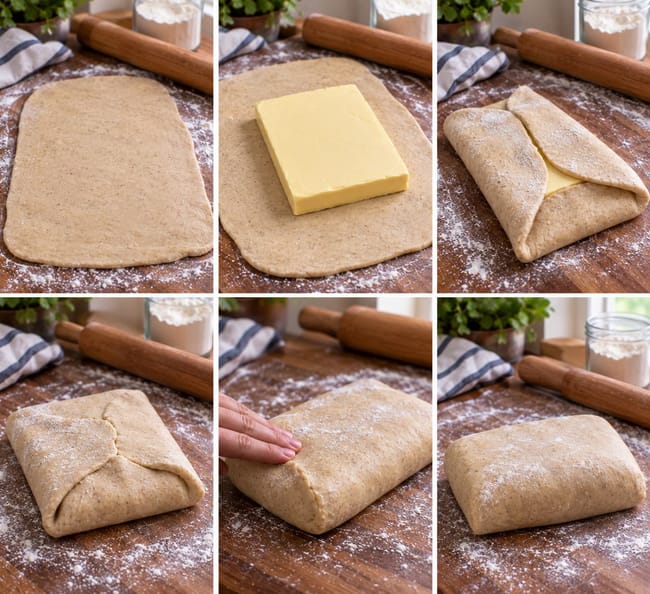
Lightly flour your work surface.
Roll the chilled dough into a rectangle approximately twice the size of the butter block.
Place the chilled butter block in the center of the dough.
Fold the dough over the butter from all four sides, sealing the edges completely so no butter is exposed.
Press the seams gently to close them securely.
You should now have a smooth rectangle with the butter fully enclosed inside the dough.
Perform the First Lamination
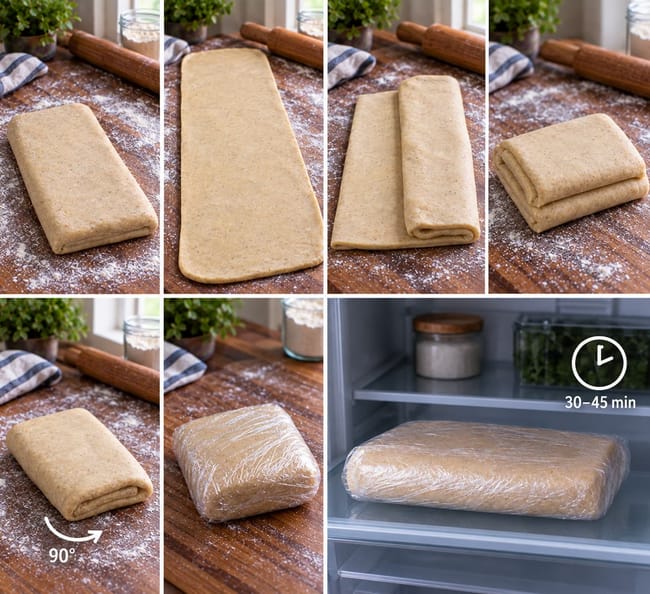
Roll the dough into a long rectangle approximately 24 inches (60 cm) long.
Try to maintain straight edges and an even thickness throughout.
Fold the dough into thirds, just like folding a business letter.
Rotate the dough 90 degrees.
Wrap it tightly in plastic wrap and refrigerate for 30–45 minutes.
This resting period allows the gluten to relax and the butter to firm up before the next fold.
Perform the Second and Third Folds
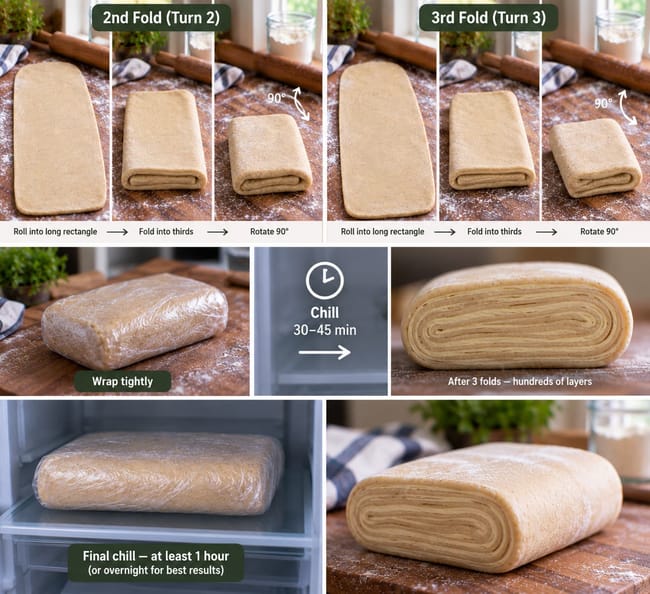
Repeat the rolling and folding process two more times.
For each turn:
Roll the chilled dough into a long rectangle.
Fold it into thirds like a business letter.
Rotate the dough 90 degrees.
Wrap it tightly.
Refrigerate for 30–45 minutes before the next turn.
After completing the third fold, refrigerate the dough for at least 1 hour, or preferably overnight for even better flavor and easier handling.
At this stage, hundreds of thin alternating layers of dough and butter have been created. During baking, the moisture in the butter turns to steam, lifting each layer and producing the croissant's famous flaky texture.
Shape the Croissants
Lightly flour your work surface.
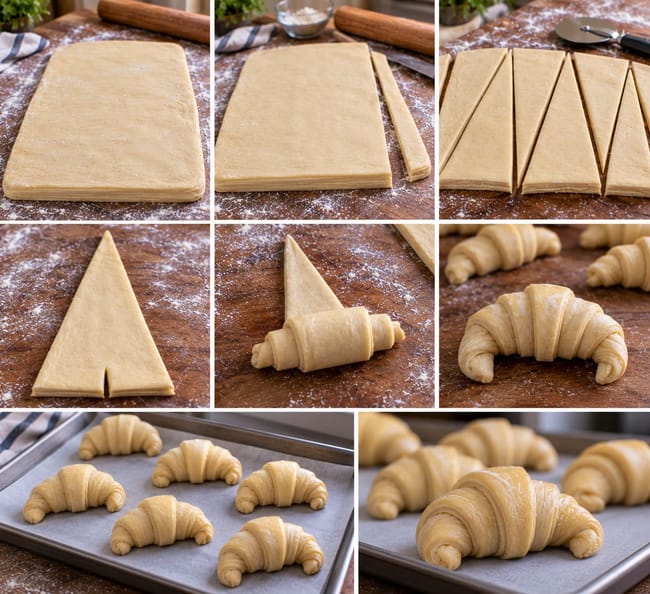
Roll the chilled dough into a large rectangle approximately ¼ inch (6 mm) thick.
Using a sharp knife or pizza cutter, trim the edges to expose the laminated layers.
Cut the dough into long triangles approximately:
4 inches (10 cm) wide at the base
8–9 inches (20–23 cm) long
Make a small ½-inch (1 cm) cut in the center of the base of each triangle.
Gently stretch each triangle slightly, then roll tightly from the wide base toward the tip.
Place each croissant on a parchment-lined baking tray with the tip tucked underneath to prevent unrolling during baking.
Curve the ends slightly to create the classic crescent shape.
Proof and Apply the Egg Wash
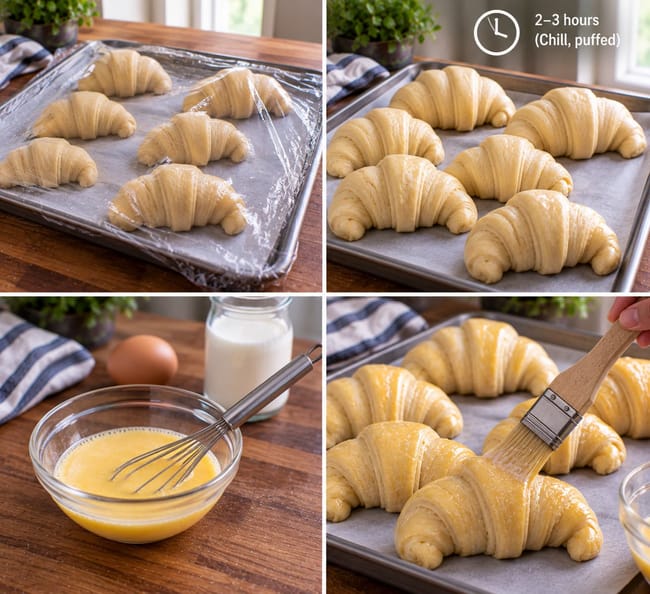
Cover the shaped croissants loosely with plastic wrap or a clean kitchen towel.
Allow them to proof at room temperature for 2–3 hours, or until they become noticeably puffed and slightly wobbly when the tray is gently shaken.
Preheat the oven to 375°F (190°C).
In a small bowl, whisk together:
1 egg
1 tablespoon whole milk
Using a pastry brush, gently coat each croissant with a thin, even layer of egg wash.
Take care not to press too hard, as this could deflate the delicate layers.
Bake and Serve
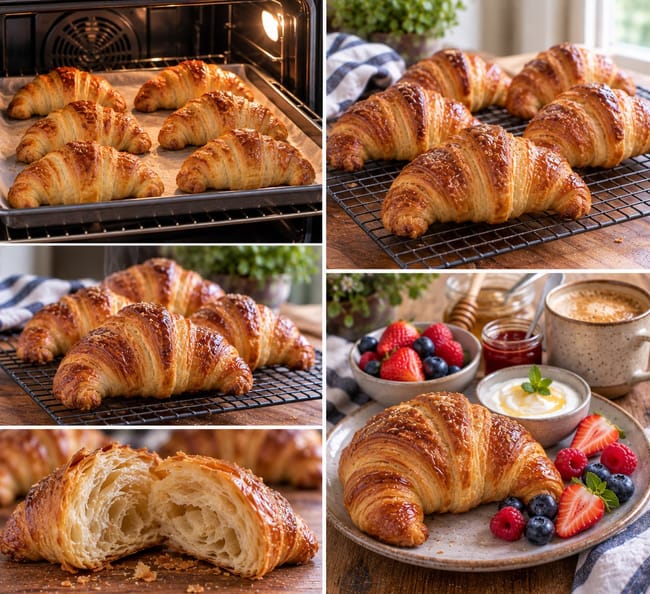
Bake the croissants for 18–22 minutes, or until they are deeply golden, beautifully puffed, and crisp on the outside.
Rotate the baking tray halfway through baking to encourage even browning.
Transfer the baked croissants to a wire rack and allow them to cool for 10–15 minutes before serving.
Enjoy them warm with:
Fresh berries
Greek yogurt with a drizzle of honey
Homemade fruit preserves
Nut butter
Freshly brewed coffee or tea
The crisp exterior, delicate flaky layers, and soft honeycomb interior are at their absolute best while still slightly warm.
Chef's Tips
Common Mistakes
Why This Recipe Was Designed This Way
Croissants are one of the world's most celebrated pastries because of their delicate laminated layers, crisp exterior, buttery aroma, and light honeycomb interior. Rather than completely reinventing this classic French pastry, this recipe preserves the traditional preparation while making thoughtful ingredient choices that improve its overall nutritional profile without sacrificing authenticity.
Instead of removing butter or replacing the dough with alternative flours that dramatically change the final product, this version simply builds upon the classic recipe using ingredients commonly found in balanced dietary patterns. The result is a croissant that still looks, tastes, and feels like one from an artisan French bakery.
Here's why each ingredient was selected.
🌾 Bread Flour
Bread flour provides the strong gluten structure necessary for proper lamination. Its naturally higher protein content helps create: Excellent dough elasticity Stable laminated layers The airy honeycomb interior Better oven spring Without strong gluten development, croissants would lose much of their characteristic light texture.
🌾 Whole Wheat Flour
Only a portion of the flour is replaced with whole wheat flour. This approach allows the recipe to retain the delicate texture of a traditional croissant while naturally increasing: Dietary fiber Magnesium B vitamins Naturally occurring plant compounds The subtle nutty flavor also complements the butter beautifully.
🧈 European-Style Butter
Butter remains essential because it creates the hundreds of delicate layers that define authentic croissants. Rather than eliminating butter, this recipe uses a premium-quality butter in a carefully balanced amount to preserve: Flaky texture Rich aroma Tender crumb Authentic French flavor 🥣 Greek Yogurt A small amount of Greek yogurt enriches the dough while contributing: Additional protein Moisture Tenderness A subtle tang that enhances the buttery flavor Because only a modest quantity is used, the pastry remains remarkably faithful to the traditional recipe.
🥛 Whole Milk
Whole milk contributes natural richness while supporting yeast fermentation and promoting even browning during baking. Its proteins and natural sugars help create a beautifully golden crust and soft interior.
🍯 Honey
Instead of relying on larger amounts of refined sugar, a small quantity of honey gently sweetens the dough while supporting yeast activity and encouraging attractive caramelization during baking.
🥚 Eggs
Eggs strengthen the dough and contribute high-quality protein while helping create a softer interior. The egg wash also produces the glossy golden finish that is characteristic of artisan French croissants.
🌿 Vanilla & Sea Salt
These simple ingredients work together to enhance the buttery aroma without overpowering the delicate flavor of the pastry. Rather than adding sweetness, they help highlight the richness already present in the dough, creating a more balanced and refined croissant.
Ingredient Swaps
Need to customize these Healthy Buttery Croissants? These substitutions help accommodate different preferences while preserving the authentic French bakery character of the recipe.
| Instead of... | Try... |
|---|---|
| Bread flour | Strong all-purpose flour |
| Whole wheat flour | White whole wheat flour |
| European-style butter | High-quality unsalted butter |
| Whole milk | Low-fat milk |
| Greek yogurt | Plain skyr |
| Honey | Pure maple syrup |
| Whole egg | Pasteurized egg substitute (for the dough only) |
| Vanilla extract | Vanilla bean paste |
| Sesame seeds | Poppy seeds |
| Fresh berries | Fresh raspberries or sliced peaches |
What Research Says
The ingredients in these croissants were selected to preserve the traditional characteristics of laminated French pastry while incorporating several wholesome ingredients commonly included in balanced dietary patterns. Whole grains, cultured dairy, and moderate amounts of quality fats help improve the nutritional profile without compromising the authentic baking process. The information below summarizes current nutrition research and is intended for educational purposes only.
🌾 Whole Wheat Flour
Replacing a portion of refined flour with whole wheat flour increases the amount of naturally occurring dietary fiber, vitamins, minerals, and phytochemicals while maintaining the light texture expected from laminated pastry.
- Higher in dietary fiber than refined flour.
- Naturally contains B vitamins and magnesium.
- Supports greater whole-grain intake within balanced diets.
🥣 Greek Yogurt
Plain Greek yogurt contributes additional protein while enriching the dough with moisture and tenderness.
- Higher in protein than many traditional yogurts.
- Naturally contains calcium.
- Versatile ingredient in balanced baking.
🍯 Honey
Honey contributes gentle sweetness while allowing the recipe to use less refined sugar. Although nutritionally similar to other added sugars, its concentrated sweetness allows smaller quantities to provide the desired flavor.
- Naturally sweet flavor.
- Helps support yeast fermentation.
- Can reduce the need for larger amounts of refined sugar.
🧈 Butter
Butter is essential for creating the laminated structure of authentic croissants. Using moderate portions within a recipe centered on quality ingredients allows the pastry to remain true to its traditional identity while supporting overall balance.
- Essential for laminated pastry.
- Contributes flavor and texture.
- Best enjoyed in moderation as part of a varied dietary pattern.
🥛 Milk
Milk contributes protein, calcium, and several vitamins while helping develop a tender crumb and beautifully browned crust.
- Source of calcium and protein.
- Supports browning during baking.
- Widely used in traditional bread and pastry making.
🌾 Bread Flour
Bread flour provides the gluten strength necessary for successful lamination and proper oven spring.
- Higher protein content than many standard flours.
- Supports strong gluten development.
- Produces light, airy baked goods.
Estimated Nutrition
Per serving
Estimated values may vary depending on ingredient brands and butter used.
Storage & Reheating
Fresh croissants are at their absolute best on the day they are baked, when the exterior is crisp and the interior remains light and airy. Fortunately, they also store surprisingly well when handled properly.
Refrigerating
Store completely cooled croissants in an airtight container for up to 3 days.
Before serving, warm them briefly in the oven to restore much of their crisp exterior.
Avoid refrigerating while still warm, as trapped moisture can soften the flaky layers.
Freezing
Croissants freeze exceptionally well.
Allow them to cool completely before placing them in freezer-safe bags or airtight containers.
Freeze for up to 3 months.
For best results, thaw overnight in the refrigerator before reheating.
Reheating
Oven (Recommended): Preheat the oven to 325°F (160°C). Bake for 5–8 minutes until warmed through and crisp again. This method best restores the flaky texture.
Air Fryer: Warm at 320°F (160°C) for 3–4 minutes. The air fryer produces an exceptionally crisp exterior while keeping the interior soft.
Microwave: Although possible, microwaving is not recommended because it softens the delicate laminated layers. If necessary, heat for only 10–15 seconds, then finish in the oven for improved texture.
Meal Prep Tips
Croissant dough is actually easier to work with when prepared over two days.
For efficient preparation:
Mix the dough the evening before.
Perform the lamination with proper chilling between folds.
Refrigerate the dough overnight after the final fold.
Shape and proof the croissants the following morning.
Bake fresh when ready to enjoy.
Freeze extra baked croissants for quick breakfasts.
Preparing the dough in advance allows the butter to remain cold throughout the process while improving flavor development.
Serving Suggestions
Fresh croissants pair beautifully with both sweet and savory accompaniments.
Fresh Greek Yogurt & Berries: A bowl of plain Greek yogurt topped with fresh berries adds protein and freshness while complementing the buttery pastry.
Fresh Fruit Salad: Seasonal fruit such as strawberries, blueberries, kiwi, grapes, and oranges provides natural sweetness and balances the richness of the croissant.
Smoked Salmon & Avocado: Slice the croissant in half and fill it with smoked salmon, avocado, arugula, and cucumber for an elegant brunch sandwich.
Natural Nut Butter: Almond butter or peanut butter adds healthy fats and protein while pairing wonderfully with the delicate buttery layers.
Coffee or Tea: A freshly brewed coffee, cappuccino, or high-quality black tea completes the classic French bakery experience.
Frequently Asked Questions
Can I prepare the dough the day before?
Yes. In fact, an overnight rest after lamination often improves both flavor and handling.
Can I freeze the shaped croissants before baking?
Yes. Freeze them after shaping but before proofing. Thaw overnight in the refrigerator, proof fully, then bake as directed.
Why didn't my croissants become flaky?
The most common causes are butter that became too warm, insufficient chilling between folds, or under-proofing before baking.
Can I use only all-purpose flour?
Yes, although bread flour produces stronger gluten development and better laminated layers.
Is whole wheat flour necessary?
No. It simply increases the fiber content while adding a subtle nutty flavor. White flour alone will produce a more traditional croissant.
Why is Greek yogurt included?
A small amount improves tenderness and adds protein without noticeably changing the classic flavor or texture.
Can I make mini croissants?
Absolutely. Cut smaller triangles and reduce the baking time to approximately 12–15 minutes.
Can children help make this recipe?
Yes. Children can help mix the dough, brush on the egg wash, and roll the croissants, while an adult handles the lamination and baking.
Can I fill these croissants?
Certainly. Dark chocolate, almond filling, reduced-sugar fruit preserves, or ham and cheese all work beautifully.
Why do croissants need so much resting time?
Resting relaxes the gluten and keeps the butter cold, allowing the dough to laminate properly and produce its signature flaky texture.
Related Recipes
If you enjoyed these Healthy Buttery Croissants, you may also like these recipes from our Bakery collection.
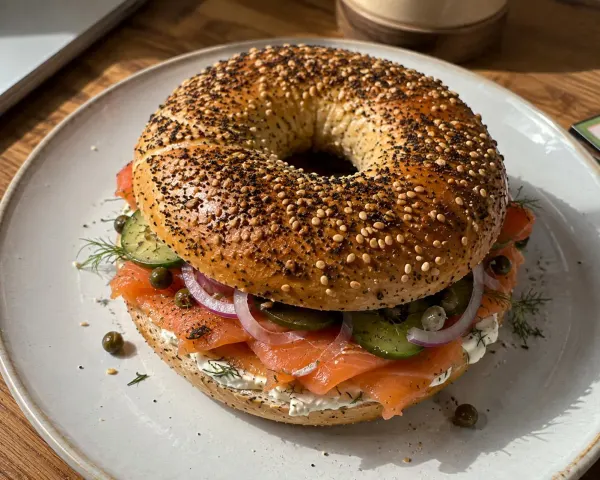
🥯 Healthy Bagels
Chewy, golden bagels made with a blend of bread flour and whole wheat flour, perfect for both sweet and savory toppings.
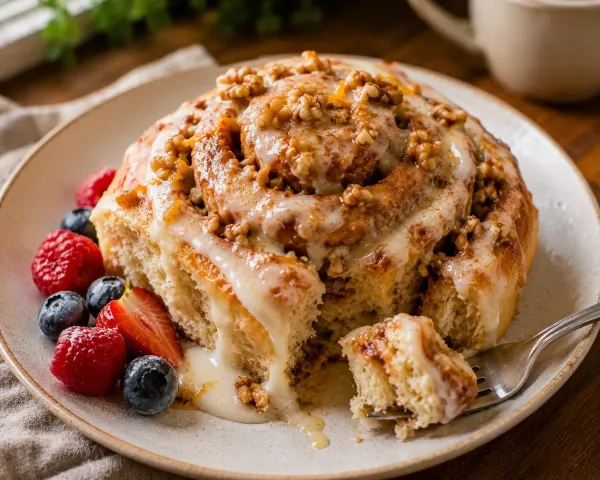
🍞 Healthy Cinnamon Rolls
Soft, fluffy cinnamon rolls with a lightly sweetened cinnamon filling and a creamy Greek yogurt glaze.
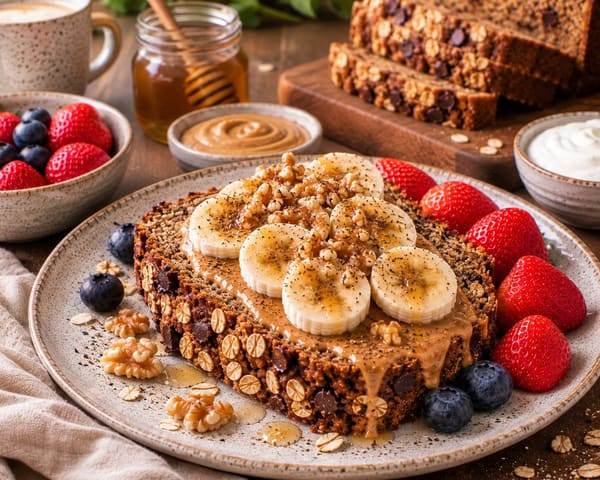
🍌 Healthy Banana Bread
Moist banana bread made with ripe bananas, Greek yogurt, whole wheat flour, and crunchy walnuts for a naturally sweet bakery favorite.