
Omurice
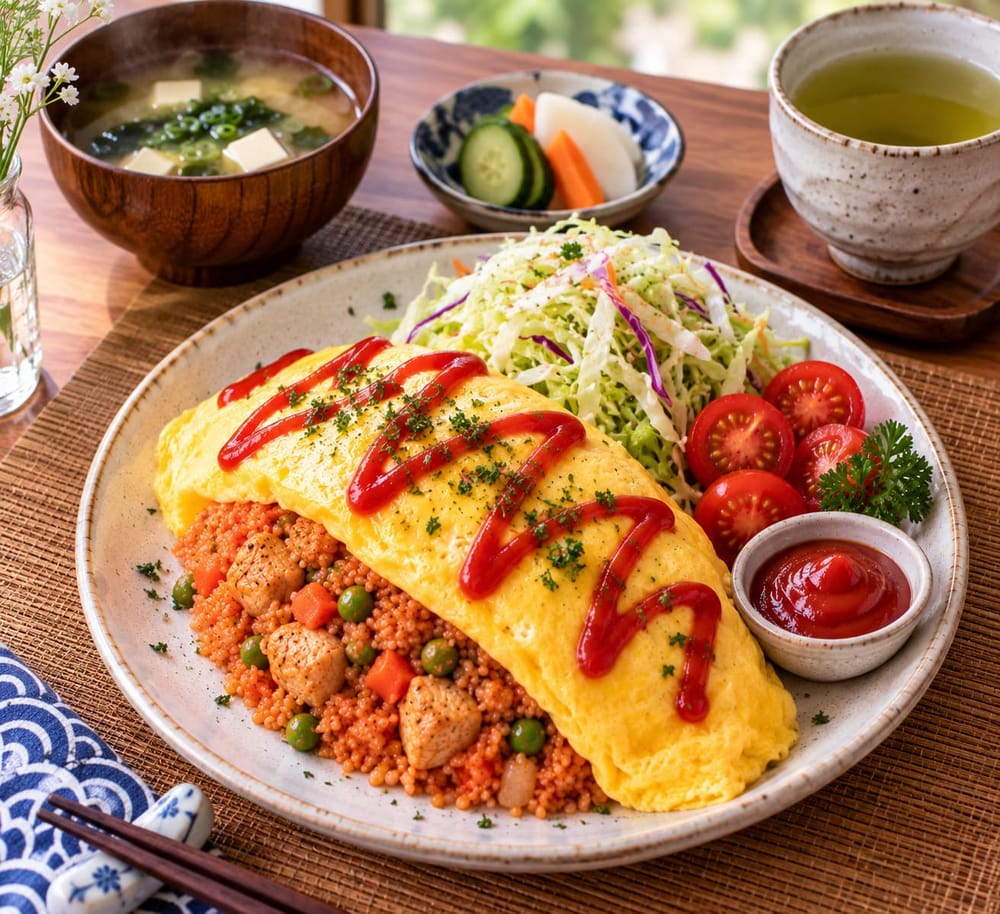
Omurice is one of Japan's most comforting and playful home-style dishes. It combines two beloved elements into one plate: seasoned rice cooked with vegetables and chicken, and a soft, silky omelette draped over the top. The dish is often finished with ketchup, making it both familiar and nostalgic for many people who grew up enjoying Japanese family meals or café-style yoshoku dishes.
Traditional omurice is usually prepared with butter-heavy rice and a generous amount of ketchup, while the omelette may also be cooked with a fairly rich amount of oil. This healthier version keeps the same warm, comforting identity while making a few thoughtful ingredient choices. The rice is cooked with lean chicken breast, onions, carrots, peas, and a tomato-based seasoning that delivers a rich savory flavor without relying on excess oil. Brown rice adds more fiber and a heartier texture, while the omelette is made with eggs and a small amount of Greek yogurt to create a soft, tender finish.
The result is a dish that still feels like classic omurice: colorful, slightly sweet, savory, fluffy, and deeply satisfying. The omelette stays delicate and creamy, the rice is flavorful and aromatic, and the sauce adds that familiar nostalgic touch without overwhelming the dish. It is the kind of meal that feels cozy enough for a weekend lunch but balanced enough to serve as a regular weeknight dinner.
Whether you are making a comforting meal for yourself, a family dinner, or a Japanese-inspired lunch that looks beautiful on the plate, this Healthy Omurice delivers the spirit of the classic dish with a lighter, more balanced ingredient profile.
Recipe Information
| Prep Time | 20 minutes |
| Cook Time | 30 minutes |
| Total Time | 50 minutes |
| Servings | 4 servings |
| Difficulty | Intermediate |
| Calories | ~520 kcal per serving |
Quick Highlights
- ✅ Classic Japanese café-style comfort food
- ✅ Lean chicken and vegetable rice filling
- ✅ Fluffy omelette topping
- ✅ Brown rice for extra fiber
- ✅ Light tomato-ketchup sauce
- ✅ Family-friendly and satisfying
- ✅ Beautiful presentation for lunch or dinner
Ingredients
Makes 4 servings

















Step-by-Step Instructions
Prepare the Filling Ingredients
Start by preparing all the ingredients so the omurice can come together smoothly.
Dice the chicken breast into small bite-sized pieces.
Finely chop the onion and carrot.
Measure out the peas, tomato paste, ketchup, broth, garlic, and seasonings.
Having everything ready before cooking is especially helpful because the rice filling comes together fairly quickly once the pan is hot.

Cook the Chicken and Vegetables
Heat 1 tablespoon of olive oil in a large skillet over medium heat.
Add the onion and carrot and cook for 3–4 minutes until softened.
Add the garlic and diced chicken breast.
Cook for another 5–6 minutes, stirring occasionally, until the chicken is no longer pink and the vegetables are tender.
This builds the savory foundation of the rice filling.

Add the Rice and Seasonings
Add to the skillet:
Cooked brown rice
Peas
Tomato paste
Ketchup
Low-sodium chicken broth
Salt
Black pepper
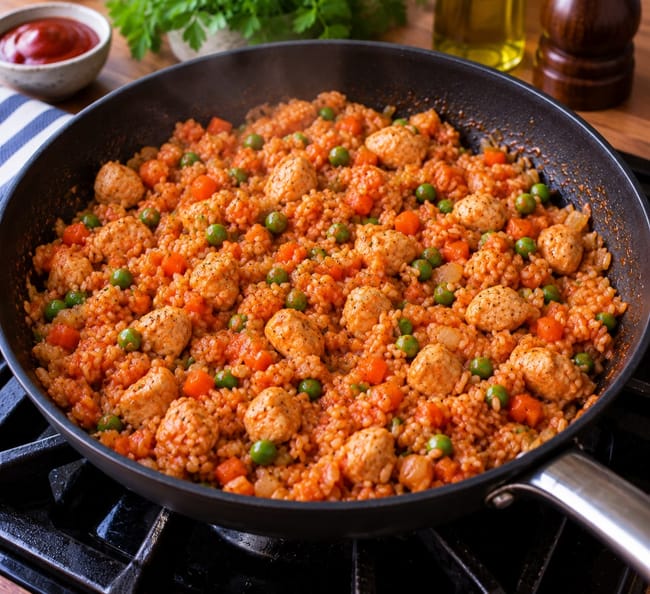
Stir everything together until the rice is evenly coated and the filling turns a glossy reddish color.
Cook for 3–4 minutes, allowing the rice to absorb the sauce and the flavors to blend.
Remove the pan from the heat and set it aside.
Prepare the Omelette Mixture
In a medium bowl, whisk together:
8 eggs
¼ cup Greek yogurt
2 tablespoons milk
A pinch of salt
A pinch of black pepper
Whisk until the mixture is smooth and slightly frothy.
This will help the omelette stay soft and creamy when it is cooked.

Cook the Omelettes
Heat a nonstick skillet over medium-low heat.
Melt a small amount of butter in the pan.
Pour in one quarter of the egg mixture.
Swirl the pan gently so the eggs form a thin, even layer.
Cook until the bottom is set but the top is still slightly soft.
Do not overcook.
The omelette should stay tender enough to fold over the rice.
Repeat for the remaining servings.

Shape the Omurice
Place a mound of the rice filling onto one side of each serving plate.
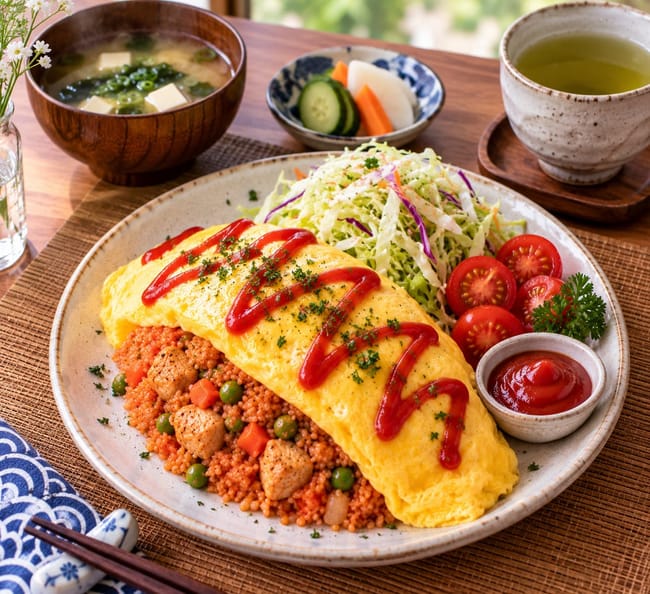
Using a spatula, gently slide one cooked omelette over the rice, draping it across the top.
You can fold the omelette lightly over the rice or leave it softly opened in the center for a more restaurant-style presentation.
The contrast between the glossy eggs and the reddish rice underneath is what gives omurice its signature appeal.

Add the Sauce and Garnish
Drizzle a little extra ketchup over the top of each omelette in a neat zigzag pattern.
Sprinkle with chopped parsley.
Serve with:
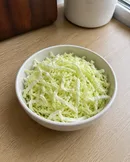
Shredded cabbage
Cherry tomatoes
Extra ketchup on the side
This gives the plate a fresh, café-style finish while adding brightness and crunch.

Serve
Serve the omurice immediately while the omelette is still soft and warm.
For a complete meal, serve with:
Shredded cabbage salad
Cherry tomatoes
Miso soup
Pickled vegetables
Green tea
The fluffy eggs, savory rice, and bright tomato sauce create a comforting Japanese meal that feels both playful and satisfying.
Chef's Tips
Common Mistakes
Why This Recipe Was Designed This Way
Omurice is a classic example of Japanese yoshoku comfort food because it combines Western-inspired scrambled rice flavors with a soft egg omelette in a way that is playful, cozy, and deeply satisfying. Rather than transforming it into something unrecognizable, this version focuses on preserving the dish's signature softness, color, and gentle sweetness while making a few thoughtful improvements.
Brown rice adds fiber and a more substantial texture, lean chicken breast provides high-quality protein, and vegetables like onion, carrot, and peas create body and color in the filling. The omelette remains soft and comforting, but Greek yogurt and a small amount of milk help keep it tender without making it heavy. The result still looks and tastes like omurice, just with a more balanced ingredient profile.
Here's why each ingredient was selected.
🍚 Brown Rice
Brown rice provides the foundation of the dish. It contributes: More fiber than white rice A slightly nutty flavor A satisfying chewy texture Better balance with the rich egg topping 🍗 Lean Chicken Breast Chicken breast gives the filling protein and a mild savory flavor. It helps make the dish more filling while keeping the overall fat content lower than richer meat options.
🥚 Eggs and Greek Yogurt
The omelette is the visual and textural star of omurice. Eggs create the soft, silky top layer, while a little Greek yogurt keeps the texture tender and adds a gentle creamy finish.
🧅 Vegetables in the Rice
Onion, carrot, and peas bring sweetness, color, and texture. They make the rice look bright and homestyle while contributing vitamins, fiber, and natural flavor.
🍅 Ketchup and Tomato Paste
These ingredients give omurice its classic café-style flavor. Tomato paste adds depth, while ketchup adds the nostalgic sweet-tangy note the dish is known for.
🥬 Cabbage and Cherry Tomatoes
Fresh sides help balance the richness of the eggs and rice. They give the plate crunch, acidity, and visual freshness, which makes the whole dish feel lighter.
Ingredient Swaps
Need to customize this Healthy Omurice? These substitutions preserve the comforting Japanese flavor while adapting the recipe to different preferences.
| Instead of... | Try... |
|---|---|
| Brown rice | Short-grain white rice or quinoa |
| Chicken breast | Ground turkey or diced tofu |
| Greek yogurt | Plain skyr |
| Ketchup | Reduced-sugar ketchup |
| Chicken broth | Vegetable broth |
| Peas | Corn kernels |
| Carrot | Bell pepper |
| Cabbage | Mixed greens |
| Parsley | Chives |
| Butter | Olive oil |
What Research Says
The ingredients in this recipe were selected because they reflect common principles in balanced dietary patterns that emphasize lean protein, whole grains, vegetables, and moderate amounts of fat. The information below summarizes current nutrition research and is intended for educational purposes only.
🍚 Brown Rice
Brown rice retains its bran and germ, making it richer in fiber and minerals than polished white rice.
- Whole grain source of fiber.
- Provides magnesium and B vitamins.
- Helps create a more balanced rice base.
🍗 Lean Chicken Breast
Chicken breast is a lean source of complete protein and contains relatively little saturated fat.
- Excellent source of complete protein.
- Naturally lower in saturated fat than many meats.
- Supports satiety and muscle maintenance.
🥚 Eggs
Eggs provide high-quality protein and essential nutrients such as choline, vitamin B12, and selenium.
- High biological value protein.
- Naturally rich in choline.
- Useful in balanced meals.
🥕 Vegetables
Onion, carrot, peas, and cabbage contribute fiber, vitamins, minerals, and color.
- Increase vegetable intake.
- Add fiber and volume.
- Support overall meal variety.
🍅 Tomato-Based Seasoning
Tomato paste and ketchup contribute acidity, umami, and color that help create omurice's signature taste.
- Adds flavor and color.
- Tomato products can support more complex sauces.
- Best used in moderation when aiming for balanced meals.
🫒 Olive Oil
Olive oil contributes predominantly monounsaturated fats and is commonly included in balanced cooking.
- Rich in monounsaturated fats.
- Common in Mediterranean-style cooking.
- Helps with sautéing and flavor development.
Estimated Nutrition
Per serving
*Estimated using moderate salt and low-sodium broth.
Storage & Reheating
Omurice is best enjoyed fresh, but the filling stores well and can make meal prep easier.
Refrigerating
Store the rice filling separately in an airtight container for up to 4 days.
Cook the omelette fresh whenever possible for the best texture.
Keep cabbage and tomatoes separate until serving.
Freezing
The rice filling freezes well for up to 2 months.
The omelette is best made fresh and is not recommended for freezing.
The following ingredients are not recommended for freezing:
Cooked eggs
Cabbage
Cherry tomatoes
Reheating
Stovetop (Recommended): Warm the rice filling in a skillet over medium-low heat with a small splash of broth or water. Make the omelette fresh just before serving.
Microwave: Reheat the rice in short intervals, stirring in between. Prepare the omelette separately in a clean pan.
Oven: Warm the rice filling in a covered dish at 325°F (160°C) until heated through.
Meal Prep Tips
Omurice can be prepared in parts for an easy weekday meal.
For best results:
Cook the rice filling ahead of time.
Store the filling separately from the eggs.
Whisk the egg mixture just before cooking.
Keep the cabbage and tomatoes fresh and chilled.
Assemble the plate right before eating so the eggs stay soft.
You can also turn the dish into an Omurice Bento by packing the rice filling, the omelette, and the fresh vegetables in separate compartments.
Serving Suggestions
These Healthy Omurice plates pair beautifully with classic Japanese sides.
Miso Soup: A light miso soup adds warmth and complements the savory tomato rice.
Japanese Cucumber Salad: Crisp cucumber with rice vinegar and sesame seeds brings a refreshing contrast.
Pickled Vegetables: Quick pickles add acidity and help balance the sweetness of the ketchup sauce.
Steamed Edamame: Lightly salted edamame provides an easy protein-rich side.
Green Tea: A cup of hot green tea finishes the meal with a clean, calming note.
Frequently Asked Questions
Can I use white rice instead of brown rice?
Yes. White rice is traditional in many omurice recipes. Brown rice simply adds more fiber and a heartier texture.
Can I make omurice without chicken?
Absolutely. You can use mushrooms, tofu, or simply more vegetables for a vegetarian version.
Can I cook the eggs like a thin omelette?
Yes. A thin omelette works perfectly and gives the dish a classic café-style appearance.
Can I make the filling ahead of time?
Yes. The rice filling can be cooked a day or two in advance and reheated before serving.
Can I use mayonnaise in the omelette?
It is not necessary here. Greek yogurt and milk keep the omelette tender while staying lighter.
Why is ketchup so important in omurice?
Ketchup is one of the defining flavors of omurice and gives the dish its sweet-savory nostalgic taste.
Can I add mushrooms?
Definitely. Mushrooms work very well in the rice filling and add more umami.
Can children enjoy this recipe?
Yes. Its soft texture and mild sweet-savory flavor make it very family-friendly.
Can I serve it with sauce on top instead of a folded omelette?
Of course. Some people prefer the omelette opened over the rice so the sauce can be poured on top.
Is this suitable for bento boxes?
Yes. The rice filling and omelette can be packed separately for a beautiful omurice lunch box.
Related Recipes
If you enjoyed this Healthy Omurice, you may also like these recipes from our Japanese Favorites collection.
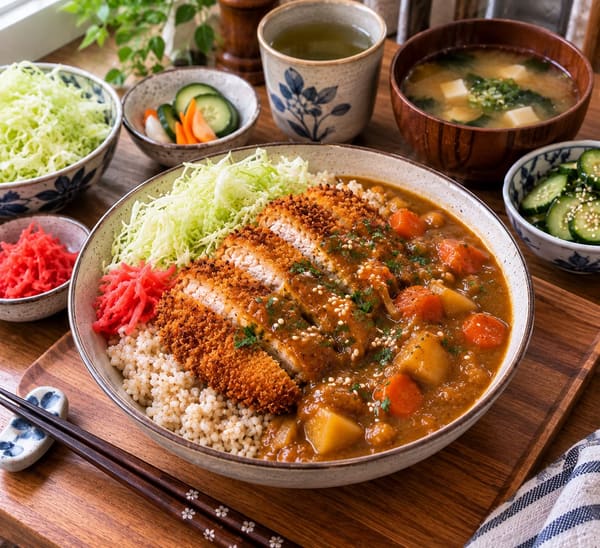
🍛 Healthy Chicken Katsu Curry
Crispy baked chicken katsu served over brown rice with a silky Japanese curry sauce, cabbage, and pickled ginger.
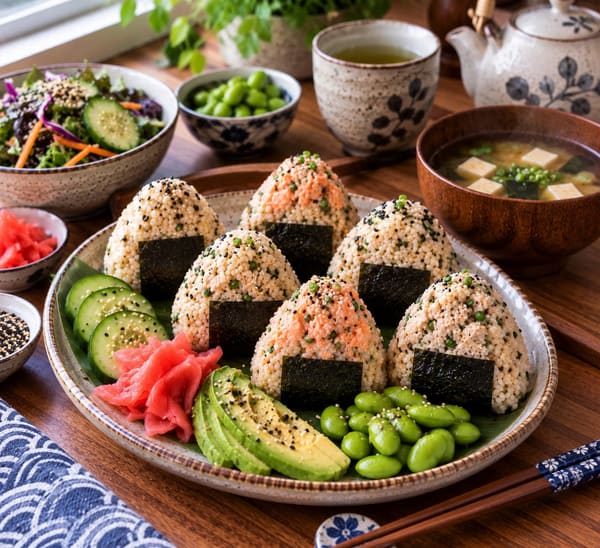
🍙 Healthy Onigiri
Japanese rice balls filled with salmon, tuna, or chicken and wrapped in nori for a simple portable meal.

🍓 Healthy Japanese Soufflé Pancakes
Soft, airy Japanese-style pancakes made with a lighter batter and served with fresh fruit and yogurt.