
Onigiri

Onigiri are one of Japan's most beloved everyday foods. Simple, portable, and comforting, they are made from seasoned rice shaped by hand and often filled with salmon, tuna, pickled plum, or other flavorful ingredients. In Japan, they are a familiar part of lunches, picnics, convenience store meals, and homemade bento boxes. Their charm comes from their simplicity: soft rice, a savory filling, and the clean salty flavor of nori wrapping everything together.
Traditional onigiri are already relatively simple, but many versions use polished white rice and fillings that can be high in sodium or overly processed. This healthier version keeps the same classic spirit while making a few thoughtful ingredient choices. Short-grain brown rice adds more fiber and a slightly nuttier flavor, while the fillings use lean protein sources like salmon, tuna, or chicken. Instead of heavy sauces, each filling is seasoned with modest amounts of Greek yogurt, light mayonnaise, sesame, or miso to preserve moisture and flavor without making the rice balls heavy.
The result is a beautiful, satisfying food that still feels authentically Japanese. The rice stays tender and pleasantly sticky, the fillings are savory and flavorful, and the nori adds the familiar ocean-like finish that makes onigiri so recognizable. Whether shaped into triangles, rounds, or the classic cushion form, these rice balls are easy to pack, easy to eat, and ideal for lunchboxes or meal prep.
Whether you are preparing a quick breakfast, a bento lunch, or a light Japanese-inspired snack, this Healthy Onigiri brings together simplicity, portability, and balanced ingredients in a way that feels both traditional and fresh.
Recipe Information
| Prep Time | 25 minutes |
| Cook Time | 30 minutes |
| Total Time | 55 minutes |
| Servings | 6 onigiri |
| Difficulty | Easy |
| Calories | ~210 kcal per onigiri |
Quick Highlights
- ✅ Classic Japanese rice balls
- ✅ Whole grain brown rice base
- ✅ Lean protein fillings
- ✅ Portable and lunchbox-friendly
- ✅ Wrapped with nori for authentic flavor
- ✅ Great for meal prep
- ✅ Naturally simple and satisfying
Ingredients
Makes 6 Onigiri













Step-by-Step Instructions
Cook and Season the Rice
Start with the rice while it is still warm.
If needed, cook the brown rice according to the package directions and allow it to cool slightly.
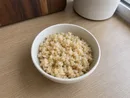
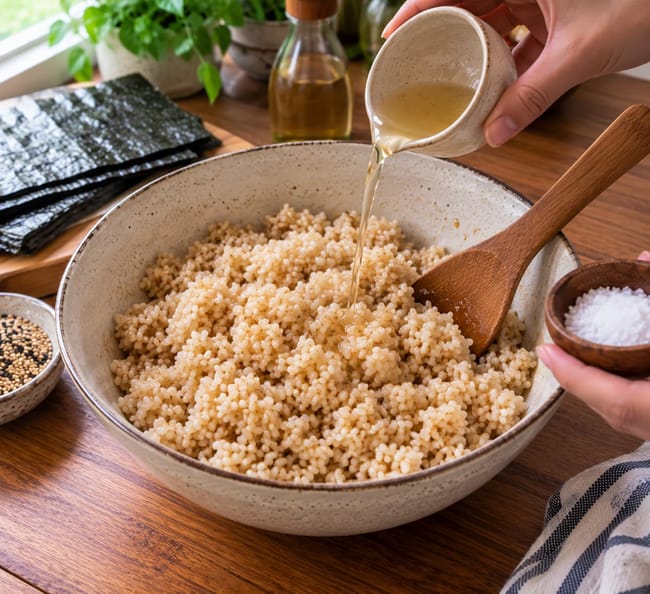
Transfer the warm rice to a large bowl and gently fold in:
Rice vinegar
Sea salt
Mix carefully so the grains are seasoned evenly without becoming mashed.
The rice should be warm enough to shape but cool enough to handle comfortably.
Prepare the Salmon Filling
Preheat the oven to 400°F (200°C).
Place the salmon fillet on a lined baking tray and season lightly with salt and pepper.
Bake for 12–15 minutes, or until the salmon flakes easily.
Allow it to cool slightly, then flake it into small pieces.
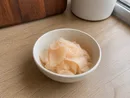
In a bowl, mix the salmon with:
Greek yogurt
Lemon juice
A small splash of soy sauce
Chopped chives
This creates a creamy, flavorful filling that stays moist without becoming heavy.

Prepare the Tuna Filling
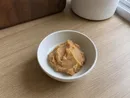
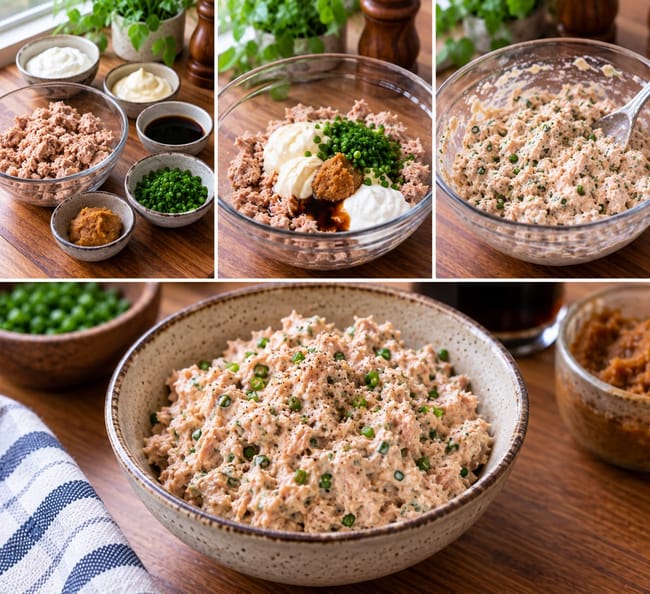
In a second bowl, combine:
Drained canned tuna
Greek yogurt
Light mayonnaise
Soy sauce
Miso paste
Chopped chives
Mix until the filling is creamy but still slightly textured.
This filling is simple, savory, and easy to pack into lunchboxes.
Prepare the Chicken Filling
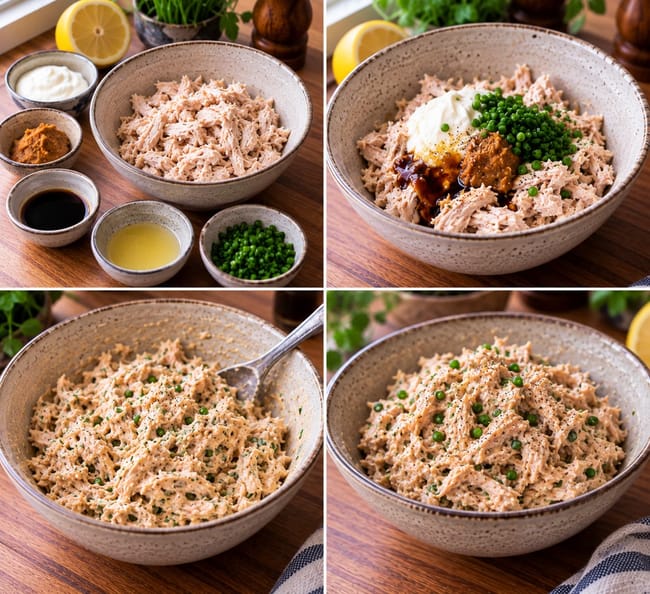
In a third bowl, combine:
Shredded cooked chicken breast
Miso paste
Soy sauce
A small spoonful of Greek yogurt
Lemon juice
Chives
Mix until the chicken is lightly coated and flavorful.
This filling gives the onigiri a savory, protein-rich option with a slightly more substantial texture.
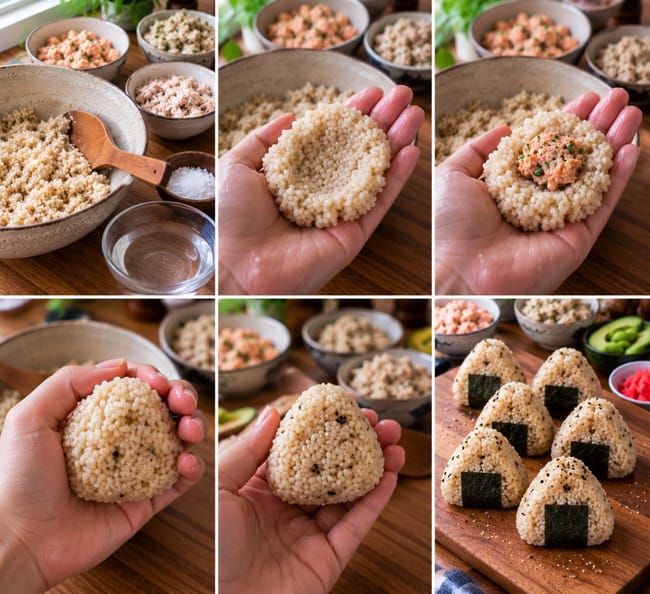
Shape the Onigiri
Wet your hands lightly with water and sprinkle a little salt onto your palms.
Take a portion of rice and flatten it gently in your hand.
Place a small amount of filling in the center.
Cover with more rice and shape into a triangle, oval, or round ball.
Repeat with the remaining rice and fillings until you have 6 onigiri.
Keep the rice firm enough to hold together but not packed too tightly.
Wrap with Nori
Once shaped, wrap a strip of nori around the base or side of each onigiri.
You can also wrap them halfway for the classic lunchbox look.
If desired, sprinkle sesame seeds over the rice or lightly press them onto the outer surface.
The nori adds flavor, texture, and a traditional Japanese presentation.

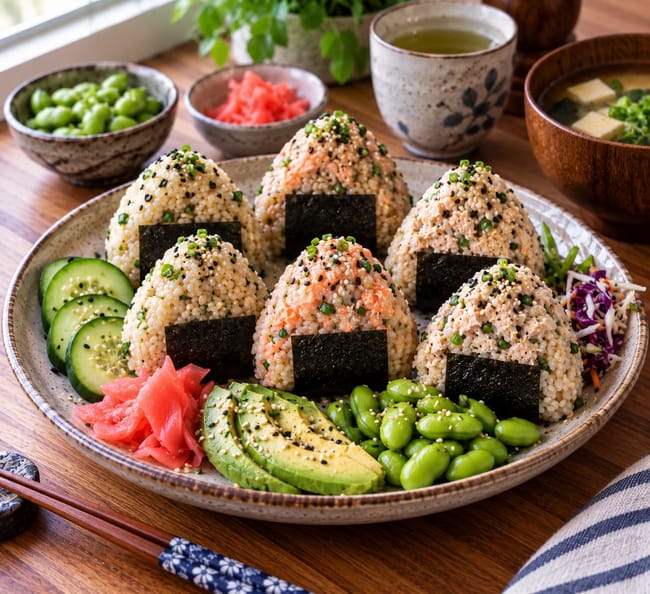
Arrange the Plate
Arrange the onigiri on a serving plate or in a lunchbox.
Add:
Pickled ginger
Cucumber slices
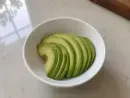
Avocado
Edamame
Chives
Sesame seeds
This makes the meal look more complete and adds freshness and color.
The plate should feel simple, bright, and balanced.
Serve
Serve the Healthy Onigiri immediately or pack them for later.
They are perfect for:
Lunchboxes
Picnics
Quick breakfasts
Light dinners
On-the-go snacks
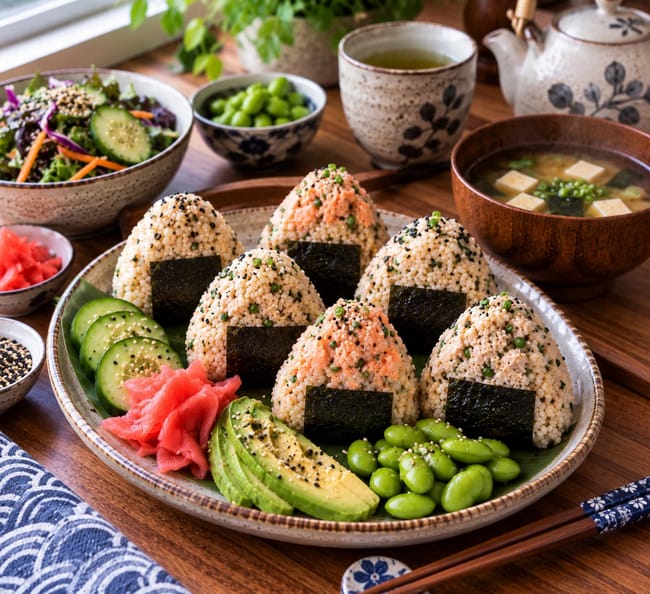
Serve with green tea, miso soup, or a small side salad for a complete Japanese-inspired meal.
Chef's Tips
Common Mistakes
Why This Recipe Was Designed This Way
Onigiri are one of Japan's simplest and most practical foods, which is part of their beauty. They are portable, comforting, and endlessly adaptable. Rather than changing that identity, this recipe focuses on preserving the essential character of onigiri while improving the nutritional balance through a few thoughtful ingredient choices.
Short-grain brown rice adds more fiber and a slightly nutty flavor, while the fillings rely on lean proteins such as salmon, tuna, and chicken. Greek yogurt and small amounts of light mayonnaise help create creamy fillings without making them heavy. The nori, sesame seeds, and lightly seasoned rice keep the dish traditional and recognizable.
Here's why each ingredient was selected.
🍚 Brown Rice
Brown rice is used as the base because it provides the sticky structure needed to shape onigiri while adding more fiber than white rice. Its texture is slightly heartier, making the rice balls more satisfying and meal-prep friendly.
🐟 Salmon and Tuna
Salmon and tuna are classic Japanese onigiri fillings. They provide lean protein and rich flavor while keeping the rice balls portable and satisfying.
🍗 Chicken Filling
Chicken gives the recipe another lean protein option that works well with Japanese seasonings like miso, soy, and lemon. It creates a filling that feels light but still substantial.
🥣 Greek Yogurt and Light Mayonnaise
A small amount of Greek yogurt and light mayonnaise helps the fillings stay moist and creamy without becoming overly rich. This keeps the onigiri enjoyable while using a more balanced ingredient profile.
🌿 Nori and Sesame Seeds
Nori and sesame seeds bring the traditional Japanese flavor and visual style that make onigiri instantly recognizable. They add aroma, texture, and a classic lunchbox finish.
🥒 Fresh Sides
Cucumber, avocado, pickled ginger, and edamame add freshness, color, and contrast. They help turn a simple rice ball into a more complete meal while keeping the presentation light and beautiful.
Ingredient Swaps
Need to customize these Healthy Onigiri? These substitutions preserve the portable Japanese character while adapting the recipe to different preferences.
| Instead of... | Try... |
|---|---|
| Brown rice | Short-grain white rice |
| Salmon | Smoked mackerel or cooked shrimp |
| Tuna | Crumbled tofu or shredded chicken |
| Chicken breast | Turkey breast |
| Greek yogurt | Plain skyr |
| Light mayonnaise | Hummus or mashed avocado |
| Nori | Sesame seeds only, or omit |
| Pickled ginger | Quick-pickled cucumber |
| Chives | Green onions |
| Soy sauce | Low-sodium tamari |
What Research Says
The ingredients in this recipe were selected because they reflect many principles commonly found in balanced dietary patterns emphasizing whole grains, lean protein, vegetables, and moderate fats. The information below summarizes current nutrition research and is intended for educational purposes only.
🍚 Brown Rice
Brown rice retains its bran and germ, which naturally increases its fiber and mineral content compared with polished white rice.
- Whole grain source of dietary fiber.
- Provides magnesium and B vitamins.
- More filling than refined rice.
🐟 Fish
Salmon and tuna provide high-quality protein and important nutrients while remaining relatively lean when prepared without heavy oils.
- Excellent source of complete protein.
- Salmon provides omega-3 fats.
- Supports balanced portable meals.
🍗 Chicken Breast
Chicken breast is a lean source of complete protein with relatively low saturated fat.
- High-quality protein source.
- Naturally lean.
- Works well in balanced meals.
🌿 Nori and Sesame
Nori and sesame seeds add flavor, texture, and small amounts of minerals and healthy fats.
- Add taste without heavy sauces.
- Provide useful minerals and texture.
- Common in Japanese-style meals.
🥒 Vegetables and Fresh Sides
Cucumber, avocado, edamame, and pickled ginger contribute freshness, color, and dietary variety.
- Increase vegetable intake.
- Add fiber and freshness.
- Improve the balance of the meal.
Estimated Nutrition
Per serving
*Estimated values may vary depending on filling choice and nori amount.
Storage & Reheating
Onigiri are one of the best foods for meal prep because they are portable and hold together well when stored correctly.
Refrigerating
Store the onigiri in an airtight container for up to 2 days.
If possible, keep the nori separate and wrap it just before eating.
For the best texture, let the rice balls return to room temperature slightly before serving.
Freezing
Onigiri freeze well without the nori.
Wrap each rice ball individually and freeze for up to 1 month.
Thaw in the refrigerator or at room temperature before eating.
The following ingredients are not recommended for freezing:
Nori
Cucumber
Avocado
Pickled ginger
These should be added fresh.
Reheating
Microwave: Wrap the onigiri in a slightly damp paper towel and heat in short intervals until just warm.
Room Temperature: Many people enjoy onigiri at room temperature, especially for lunch boxes and picnics.
Meal Prep Tips
Onigiri are perfect for easy make-ahead meals.
For best results:
Cook the rice in advance and allow it to cool slightly before shaping.
Prepare the fillings the day before.
Shape the rice balls and store them separately from the nori.
Pack them into lunch containers with edamame, cucumber, and pickled ginger.
Wrap the nori just before eating if you want it crisp.
You can also create an Onigiri Bento by packing the rice balls with vegetables, fruit, and a small protein side.
Serving Suggestions
These Healthy Onigiri pair beautifully with classic Japanese sides.
Miso Soup: A warm bowl of miso soup adds comfort and balances the cool, portable nature of the rice balls.
Edamame: Steamed edamame gives the meal extra protein and a vibrant green color.
Cucumber Salad: A quick cucumber salad with rice vinegar and sesame seeds adds freshness and crunch.
Pickled Vegetables: A small side of pickles adds brightness and contrast to the soft rice.
Green Tea: Green tea is the most natural beverage pairing for onigiri and keeps the meal light and refreshing.
Frequently Asked Questions
Can I use white rice instead of brown rice?
Yes. White short-grain rice is the most traditional choice and will create a softer, more classic texture.
Can I make onigiri without fish?
Absolutely. Chicken, tuna, or even vegetables can be used as fillings.
Why does the rice need to be sticky?
Sticky rice helps the onigiri hold its shape and makes it easier to eat by hand.
Can I pack these for lunch?
Yes. Onigiri are ideal for lunchboxes and travel well when stored properly.
Can I make them spicy?
You can add a little chili paste or spicy mayo to the filling for a modern variation.
Can children enjoy these?
Yes. Their mild flavor and portable size make them very family-friendly.
Can I use nori sheets around the whole rice ball?
Yes. That is a very common style, especially for packed lunches.
Can I serve them warm?
They can be eaten warm, room temperature, or slightly chilled depending on preference.
Can I make them vegetarian?
Definitely. Use avocado, mashed edamame, tofu, or seasoned mushrooms as filling.
Can I make them the night before?
Yes. For best texture, store them properly and add the nori later if you want it crisp.
Related Recipes
If you enjoyed these Healthy Onigiri, you may also like these recipes from our Japanese Favorites collection.
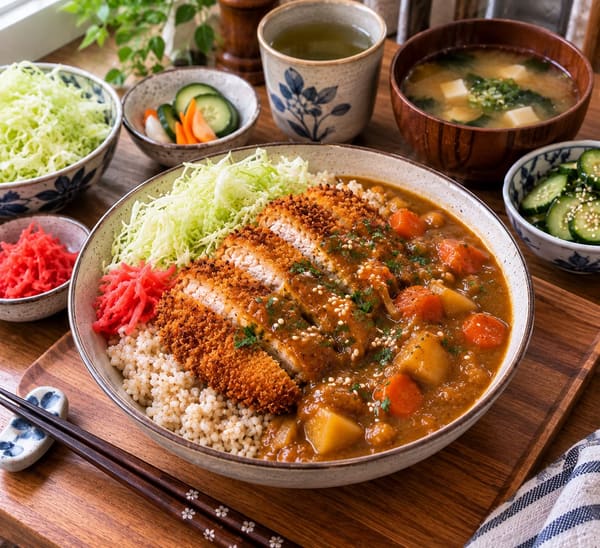
🍛 Healthy Chicken Katsu Curry
Crispy baked chicken katsu served over brown rice with a silky Japanese curry sauce, cabbage, and pickled ginger.
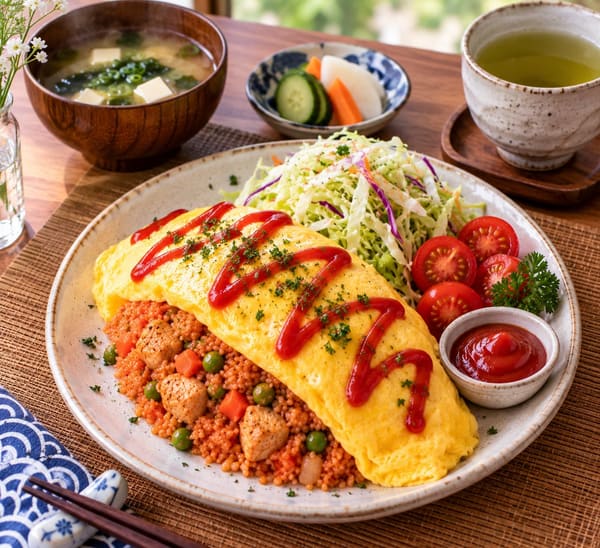
🍱 Healthy Omurice
Fluffy Japanese omelet rice with savory chicken tomato rice and a light ketchup drizzle for a comforting café-style meal.

🍓 Healthy Japanese Soufflé Pancakes
Soft, airy Japanese-style pancakes made with a lighter batter and served with fresh fruit and yogurt.