
Balanced Lasagna
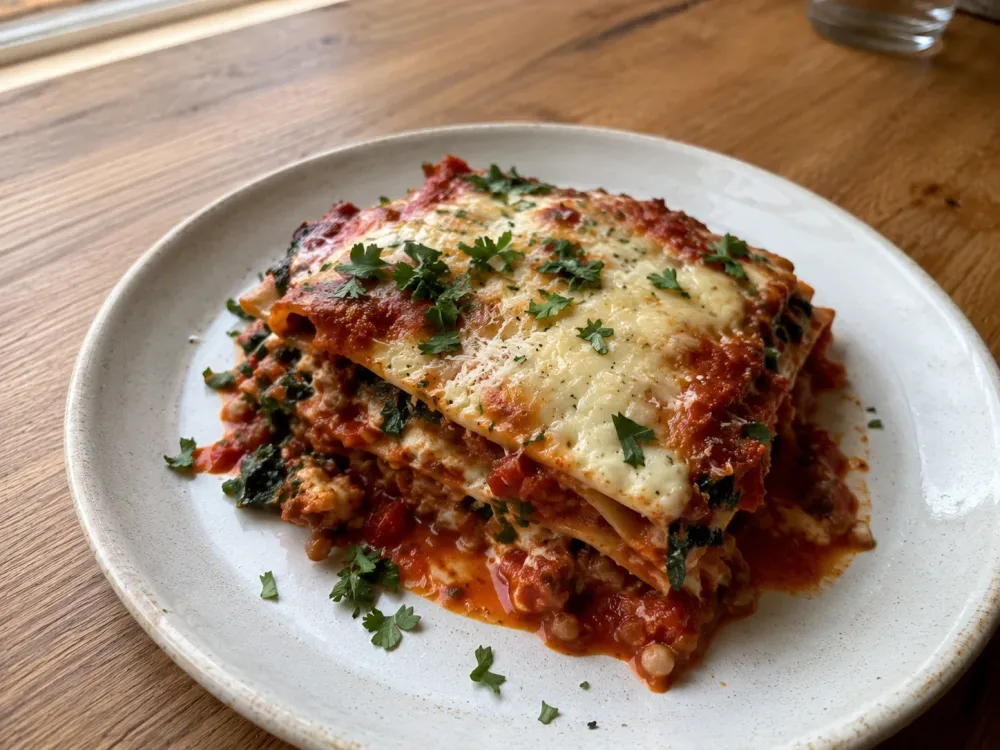
Lasagna is the ultimate comfort food. Rich layers of pasta, a slow-simmered tomato sauce, creamy cheese, and
a bubbling golden top make it a favorite at family dinners around the world. Many people assume it's off the
menu when trying to follow a more heart-conscious eating pattern — but it doesn't have to be.
This version stays true to everything that makes lasagna so satisfying while making a handful of thoughtful
ingredient choices. Lean ground turkey and fiber-rich lentils replace a portion of the traditional
higher-fat meat, whole wheat pasta adds texture and whole-grain goodness, and a combination of reduced-fat
ricotta and part-skim mozzarella creates the creamy, cheesy layers everyone expects.
The result is a hearty, deeply flavorful lasagna that doesn't feel like a compromise. Slow-cooked tomatoes,
garlic, onions, herbs, and a generous amount of vegetables create a rich Bolognese-style filling that tastes
as though it has been simmering all afternoon. Whether you're cooking for a family gathering, preparing
meals for the week, or simply craving a comforting Italian classic, this recipe delivers all the warmth and
satisfaction of traditional lasagna while fitting comfortably into a balanced eating pattern.
Recipe Information
| Prep Time | 30 minutes |
| Cook Time | 55 minutes |
| Total Time | 1 hour 25 minutes |
| Servings | 8 generous portions |
| Difficulty | Medium |
| Calories | ~415 kcal per serving |
Quick Highlights
- ✅ Rich homemade Bolognese-style sauce
- ✅ Whole wheat lasagna sheets
- ✅ Lean turkey and lentils
- ✅ Creamy reduced-fat cheese layers
- ✅ Family-friendly comfort food
- ✅ Perfect for meal prep
- ✅ Freezer-friendly
Ingredients
Makes one 9 × 13-inch (23 × 33 cm) lasagna, serving approximately 8 people.



















Step-by-Step Instructions
Build the Flavor Base
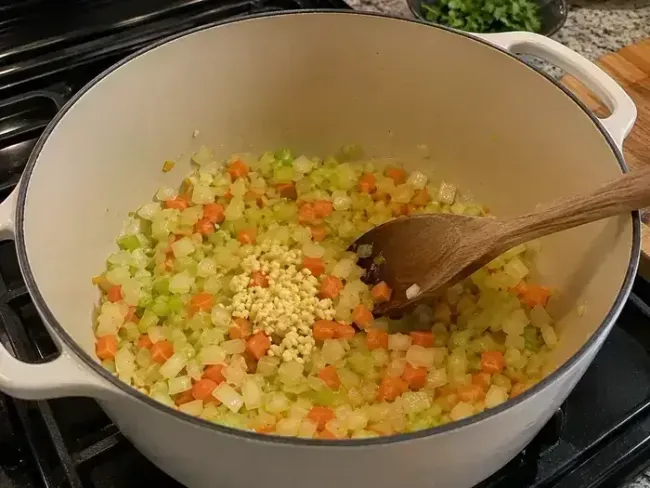
A great lasagna begins long before the first layer of pasta. The foundation of flavor is built by slowly cooking aromatic vegetables until they become soft, sweet, and fragrant.
Heat 2 tablespoons extra virgin olive oil in a large Dutch oven or heavy-bottomed pot over medium heat. Add 1 diced yellow onion, 2 finely diced carrots, and 2 finely diced celery stalks. Cook for 8–10 minutes, stirring occasionally, until the vegetables become tender without browning.
Add the 4 minced garlic cloves and cook for another 30–60 seconds, just until fragrant.
Prepare the Turkey & Lentil Bolognese
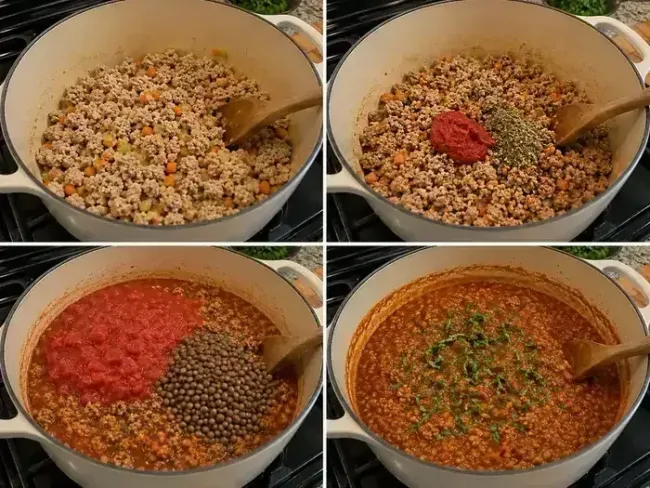
Add the lean ground turkey to the pot. Break it into small pieces using a wooden spoon. Cook for 6–8 minutes, stirring frequently, until no pink remains.
Stir in the tomato paste, Italian seasoning, and black pepper. Cook for another 2 minutes to lightly caramelize the tomato paste.
Next, add the crushed San Marzano tomatoes, cooked brown lentils, and low-sodium vegetable broth. Bring everything to a gentle simmer, reduce the heat to low, and partially cover the pot. Allow the sauce to simmer for 25–30 minutes, stirring occasionally. During the final 5 minutes, stir in the chopped fresh basil.
Prepare the Ricotta Layer
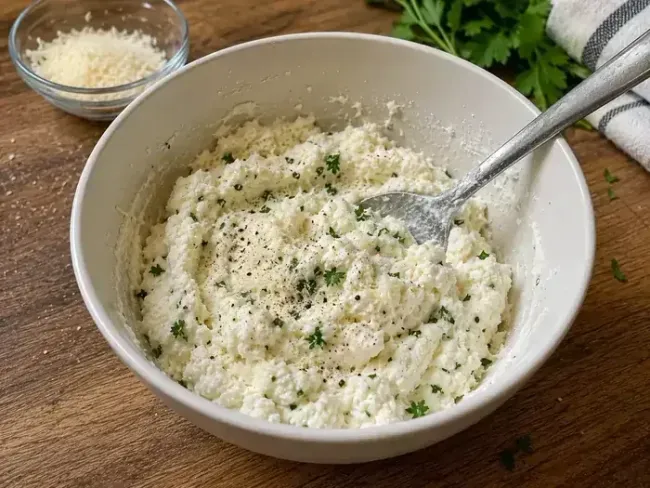
While the sauce simmers, prepare the creamy cheese filling. In a medium bowl combine the reduced-fat ricotta, half of the grated Parmesan, and a pinch of black pepper. Mix until smooth. If desired, fold in a tablespoon of chopped parsley for additional freshness. Set aside.
Prepare the Baking Dish
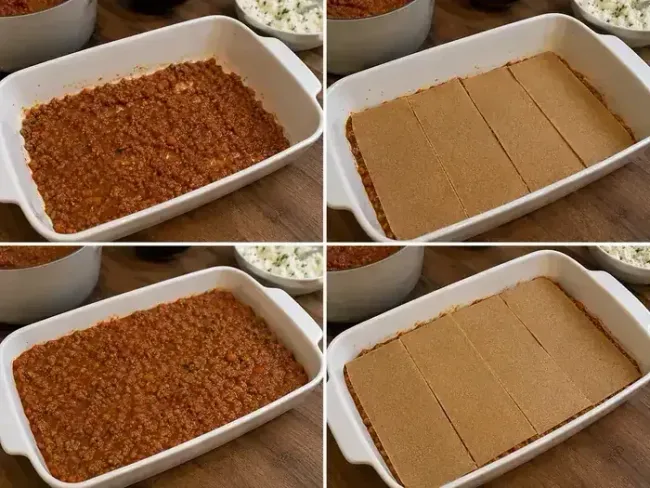
Preheat your oven to 375°F (190°C). Lightly coat the bottom of a 9 × 13-inch (23 × 33 cm) baking dish with a thin layer of the Bolognese sauce — this prevents the first pasta layer from sticking during baking. Arrange the first layer of whole wheat lasagna sheets over the sauce.
Assemble the Lasagna
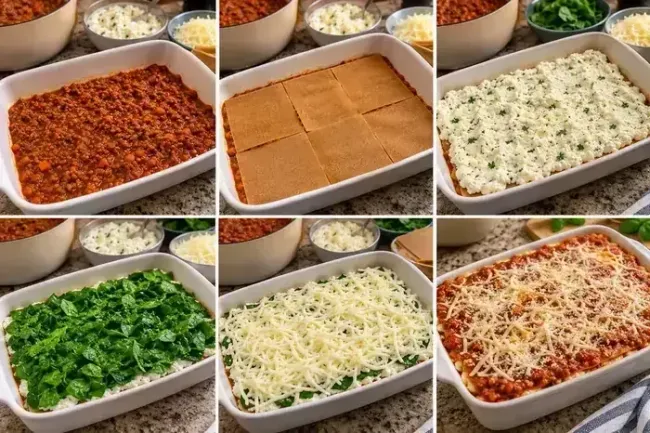
Continue layering in the following order: Bolognese sauce, whole wheat pasta, ricotta mixture, fresh spinach, and part-skim mozzarella. Repeat until all ingredients are used.
Finish with the remaining Bolognese sauce, remaining mozzarella, and remaining Parmesan cheese. The top should be evenly covered but not overloaded with cheese.
Bake
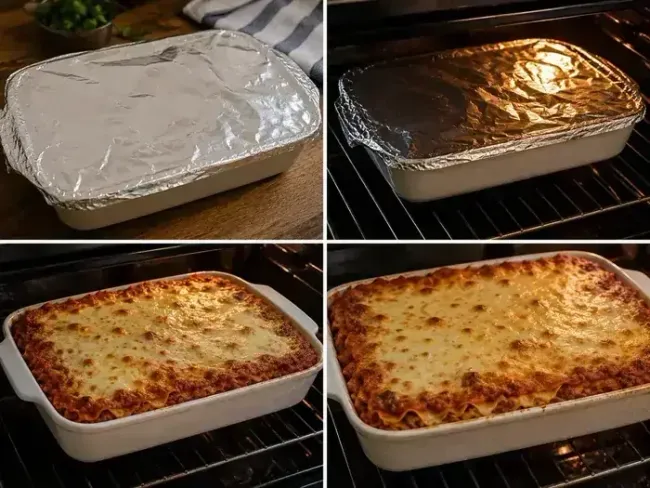
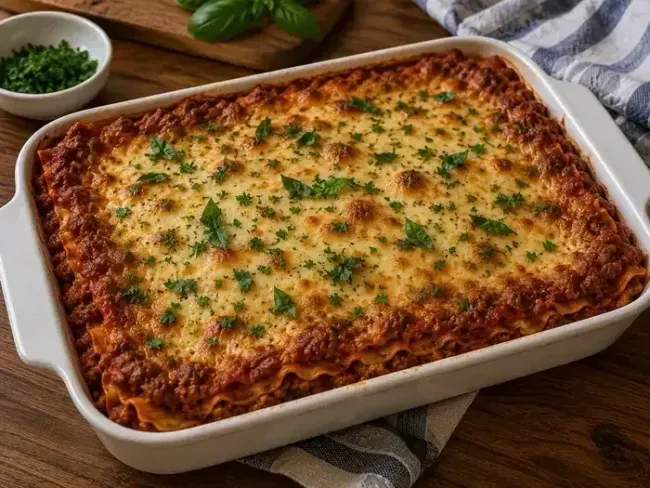
Cover the baking dish loosely with aluminum foil. Bake for 35 minutes. Remove the foil and continue baking for another 15–20 minutes, until the cheese is bubbling and lightly golden around the edges. The sauce should be gently bubbling around the sides of the dish.
Rest Before Slicing
Remove the lasagna from the oven. Allow it to rest for 15 minutes before slicing. Although it may be tempting to serve immediately, resting allows the layers to firm up slightly, making cleaner slices and helping the filling stay together. Garnish with chopped parsley and fresh basil if desired.
Serve
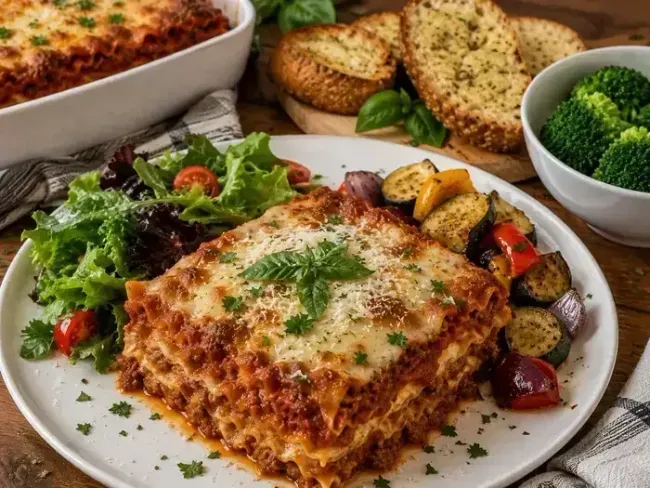
Serve warm with a crisp green salad, roasted vegetables, steamed broccoli, or whole grain garlic bread (optional). Fresh basil leaves and a light sprinkle of Parmesan provide an elegant finishing touch.
Chef's Tips
Common Mistakes
Why This Recipe Was Designed This Way
Traditional lasagna is loved for its rich meat sauce, creamy cheese layers, and bubbling golden top. Rather
than removing those defining characteristics, this recipe focuses on thoughtful ingredient choices that
preserve the classic experience while better aligning with dietary patterns that emphasize vegetables, whole
grains, legumes, lean proteins, and unsaturated fats.
The goal was never to create a "light" lasagna. The goal was to create a lasagna that still feels indulgent,
generous, and satisfying — one that you'd proudly serve at a family dinner without anyone realizing it's been
thoughtfully rebuilt from the inside out. Here's the thinking behind each major ingredient.
🦃 Lean Turkey Creates a Rich Meat Sauce with Less Saturated Fat
Classic lasagna often relies on higher-fat ground beef or a mixture of beef and pork. This version uses 93–99% lean ground turkey, which develops a wonderfully savory flavor when slowly cooked with onions, garlic, carrots, celery, herbs, and tomatoes. The turkey absorbs the flavors of the Bolognese beautifully while contributing less saturated fat than many traditional meat blends. Rather than trying to imitate beef, the recipe celebrates turkey's lighter flavor and lets the vegetables and herbs take center stage.
🌱 Lentils Add Body, Texture, and Fiber
One of the smartest changes in this recipe is adding cooked brown lentils to the sauce. Because they're similar in size to crumbled meat, they blend naturally into the Bolognese without dramatically changing its texture. Lentils contribute plant-based protein, dietary fiber, minerals such as iron and folate, and a pleasantly hearty texture. Many people won't even notice they're there — but they'll appreciate how rich and satisfying the sauce feels.
🌾 Whole Wheat Lasagna Sheets
Whole wheat pasta has improved tremendously over the years. Modern whole wheat lasagna sheets have excellent structure, pleasant chew, mild nutty flavor, and a better ability to hold thick sauces. Using whole wheat pasta also increases the fiber content of the finished meal compared with refined pasta.
🍅 Tomatoes Build Flavor Naturally
The heart of every good lasagna is its tomato sauce. Slow simmering crushed tomatoes with garlic, onion, herbs, and tomato paste creates natural sweetness and complexity without relying on excessive sugar or heavy cream. The tomatoes also provide the bright acidity that balances the richness of the cheeses.
🧀 Reduced-Fat Ricotta and Part-Skim Mozzarella
Cheese is essential to lasagna. Instead of removing it, this recipe simply adjusts the proportions and varieties used. Reduced-fat ricotta creates creamy layers while part-skim mozzarella provides the classic stretchy, golden finish people expect. A smaller amount of Parmesan adds concentrated flavor, meaning a little goes a long way.
🥬 Spinach Adds Vegetables Without Changing the Character of the Dish
Fresh spinach gently wilts between the layers as the lasagna bakes. It blends naturally into the filling and adds color, texture, and extra vegetables without making the dish feel like a vegetable casserole. Even people who usually avoid spinach often enjoy it in lasagna because its flavor becomes very mild.
Ingredient Swaps
Need to adapt the recipe? These substitutions work well while keeping the spirit of the dish intact.
| Instead of... | Try... |
|---|---|
| Lean ground turkey | 95% lean ground chicken |
| Brown lentils | Green lentils (well cooked) |
| Whole wheat lasagna sheets | Whole grain lasagna sheets |
| Reduced-fat ricotta | Reduced-fat cottage cheese (blended until smooth) |
| Part-skim mozzarella | Reduced-fat provolone |
| Baby spinach | Finely chopped kale (lightly sautéed first) |
| Parmesan | Pecorino Romano (use sparingly) |
| Vegetable broth | Low-sodium chicken broth |
What Research Says
The ingredients in this recipe were selected because they are commonly included in eating patterns
associated with cardiovascular health. The information below summarizes research on individual foods and
dietary patterns. It is intended for educational purposes only and should not be interpreted as medical
advice.
🌾 Whole Grains
Whole grains retain the bran and germ, providing dietary fiber along with naturally occurring vitamins, minerals, and plant compounds. Large prospective studies have consistently found that people who regularly consume whole grains as part of an overall balanced diet tend to experience better cardiovascular outcomes than those who consume mostly refined grains.
Reference: Aune D, et al. Whole grain consumption and risk of cardiovascular disease, cancer, and all cause mortality. BMJ, 2016.🌱 Lentils
Lentils are among the most nutrient-dense legumes, providing plant protein, dietary fiber, iron, potassium, and folate. Replacing part of the meat with legumes is a practical strategy encouraged in many eating patterns because it increases fiber while reducing reliance on higher-fat animal proteins.
Reference: Canadian Cardiovascular Society Nutrition Position Statement.🍅 Tomatoes
Tomatoes are naturally rich in lycopene, a carotenoid widely studied for its antioxidant properties. Cooking tomatoes with a small amount of olive oil improves lycopene absorption.
Reference: Cheng HM, et al. Atherosclerosis, 2017.🫒 Extra Virgin Olive Oil
Extra virgin olive oil is rich in monounsaturated fats and naturally occurring polyphenols. It serves as the primary cooking fat throughout this recipe instead of butter.
Reference: Estruch R, et al. Primary Prevention of Cardiovascular Disease with a Mediterranean Diet. New England Journal of Medicine.🦃 Lean Turkey
Lean turkey is an excellent source of complete protein while contributing less saturated fat than many traditional higher-fat meat mixtures. Its mild flavor allows herbs, garlic, and tomatoes to become more prominent, creating a deeply flavorful sauce without relying on excess fat.
Reference: American Heart Association. Dietary guidance on lean protein choices.🧀 Reduced-Fat Dairy
Reduced-fat ricotta and part-skim mozzarella help preserve the creamy texture that defines lasagna while lowering saturated fat compared with full-fat versions. Using flavorful cheeses in moderate amounts is often more satisfying than removing cheese altogether.
Reference: U.S. Dietary Guidelines for Americans.Estimated Nutrition
Per serving (1 of 8 portions)
*Estimated using reduced-sodium ingredients where possible. Nutritional values are estimates based on standard ingredient databases. Actual values will vary depending on the specific brands, ingredient substitutions, and preparation methods used.
Storage & Reheating
One of the reasons lasagna is such a beloved comfort food is that it often tastes just as delicious the next day. As the sauce, herbs, and cheeses rest together, the flavors continue to develop, making leftovers exceptionally satisfying. For the best texture and food quality, allow the lasagna to cool slightly before storing and keep it refrigerated promptly.
Refrigerating
Allow the lasagna to cool for 20–30 minutes after serving. Transfer leftovers to an airtight container or cover the baking dish tightly. Store in the refrigerator for up to 4 days. For the best texture, reheat only the portion you plan to eat rather than repeatedly warming the entire dish.
Freezing
This lasagna freezes exceptionally well. To freeze individual portions, slice the cooled lasagna and wrap each portion tightly in parchment paper followed by aluminum foil, or place in freezer-safe airtight containers. Freeze for up to 3 months. To freeze the entire lasagna unbaked, wrap the baking dish tightly with plastic wrap followed by aluminum foil and label with the preparation date. When ready to cook, thaw overnight in the refrigerator before baking according to the recipe instructions.
Reheating
Oven (recommended): Preheat to 350°F (175°C). Place the lasagna in an oven-safe dish, cover loosely with foil, and bake for 20–25 minutes, or until heated throughout. Remove the foil during the last 5 minutes for a lightly golden cheese top.
Microwave: Place one serving on a microwave-safe plate, cover loosely, and heat on medium power for 2–3 minutes, checking halfway through. Let it stand for 1 minute before serving.
Air fryer: Place an individual portion into an air fryer-safe dish and heat at 325°F (160°C) for 7–9 minutes, checking periodically. This method helps restore a lightly crisp cheese topping.
Meal Prep Tips
This recipe is excellent for weekly meal preparation because it reheats beautifully and maintains its texture. Prepare the Bolognese sauce up to 2 days ahead, mix the ricotta filling the day before, chop the vegetables in advance, and assemble the lasagna the night before baking. Portion leftovers into individual containers for grab-and-go lunches. If serving guests, the lasagna can be fully assembled several hours before baking and refrigerated until needed.
Serving Suggestions
Lasagna is satisfying on its own, but a few carefully chosen side dishes can round out the meal beautifully.
Simple arugula salad: Peppery arugula tossed with cherry tomatoes, cucumber, lemon juice, and extra virgin olive oil provides a refreshing contrast to the rich layers of the lasagna.
Roasted broccoli: Roasted broccoli develops crisp edges and a mild sweetness that pairs wonderfully with tomato-based dishes.
Garlic green beans: Lightly sautéed green beans with garlic and a drizzle of olive oil add freshness without overpowering the meal.
Roasted Brussels sprouts: Their caramelized flavor complements the savory tomato sauce and melted cheese.
Fresh fruit: Finish the meal with fresh berries, sliced melon, grapes, or citrus fruit for a naturally refreshing dessert.
Frequently Asked Questions
Can I prepare this lasagna ahead of time?
Yes. Assemble the entire lasagna, cover it tightly, and refrigerate for up to 24 hours before baking.
Can I use oven-ready lasagna noodles?
Yes. Follow the package instructions, and make sure the sauce has enough moisture to properly hydrate the pasta during baking.
Can I make this recipe vegetarian?
Absolutely. Replace the turkey with additional lentils, mushrooms, walnuts, or a combination of vegetables while keeping the rest of the recipe the same.
Will the lentils change the flavor?
Not significantly. They blend naturally into the Bolognese and mainly add texture and heartiness.
Can I use frozen spinach?
Yes. Thaw completely and squeeze out as much liquid as possible before adding it to the layers, to help prevent a watery lasagna.
Why should I let the lasagna rest before cutting?
Resting allows the cheese and sauce to settle, making the slices easier to serve and helping the layers hold together.
Can I substitute cottage cheese for ricotta?
Yes. Blended reduced-fat cottage cheese creates a smooth texture similar to ricotta and works very well in this recipe.
How can I make the sauce richer without adding cream?
Allow it to simmer a little longer. Slow cooking naturally concentrates the tomato flavor while the onions, carrots, celery, and herbs create additional depth.
Is this recipe suitable for meal prep?
Yes. It stores, freezes, and reheats exceptionally well, making it a practical choice for preparing several meals at once.
Can children enjoy this lasagna?
Yes. Its familiar flavors, creamy texture, and mild seasoning make it a family-friendly meal that can easily be adapted to individual preferences.
Related Recipes
Continue exploring more comforting classics rebuilt with thoughtful ingredient choices.
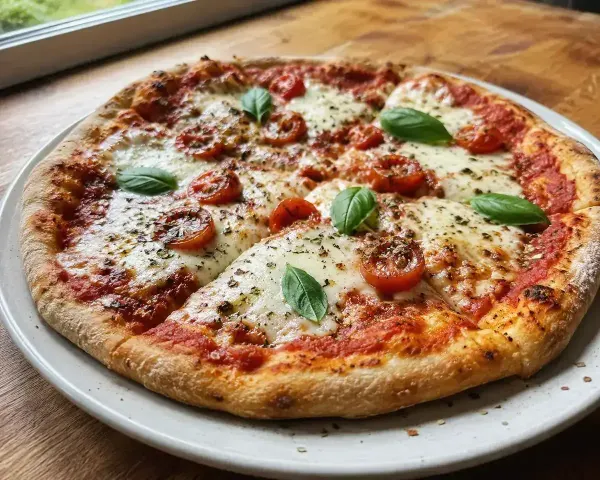
🍕 Balanced Margherita Pizza
A crisp whole wheat crust topped with rich tomato sauce, part-skim mozzarella, fragrant basil, and extra virgin olive oil.
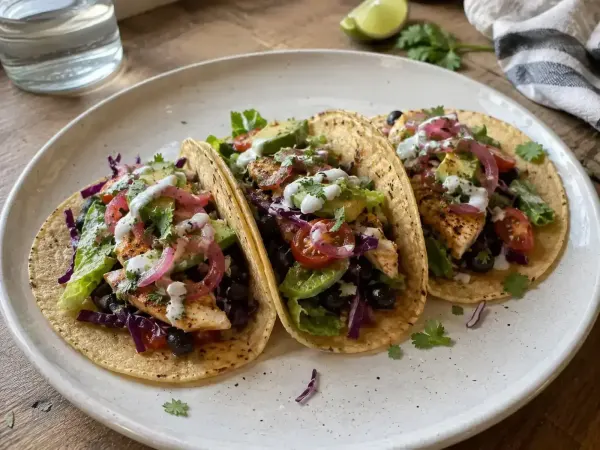
🌮 Balanced Chicken Tacos
Grilled chicken, avocado, black beans, crunchy vegetables, and a fresh yogurt-lime sauce tucked into warm corn tortillas.