
Protein-Rich Lobster Mac and Cheese
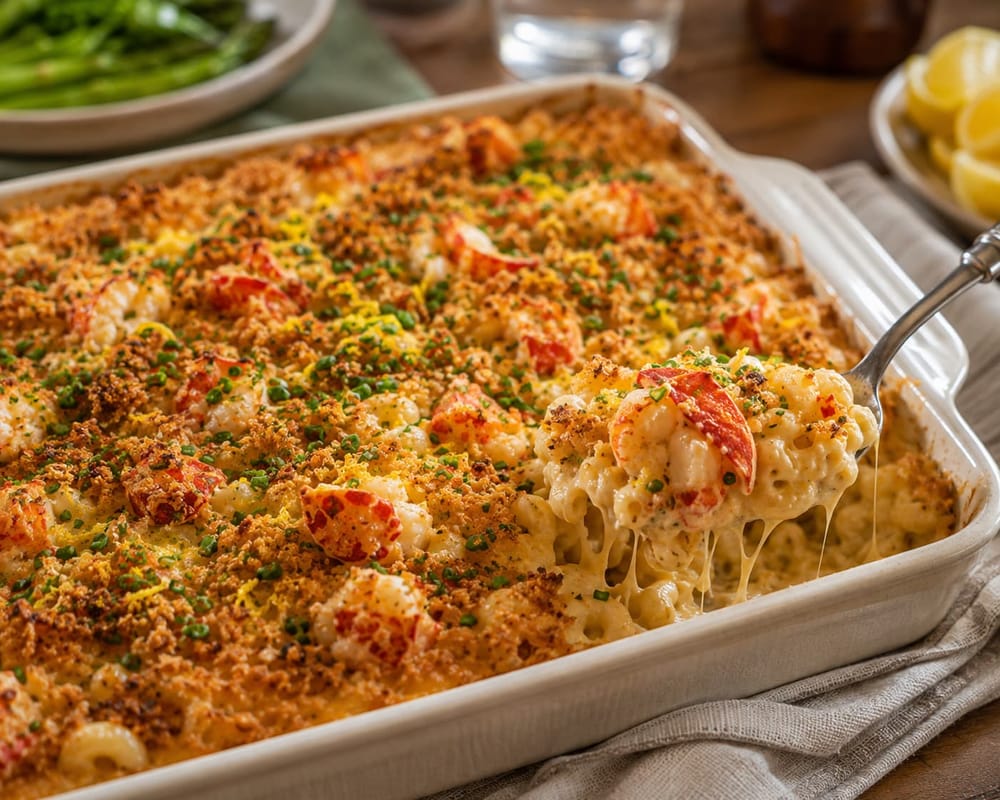
Everything people love about classic Lobster Mac and Cheese — tender lobster, perfectly cooked pasta, rich creamy cheese sauce, bubbling golden crust, and irresistible comfort-food appeal — thoughtfully reimagined with high-protein pasta, Greek yogurt, carefully selected aged cheeses, extra-virgin olive oil, whole-grain breadcrumbs, and premium lobster. The result delivers the same luxurious texture and indulgent flavor while incorporating ingredients naturally rich in high-quality protein, calcium, selenium, iodine, vitamin B12, and other nutrients that contribute to a more balanced nutritional profile.
Lobster Mac and Cheese has become one of the most celebrated comfort dishes in modern American cuisine. Found in upscale seafood restaurants, luxury steakhouses, and fine dining establishments, it transforms a humble bowl of macaroni and cheese into an elegant centerpiece worthy of special occasions.
The dish combines tender chunks of sweet lobster with perfectly cooked pasta coated in an exceptionally smooth cheese sauce before being finished under high heat until the top develops a beautifully crisp golden crust. Every bite balances creamy richness with delicate seafood sweetness, making it one of the most satisfying baked pasta dishes in contemporary cuisine.
Traditional Lobster Mac and Cheese, however, often depends on generous amounts of butter, heavy cream, multiple full-fat cheeses, refined white pasta, and buttery breadcrumbs. While undeniably delicious, these ingredients can create a meal exceptionally rich in saturated fat and refined carbohydrates.
This Protein-Rich Lobster Mac and Cheese preserves everything people admire about the original while thoughtfully rebuilding each component with carefully selected ingredients. High-protein pasta provides additional protein and fiber, Greek yogurt replaces much of the heavy cream while maintaining remarkable creaminess, aged cheeses deliver bold flavor using smaller quantities, and premium lobster contributes naturally lean protein together with valuable minerals including selenium and iodine.
Recipe Information
| Prep Time | 35 minutes |
| Cook Time | 35 minutes |
| Total Time | 1 hour 10 minutes |
| Servings | 6 |
| Difficulty | Intermediate |
| Calories | ~510 kcal per serving |
Quick Highlights
Ingredients
Makes one 9 × 13-inch (23 × 33 cm) baking dish (6 generous servings).










Step-by-Step Instructions
Cook the Pasta
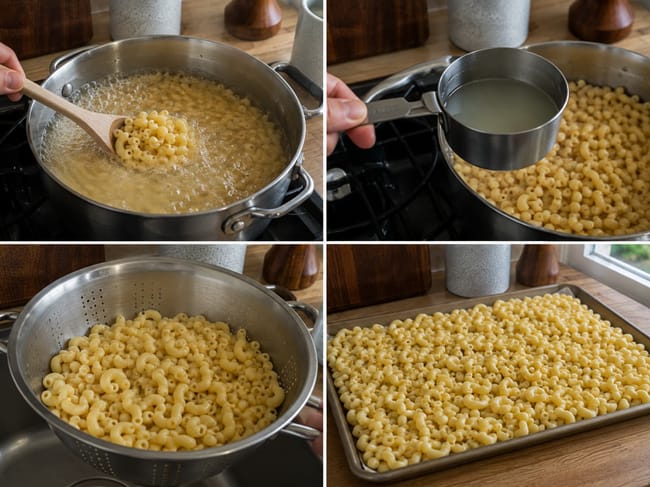
Bring a large pot of generously salted water to a rolling boil. Add the high-protein pasta and cook until 1–2 minutes less than al dente, since it will continue cooking in the oven.
Before draining, reserve about 1 cup (240 ml) of the pasta cooking water. Drain the pasta thoroughly without rinsing it, then spread it onto a large baking tray to release excess steam.
Prepare the Creamy Cheese Sauce
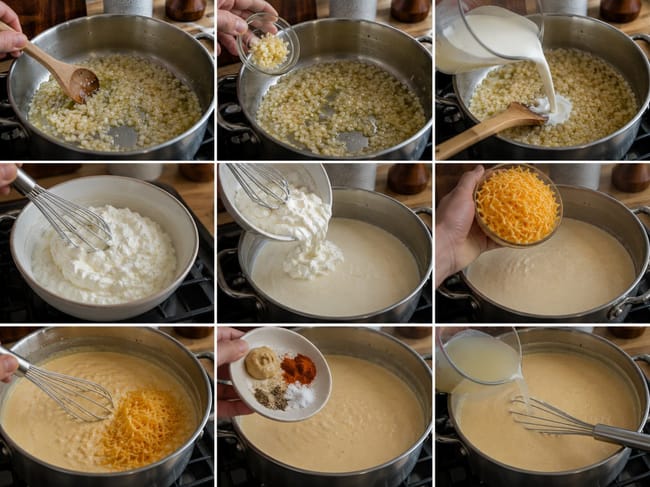
Heat the olive oil in a large saucepan, add the shallot, and cook 3–4 minutes until soft. Stir in the garlic and cook 30 seconds. Reduce heat to low and pour in the milk, whisking gently until warmed.
In a separate bowl, blend the Greek yogurt and cottage cheese until creamy, then gradually whisk this into the warm milk. Add the grated cheddar and Gruyère one handful at a time, whisking until each addition melts completely.
Stir in the Dijon mustard, smoked paprika, black pepper, and sea salt. If the sauce becomes too thick, stir in a few tablespoons of reserved pasta water.
Fold in the Lobster
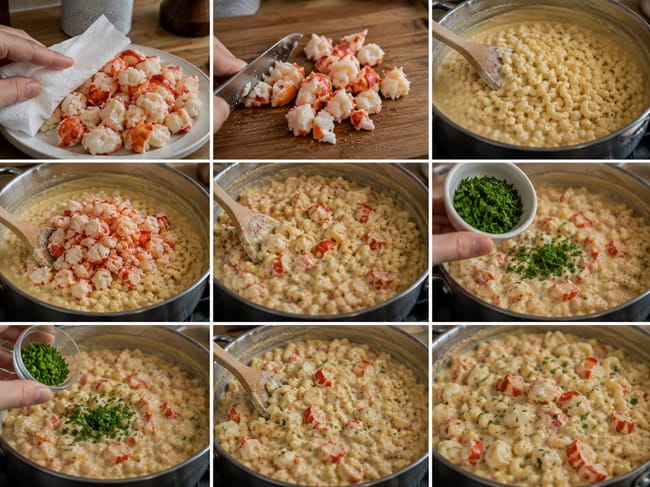
Pat the cooked lobster meat dry, then cut any particularly large pieces into bite-sized chunks while leaving several larger pieces intact.
Add the cooked pasta to the cheese sauce and gently fold until coated. Carefully fold in about three-quarters of the lobster meat, reserving the rest for the top. Add the parsley and half of the chives, folding gently.
Assemble the Casserole
Preheat the oven to 200°C (400°F) and lightly grease a 9 × 13-inch (23 × 33 cm) baking dish. Transfer the lobster macaroni mixture into the dish, spreading it evenly.
Arrange the reserved lobster pieces attractively across the top. Sprinkle the panko breadcrumbs evenly over the surface, followed by a light scattering of the remaining cheddar. Finish with a small drizzle of olive oil.
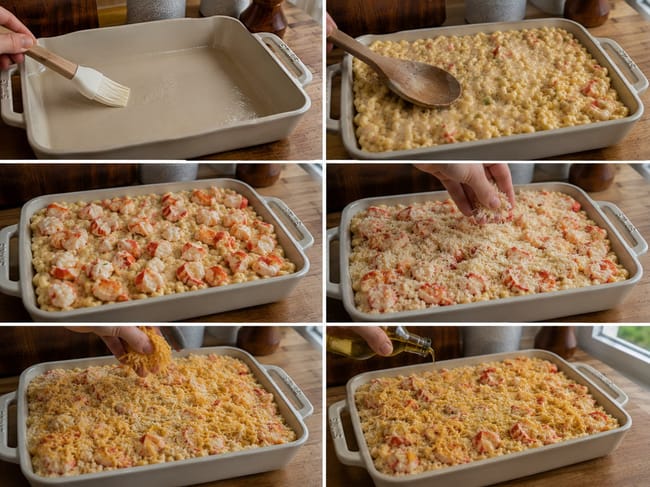
Bake Until Golden and Bubbling
Place the baking dish on the center rack and bake for 22–28 minutes, or until the cheese sauce is bubbling around the edges and the breadcrumb topping is rich golden-brown.
For an even crispier finish, switch to broil for the final 2–3 minutes, watching carefully as breadcrumbs can brown quickly.

Rest Before Serving
Remove the baking dish from the oven and let it rest for 8–10 minutes before serving. This allows the cheese sauce to thicken slightly, making each portion easier to serve while remaining wonderfully creamy.
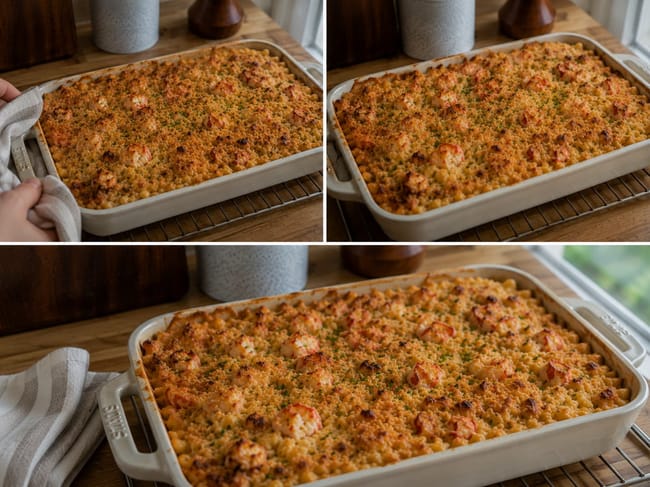
Finish Like a Luxury Seafood Restaurant
Just before serving, sprinkle the remaining chives and a small amount of parsley evenly across the surface. If using, lightly scatter the lemon zest over the lobster pieces.
Serve generous portions in warm shallow bowls or wide dinner plates. Pair with roasted asparagus, steamed broccolini, or a crisp green salad.
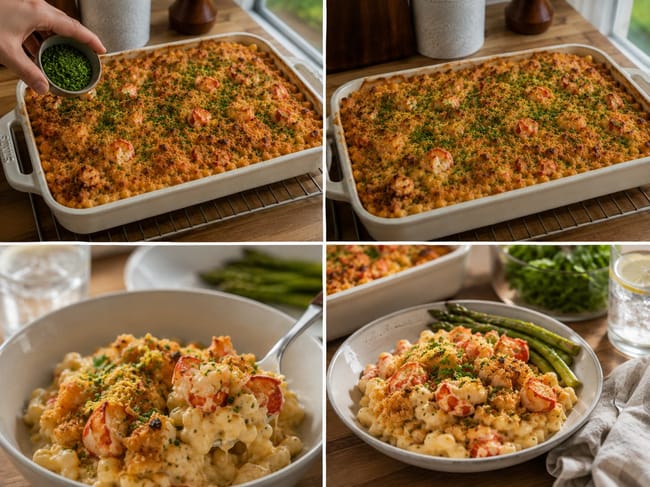
Chef's Tips
Common Mistakes
Why This Recipe Was Designed This Way
This Protein-Rich Lobster Mac and Cheese demonstrates that one of America's most indulgent comfort foods can remain exceptionally creamy, luxurious, and deeply satisfying while being thoughtfully rebuilt with ingredients that provide more high-quality protein, more calcium, more fiber, and a healthier balance of fats than many traditional versions. Rather than removing everything that makes Lobster Mac and Cheese so irresistible, this recipe carefully preserves its silky cheese sauce, perfectly cooked pasta, sweet lobster, and crisp golden topping while incorporating high-protein pasta, cultured dairy, premium seafood, whole grains, and wholesome fats. Every ingredient serves both a culinary purpose and a nutritional one.
Here's the science behind each major ingredient.
🦞 Lobster
Lobster naturally supplies complete protein together with selenium, iodine, phosphorus, copper, zinc, and vitamin B12 while remaining relatively low in saturated fat. Selenium contributes to normal sperm production and helps protect cells from oxidative stress, while zinc contributes to the maintenance of normal testosterone levels in the blood.
🍝 High-Protein Pasta
High-protein pasta preserves the comforting texture of traditional macaroni while contributing additional protein and dietary fiber, helping create a more balanced version of this classic comfort food.
🥣 Greek Yogurt
Greek yogurt replaces much of the heavy cream without sacrificing the silky texture expected from premium macaroni and cheese, naturally providing complete protein, calcium, and phosphorus.
🧀 Reduced-Fat Cheddar, Gruyère & Cottage Cheese
The combination of sharp cheddar and Gruyère creates remarkable depth of flavor while allowing smaller quantities of cheese to deliver outstanding richness. Blended cottage cheese becomes almost invisible within the sauce while dramatically increasing its protein content.
🫒 Extra-Virgin Olive Oil
Olive oil replaces much of the butter commonly found in traditional macaroni and cheese. It is naturally rich in monounsaturated fats together with polyphenols widely studied within Mediterranean-style eating patterns.
🌾 Whole-Grain Breadcrumbs
Whole-grain panko creates the signature crisp topping while contributing additional dietary fiber compared with traditional refined breadcrumbs.
🍋 Garlic, Shallots & Lemon Zest
Garlic and shallots form the aromatic foundation of the cheese sauce, while a small amount of freshly grated lemon zest brightens the creamy sauce and enhances the lobster's natural sweetness.
Ingredient Swaps
Need to adapt the recipe? These substitutions maintain the character of the dish.
| Instead of... | Try... |
|---|---|
| Lobster | Large shrimp, crab meat, or scallops |
| High-protein pasta | Gluten-free pasta (use gluten-free breadcrumbs too) |
| Gruyère | Fontina or Swiss cheese |
| Whole milk | 2% milk for a slightly lighter sauce |
| Whole-grain panko | Standard panko or crushed whole-grain crackers |
What Research Says
Using a reduced-fat cheese blend and a modest amount of cream in the sauce keeps this indulgent dish’s saturated fat more moderate while the lobster itself contributes lean protein and B vitamins.
Estimated Nutrition
Per serving
Includes naturally occurring sugars from dairy ingredients. Nutrition values are estimates calculated from standard ingredient databases. Actual values will vary depending on ingredient brands and portion sizes.
Storage & Reheating
Store any leftover Lobster Mac and Cheese in an airtight container in the refrigerator for up to 3 days. Allow it to cool completely before refrigerating to preserve both the creamy sauce and the crisp breadcrumb topping. For the best texture, reheat individual portions in a 180°C (350°F) oven for approximately 10–15 minutes. Oven reheating better restores the crisp topping than the microwave.
Refrigerating
Freezing
The assembled casserole may be frozen before baking for up to 2 months. Wrap the baking dish tightly with plastic wrap followed by aluminum foil. Thaw overnight in the refrigerator before baking according to the recipe instructions. Cooked leftovers may also be frozen for up to 1 month, although the cheese sauce may become slightly less creamy after thawing.
Reheating
Meal Prep Tips
Cook the lobster one day ahead and refrigerate until assembling. Grate the cheeses in advance for faster preparation. Prepare the cheese sauce several hours early and refrigerate separately. Assemble the casserole the night before, refrigerate, and bake fresh before serving. Add the fresh herbs and lemon zest only immediately before serving.
Serving Suggestions
Serve immediately while the cheese sauce is still smooth and warm, since it thickens noticeably as it cools.
Frequently Asked Questions
Can I use frozen lobster?
Yes. Frozen lobster meat works very well. Thaw it completely in the refrigerator and gently pat it dry before adding it to the cheese sauce.
Can I substitute another seafood?
Absolutely. Large shrimp, crab meat, or even scallops make excellent alternatives while maintaining the luxurious character of the dish.
Can I prepare it in advance?
Yes. Assemble the entire casserole up to 24 hours before baking. Cover and refrigerate, then bake just before serving.
Why did my cheese sauce become grainy?
Cheese sauces usually become grainy when cooked over excessively high heat. Keep the temperature low and gradually add the cheese while stirring continuously.
Can I make it gluten-free?
Certainly. Simply use gluten-free pasta together with gluten-free breadcrumbs while following the same preparation method.
Is this recipe intended to increase testosterone?
No. This recipe is designed for educational and culinary purposes only. It features ingredients that naturally provide high-quality protein, selenium, zinc, iodine, and vitamin B12 as part of a balanced diet. It is not intended to diagnose, treat, cure, or prevent low testosterone or any other medical condition.
Related Recipes
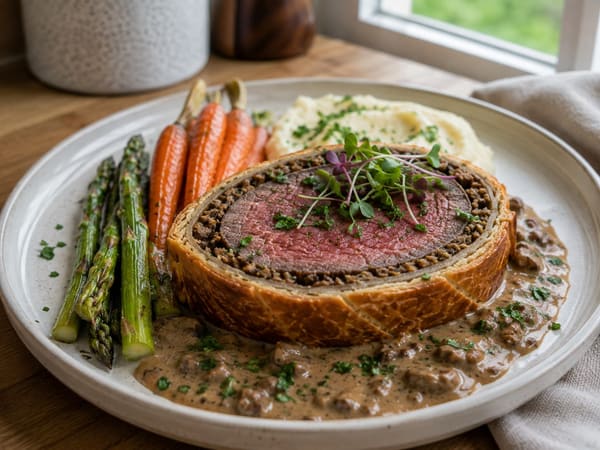
🥩 Protein-Rich Beef Wellington
Luxury British cuisine reimagined with lean grass-fed beef and a lighter whole-wheat pastry.
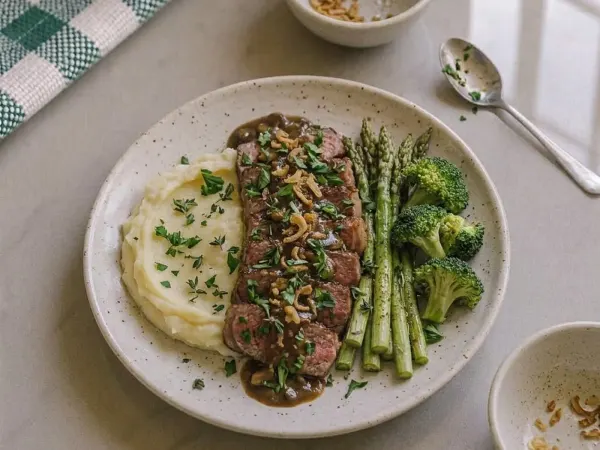
🥩 Protein & Fibre Steakhouse Loaded Plate
A legendary steakhouse platter reimagined with lean sirloin and a silky mushroom sauce.
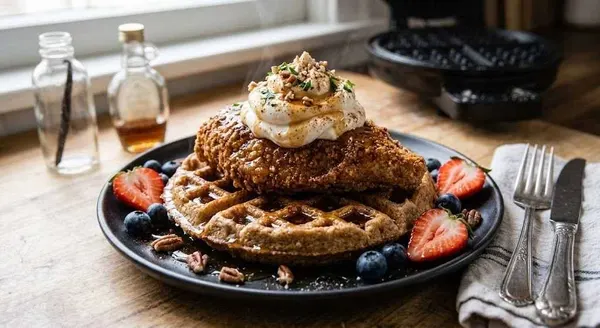
🍗 Protein & Fibre Chicken & Waffles
America's most iconic comfort food reimagined with oven-baked crispy chicken.