
Protein & Fibre Steakhouse Loaded Plate
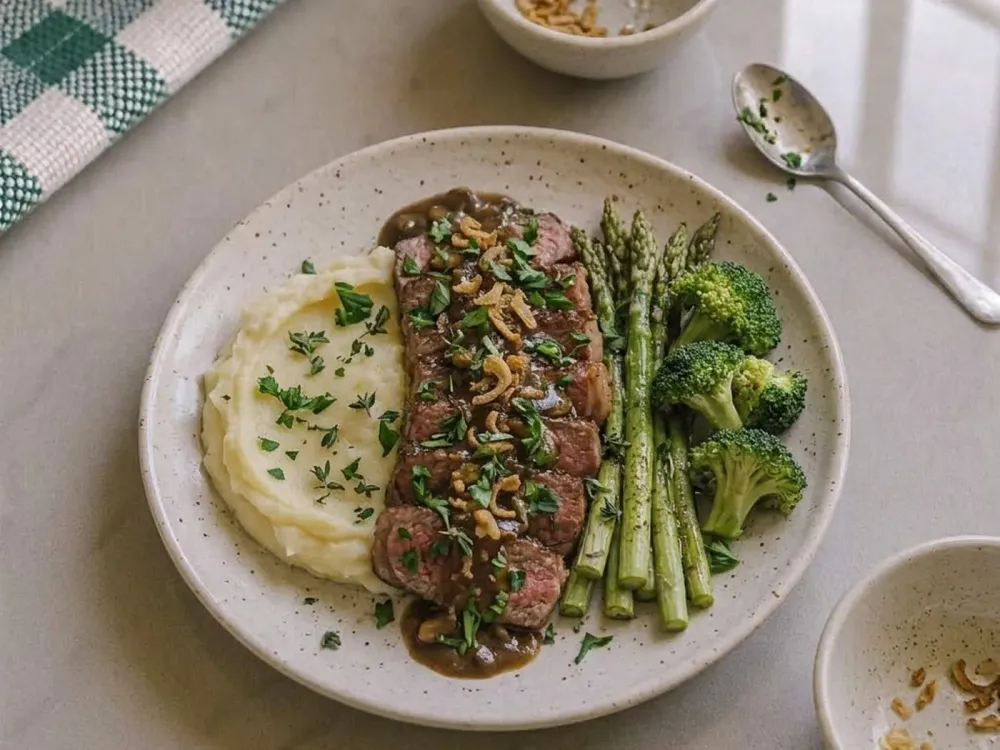
Everything people love about an oversized American steakhouse dinner — a perfectly seared steak, creamy mashed potatoes, a rich mushroom sauce, roasted vegetables, and crispy toppings — completely reimagined with lean beef, Greek yogurt mashed potatoes, roasted vegetables, olive oil, and fresh herbs. It looks like the enormous restaurant platter everyone dreams about ordering, yet every ingredient has been carefully selected to create a satisfying, protein-rich meal inspired by balanced nutrition principles.
Few restaurant meals create the same excitement as a fully loaded steakhouse platter. A beautifully seared steak arrives on a massive wooden board beside mountains of creamy mashed potatoes, buttery vegetables, rich mushroom sauce, crispy onions, and warm roasted garlic. It is the kind of meal people reserve for celebrations, birthdays, anniversaries, or simply because they want to indulge.
Traditional steakhouse meals, however, are often built around generous portions of fatty beef, heavy cream sauces, large quantities of butter, and oversized servings of refined starches. While undeniably delicious, they can easily become far richer than most people intend for an everyday dinner.
This Protein & Fibre Steakhouse Loaded Plate preserves the dramatic presentation and comforting flavors that make steakhouse dining so memorable while thoughtfully redesigning every major component. Lean sirloin replaces fattier cuts, creamy mashed potatoes are enriched with Greek yogurt instead of heavy cream, roasted vegetables add vibrant color and fiber, mushrooms become the base of a silky sauce without relying on excessive butter, and olive oil replaces much of the saturated fat traditionally used throughout the recipe.
The result is every bit as impressive as the original. Thick slices of juicy steak, velvety mashed potatoes, glossy mushroom sauce, roasted vegetables, fresh herbs, and crispy shallots come together on one spectacular plate that feels indulgent enough for a premium steakhouse while remaining beautifully balanced.
Recipe Information
| Prep Time | 35 minutes |
| Cook Time | 35 minutes |
| Total Time | 1 hour 10 minutes |
| Servings | 4 |
| Difficulty | Intermediate |
| Calories | ~590 kcal per serving |
Quick Highlights
Ingredients
Makes 4 generous steakhouse-style plates.



















Step-by-Step Instructions
Prepare the Potatoes and Oven
Heat the oven to 220 C (425 F). Peel the potatoes and cut them into 3 cm pieces. Put them in a saucepan, cover with cold water, add a pinch of the measured salt, and bring to a boil. At the same time, trim the asparagus and cut any large broccoli florets in half.
Cook and Mash the Potatoes
Simmer the potatoes for 15 to 18 minutes, until a knife slides through a piece easily. Drain them, return them to the hot pan for 2 minutes to dry, then set aside while you cook the remaining components.

Season the Steak Portions
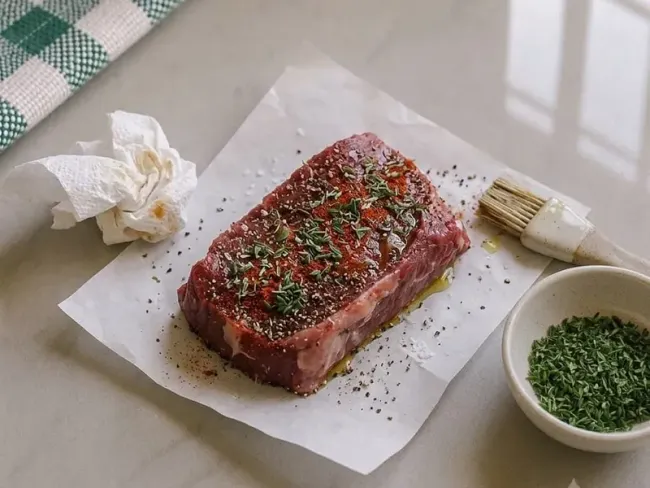
Divide the 700 g sirloin into four similarly sized portions. Pat them dry. Rub with 1 tablespoon olive oil, the salt, pepper, smoked paprika and half the thyme. Leave at room temperature for 10 minutes while a heavy skillet heats over medium-high heat.

Roast the Vegetables
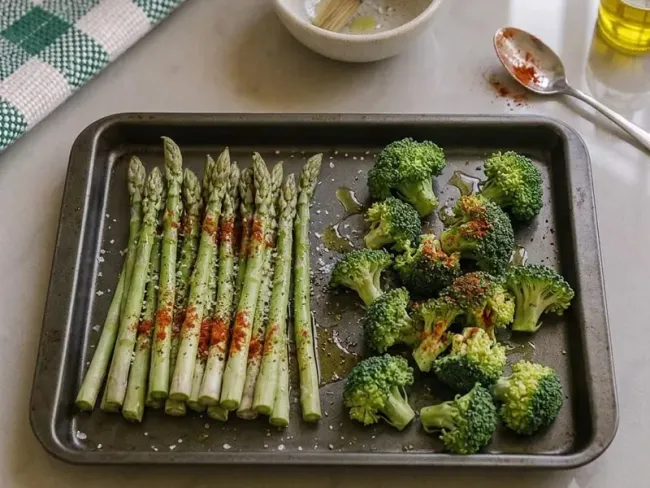
Toss the asparagus and broccoli with 1 tablespoon olive oil and a small pinch of the measured seasonings. Spread them on a tray and roast for 15 to 18 minutes, turning once, until tender and browned at the edges.
Cook and Rest the Steaks
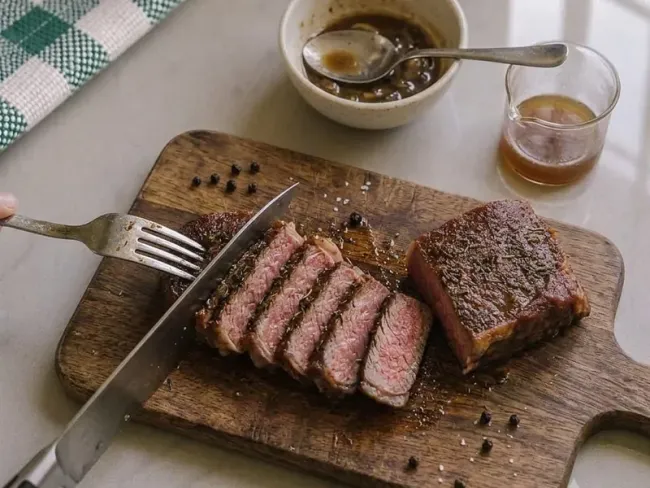
Cook the steak portions in batches so the pan is not crowded. Sear each side for 3 to 5 minutes, depending on thickness, then add 2 cloves of the garlic and the remaining thyme for the final minute. Transfer the steaks to a board and rest for 8 to 10 minutes. For medium-rare, use a thermometer and remove at 54 to 57 C (130 to 135 F).
Make the Mushroom Sauce
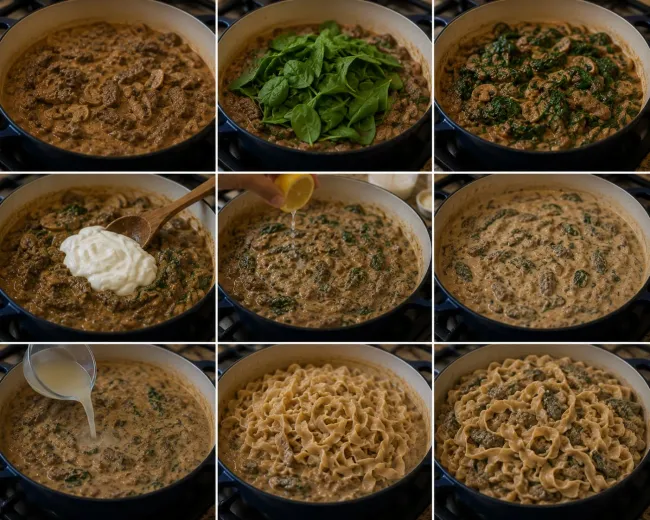
Use the remaining 1 tablespoon olive oil in a saucepan over medium heat. Cook the onion for 4 to 5 minutes, then add the remaining garlic and mushrooms. Cook for 6 to 8 minutes. Add the broth and Dijon. Whisk the cornstarch with 2 tablespoons cold water, stir it into the sauce, and simmer for 3 to 4 minutes until it coats a spoon.
Finish the Mash
Mash the drained potatoes. Fold in the Greek yogurt, Parmesan and parsley until smooth; do not overmix. Taste the mash and sauce, then adjust only with the measured seasonings if needed.

Plate and Serve
Slice each rested steak across the grain. Divide the mash, roasted vegetables and steak between four plates. Spoon mushroom sauce over the steak and finish with crispy shallots. Serve immediately.
Chef's Tips
Common Mistakes
Why This Recipe Was Designed This Way
This Protein & Fibre Steakhouse Loaded Plate proves that one of the world's most indulgent restaurant meals can be thoughtfully redesigned without losing its luxurious character. Rather than eliminating the rich flavors people love, this recipe rebuilds every component with lean protein, vegetables, cultured dairy, fats, and fresh herbs that work together to create a satisfying, beautifully balanced meal.
🥩 Lean Sirloin Steak
Lean sirloin delivers the rich, satisfying flavor expected from a premium steakhouse dinner while providing substantially less saturated fat than highly marbled cuts such as ribeye or prime rib. Beef naturally provides complete protein containing all nine essential amino acids, along with highly bioavailable iron, zinc, selenium, and vitamin B12.
🥔 Yukon Gold Potatoes
Potatoes create the luxurious creamy texture expected from classic steakhouse mashed potatoes while naturally supplying complex carbohydrates that provide sustained energy, along with potassium, vitamin C, and vitamin B6 when portions of the skin are retained.
🥣 Greek Yogurt
Greek yogurt replaces much of the butter and heavy cream traditionally used in mashed potatoes while maintaining a silky, luxurious consistency. Its naturally high protein content contributes to satiety, and it also supplies calcium and phosphorus.
🍄 Baby Bella Mushrooms
Mushrooms form the foundation of the steakhouse sauce by providing deep umami flavor naturally, reducing the need for large quantities of butter or cream. They naturally provide selenium, copper, potassium, and ergothioneine, an antioxidant compound found in particularly high concentrations in mushrooms.
🥦 Broccoli & Asparagus
Broccoli and asparagus balance the richness of the steak with freshness, texture, and vibrant color. As a cruciferous vegetable, broccoli naturally provides vitamin C, vitamin K, folate, and glucosinolates, while asparagus contributes folate, vitamin K, and antioxidant compounds including glutathione.
🫒 Extra Virgin Olive Oil
Instead of finishing vegetables and potatoes with large quantities of butter, this recipe uses extra virgin olive oil throughout the cooking process. It is naturally rich in monounsaturated fats together with polyphenols, antioxidant compounds extensively studied within the Mediterranean dietary pattern.
🧄 Garlic & Fresh Herbs
Fresh garlic contributes remarkable aroma and depth throughout the mushroom sauce and roasted vegetables, and naturally contains sulfur-containing compounds such as allicin. Fresh thyme and parsley complete the dish with bright herbal notes that add flavor without additional sodium.
🧀 Parmesan Cheese
Only a modest quantity of freshly grated Parmesan is used to enrich the mashed potatoes. Because Parmesan develops an exceptionally concentrated savory flavor during aging, a relatively small amount produces a luxurious taste while contributing calcium and high-quality protein.
Ingredient Swaps
Need to adapt the recipe? These substitutions maintain the character of the dish.
| Instead of... | Try... |
|---|---|
| Lean sirloin | Tenderloin, top sirloin, New York strip, or flank steak |
| Greek yogurt | Low-fat cottage cheese blended until smooth, or plain skyr |
| Baby Bella mushrooms | Cremini or white button mushrooms |
| Asparagus | Green beans |
| Broccoli | Cauliflower florets |
| Crispy shallots | Store-bought crispy fried onions |
What Research Says
Choosing a leaner cut of steak and moderating the amount of butter and cheese in the accompanying sides keeps this indulgent plate’s saturated fat more in check while preserving the classic steakhouse combination of flavors.
Estimated Nutrition
Per serving
*Naturally occurring sugars from vegetables and dairy. Nutrition values are estimates calculated from standard ingredient databases. Actual values will vary depending on ingredient brands, steak size, cooking method, and portion size.
Storage & Reheating
Store each component separately in airtight containers after cooling completely. Steak keeps for up to 3 days in the refrigerator, mashed potatoes and mushroom sauce for 3–4 days, and roasted vegetables for up to 3 days. Keeping the components separate preserves texture and makes reheating more effective.
Refrigerating
Freezing
Reheating
: Reheat the steak gently in a 325°F (160°C) oven for 8–10 minutes or in a covered skillet over low heat to avoid overcooking. Warm the mashed potatoes with a splash of milk until creamy, and gently heat the mushroom sauce over low heat, whisking occasionally. Roasted vegetables are best reheated in the oven or air fryer for a few minutes to restore their caramelized edges.
Meal Prep Tips
Season the steak several hours in advance, prepare the mashed potatoes one day ahead, and make the mushroom sauce up to 2 days before serving. Roast the vegetables shortly before dinner for the best texture, and slice the steak only immediately before serving to preserve its juices.
Serving Suggestions
Serve immediately while the steak is still warm and the sides are hot, letting the steak rest for a few minutes before slicing.
Frequently Asked Questions
Can I use another cut of beef?
Yes. Tenderloin, top sirloin, New York strip, or flank steak all work well. Adjust cooking times according to thickness and desired doneness.
Can I prepare the mushroom sauce in advance?
Absolutely. The sauce actually develops even deeper flavor after resting overnight in the refrigerator. Reheat gently before serving.
Can I substitute the Greek yogurt?
Yes. Low-fat cottage cheese blended until smooth or plain skyr can provide a similarly creamy, protein-rich alternative.
Can I make the vegetables in an air fryer?
Yes. Air fry the asparagus and broccoli at 390°F (200°C) for 8–10 minutes, shaking halfway through cooking.
Can I freeze the mashed potatoes?
Yes. Freeze in airtight containers for up to 2 months. Thaw overnight in the refrigerator and reheat slowly while stirring in a little milk if needed.
Is this recipe intended to treat PCOS?
No. This recipe is designed for educational and culinary purposes only. It is inspired by balanced nutrition principles and is not intended to diagnose, treat, cure, or prevent PCOS or any other medical condition.
Related Recipes
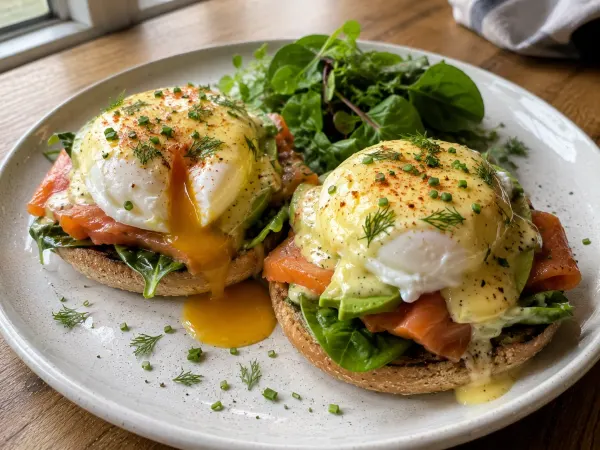
🍳 Protein & Fibre Eggs Benedict
A luxurious brunch classic rebuilt with whole wheat muffins, smoked salmon, avocado, and a lightened Greek yogurt hollandaise.
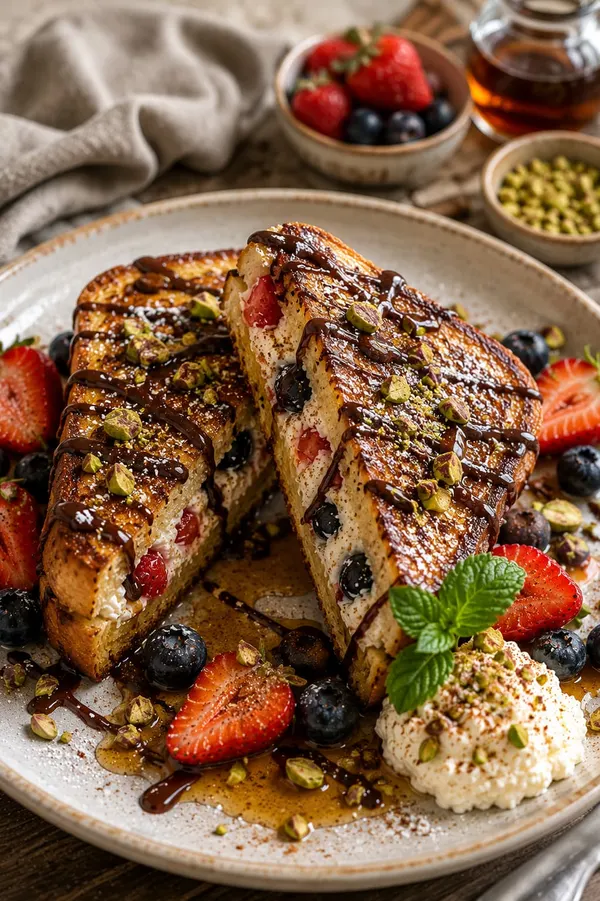
🍞 Protein & Fibre Stuffed French Toast
A decadent French toast filled with a light ricotta filling and finished with fresh berries and a touch of dark chocolate.
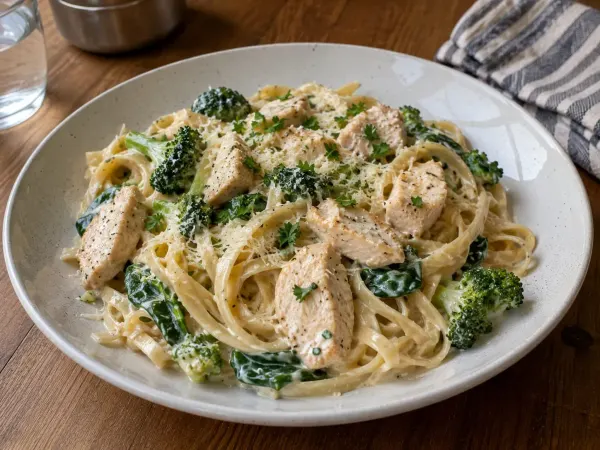
🍝 Balanced Chicken Alfredo
A creamy pasta rebuilt with Greek yogurt, low-fat milk, whole wheat fettuccine, and grilled chicken.