
Everyday Seafood Risotto
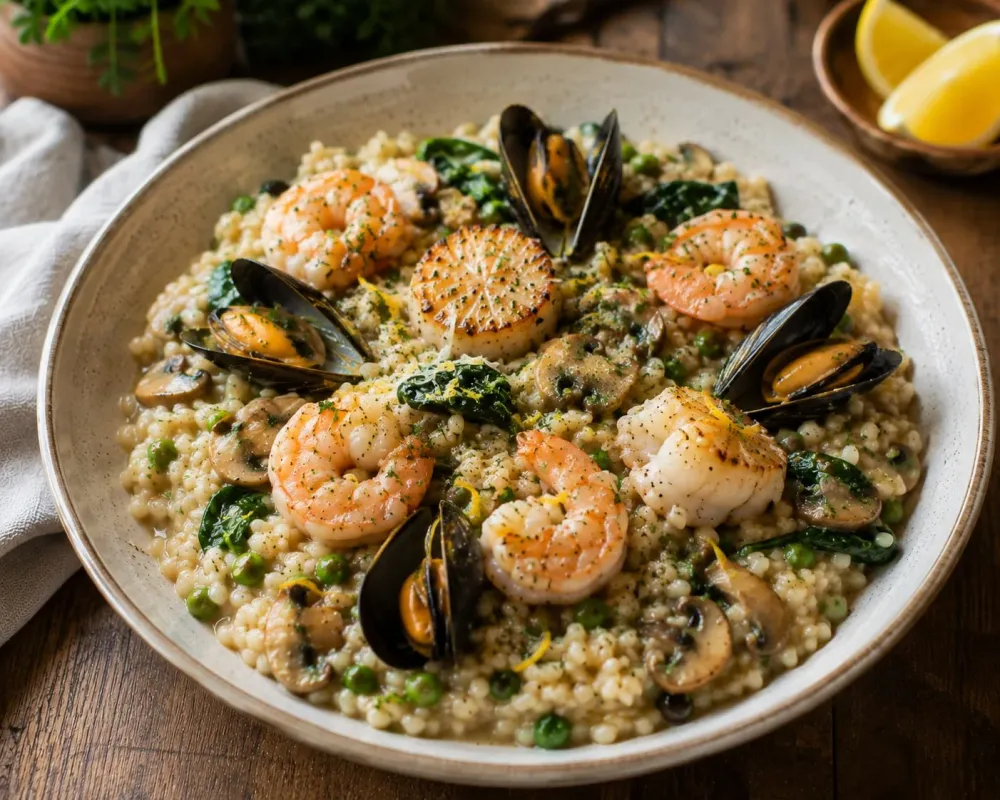
Everything people love about classic Seafood Risotto — creamy Arborio rice, tender shrimp, delicate scallops, sweet mussels, rich Parmesan, elegant Italian presentation, and luxurious restaurant-quality texture — thoughtfully reimagined with fiber-rich whole-grain Arborio-style rice, extra seafood, reduced-fat Parmesan, Greek yogurt, extra-virgin olive oil, colorful vegetables, and wholesome ingredients that naturally provide high-quality protein, omega-3 fatty acids, calcium, selenium, iodine, vitamin B12, and antioxidants to support aging as part of a balanced diet.
Seafood Risotto is one of Italy's most celebrated culinary masterpieces. Slowly cooked until every grain becomes creamy and perfectly tender, this elegant dish combines delicate seafood with Parmesan cheese, aromatic herbs, and a velvety broth that has made it a signature of fine Italian dining.
The beauty of authentic risotto lies in its texture. Rather than being dry or soupy, each grain remains slightly firm while surrounded by a naturally creamy sauce created through careful stirring and slow absorption of warm broth. Combined with succulent shrimp, sweet scallops, tender mussels, and vibrant vegetables, every bite feels luxurious.
Traditional Seafood Risotto, however, often relies on generous amounts of butter, full-fat cheese, heavy cream, refined white Arborio rice, and substantial quantities of sodium. While these ingredients create remarkable richness, they may also increase saturated fat and sodium intake.
This Everyday Seafood Risotto preserves everything that makes the original unforgettable while thoughtfully rebuilding every component with carefully selected ingredients. A whole-grain Arborio-style rice provides additional dietary fiber while maintaining the creamy risotto texture. Shrimp, scallops, and mussels naturally supply complete protein together with iodine, selenium, vitamin B12, phosphorus, and important minerals. Reduced-fat Parmesan and Greek yogurt create remarkable creaminess using less saturated fat, while extra-virgin olive oil, spinach, peas, mushrooms, garlic, and fresh herbs increase vegetable intake and naturally contribute vitamins, minerals, and antioxidant compounds.
Recipe Information
| Prep Time | 25 minutes |
| Cook Time | 40 minutes |
| Total Time | 1 hour 10 minutes |
| Servings | 6 |
| Difficulty | Intermediate |
| Calories | ~465 kcal per serving |
Quick Highlights
Ingredients
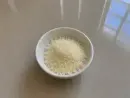
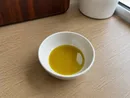
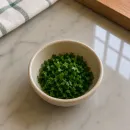
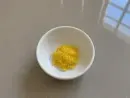
Makes one large pot of Seafood Risotto (6 generous servings).










Step-by-Step Instructions
Prepare the Broth
Pour the reduced-sodium vegetable broth into a medium saucepan and bring it to a gentle simmer over low heat. Keep the broth warm throughout the cooking process without allowing it to boil vigorously — warm broth is essential for creating the creamy consistency of authentic risotto because it allows the rice to cook evenly while gradually releasing its starch. The broth should remain steaming but not boiling.

Cook the Vegetables
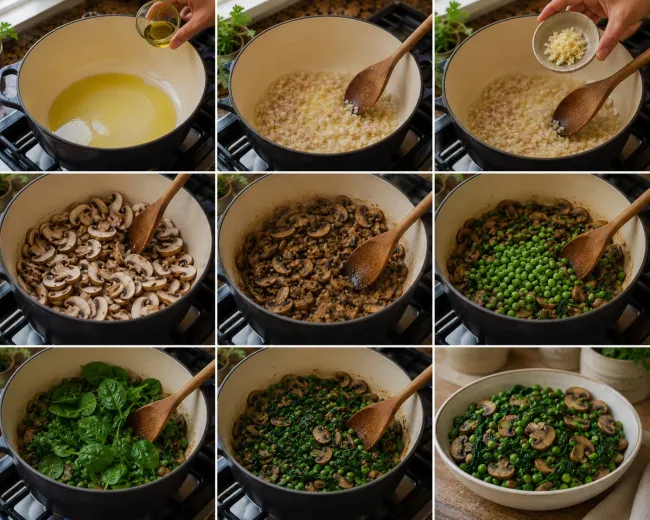
Heat the extra-virgin olive oil in a large, heavy-bottomed saucepan or Dutch oven over medium heat. Add the diced shallots and cook for 3–4 minutes until softened, then add the garlic and cook for 30 seconds until fragrant. Add the sliced cremini mushrooms and cook for 5–6 minutes, stirring occasionally, until lightly browned and most of their moisture has evaporated. Stir in the green peas and cook for 2 minutes, then add the baby spinach and cook for another 1–2 minutes, just until wilted. Transfer the vegetables to a clean bowl and set aside.
Cook the Risotto
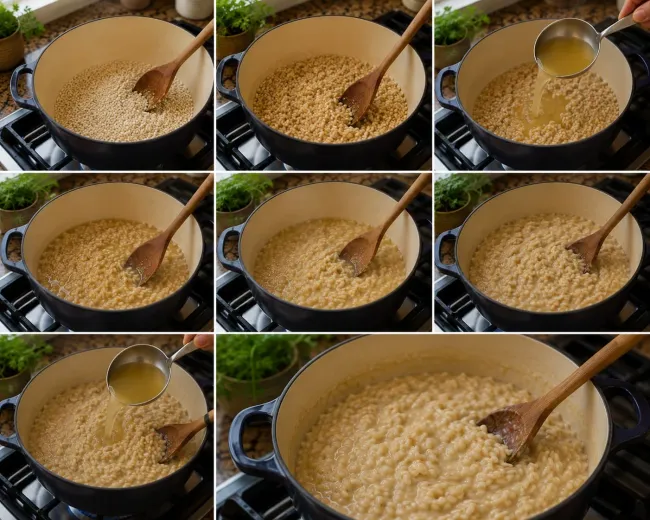
Using the same pan, add the whole-grain Arborio-style rice and cook the dry rice for 2 minutes, stirring constantly to lightly toast the grains. Begin adding the warm vegetable broth one ladle (about 120 ml / ½ cup) at a time, stirring frequently while the rice slowly absorbs each addition. Do not add the next ladle until most of the previous liquid has been absorbed. Continue this process for approximately 28–32 minutes, until the rice is creamy while still slightly firm in the center (al dente).
Cook the Seafood
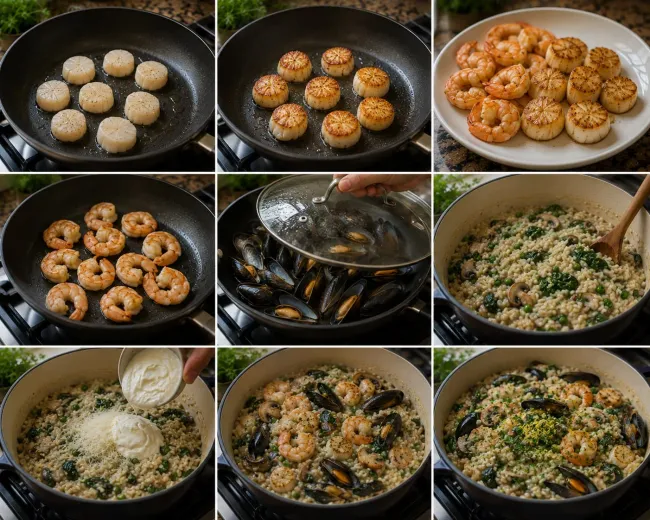
While the risotto finishes cooking, heat a large non-stick skillet over medium-high heat. Add the scallops and cook for 2 minutes per side, until lightly golden, then transfer to a clean plate. Add the shrimp and cook for 2–3 minutes, turning once, until pink and fully cooked, then transfer beside the scallops. Finally, add the cleaned mussels, cover with a lid, and cook for 4–5 minutes, or until the shells open — discard any mussels that remain closed after cooking. Return the cooked vegetables to the risotto, gently fold in the Greek yogurt, Parmesan, lemon zest, lemon juice, and parsley, then carefully fold in the shrimp, scallops, and mussels. Season with sea salt and black pepper.
Rest the Risotto
Remove the risotto from the heat once it reaches a creamy, flowing consistency. Cover loosely and allow it to rest for 5 minutes — during this brief resting period, the rice will finish absorbing the remaining broth while maintaining its signature creamy texture. Avoid allowing the risotto to sit too long, as it will continue to thicken; if necessary, stir in 2–3 tablespoons of warm broth immediately before serving to restore its silky consistency.
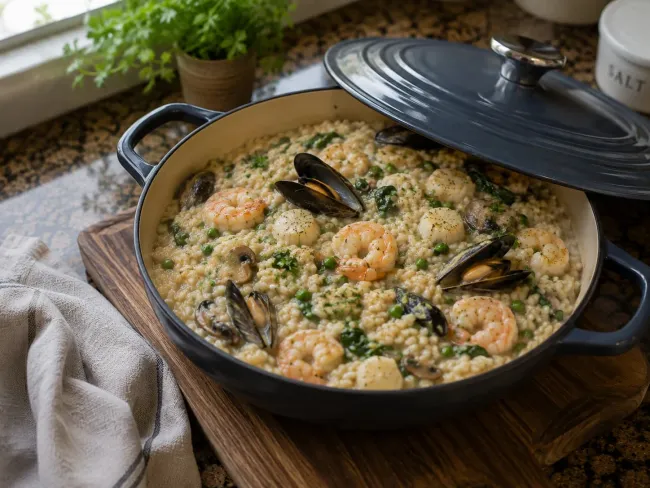
Plate the Seafood Risotto
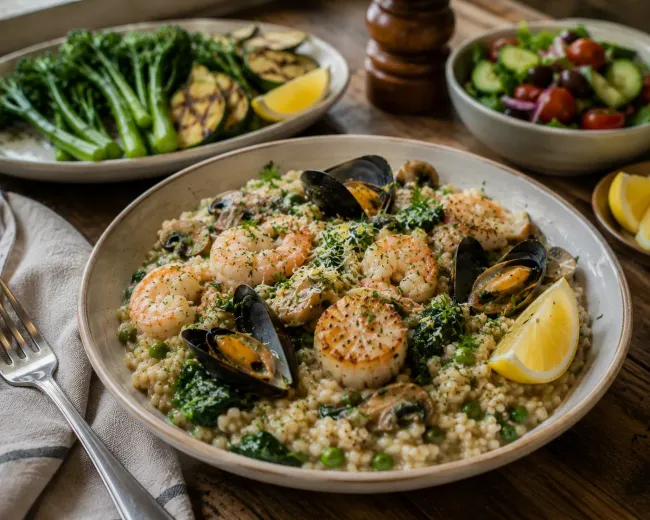
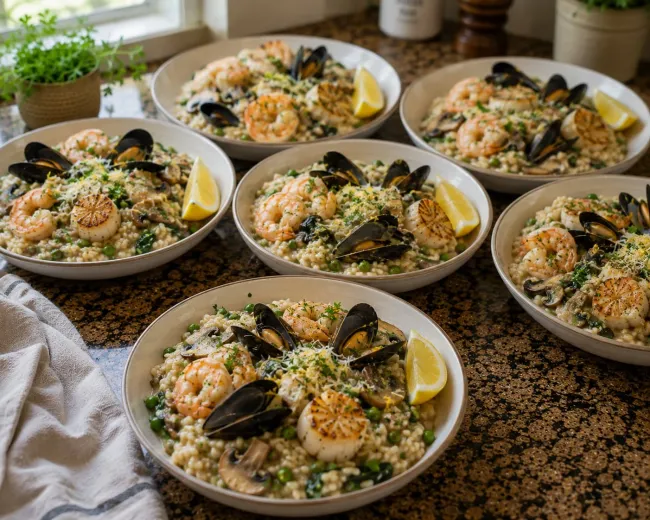
Using a large serving spoon, divide the risotto evenly among 6 warm shallow bowls. Arrange the shrimp, scallops, and mussels attractively on top so each serving showcases a variety of seafood. Finish each bowl with a light sprinkle of freshly grated Parmesan, and garnish with additional chopped parsley, a little fresh lemon zest, and a small lemon wedge on the side.
Serve Italian Restaurant Style
Serve immediately while the risotto remains creamy and the seafood is perfectly tender. Offer extra freshly cracked black pepper and lemon wedges at the table if desired. Pair with steamed asparagus, roasted zucchini, grilled broccolini, or a crisp Mediterranean salad. Every spoonful should combine creamy risotto, tender shrimp, delicate scallops, sweet mussels, vibrant vegetables, fresh herbs, bright citrus, and rich Parmesan.
Chef's Tips
Common Mistakes
Why This Recipe Was Designed This Way
This Everyday Seafood Risotto transforms one of Italy's most luxurious comfort foods into a balanced, nutrient-rich meal while preserving everything people love about the original — creamy risotto, tender seafood, rich Parmesan, aromatic herbs, and elegant restaurant-quality presentation. Rather than relying on generous amounts of butter, heavy cream, full-fat cheese, and refined white rice, this version combines whole-grain Arborio-style rice, shrimp, scallops, mussels, Greek yogurt, reduced-fat Parmesan, extra-virgin olive oil, spinach, peas, mushrooms, and fresh herbs. The result is a meal naturally rich in complete protein, omega-3 fatty acids, calcium, vitamin B12, iodine, selenium, magnesium, phosphorus, dietary fiber, and antioxidant compounds. No individual food or recipe can prevent aging or guarantee healthy aging; however, meals that provide high-quality protein, seafood, vegetables, healthy fats, and whole grains can help support healthy aging, muscle maintenance, heart health, bone health, and overall well-being as part of a varied, balanced diet and healthy lifestyle.
Here's the science behind each major ingredient.
🦐 Shrimp
Naturally provide high-quality complete protein while remaining relatively low in saturated fat. Shrimp are an excellent source of selenium, iodine, phosphorus, vitamin B12, and astaxanthin, a naturally occurring antioxidant carotenoid. Protein contributes to the maintenance of muscle mass, while selenium contributes to the protection of cells from oxidative stress.
🦪 Mussels
Among the most nutrient-dense seafood choices, naturally providing complete protein together with vitamin B12, iron, zinc, iodine, selenium, omega-3 fatty acids, and phosphorus. Vitamin B12 contributes to normal nervous system function and normal red blood cell formation, and iron contributes to normal cognitive function.
🥩 Sea Scallops
Provide lean complete protein while naturally supplying vitamin B12, phosphorus, magnesium, selenium, and potassium. Their naturally low fat content makes them an excellent addition to balanced seafood meals.
🍚 Whole-Grain Arborio-Style Rice
Provides the creamy texture expected from authentic risotto while contributing more dietary fiber than traditional refined Arborio rice. Whole grains may help improve overall dietary quality when included as part of a balanced eating pattern.
🥬 Spinach
Naturally provides vitamin K, folate, magnesium, potassium, vitamin C, and antioxidant compounds. Vitamin K contributes to the maintenance of normal bones, while magnesium contributes to normal muscle and nervous system function.
🟢 Green Peas
Contribute dietary fiber together with plant protein, vitamin K, vitamin C, folate, and manganese. Their natural sweetness balances the savory seafood while increasing overall vegetable intake.
🍄 Cremini Mushrooms
Naturally provide selenium, copper, potassium, several B vitamins, and antioxidant compounds. Their rich umami flavor enhances the risotto naturally without relying on excessive sodium.
🥣 Greek Yogurt & Reduced-Fat Parmesan
Create remarkable creaminess while replacing much of the butter and heavy cream found in traditional risotto. Combined, they naturally provide complete protein, calcium, phosphorus, and vitamin B12; calcium contributes to the maintenance of normal bones and teeth.
🫒 Extra-Virgin Olive Oil
Provides predominantly monounsaturated fats together with naturally occurring polyphenol compounds, one of the defining foods of Mediterranean-style dietary patterns, which have been extensively studied in relation to cardiovascular health and healthy aging.
🍋 Lemon & Fresh Herbs
Fresh lemon, parsley, and garlic brighten the risotto while naturally contributing vitamin C, vitamin K, and aromatic plant compounds. Their fresh flavors reduce the need for excessive salt while enhancing the delicate taste of the seafood.
Ingredient Swaps
Need to adapt the recipe? These substitutions maintain the character of the dish.
| Instead of... | Try... |
|---|---|
| Whole-grain Arborio rice | Standard Arborio rice (slightly less fiber) |
| Scallops | Additional shrimp or firm white fish |
| Mussels | Clams |
| Reduced-fat Parmesan | Standard Parmesan, used sparingly |
What Research Says
Finishing the risotto with a modest amount of butter and cheese rather than a heavy cream base keeps this dish’s saturated fat more moderate, while the seafood contributes lean protein — a consideration especially relevant for a recipe designed with senior nutrition needs in mind.
Estimated Nutrition
Per serving
Includes naturally occurring sugars from peas, spinach, mushrooms, dairy products, and shallots; added sugars are 0 g. Nutrition values are estimates calculated from standard ingredient databases. Actual values will vary depending on ingredient brands, seafood varieties, rice selection, and portion sizes.
Storage & Reheating
Allow the Seafood Risotto to cool for approximately 20–30 minutes before storing. Transfer into airtight containers while it is still slightly creamy and refrigerate for up to 3 days. When reheating, place the risotto in a saucepan over low heat and add 2–4 tablespoons of warm reduced-sodium vegetable broth or water while stirring gently to restore its creamy consistency. Avoid overheating the seafood, as prolonged cooking may make it firm.
Refrigerating
Freezing
Seafood risotto can be frozen, although the texture of the rice may become slightly softer after thawing. Allow the risotto to cool completely, transfer individual portions into freezer-safe airtight containers, and freeze for up to 2 months. Thaw overnight in the refrigerator, then reheat gently over low heat with a splash of warm broth, stirring frequently until creamy.
Reheating
Meal Prep Tips
Chop all vegetables before beginning, as risotto requires continuous attention during cooking. Keep the broth warm throughout the cooking process for the smoothest texture. Cook the seafood just before folding it into the finished risotto to maintain tenderness. Grate the Parmesan immediately before use for the best melting quality. Portion leftovers into individual containers for convenient lunches, and finish each serving with fresh parsley and lemon zest after reheating to restore freshness.
Serving Suggestions
Serve immediately while the risotto is still creamy and just set, since risotto continues to thicken as it sits.
Frequently Asked Questions
Can I use frozen seafood?
Yes. Fully thaw the seafood in the refrigerator and pat it dry before cooking to avoid excess moisture in the risotto.
Why should I stir risotto so often?
Frequent stirring helps release the natural starch from the rice, creating the creamy consistency that defines authentic Italian risotto.
Can I use brown Arborio rice?
Yes. Whole-grain or brown Arborio-style rice works well, although it generally requires a longer cooking time and a little more broth than traditional Arborio rice.
What vegetables pair well with Seafood Risotto?
Roasted asparagus, grilled zucchini, steamed broccoli, broccolini, green beans, peas, or a fresh Mediterranean salad all complement the seafood beautifully.
Why use Greek yogurt instead of heavy cream?
Greek yogurt provides a creamy texture while contributing additional protein and calcium with less saturated fat than heavy cream.
Does seafood help support healthy aging?
No single food or recipe can prevent aging or guarantee healthy aging. However, seafood naturally provides high-quality protein, vitamin B12, selenium, iodine, and, depending on the species, omega-3 fatty acids. Combined with vegetables, whole grains, and healthy fats, these nutrients can support overall health as part of a varied, balanced diet and healthy lifestyle.
Related Recipes
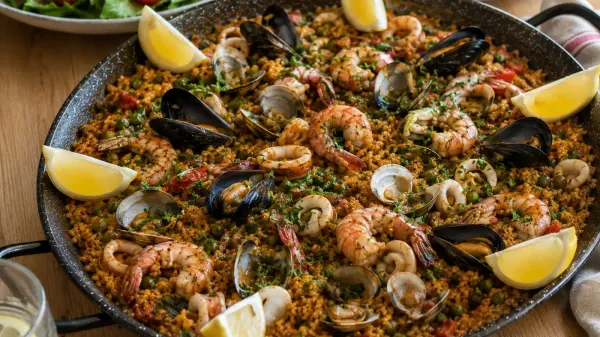
🥘 Seafood Paella
Spain's most iconic celebration dish reimagined with whole-grain rice and premium seafood.
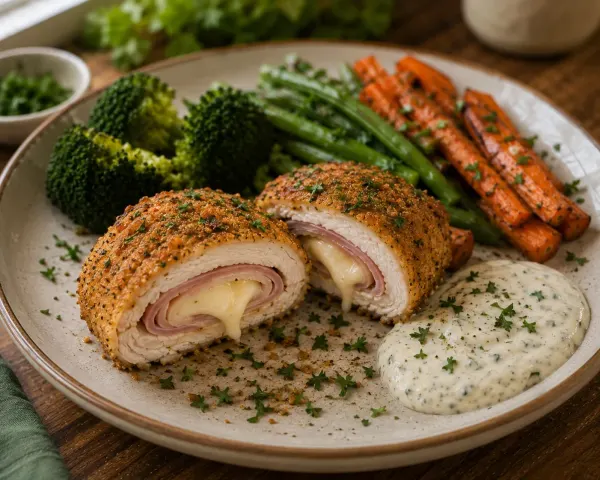
🍗 Everyday Chicken Cordon Bleu
France's iconic stuffed chicken reimagined with a crispy whole-wheat coating and melted Swiss cheese.