
Protein-Rich Seafood Paella
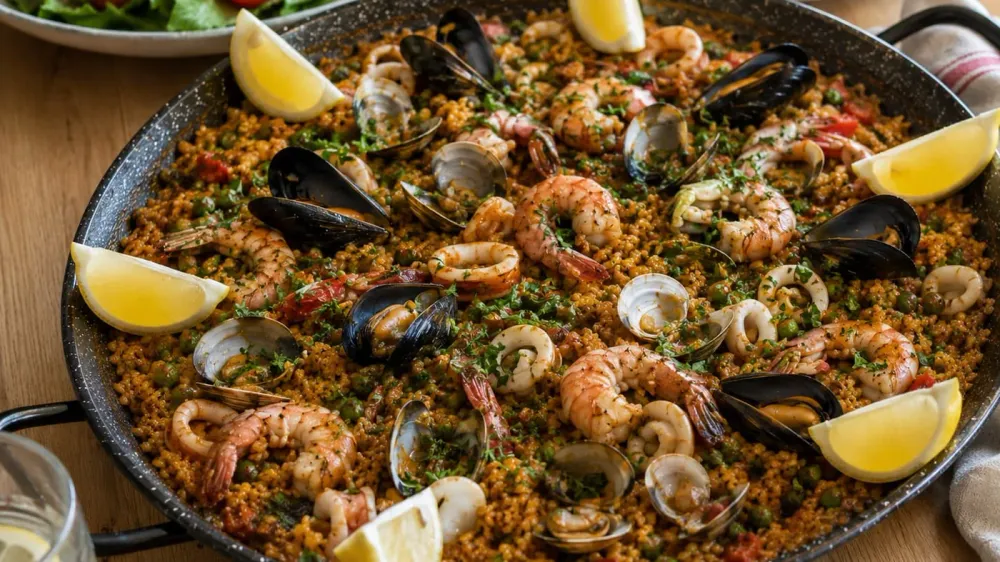
Everything people love about authentic Spanish Seafood Paella — golden saffron rice, tender shrimp, mussels, clams, calamari, vibrant vegetables, and spectacular family-style presentation — thoughtfully reimagined with whole-grain rice, extra-virgin olive oil, premium seafood, fresh herbs, and carefully selected ingredients that deliver the same authentic Mediterranean experience while naturally providing high-quality protein, omega-3 fatty acids, selenium, iodine, zinc, and fiber.
Seafood Paella is one of the world's most recognizable rice dishes and the undisputed symbol of Spanish cuisine. Originating along the Mediterranean coast of Valencia, paella has evolved into a centerpiece of family celebrations, festive gatherings, and seaside restaurants throughout Spain.
Its unmistakable appearance — a wide pan filled with brilliant golden saffron rice, colorful vegetables, perfectly cooked seafood, and fragrant herbs — has made it one of the most photographed dishes in international cuisine. Every spoonful combines the delicate sweetness of shellfish, aromatic rice, rich seafood broth, and the unmistakable fragrance of saffron into a meal that is both elegant and deeply comforting.
Traditional Seafood Paella is naturally more balanced than many comfort foods, but some versions rely on generous amounts of refined white rice, excessive oil, heavily salted broths, and processed seafood seasonings that can increase sodium while reducing the freshness of the ingredients.
This Protein-Rich Seafood Paella preserves everything that makes authentic paella unforgettable while thoughtfully rebuilding the recipe with wholesome ingredients. Whole-grain rice contributes additional fiber, premium seafood provides naturally lean complete protein together with selenium, iodine, zinc, and omega-3 fatty acids, while extra-virgin olive oil, saffron, garlic, tomatoes, peppers, peas, and fresh herbs create remarkable Mediterranean flavor without unnecessary heaviness.
Recipe Information
| Prep Time | 30 minutes |
| Cook Time | 45 minutes |
| Total Time | 1 hour 25 minutes |
| Servings | 6 |
| Difficulty | Intermediate |
| Calories | ~470 kcal per serving |
Quick Highlights
Ingredients
Makes one traditional 14-inch (36 cm) paella (6 generous servings).
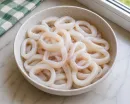
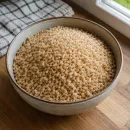

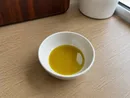
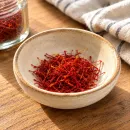
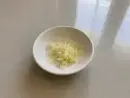
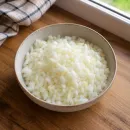
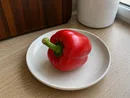
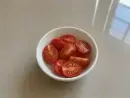

Step-by-Step Instructions
Prepare the Seafood
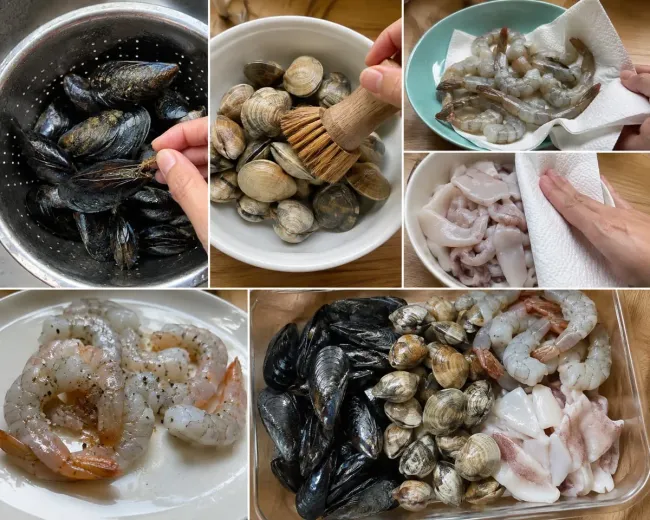
Rinse the mussels thoroughly, scrubbing the shells and removing the fibrous beards. Discard any mussels that remain open after being tapped. Scrub the clams well and discard any that don't close when tapped.
Pat the shrimp and calamari completely dry and season lightly with sea salt and black pepper. Arrange everything on a tray and keep refrigerated while preparing the rice base.
Build the Sofrito
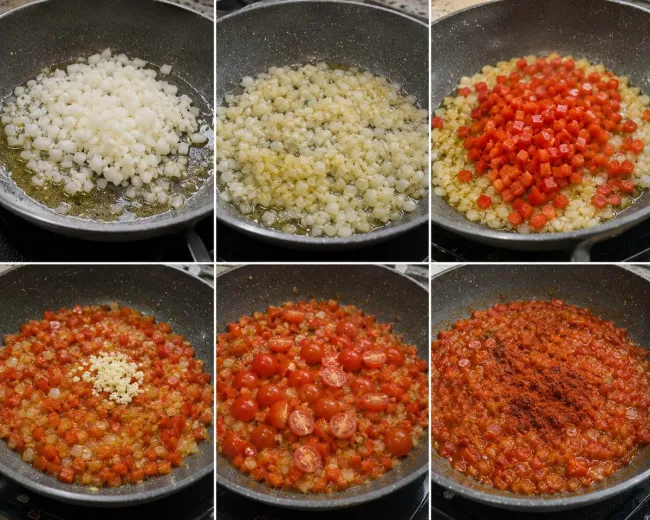
Heat the olive oil in a large 14-inch (36 cm) paella pan over medium heat. Cook the onion 4–5 minutes until softened, then add the bell pepper and cook 4 more minutes. Stir in the garlic and cook 30 seconds.
Add the cherry tomatoes and cook 5–6 minutes until they soften and release their juices, forming the sofrito. Sprinkle in the smoked paprika and stir for about 20 seconds.
Toast the Rice
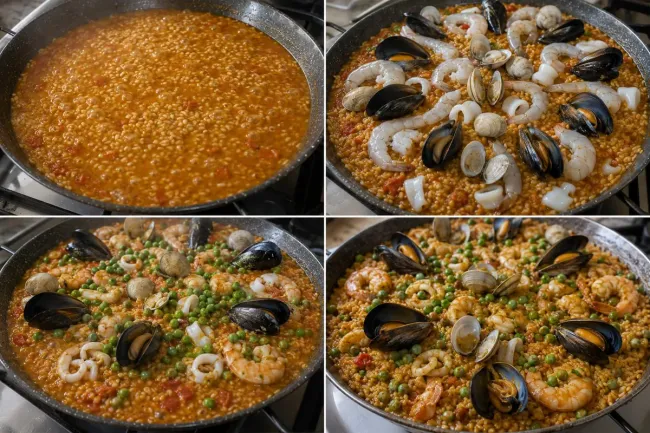
Add the brown Bomba rice to the pan and stir continuously for 2–3 minutes, coating every grain with the sofrito and olive oil. Meanwhile, warm the seafood broth and steep the saffron threads in it for 5 minutes.
Pour the warm saffron broth evenly over the rice and gently stir once to distribute. From this point forward, avoid frequent stirring.

Arrange the Seafood
Let the rice simmer gently for about 10 minutes. Once much of the liquid has been absorbed, arrange the shrimp, calamari, mussels, and clams evenly across the surface, pressing each piece lightly into the rice.
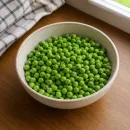
Scatter the peas over the pan and continue cooking uncovered for 10–12 minutes. The mussels and clams should open naturally as they steam — discard any that remain closed.
Finish Cooking the Paella
Continue cooking over medium-low heat for another 3–5 minutes, allowing the remaining liquid to evaporate naturally without stirring. Listen for a gentle crackling sound near the end of cooking — this signals the formation of the socarrat.
If the rice appears slightly firm while most of the liquid has evaporated, drizzle 2–3 tablespoons of warm broth around the edges and continue cooking a minute or two more.
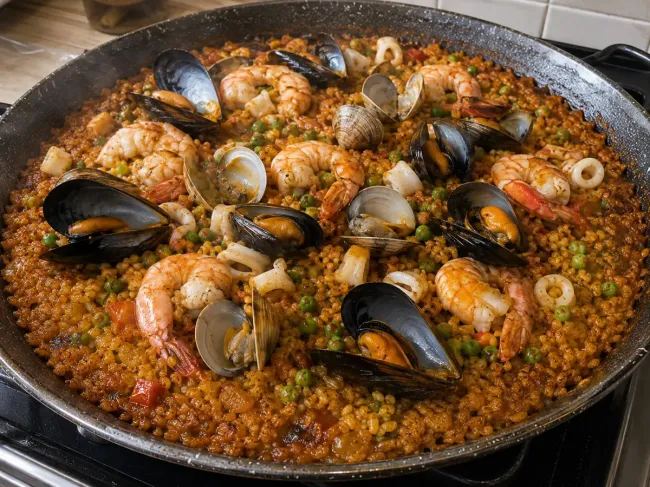
Rest Before Serving
Cover the paella loosely with a clean kitchen towel or foil and allow it to rest for 8–10 minutes before serving. This short resting period allows the remaining moisture to distribute evenly while the seafood finishes cooking gently from residual heat.
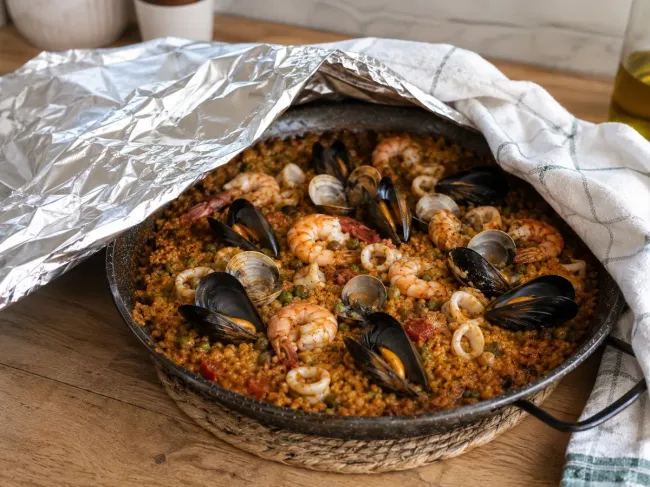
Serve Like a Traditional Spanish Restaurant
Sprinkle the chopped parsley evenly across the surface. Arrange the lemon wedges around the edge of the pan, allowing guests to squeeze fresh lemon juice over their portions.
Serve directly from the pan using a wide serving spoon. Accompany with a crisp green salad, grilled vegetables, or roasted artichokes for an authentic Mediterranean presentation.

Chef's Tips
Common Mistakes
Why This Recipe Was Designed This Way
This Protein-Rich Seafood Paella demonstrates that one of Spain's most iconic culinary traditions can remain authentic, colorful, and deeply satisfying while incorporating ingredients that naturally provide high-quality protein, dietary fiber, heart-fats, and essential minerals. Rather than changing the identity of traditional paella, this recipe builds upon its Mediterranean roots by combining premium seafood, whole-grain rice, fresh vegetables, olive oil, saffron, herbs, and citrus into a balanced meal inspired by one of the world's most well-studied dietary patterns. Every ingredient contributes both remarkable flavor and meaningful nutritional value.
Here's the science behind each major ingredient.
🦐 Shrimp
Shrimp provide lean, complete protein while naturally supplying selenium, iodine, phosphorus, zinc, and vitamin B12. Zinc contributes to the maintenance of normal testosterone levels in the blood, and iodine supports normal thyroid function.
🦪 Mussels & Clams
Mussels and clams naturally provide complete protein together with exceptionally high amounts of vitamin B12, iron, selenium, zinc, iodine, and phosphorus. Vitamin B12 contributes to normal red blood cell formation, while zinc contributes to the maintenance of normal testosterone levels.
🦑 Calamari
Calamari contributes tender texture while supplying lean complete protein together with selenium, phosphorus, vitamin B12, and copper. Its naturally mild flavor allows it to absorb the aromas of saffron, garlic, and seafood broth.
🍚 Whole-Grain Bomba Rice
Whole-grain Bomba rice preserves the authentic texture of traditional paella while contributing additional dietary fiber, magnesium, manganese, and B vitamins compared with refined white rice.
🫒 Extra-Virgin Olive Oil
One of the defining ingredients of the Mediterranean diet, naturally providing monounsaturated fats together with polyphenol compounds widely studied within Mediterranean dietary patterns.
🌿 Saffron & Fresh Lemon
Saffron gives paella its unmistakable golden color and floral aroma, while fresh lemon juice contributes vitamin C and increases the absorption of non-heme iron from plant foods.
🫑 Tomatoes, Bell Peppers & Peas
Bell peppers naturally provide vitamin C and carotenoids, tomatoes contribute lycopene and potassium, while green peas increase dietary fiber and plant protein.
Ingredient Swaps
Need to adapt the recipe? These substitutions maintain the character of the dish.
| Instead of... | Try... |
|---|---|
| Bomba rice | Calasparra rice or another quality short-grain rice |
| Mussels or clams | Omit and increase shrimp and calamari |
| Seafood broth | Low-sodium chicken or vegetable broth with a pinch more saffron |
| Calamari | Bay scallops |
What Research Says
Building paella around a variety of seafood rather than fattier meats keeps this dish’s saturated fat naturally lower while the seafood contributes lean protein and, in the case of shellfish, zinc and B12.
Estimated Nutrition
Per serving
Includes naturally occurring sugars from vegetables; added sugars are 0 g. Nutrition values are estimates calculated from standard ingredient databases. Actual values will vary depending on ingredient brands, seafood varieties, and portion sizes.
Storage & Reheating
Allow the paella to cool completely before storing. Transfer leftovers to an airtight container and refrigerate for up to 2 days. Because the dish contains shellfish, it is best enjoyed as soon as possible after cooking. For the best results, reheat gently in a covered skillet over medium-low heat with 2–3 tablespoons of seafood broth or water. A skillet generally preserves texture better than the microwave.
Refrigerating
Freezing
Although paella can be frozen, it is best enjoyed fresh. If necessary, remove the mussels and clams from their shells before freezing. Transfer the cooled paella to freezer-safe airtight containers and freeze for up to 1 month. Thaw overnight in the refrigerator before reheating gently in a skillet with a splash of seafood broth. Fresh lemon wedges and parsley should always be added after reheating.
Reheating
Meal Prep Tips
Clean the mussels and clams several hours before cooking and keep them refrigerated. Peel and devein the shrimp ahead of time. Prepare the sofrito one day in advance and refrigerate it. Warm the seafood broth and steep the saffron before beginning to cook the rice. Chop all vegetables and herbs in advance for a smoother cooking process.
Serving Suggestions
Serve directly from the paella pan at the table, family-style, with lemon wedges on the side for anyone who wants extra brightness.
Frequently Asked Questions
Can I use frozen seafood?
Yes. Frozen shrimp, calamari, mussels, and seafood mixes work well. Thaw everything completely in the refrigerator and pat the seafood dry before cooking.
What if I don't have a paella pan?
A wide, shallow skillet with a heavy bottom can produce excellent results. The key is maximizing the surface area so the rice cooks evenly and develops the traditional socarrat.
Can I substitute another type of rice?
Yes. Traditional Bomba rice is strongly recommended, but Calasparra rice or another quality short-grain rice also works well. Avoid long-grain rice.
Why shouldn't I stir the rice?
Unlike risotto, paella develops its characteristic texture by cooking mostly undisturbed. Stirring continuously releases excess starch and prevents the formation of the prized socarrat.
How do I know when the shellfish are cooked?
Mussels and clams should open naturally during cooking. Any shellfish that remain closed after cooking should be discarded.
Is this recipe intended to increase testosterone?
No. This recipe is designed for educational and culinary purposes only. It features seafood and other ingredients that naturally provide complete protein, selenium, iodine, and zinc as part of a balanced dietary pattern. It is not intended to diagnose, treat, cure, or prevent low testosterone or any other medical condition.
Related Recipes
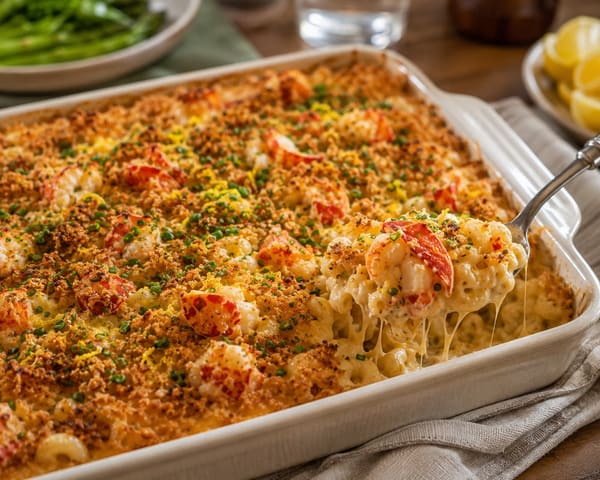
🦞 Protein-Rich Lobster Mac and Cheese
Luxury American comfort food reimagined with high-protein pasta and premium lobster.
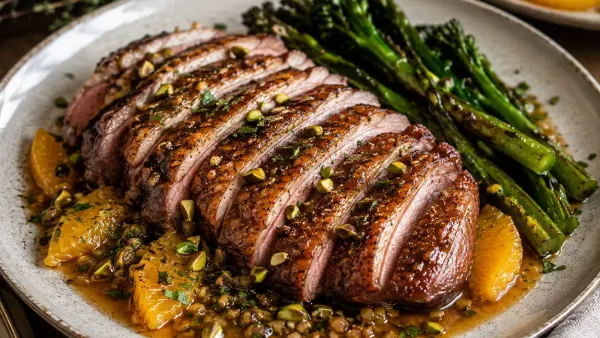
🦆 Protein-Rich Duck à l'Orange
Luxury French cuisine reimagined with crisp-skinned duck breast and a fresh orange reduction.
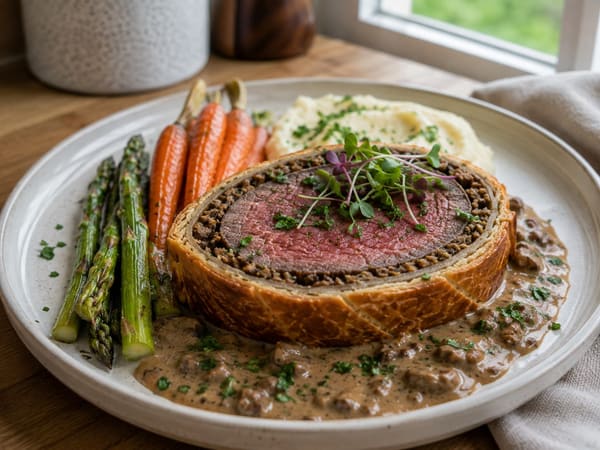
🥩 Protein-Rich Beef Wellington
Luxury British cuisine reimagined with lean grass-fed beef and a lighter whole-wheat pastry.