
Balanced New York Cheesecake
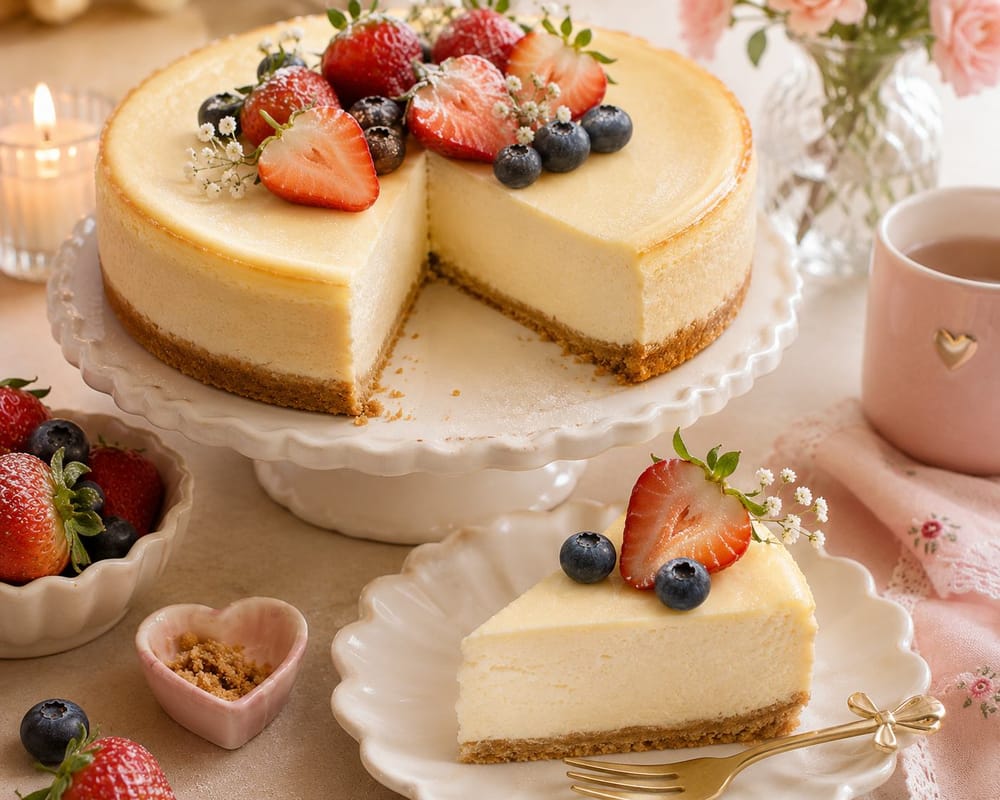
New York cheesecake is an iconic dessert: a dense, creamy base of full-fat cream cheese, eggs, and sugar, slowly baked in a water bath over a generously buttered graham cracker crust. A traditional slice frequently exceeds 470 calories and 32 g of fat, largely due to the large amount of full-fat cream cheese and the butter-rich crust. This version keeps the signature dense, silky texture and the light tang that defines this dessert, but intelligently rethinks the base and crust to sharply cut saturated fat load without ever compromising the cake's identity.
The principle guiding this recipe is to preserve what truly defines a New York cheesecake while intelligently rethinking what can be. The dense, silky, slightly tangy texture comes from cream cheese, this dessert's absolute identifying element: without it, it's no longer a cheesecake but a plain cake. This recipe therefore keeps cream cheese as the central ingredient, but combines a light version with an amount of thick Greek yogurt, which provides comparable tang and creaminess while noticeably cutting total saturated fat compared to full-fat cream cheese used alone across the whole volume.
Sugar in the base is also reduced compared to the most generous versions, with real vanilla reinforcing the perceived sweetness so the cake doesn't taste any less sweet. Eggs, meanwhile, stay close to the traditional amount, as they serve an indispensable structural function: their gradual coagulation at low temperature gives the cheesecake its firm yet silky texture, with no room for significant reduction without compromising the set.
It's the crust, more than the creamy base, that offers the biggest opportunity for intelligent lightening. The traditional graham cracker crust often contains far more melted butter than needed to bind the crumbs; this recipe cuts that amount while keeping enough fat for a crust that holds together perfectly once baked and cooled.
Success with this recipe depends mainly on slow, low-temperature water-bath baking, which prevents surface cracking and guarantees an even texture from center to edge, and on gradual cooling that avoids the thermal shock responsible for the center sinking.
One serving is a generous slice of cake, needing no additional side to feel satisfying in the mouth.
Recipe Information
| Prep Time | 25 minutes |
| Cook Time | 1 hour 10 minutes |
| Resting | 6 hours minimum |
| Total Time | About 8 hours |
| Servings | 10 slices |
| Difficulty | Intermediate |
| Calories | About 310 kcal each* |
Quick Highlights
- ✅ A smart choice that preserves the dessert's identity
- ✅ A base rebuilt with less saturated fat
- ✅ A notably less fatty crust
- ✅ Reduced sugar thanks to real vanilla
Ingredients








Step-by-Step Instructions
Prepare the crust
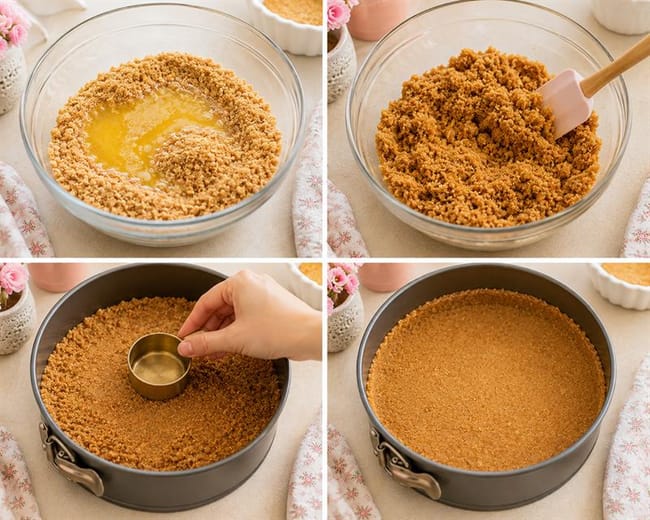
Preheat the oven to 165°C (330°F). Mix the cracker crumbs with the melted butter until you get a wet-sand texture. Press this mixture firmly into the bottom of a 22 cm springform pan, going slightly up the sides.
Press firmly and evenly into the pan so the crust holds together once sliced.
Pre-bake the crust
Bake the crust for 10 minutes, until lightly golden and giving off a toasted cracker aroma. Let cool completely while preparing the filling.
A short pre-bake sets the crust so it doesn’t turn soggy under the filling.

Beat the cream cheese and yogurt
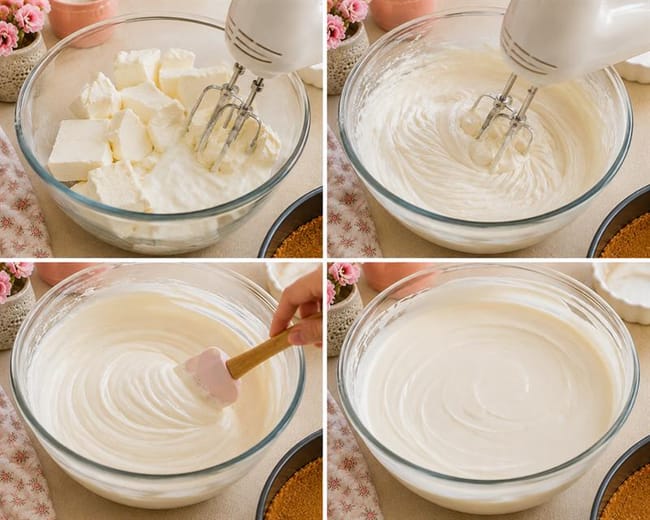
In a large bowl, beat the light cream cheese and Greek yogurt together until perfectly smooth and even, with no lumps at all. Scrape down the sides of the bowl regularly for a uniform mixture.
Beat just until smooth — overbeating incorporates air that can cause cracks later.
Incorporate the sugar and vanilla
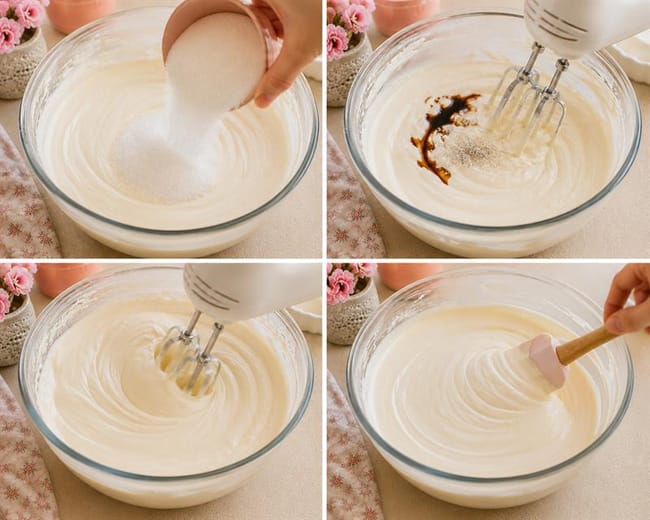
Add the sugar and vanilla to the cream cheese mixture, beating at medium speed until fully incorporated, without overdoing it to avoid whipping in too much air.
Mix until fully incorporated, scraping down the sides of the bowl to avoid streaks.
Add the eggs one at a time
Incorporate the eggs one at a time at low speed, mixing just enough to blend after each addition. Finish with the lemon juice, mixing gently to avoid over-aerating the batter.
Add the eggs one at a time on low speed, mixing just until combined to avoid overbeating the batter.

Pour over the crust and prepare the water bath
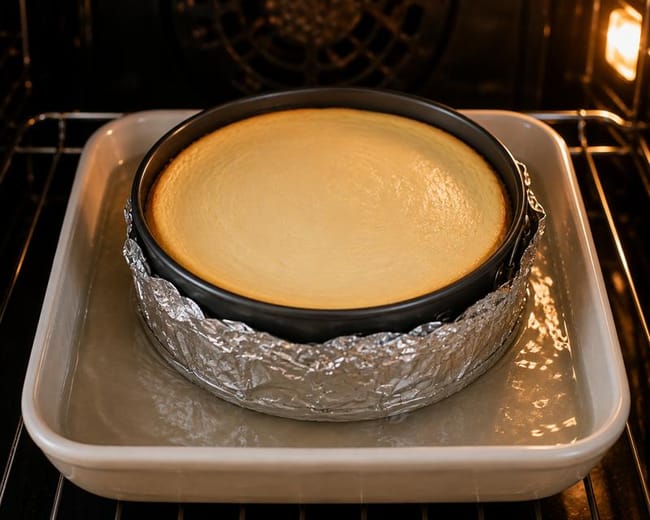
Pour the batter over the cooled crust. Wrap the outside of the pan in water-resistant foil and place it in a large baking dish, ready to receive the hot water bath.
The water bath is what prevents the outer edge from overcooking while the center sets gently.

Bake in the water bath
Pour hot water into the dish to reach halfway up the pan. Bake for 55 to 65 minutes, until the edges are set but the center still jiggles slightly, like firm gelatin.
Bake until the edges are set but the center still jiggles slightly — it will finish setting as it cools.
Cool gradually
Turn off the oven, crack the door open, and let the cheesecake cool inside for one hour. Then remove it from the water bath, let it cool completely at room temperature, and refrigerate for at least 6 hours, ideally overnight.
Cooling gradually, first in the oven with the door cracked, then at room temperature, helps prevent the surface from cracking.

Chef's Tips
Common Mistakes
Why This Recipe Was Designed This Way
This recipe illustrates the core principle of intelligent ingredient choice: cream cheese, the cheesecake's absolute identifying element, remains present as the central ingredient, while its amount is rethought through combination with Greek yogurt to cut fat without losing the signature texture.
A base rebuilt with less saturated fat
The blend of light cream cheese and thick Greek yogurt keeps the sought-after tang and creaminess while noticeably cutting saturated fat compared to full-fat cream cheese used alone.
A notably less fatty crust
The amount of butter in the crust is reduced compared to the most generous versions that sometimes use double, without compromising the crust's structure once baked and cooled.
Reduced sugar thanks to real vanilla
The sugar amount in the base is lowered compared to the sweetest recipes, with real vanilla and fresh lemon compensating for this reduction without losing perceived sweetness.
Ingredient Swaps
Need to adapt the recipe? These substitutions maintain the character of the dish.
| Instead of... | Try... |
|---|---|
| Light cream cheese | A dairy-free cream cheese alternative, measured the same way |
| Granulated sugar | A natural low-glycemic sweetener suited for baking, adjusted to taste |
| Graham crackers | Digestive biscuits or a whole-grain cookie for the crust |
| Real vanilla bean | 1 extra teaspoon of pure vanilla extract if unavailable |
What Research Says
Blending Greek yogurt into the classic cream-cheese filling increases protein per slice and slightly lightens the saturated fat load without changing the tangy flavor cheesecake is known for — a small, targeted substitution rather than a full reinvention of the dessert.
Estimated Nutrition
Per serving
Values estimate one of ten slices, with no additional side like fruit coulis or whipped cream.
Storage & Reheating
Store the cheesecake covered in the refrigerator for up to five days, either in the pan or transferred to a plate covered with plastic wrap. The texture often improves after one or two additional days of resting, as the flavors have time to settle.
Reheating
Cheesecake is best enjoyed cold or slightly tempered, never reheated, as heat would melt its signature texture. Take it out of the refrigerator 15 to 20 minutes before serving so it regains a little softness without losing its structure.
Freezing
Cheesecake freezes very well whole or in individual slices, well wrapped in plastic wrap then foil, for up to two months. Thaw slowly in the refrigerator overnight before serving, never at room temperature.
Meal Prep Tips
This dessert is ideal to make one or two days ahead, as its time resting in the refrigerator is an integral part of the recipe and even improves the final texture. The crust can be prepared and pre-baked the night before and kept covered at room temperature.
Serving Suggestions
Serve chilled, sliced with a warm knife wiped clean between cuts for neat edges, and top individual slices with fresh berries rather than a heavy sauce to keep the focus on the tangy filling.
Frequently Asked Questions
Is New York cheesecake traditionally made with full-fat cream cheese?
Yes, most traditional recipes use exclusively full-fat cream cheese in large amounts, giving a very rich texture but also a high saturated fat load. This recipe keeps cream cheese as the central ingredient but combines it with Greek yogurt, making it a smart adaptation rather than the only possible version.
Why did my cheesecake crack on top?
Baking too hot, overbeating after adding the eggs, or cooling too abruptly are the most common causes; keep the low temperature, mix gently, and let it cool gradually in the turned-off oven.
Can I use only cream cheese without yogurt?
You can, but it noticeably raises the dessert's saturated fat; the combination with Greek yogurt proposed here is a deliberate choice to cut that load while keeping the sought-after tang and creaminess.
Why is my texture grainy rather than smooth?
The cream cheese or yogurt was likely still cold at mixing time, preventing even incorporation; always let these ingredients reach room temperature before starting.
Can I make a gluten-free version?
Replace the graham crackers with certified gluten-free dry biscuits; the crust's texture stays largely similar with this simple substitution.
How do I know when the cheesecake is baked enough?
Gently shake the pan: the edges should be firm while the center still jiggles slightly, like firm gelatin; the cake continues to set as it cools.
Can I reduce the sugar even further?
A further reduction risks making the dessert noticeably less sweet despite the vanilla and lemon; the stated amount already represents a good balance between lightening and taste satisfaction.
Is this recipe appropriate for kids?
The dish generally works for a special occasion, watching the wheat, milk, and egg allergens present in the recipe.
Can I skip the water bath?
The water bath isn't strictly mandatory, but skipping it noticeably raises the risk of surface cracks and uneven baking; it remains strongly recommended for a professional result.
Does this recipe guarantee weight loss?
No. It remains a full dessert containing sugar and fat, even when intelligently rethought compared to the traditional version; results depend on overall diet, activity, and individual factors. Anyone pursuing a specific health goal should seek personalized professional guidance.
Related Recipes
If you enjoyed this Balanced New York Cheesecake, you may also like these recipes from our 🍮 World Dessert Icons collection.
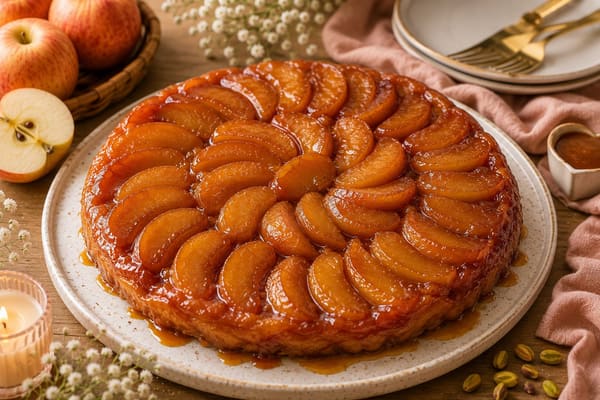
🥧 Balanced Tarte Tatin
Tarte Tatin is an iconic French dessert: apples caramelized in a generous amount of butter and sugar, topped with an all-butter puff pastry…
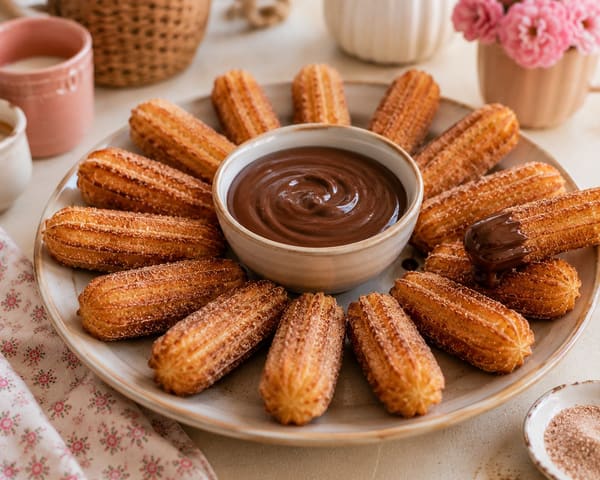
🍩 Balanced Oven-Baked Churros
Churros are an iconic Spanish treat: a simple dough of water, flour, and butter, piped into long ridged sticks, plunged into a deep fryer,…
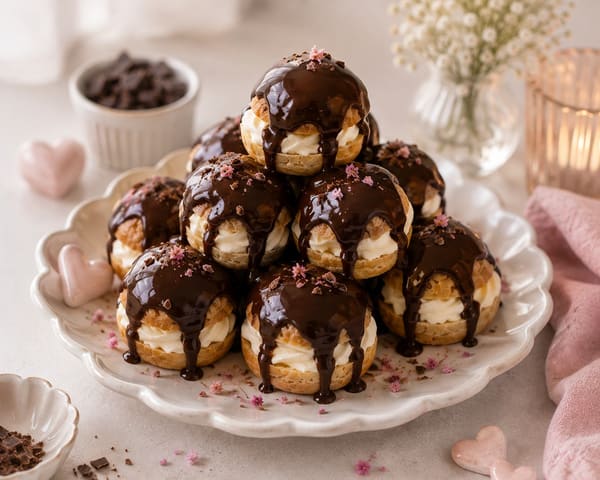
🍮 Balanced Profiteroles
Profiteroles are an unshakeable classic of French pastry: small light choux buns filled with whipped cream or ice cream, topped with a rich…