
Balanced Tarte Tatin
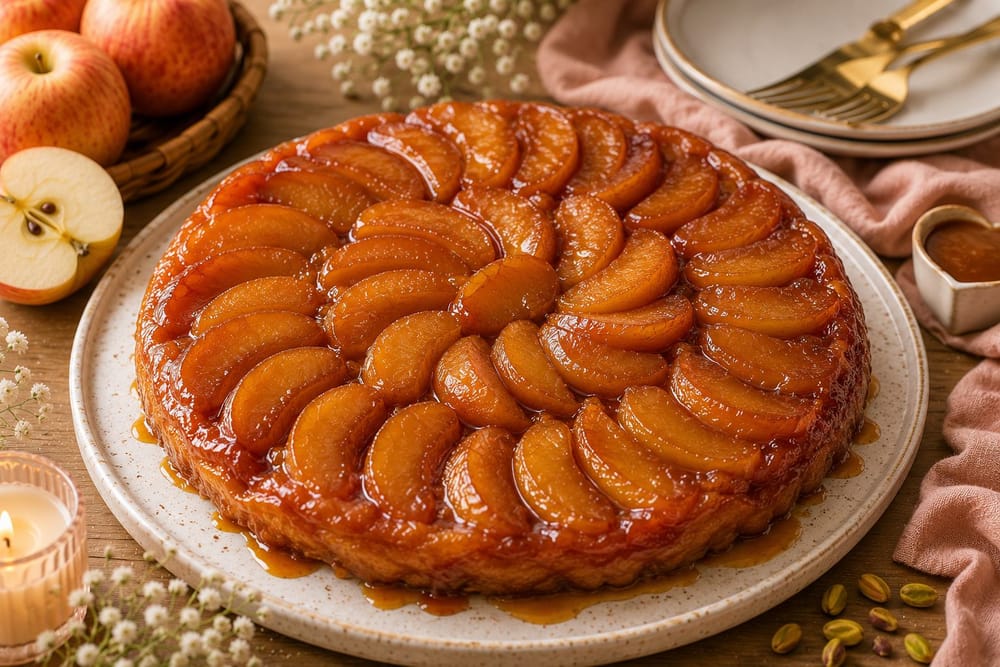
Tarte Tatin is an iconic French dessert: apples caramelized in a generous amount of butter and sugar, topped with an all-butter puff pastry often bought ready-made, then flipped after baking to reveal their glossy caramel. A traditional slice frequently exceeds 420 calories, largely because of butter used twice in the recipe: once in the caramel, and again in the industrial puff pastry, which often contains over 200 g for a whole round. This version keeps the signature contrast between the tender apples and the crisp pastry, but intelligently rethinks the pastry and the fruit-to-pastry ratio to sharply cut fat load without ever compromising the dessert's identity.
The principle guiding this recipe is to distinguish what truly defines a tarte Tatin from what can be intelligently adjusted. The golden caramel, made by cooking butter and sugar together until deeply amber, is this dessert's absolute identifying element: without it, it's no longer a tarte Tatin but a simple apple tart. This recipe therefore keeps the principle of a butter caramel, but reduces the amount compared to the most generous versions, with the natural sweetness of well-ripened apples compensating for part of the sugar usually needed.
It's the pastry, not the caramel, that offers the biggest opportunity for intelligent lightening. Traditional all-butter puff pastry, often bought ready-made and particularly rich in fat due to its multiple lamination folds, gives way to a homemade shortcrust combining whole-wheat and all-purpose flour. This shortcrust contains noticeably less butter than an equivalent-sized puff pastry, while keeping enough fat to stay crumbly and flavorful once baked under the apples.
The proportion of apples relative to the pastry is also increased compared to many traditional recipes, which mechanically shifts the dessert's nutritional balance toward more fiber and vitamins naturally present in the fruit, and less toward the pastry's refined carbohydrates. This approach perfectly illustrates the concept of intelligent ingredient choice: the caramel, an indispensable technical and identifying function, stays unchanged in principle; the pastry, where the butter amount largely exceeds what's needed for texture in industrial versions, is thoroughly rethought.
Success with this recipe depends mainly on patience during caramelization, which must reach a deep amber color without burning, and on choosing firm apples that keep their shape during baking rather than collapsing into applesauce under the pastry's weight.
One serving is a generous slice of tart, with its tender apples and caramel. It's a visually and gustatorily satisfying dessert, needing no extra ice cream or whipped cream to feel complete.
Recipe Information
| Prep Time | 30 minutes |
| Cook Time | 45 minutes |
| Resting | 15 minutes |
| Total Time | About 1 hour 30 minutes |
| Servings | 8 slices |
| Difficulty | Intermediate |
| Calories | About 250 kcal each* |
Quick Highlights
- ✅ A smart choice that preserves the identifying element
- ✅ A shortcrust notably lower in fat than store-bought puff pastry
- ✅ An increased fruit proportion
- ✅ Reduced sugar thanks to the fruit's natural sweetness
Ingredients


Step-by-Step Instructions
Prepare the shortcrust
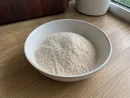
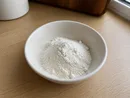
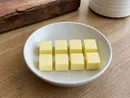
Mix both flours in a large bowl. Work the cold cubed butter in with your fingertips until you get a coarse, sandy texture. Add the ice water gradually until the dough comes together without being sticky. Shape into a flattened ball, wrap, and refrigerate for 30 minutes.
Keep the butter cold while mixing so the dough stays flaky rather than tough.

Prepare the apples
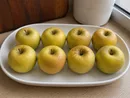
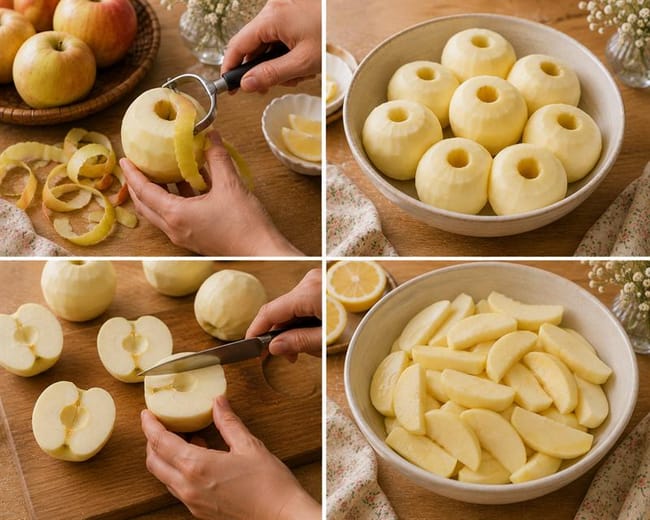
Peel, core, and cut the apples into large wedges or halves depending on their size. Set aside in a bowl with a splash of lemon juice to keep them from browning while you make the caramel.
Peel, core, and halve the apples so they cook evenly and pack tightly into the pan.
Make the caramel
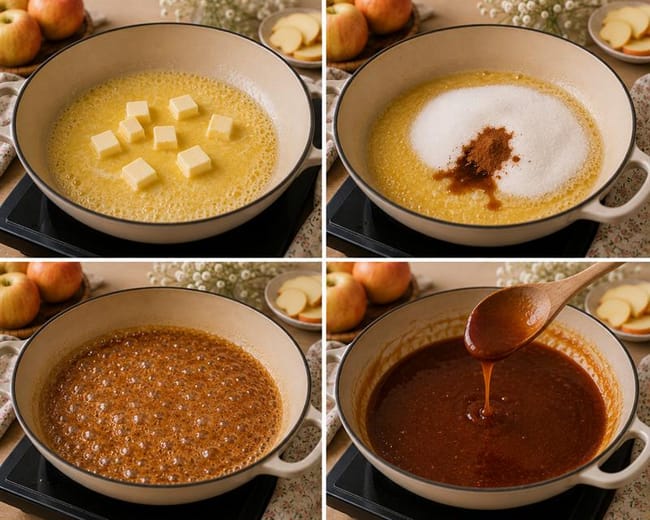
In an oven-safe pan suitable for stovetop use, melt the butter over medium heat, add the sugar, cinnamon, and vanilla, and cook without stirring until deeply amber, about 8 to 10 minutes.
Cook until the caramel reaches a deep amber color, which is where its full flavor develops.
Arrange the apples in the caramel
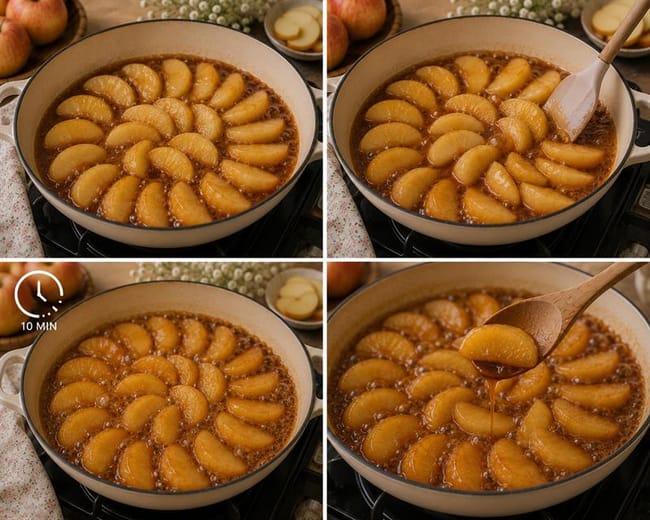
Remove the pan from heat and immediately arrange the apple wedges tightly against each other directly in the hot caramel, in a single well-packed layer.
Arrange the apples cut-side up in a tight, even layer directly into the hot caramel.

Pre-cook the apples
Cook the apples in the caramel over medium heat for 10 minutes, until they start to soften slightly on the surface while keeping their shape.
This brief pre-cook softens the apples slightly so they finish cooking evenly under the pastry.
Roll out and place the pastry
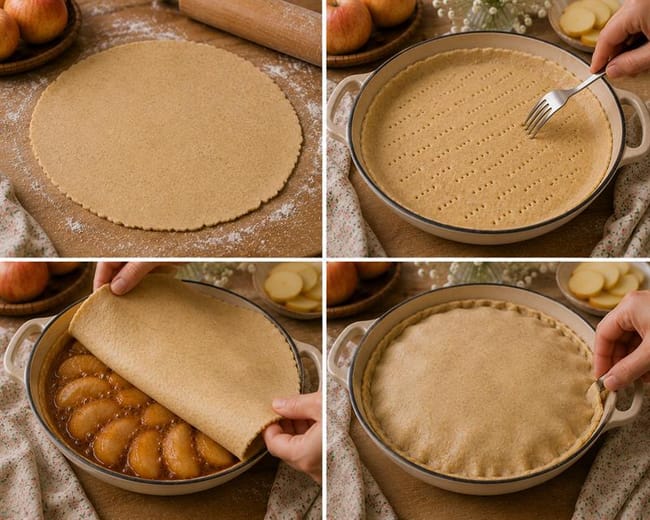
Preheat the oven to 190°C (375°F). Roll out the shortcrust into a disk slightly larger than the pan, prick it with a fork, then gently place it over the apples, tucking the edges down inside the pan.
Trim the pastry to fit just inside the pan, tucking the edges down around the apples.
Bake
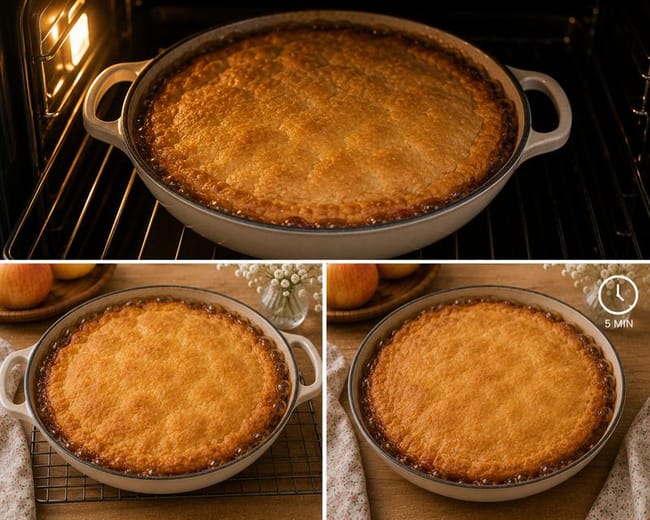
Bake for 30 to 35 minutes, until the pastry is well golden and crisp. Let rest for 5 minutes out of the oven before unmolding.
Bake until the pastry is deeply golden and the caramel is bubbling at the edges.
Unmold and serve
Gently run a knife along the edges of the pan, place a serving plate on top, and quickly and firmly flip in one motion to reveal the caramelized apples.
Let the tart rest for a few minutes before inverting so the caramel sets slightly and doesn’t spill.

Chef's Tips
Common Mistakes
Why This Recipe Was Designed This Way
This recipe illustrates the core principle of intelligent ingredient choice: the butter caramel, an indispensable technical and identifying function of tarte Tatin, stays unchanged in principle, while the pastry, where the butter amount far exceeds what's needed for texture in industrial versions, is thoroughly rethought.
A shortcrust notably lower in fat than store-bought puff pastry
Switching to a homemade shortcrust noticeably cuts the butter amount compared to an equivalent-sized puff pastry, which often contains more than double due to its multiple lamination folds.
An increased fruit proportion
Increasing the amount of apples relative to the pastry mechanically shifts the dessert's nutritional balance toward more fiber and natural vitamins, and less toward refined carbohydrates.
Reduced sugar thanks to the fruit's natural sweetness
The sugar amount in the caramel is lowered compared to the most generous versions, with the apples' ripeness and the cinnamon and vanilla flavors compensating for this reduction without losing perceived sweetness.
Ingredient Swaps
Need to adapt the recipe? These substitutions maintain the character of the dish.
| Instead of... | Try... |
|---|---|
| Butter for the caramel | A dairy-free butter alternative, measured the same way |
| Granulated sugar for the caramel | Coconut sugar for a slightly different, deeper caramel flavor |
| Butter for the shortcrust | A dairy-free butter alternative, kept very cold before mixing |
| Firm baking apples | Firm pears, for a variation on the classic |
What Research Says
Using whole-wheat pastry flour for part of the crust adds fiber that a classic all-purpose crust doesn’t provide, while the apples themselves contribute natural fiber and vitamin C — modest changes that don’t alter the dessert’s identity but nudge its overall nutritional profile in a favorable direction.
Estimated Nutrition
Per serving
Values estimate one of eight slices, with no additional side. The apple variety used, their exact ripeness, and the thickness of the rolled pastry slightly change the result.
Storage & Reheating
Store the tart at room temperature under a cake dome or clean towel for up to a day, or refrigerated, covered, for up to three days. The caramel may slightly harden when cold, which is normal and doesn't affect the flavor.
Reheating
Reheat a slice in the oven at 160°C (325°F) for 8 to 10 minutes to restore some crispness to the pastry and soften the cooled caramel; avoid the microwave, which completely softens the pastry without evenly warming the caramel.
Freezing
The baked tart freezes well whole or in individual slices, well wrapped, for up to two months. Thaw in the refrigerator overnight then reheat in the oven to restore the original texture; the pastry may lose some of its initial crispness after freezing.
Meal Prep Tips
The shortcrust can be made up to two days ahead and kept wrapped in the refrigerator, or frozen for up to a month. The apples can be peeled and cut a few hours ahead if kept in lemon water to prevent browning.
Serving Suggestions
Invert onto a serving plate while still slightly warm so the caramel stays glossy, and serve plain or with a small spoonful of Greek yogurt instead of cream for extra protein.
Frequently Asked Questions
Is tarte Tatin traditionally made with puff pastry?
Both versions exist depending on the region and the pastry chef, with all-butter puff pastry being common in many commercial bakeries. This recipe keeps the tart's crisp spirit but opts for a much less fatty homemade shortcrust, making it a smart adaptation rather than the only possible version.
Can I reduce the caramel's butter further?
A further reduction directly compromises the caramel's characteristic color and flavor; unlike the pastry, this ingredient serves an identifying function that doesn't tolerate significant lightening.
Why did my apples turn into applesauce?
The variety used was likely too tender, or the cooking time in the caramel before adding the pastry was too long; choose firm apples and follow the stated pre-cook time.
Can I make a gluten-free version?
Replace both flours with a gluten-free flour blend specific to shortcrust pastry; the texture may vary slightly, notably the crumbliness, which relies on gluten in the traditional recipe.
Can I make a dairy-free version?
Replace the butter in both the caramel and the pastry with a pastry-grade plant-based margarine; the result will differ slightly in flavor but stays entirely achievable.
Which apple variety works best?
Firm varieties like Reinette, Golden Delicious, or Braeburn keep their shape during baking; avoid mealy or very juicy varieties, which would break down under the pastry's weight.
How do I know when the caramel is ready?
The caramel should reach a deep amber color, close to golden brown, without turning black or giving off a burnt smell; remove it from heat as soon as this color is reached.
Is this recipe appropriate for kids?
The dish generally works for a special occasion, watching the wheat and milk allergens present in the recipe, and letting the caramel cool enough before serving.
Can I use an oven-safe skillet instead of a tart pan?
Yes, a cast-iron skillet suitable for the oven works very well for this recipe and even makes it easier to go directly from cooking the caramel to baking the tart.
Does this recipe guarantee weight loss?
No. It remains a full dessert containing sugar and fat, even when intelligently rethought compared to the traditional version; results depend on overall diet, activity, and individual factors. Anyone pursuing a specific health goal should seek personalized professional guidance.
Related Recipes
If you enjoyed this Balanced Tarte Tatin, you may also like these recipes from our 🍮 World Dessert Icons collection.
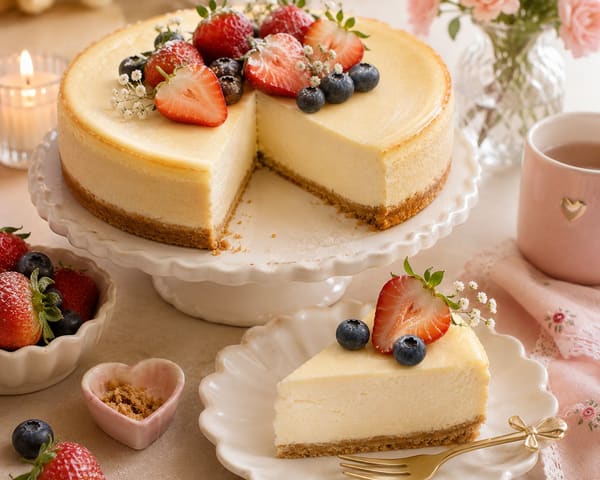
🍰 Balanced New York Cheesecake
New York cheesecake is an iconic dessert: a dense, creamy base of full-fat cream cheese, eggs, and sugar, slowly baked in a water bath over…
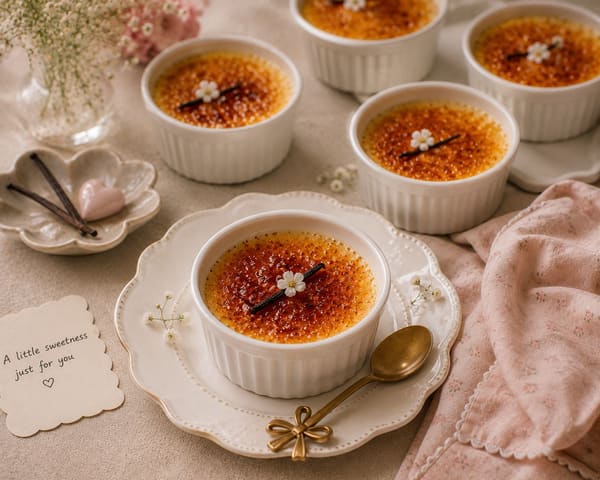
🍮 Balanced Crème Brûlée
Crème brûlée is an iconic French pastry dessert: a silky vanilla custard, typically made with pure heavy cream and many egg yolks, topped…
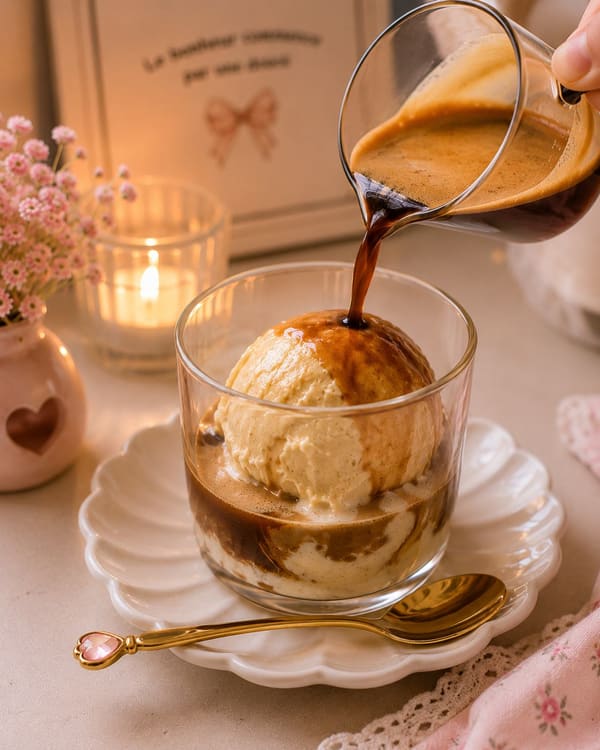
☕ Balanced Affogato
Affogato is an Italian dessert of radical simplicity: a scoop of vanilla gelato, literally "drowned" under a freshly made hot espresso,…