
Balanced Profiteroles
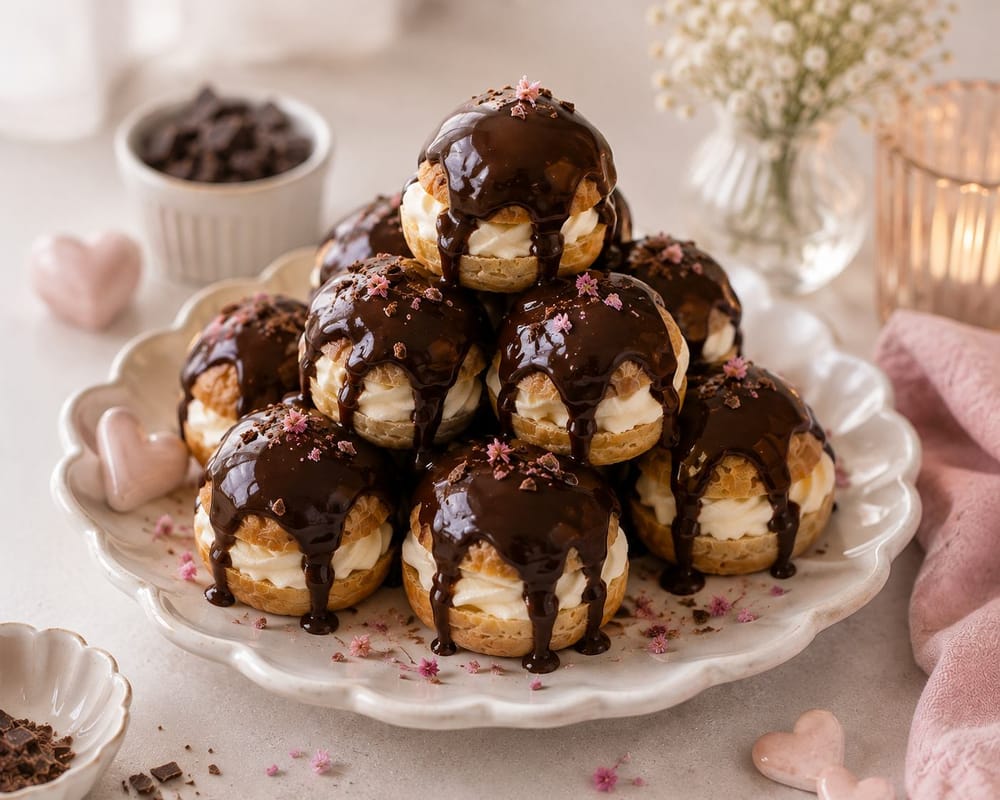
Profiteroles are an unshakeable classic of French pastry: small light choux buns filled with whipped cream or ice cream, topped with a rich chocolate sauce built on cream and butter. A serving of three traditional profiteroles can easily exceed 550 calories and 35 g of fat, largely because of the filling and sauce rather than the bun itself. This version keeps the signature textural contrast between the crisp choux and the melting filling, but intelligently rethinks the filling and sauce to sharply cut caloric load without ever compromising the dessert's identity.
The principle guiding this recipe is to precisely distinguish what's technically indispensable from what can be intelligently lightened. The choux pastry itself contains butter for a non-negotiable structural reason: it's the fat that, combined with steam during baking, creates the signature puff and the hollow structure that allows the bun to be filled. Excessively cutting the butter in the dough would produce flat, dense buns rather than light, hollow ones; this recipe therefore keeps a butter amount close to the traditional version, but combines it with some whole-wheat flour to add fiber without compromising the puff.
It's the filling, not the dough, that carries most of this recipe's intelligent lightening. The traditional pure whipped cream, or worse the ice cream used in some versions, is replaced with a blend of thick Greek yogurt and a small amount of whipped light cream, modestly sweetened with vanilla. This blend keeps the creaminess and slight tang that contrast pleasantly with the chocolate, while adding protein and sharply cutting saturated fat compared to a classic 30%-plus whipped cream.
The chocolate sauce also changes composition deliberately. Rather than a traditional ganache built on heavy cream and butter added to chocolate, this version melts dark, high-cacao chocolate directly into hot milk. Intense dark chocolate naturally needs less added sugar than the milk chocolate used in many traditional recipes, while offering a deeper flavor that compensates for the reduced fat in the sauce itself.
Success with this recipe depends mainly on choux pastry technique, which requires precise cooking of the panade before eggs are incorporated, and an oven hot enough without being opened prematurely, which would cause the buns to deflate before finishing drying inside.
One serving is three filled profiteroles with their sauce. It's a satisfying mouthful thanks to the texture contrast, needing no fourth or fifth piece to feel like a complete dessert.
Recipe Information
| Prep Time | 35 minutes |
| Cook Time | 30 minutes |
| Resting | 30 minutes |
| Total Time | About 1 hour 35 minutes |
| Servings | 6 servings (18 buns) |
| Difficulty | Advanced |
| Calories | About 280 kcal each* |
Quick Highlights
- ✅ A smart choice that preserves what's indispensable
- ✅ A filling rebuilt with roughly half the saturated fat
- ✅ Dark chocolate that naturally cuts added sugar
- ✅ A sauce with no added cream or butter
Ingredients





Step-by-Step Instructions
Prepare the panade
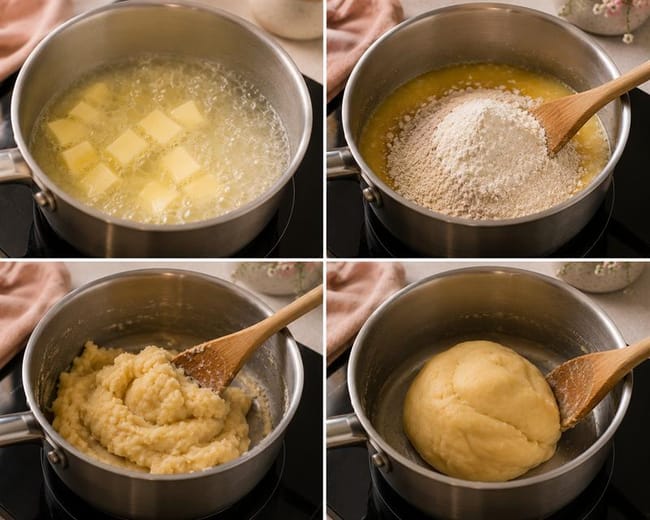
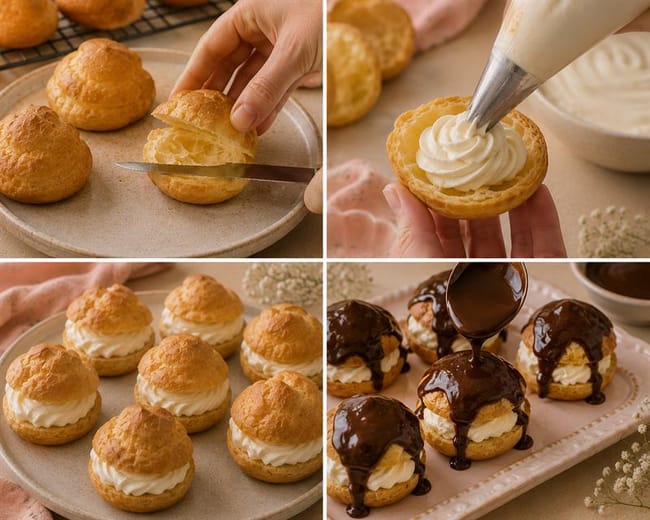
In a saucepan, bring 150 ml of water to a boil with the diced butter and a pinch of salt. Once the butter has melted, remove from heat and pour in both flours combined all at once, stirring vigorously until you get a smooth ball that pulls away from the sides.
Bring the mixture to a full boil so the butter melts completely before the flour is added.
Dry out the panade over heat
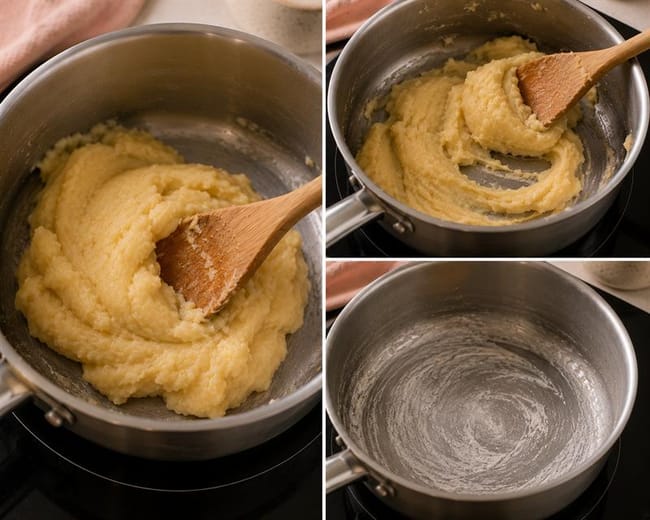
Return the saucepan to low heat and stir the panade for 2 to 3 minutes to evaporate excess moisture, until a thin whitish film forms on the bottom of the pan. This step is essential for the dough to properly absorb the eggs afterward.
Stir constantly over medium heat until a thin film forms on the bottom of the pan, which drives off excess moisture.
Incorporate the eggs one at a time
Transfer the panade to a bowl and let cool for 5 minutes. Incorporate the eggs one at a time, mixing vigorously between each addition until fully absorbed, to get a smooth, glossy, pliable dough that forms a ribbon falling from the spoon.
Beat well after each egg until fully absorbed before adding the next, for a smooth, glossy dough.

Pipe the choux buns
Preheat the oven to 200°C (400°F). Using a piping bag, pipe eighteen even small buns about 4 cm in diameter onto a parchment-lined baking sheet, spacing them well apart so they don't touch as they puff.
Pipe even rounds spaced well apart, since they expand significantly in the oven.

Bake the buns without opening the oven
Bake for 25 to 30 minutes without opening the oven door before the stated time is up, until the buns are well puffed and evenly golden. Turn off the oven, crack the door open, and let the buns dry inside for 5 more minutes to keep them from deflating as they cool.
Keep the oven door closed for the full bake time, since a sudden temperature change can collapse the puffs.

Prepare the filling
Whip the light cream until firm but not grainy. Gently fold it into the Greek yogurt sweetened with powdered sugar, lifting the mixture with a spatula to keep the whipped cream's airiness.
Whip briefly, just until soft peaks form, to keep the filling light rather than dense.

Prepare the chocolate sauce
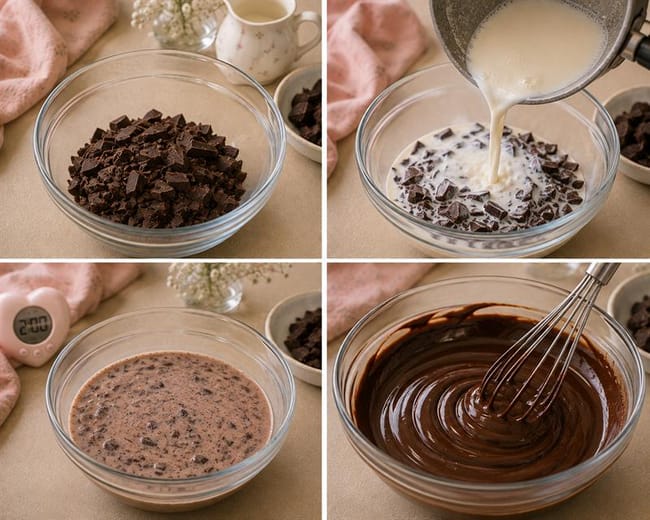
Heat the milk until simmering, then pour it over the chopped chocolate in a bowl. Let sit for 2 minutes without stirring, then gently mix from the center outward until smooth and glossy.
Melt gently over low heat, stirring often, until glossy and pourable.
Fill and top the buns
Cut each cooled bun in half horizontally, generously fill with the yogurt cream, close, and top with warm or lukewarm chocolate sauce right before serving.
Fill just before serving so the shells stay crisp rather than softening from the filling.
Chef's Tips
Common Mistakes
Why This Recipe Was Designed This Way
This recipe illustrates the core principle of intelligent ingredient choice: the choux pastry keeps its butter intact because it's structurally irreplaceable, while the filling and sauce, where fat serves a less critical function in quantity, are thoroughly rethought.
A filling rebuilt with roughly half the saturated fat
The blend of thick Greek yogurt and whipped light cream keeps the sought-after creaminess while sharply cutting saturated fat compared to a pure whipped cream used alone across the whole volume.
Dark chocolate that naturally cuts added sugar
Switching to 70% dark chocolate rather than milk chocolate allows a less sweet sauce without sacrificing intensity, the concentrated cacao compensating for the sugar reduction with its own aromatic richness.
A sauce with no added cream or butter
Unlike a traditional ganache combining heavy cream and butter with chocolate, this sauce relies only on milk and chocolate, notably cutting the dessert's total saturated fat load.
Ingredient Swaps
Need to adapt the recipe? These substitutions maintain the character of the dish.
| Instead of... | Try... |
|---|---|
| Light whipping cream | Thick plain Greek yogurt alone, whipped briefly, for an even lighter filling |
| Powdered sugar for the filling | A light dusting only, or a natural low-glycemic sweetener |
| 70% dark chocolate | A lower-sugar dark chocolate, 80% or higher, for the sauce |
| Butter for the choux pastry | A dairy-free butter alternative, measured the same way |
What Research Says
Replacing a portion of the classic whipped-cream filling with thick Greek yogurt increases the protein content of each profiterole noticeably while keeping the same light, creamy mouthfeel — a swap consistent with broader nutrition guidance to favor protein-rich dairy where the texture allows it.
Estimated Nutrition
Per serving
Values estimate one serving of three filled, topped profiteroles, out of a total of six servings. The exact fat content of the yogurt and cream used, along with the cacao percentage of the chocolate, slightly change the result.
Storage & Reheating
Store unfilled buns in an airtight container at room temperature for up to two days, or in the freezer for up to a month. The filling and sauce keep separately in the refrigerator for up to two days in separate airtight containers. Never fill the buns ahead of time, as moisture would quickly soften their crisp shell.
Reheating
Unfilled buns can be reheated in the oven at 160°C (325°F) for 5 minutes to restore crispness after storage, then cooled completely before filling. The chocolate sauce reheats gently in a double boiler or in short microwave bursts, stirring between each.
Freezing
Baked, cooled buns freeze particularly well unfilled, laid flat on a tray then transferred to an airtight container, for up to a month. Thaw at room temperature then briefly reheat in the oven to revive their crispness before filling. The filling and sauce don't freeze well and should be prepared fresh.
Meal Prep Tips
The buns can be made several days ahead and frozen, considerably simplifying planning for a gathering. The chocolate sauce is easy to make the night before and reheat gently before use. Prepare the yogurt-and-cream filling only a few hours before serving to keep its full airy lightness.
Serving Suggestions
Assemble just before serving and drizzle the warm chocolate sauce over the top at the table for the best visual effect and the freshest shell texture.
Frequently Asked Questions
Are profiteroles traditionally filled with whipped cream or ice cream?
Both versions exist depending on the region and pastry shop, with pure whipped cream and vanilla ice cream being the most common fillings. This recipe keeps the dessert's creamy, contrasted spirit but combines Greek yogurt and light cream, making it a smart adaptation rather than the only possible version.
Can I reduce the butter in the choux pastry further?
A further reduction directly compromises the bun's signature puff; unlike the filling and sauce, this ingredient serves a structural function that doesn't tolerate significant lightening.
Why did my buns deflate coming out of the oven?
The oven was likely opened too early during baking, or the buns didn't dry out enough inside before removal; always leave them a few extra minutes in the turned-off, cracked-open oven.
Can I make a gluten-free version?
Replace both flours with a gluten-free flour blend specific to choux pastry; the texture may vary slightly, notably the puff, which relies heavily on gluten in the traditional recipe.
Can I make a dairy-free filling?
Replace the Greek yogurt with a thick plant-based alternative and the light cream with a whippable plant cream; the result will differ slightly in texture but stays satisfying.
Can I use milk chocolate instead of dark chocolate?
You can, but the sauce will then need more added sugar for a balanced result, and the recipe's overall caloric load will noticeably increase.
How do I keep the buns crisp longer after filling?
There's no perfect solution: the moist filling inevitably softens the shell within a few hours; fill as close to serving time as possible for the best result.
Is this recipe appropriate for kids?
The dish generally works for a special occasion, watching the wheat, milk, and egg allergens present in the recipe.
Can I prepare the buns the night before without freezing them?
Yes, kept in an airtight container at room temperature, they retain a good part of their crispness; a brief trip through the oven before filling revives their texture.
Does this recipe guarantee weight loss?
No. It remains a full dessert containing sugar and fat, even when intelligently rethought compared to the traditional version; results depend on overall diet, activity, and individual factors. Anyone pursuing a specific health goal should seek personalized professional guidance.
Related Recipes
If you enjoyed this Balanced Profiteroles, you may also like these recipes from our 🍮 World Dessert Icons collection.

🍮 Balanced Crème Brûlée
Crème brûlée is an iconic French pastry dessert: a silky vanilla custard, typically made with pure heavy cream and many egg yolks, topped…
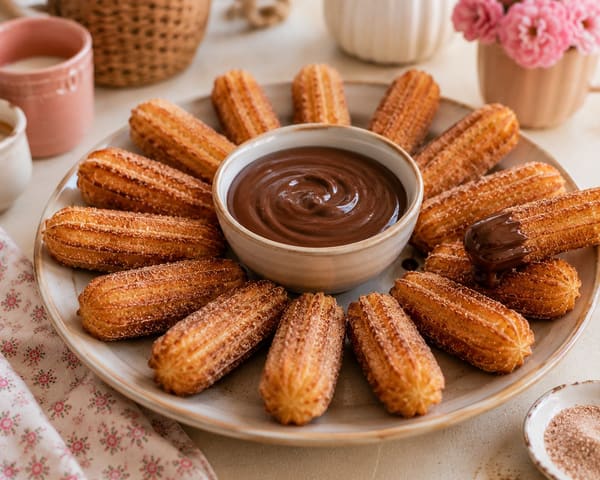
🍩 Balanced Oven-Baked Churros
Churros are an iconic Spanish treat: a simple dough of water, flour, and butter, piped into long ridged sticks, plunged into a deep fryer,…
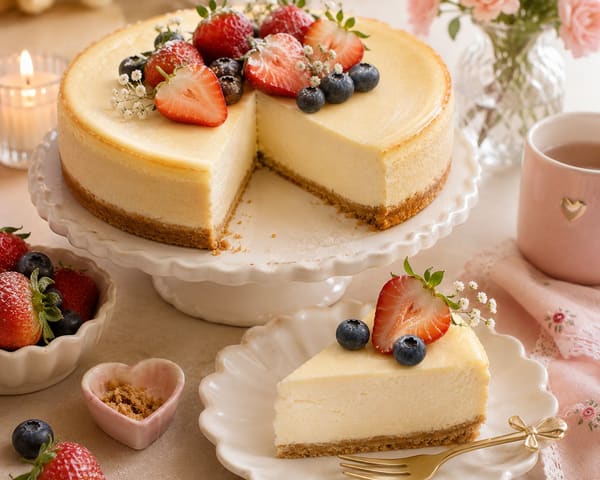
🍰 Balanced New York Cheesecake
New York cheesecake is an iconic dessert: a dense, creamy base of full-fat cream cheese, eggs, and sugar, slowly baked in a water bath over…