
Balanced Cheeseburger
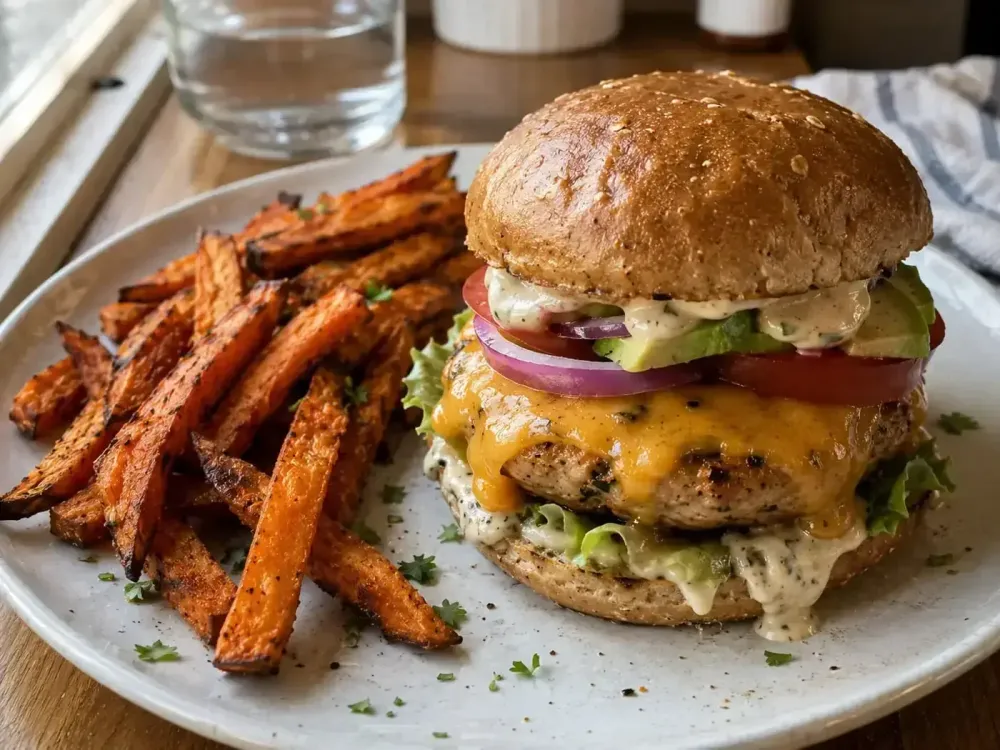
A great cheeseburger shouldn't feel like something you have to give up. It should be juicy, satisfying, and
packed with layers of flavor — from a perfectly seasoned patty to crisp vegetables and a toasted bun that
holds everything together. This version keeps everything people love about a classic cheeseburger while
making a few thoughtful ingredient choices that fit well within a heart-conscious eating pattern.
Instead of relying on ingredients that are typically higher in saturated fat, this recipe uses a lean turkey
patty, a whole wheat bun, creamy avocado, plenty of fresh vegetables, and a lighter cheese. A simple Greek
yogurt herb sauce replaces traditional mayonnaise, adding creaminess with less saturated fat while keeping
the burger rich and satisfying.
The result isn't a "diet burger." It's simply a delicious homemade cheeseburger built around ingredients
commonly included in balanced dietary patterns that emphasize whole grains, vegetables, lean proteins, and
unsaturated fats. Whether you're preparing dinner for your family, meal-prepping lunches, or simply looking
for a homemade burger that feels both comforting and fresh, this recipe delivers all the classic flavors
without losing its identity.
Recipe Information
| Prep Time | 20 minutes |
| Cook Time | 12 minutes |
| Total Time | 32 minutes |
| Servings | 4 burgers |
| Difficulty | Easy |
| Calories | ~460 kcal per serving |
Quick Highlights
- ✅ Ready in about 30 minutes
- ✅ Juicy lean turkey burger
- ✅ Whole-grain bun
- ✅ Rich in vegetables
- ✅ Lower in saturated fat than many traditional cheeseburgers
- ✅ Family-friendly
- ✅ Perfect for weeknight dinners
Ingredients
Makes 4 cheeseburgers.
















Step-by-Step Instructions
Prepare the Greek Yogurt Herb Sauce
Before you begin cooking the burgers, prepare the sauce so the flavors have time to blend together.
In a small bowl, combine ½ cup (120 g) plain Greek yogurt, 1 tablespoon chopped fresh dill, 1 teaspoon Dijon mustard, 1 teaspoon fresh lemon juice, 1 minced garlic clove, and a pinch of black pepper. Mix until completely smooth. Cover and refrigerate while preparing the remaining ingredients.

Prepare the Burger Patties
Place the lean ground turkey in a large mixing bowl. Add the remaining minced garlic, smoked paprika, Dijon mustard, black pepper, and salt. Using clean hands, gently combine everything until the seasonings are evenly distributed. Avoid squeezing or overworking the meat.
Divide the mixture into four equal portions. Shape each into a patty approximately 1.5 cm (½ inch) thick. Press a shallow indentation into the center of each patty using your thumb — this helps the burgers cook evenly and prevents them from puffing up during cooking.

Cook the Patties
Heat a cast-iron skillet, grill pan, or outdoor grill over medium-high heat. Lightly brush each patty with extra virgin olive oil. Cook for approximately 5–6 minutes on the first side. Flip carefully using a spatula, then cook for another 4–5 minutes, or until the internal temperature reaches 74°C (165°F).
During the last minute of cooking, place one slice of reduced-fat cheddar on top of each patty. Cover the pan briefly to help the cheese melt evenly.

Toast the Buns
Slice each whole wheat bun. Toast the cut sides for 1–2 minutes until lightly golden. A lightly toasted bun stays firmer, improves texture, and prevents the sauce from soaking into the bread too quickly.

Assemble the Burgers
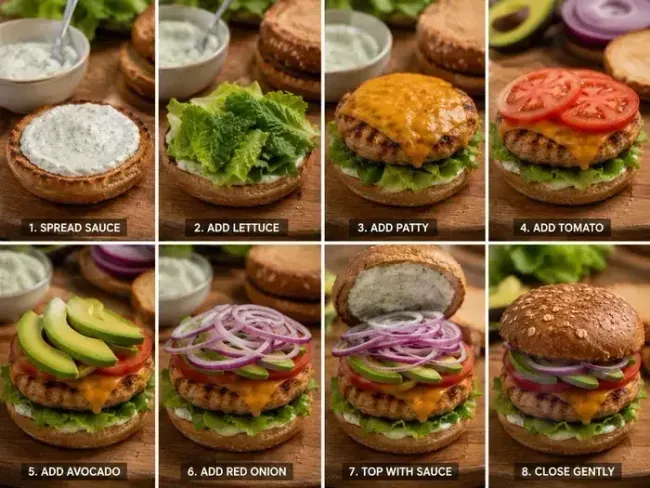
Spread a generous spoonful of the Greek yogurt herb sauce on the bottom half of each bun. Layer the ingredients in this order: romaine lettuce, turkey patty with melted cheddar, tomato slices, avocado slices, and red onion.
Finish with another small spoonful of sauce inside the top bun. Close gently.
Serve Immediately
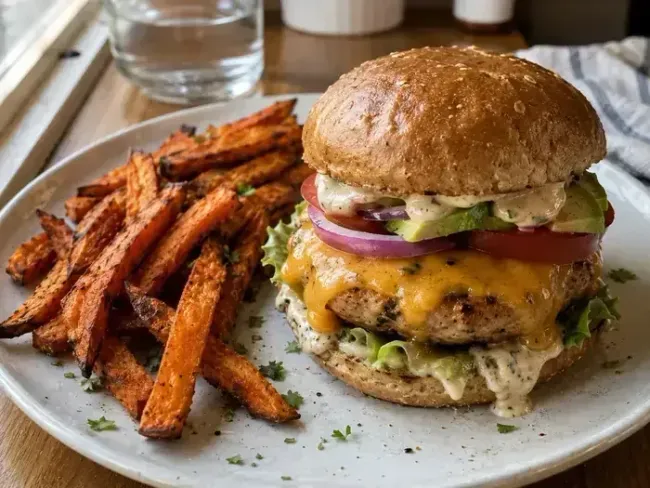
Serve the burgers immediately while the patties are still hot and the cheese is perfectly melted. For a balanced meal, pair them with baked sweet potato wedges, roasted vegetables, or a crisp green salad instead of deep-fried fries.
Chef's Tips
Common Mistakes
Why This Recipe Was Designed This Way
A classic cheeseburger is one of the world's most popular comfort foods. Rather than completely reinventing
it, this recipe focuses on a few carefully chosen ingredient swaps that preserve the familiar taste and
texture while aligning more closely with dietary patterns commonly recommended for cardiovascular health.
Instead of removing everything people enjoy about a cheeseburger, the goal is to improve its overall
nutritional profile through small, practical changes that many home cooks can easily adopt. Here's why each
change was made.
🦃 Lean Turkey Instead of Higher-Fat Ground Beef
One of the biggest contributors to saturated fat in many traditional burgers is the meat itself, especially when prepared with higher-fat ground beef. Using 93–99% lean ground turkey significantly reduces saturated fat while still providing high-quality protein. Turkey has a naturally mild flavor, making it an excellent base for herbs, garlic, paprika, and other seasonings that create a juicy, flavorful burger.
🌾 Whole Wheat Bun Instead of Refined White Bread
A burger bun isn't just a vehicle for the filling — it contributes a significant portion of the meal's carbohydrates. Whole wheat buns provide more dietary fiber, additional vitamins and minerals naturally present in whole grains, a hearty texture, and improved satiety. The nutty flavor also complements grilled meats surprisingly well.
🥑 Avocado Instead of Extra Cheese or Mayonnaise
Rather than relying on large amounts of cheese or mayonnaise for richness, this recipe adds creamy avocado. Avocado contributes a naturally creamy texture, a pleasant buttery flavor, unsaturated fats, and fiber. Its richness helps the burger feel indulgent while allowing the overall recipe to use less saturated fat.
🫒 Extra Virgin Olive Oil
Only a small amount of olive oil is used. Its role isn't to make the burger oily — instead, it promotes browning, helps prevent sticking, and adds subtle fruity flavor. Extra virgin olive oil is a defining ingredient of Mediterranean-style eating patterns.
🥬 Fresh Vegetables
Many restaurant burgers contain only a token leaf of lettuce. This version intentionally includes generous amounts of romaine lettuce, tomato, red onion, and avocado. These ingredients increase texture, freshness, and volume while making every bite more satisfying.
🥣 Greek Yogurt Herb Sauce
Traditional burger sauces often rely heavily on mayonnaise. Instead, this recipe uses plain Greek yogurt combined with fresh herbs, Dijon mustard, garlic, and lemon juice. The result is creamy, bright, and tangy without overpowering the burger itself.
Ingredient Swaps
Need to adjust the recipe? Here are a few easy substitutions.
| Instead of... | Try... |
|---|---|
| Lean turkey | 95% lean ground chicken |
| Reduced-fat cheddar | Reduced-fat Swiss cheese |
| Whole wheat bun | Whole grain bun |
| Fresh dill | Fresh parsley |
| Romaine lettuce | Butter lettuce |
| Greek yogurt | Plain skyr |
| Avocado | Sliced grilled zucchini |
| Dijon mustard | Whole grain mustard |
What Research Says
The ingredients in this recipe were selected because they are commonly included in eating patterns
associated with cardiovascular health. The information below summarizes findings from research on these
ingredients. It is intended for educational purposes and should not be interpreted as medical advice.
🌾 Whole Grains
Whole grains retain the bran and germ, which contain dietary fiber, vitamins, minerals, and naturally occurring plant compounds. Large observational studies have consistently found that higher whole-grain consumption is associated with better cardiovascular health outcomes when compared with diets dominated by refined grains.
Reference: Aune D, et al. Whole grain consumption and risk of cardiovascular disease, cancer, and all cause mortality. BMJ, 2016.🫒 Extra Virgin Olive Oil
Extra virgin olive oil is rich in monounsaturated fats and naturally occurring polyphenols. It is a cornerstone of the Mediterranean dietary pattern, which has been extensively studied for cardiovascular health. When olive oil replaces foods rich in saturated fat, it can contribute to a healthier overall fat profile.
Reference: Estruch R, et al. Primary Prevention of Cardiovascular Disease with a Mediterranean Diet. New England Journal of Medicine, 2018.🥑 Avocado
Avocados provide fiber together with predominantly unsaturated fats. Several controlled feeding studies suggest that incorporating avocado into balanced diets may support lipid profiles when it replaces foods higher in saturated fat.
Reference: Wang L, et al. Effects of Avocado Consumption on Lipid Profiles. Journal of the American Heart Association, 2015.🥣 Greek Yogurt
Plain Greek yogurt offers protein and a creamy texture that can replace mayonnaise in many recipes. Using yogurt-based sauces is one practical strategy for reducing saturated fat while maintaining flavor and texture.
Reference: U.S. Dietary Guidelines for Americans (current edition).🦃 Lean Turkey
Lean turkey provides complete protein while contributing less saturated fat than many higher-fat meat blends. Using lean poultry is one example of replacing foods higher in saturated fat with leaner protein choices within a balanced eating pattern.
Reference: American Heart Association. Dietary guidance on lean protein choices.Estimated Nutrition
Per serving (1 cheeseburger)
*Estimated using reduced-sodium ingredients where possible. Nutrition values are estimates calculated from standard ingredient databases. Actual values will vary depending on ingredient brands, portion sizes, and preparation methods.
Storage & Reheating
One of the best things about these burgers is that they store well, making them a great option for meal prep. For the best texture, store the cooked patties separately from the buns and fresh toppings, then assemble the burgers just before serving.
Refrigerating
Allow the cooked patties to cool for no longer than 30 minutes before storing. Place them in an airtight container and refrigerate for up to 3 days. Store the buns, sauce, lettuce, tomato, avocado, and red onion separately to preserve the texture and freshness of the finished burger.
Freezing
The cooked turkey patties freeze very well. Once completely cool, wrap each patty individually in parchment paper or freezer-safe wrap, then place them in a freezer bag or airtight container. Freeze for up to 3 months. For best quality, thaw overnight in the refrigerator before reheating. Fresh vegetables and the yogurt sauce are best prepared fresh and are not recommended for freezing.
Reheating
Skillet (recommended): Heat a non-stick skillet over medium-low heat. Warm the patties for 3–4 minutes per side, or until heated through. If desired, add the cheese during the final minute and cover briefly to help it melt.
Oven: Preheat to 350°F (175°C). Place the patties on a baking tray and cover loosely with foil. Heat for 10–12 minutes, or until warmed through.
Microwave: Microwave each patty on medium power in 30-second intervals until hot. To help retain moisture, cover the patty with a microwave-safe lid or damp paper towel.
Meal Prep Tips
This recipe is ideal for preparing ahead. Cook all four patties at once, prepare the yogurt herb sauce in advance, wash and dry the lettuce, and slice the onion ahead of time. Toast the buns just before serving for the best texture, and slice the avocado immediately before assembling to minimize browning. You can also turn this recipe into a burger bowl by serving the patty over mixed greens, roasted sweet potatoes, tomatoes, avocado, and a spoonful of the yogurt sauce.
Serving Suggestions
Complete the meal with sides that complement the burger while adding color, texture, and variety.
Baked sweet potato wedges: Crispy on the outside and tender inside, baked sweet potato wedges pair naturally with the smoky turkey burger.
Mixed green salad: A simple salad with leafy greens, cucumber, cherry tomatoes, and a light olive oil vinaigrette keeps the meal fresh and balanced.
Grilled vegetables: Zucchini, bell peppers, asparagus, or mushrooms add extra vegetables without requiring much preparation.
Fresh fruit salad: A bowl of seasonal fruit offers a refreshing contrast to the savory flavors of the burger.
Sparkling water with lemon: A chilled glass of sparkling water with fresh lemon or lime makes a simple, refreshing beverage.
Frequently Asked Questions
Can I use lean ground beef instead of turkey?
Yes. If you prefer beef, choose a lean option such as 90–95% lean ground beef. This keeps the burger flavorful while reducing saturated fat compared with higher-fat blends.
Can I grill these burgers outdoors?
Absolutely. Cook over medium heat until the patties reach an internal temperature of 165°F (74°C). Avoid pressing the burgers while grilling to help retain their juices.
Can I make the patties ahead of time?
Yes. Shape the patties up to 24 hours in advance, cover them well, and refrigerate until ready to cook.
What is the best cheese to use?
Reduced-fat cheddar works well because it melts nicely and has a familiar flavor. Reduced-fat Swiss or provolone are also good alternatives.
Can I make this recipe dairy-free?
Yes. Omit the cheese and replace the Greek yogurt sauce with a dairy-free yogurt alternative made from soy or oats, if desired.
How do I keep turkey burgers from drying out?
Avoid overmixing the meat, cook only until it reaches a safe internal temperature, and allow the patties to rest for a couple of minutes before assembling the burgers.
Can I make this recipe gluten-free?
Yes. Use certified gluten-free burger buns and verify that your mustard and other packaged ingredients are gluten-free if needed.
Can children enjoy this recipe?
Yes. This burger is family-friendly and can easily be adapted for smaller portions. Adjust toppings according to individual preferences.
Can I prepare the sauce in advance?
Yes. The Greek yogurt herb sauce can be prepared up to 2 days ahead and stored in an airtight container in the refrigerator.
Related Recipes
If you enjoyed this recipe, you may also like:

🍕 Balanced Margherita Pizza
A classic pizza made with a whole wheat crust, vibrant tomato sauce, reduced-fat mozzarella, and fresh basil.
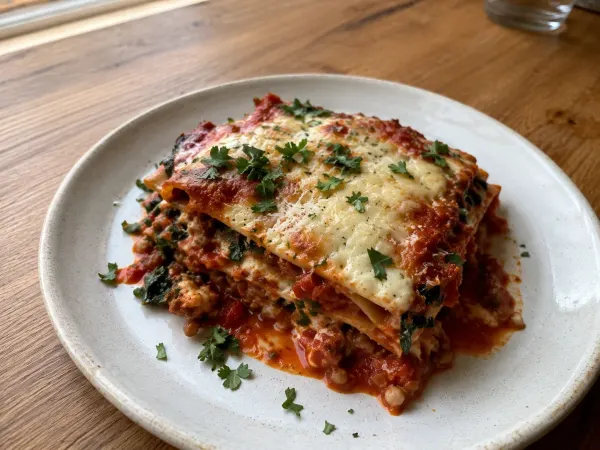
🍝 Balanced Lasagna
Layers of whole wheat pasta, lean turkey, vegetables, and lighter cheeses for a comforting family meal.
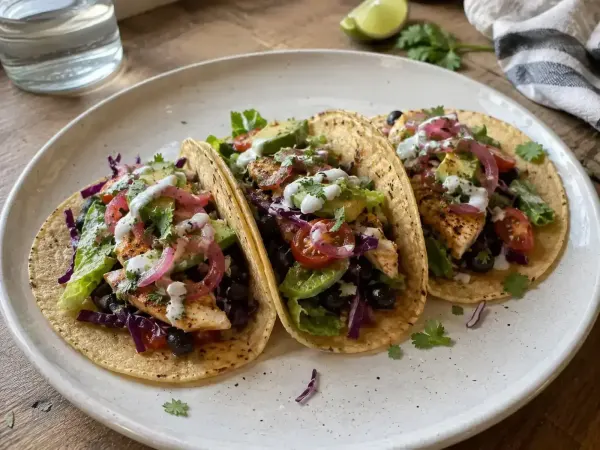
🌮 Balanced Chicken Tacos
Grilled chicken, avocado, black beans, crisp vegetables, and a fresh yogurt-lime sauce wrapped in warm corn tortillas.