
Balanced Chicken Alfredo
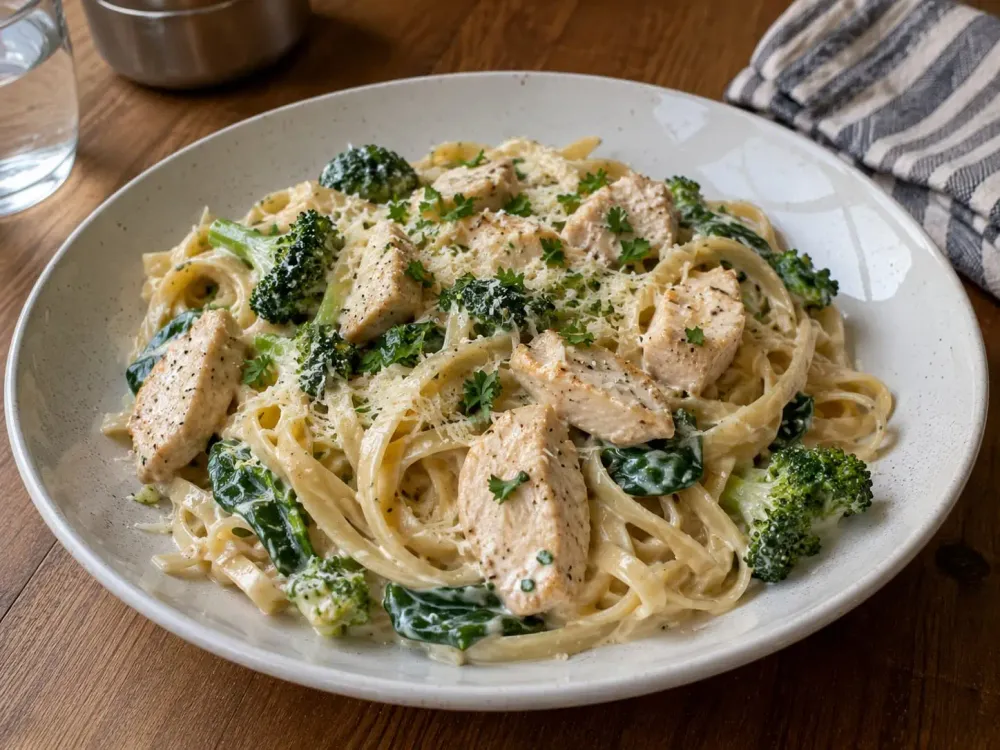
Chicken Alfredo has earned its place as one of the world's favorite comfort-food pasta dishes. The
combination of tender chicken, silky pasta, and a rich, creamy sauce makes it incredibly satisfying, but
traditional Alfredo recipes often rely on generous amounts of butter, heavy cream, and large quantities of
cheese.
This version takes a different approach. Instead of removing the creamy character that defines Alfredo, it
rebuilds the sauce using ingredients that create the same luxurious texture with a lighter balance. Greek
yogurt, low-fat milk, freshly grated Parmesan, roasted garlic, and a small amount of extra virgin olive oil
combine to form a velvety sauce that coats every strand of whole wheat fettuccine beautifully.
Tender grilled chicken breast provides lean, high-quality protein, while fresh broccoli and baby spinach
blend naturally into the dish, adding color, texture, and vegetables without taking away from the classic
Alfredo experience.
The result is a pasta that feels every bit as comforting as the original — rich, creamy, and deeply
satisfying — while showcasing ingredient choices commonly included in balanced dietary patterns centered on
lean proteins, whole grains, vegetables, and unsaturated fats.
Recipe Information
| Prep Time | 20 minutes |
| Cook Time | 25 minutes |
| Total Time | 45 minutes |
| Servings | 4 |
| Difficulty | Easy |
| Calories | ~465 kcal per serving |
Quick Highlights
- ✅ Creamy without heavy cream
- ✅ Lean grilled chicken breast
- ✅ Whole wheat pasta
- ✅ Fresh broccoli and spinach
- ✅ Greek yogurt Alfredo sauce
- ✅ Ready in under 45 minutes
- ✅ Great for leftovers
Ingredients
Makes 4 generous servings.









Step-by-Step Instructions
Season the Chicken
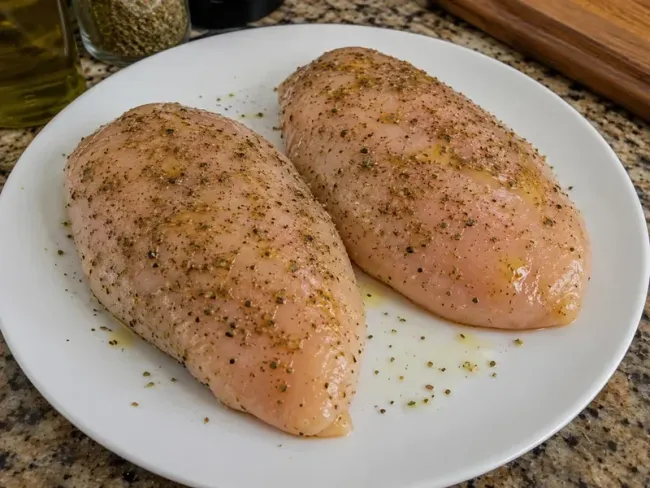
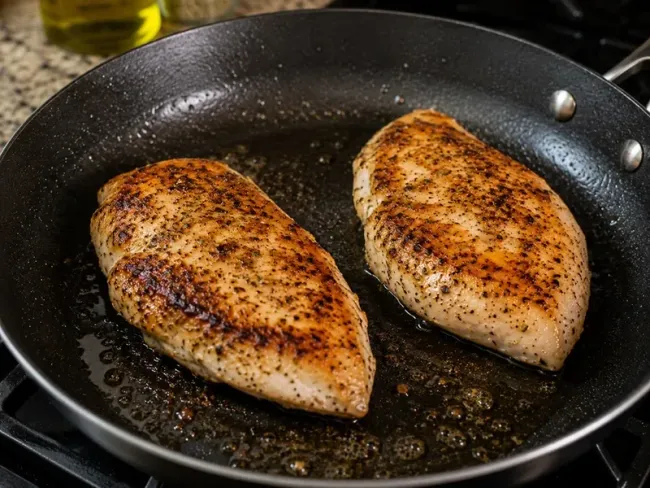
Start by preparing the chicken, which will become the centerpiece of the dish. Pat the chicken breasts dry with paper towels to encourage even browning.
Season both sides with ½ teaspoon sea salt, ½ teaspoon freshly ground black pepper, and 1 teaspoon Italian seasoning. Drizzle with 1 tablespoon extra virgin olive oil, rubbing the seasoning evenly over the surface.
Allow the chicken to rest at room temperature for 10–15 minutes while preparing the remaining ingredients.
Cook the Chicken
Heat a large skillet over medium-high heat. Add the remaining 1 tablespoon extra virgin olive oil. Once hot, place the chicken into the skillet without overcrowding.
Cook for approximately 5–6 minutes per side, depending on thickness. The chicken is ready when the outside is beautifully golden, the juices run clear, and the internal temperature reaches 165°F (74°C).
Transfer the chicken to a cutting board and allow it to rest for 5–10 minutes before slicing.
Cook the Pasta
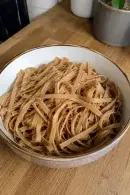
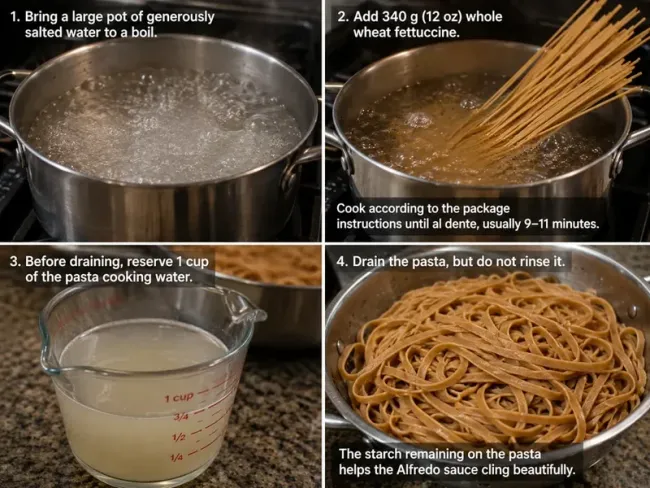
While the chicken cooks, bring a large pot of generously salted water to a boil. Add the 340 g (12 oz) whole wheat fettuccine and cook according to the package instructions until al dente, usually 9–11 minutes.
Before draining, reserve 1 cup of the pasta cooking water. Drain the pasta, but do not rinse it — the starch remaining on the pasta helps the Alfredo sauce cling beautifully.
Prepare the Creamy Alfredo Sauce
Reduce the skillet to low heat. Add the minced garlic and cook for about 30 seconds, just until fragrant. Pour in 1 cup low-fat milk and ½ cup low-sodium chicken broth.
In a small bowl, whisk together 1 tablespoon cornstarch and 2 tablespoons cold milk. Stir this slurry into the skillet. Cook gently for 2–3 minutes, stirring continuously, until the sauce begins to thicken slightly. Remove the skillet from direct heat for about 1 minute.
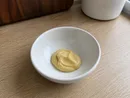
Now whisk in the 1 cup plain Greek yogurt, ¾ cup freshly grated Parmesan, 1 teaspoon Dijon mustard, ⅛ teaspoon nutmeg, and 1 teaspoon lemon zest. Stir until smooth.

Add the Vegetables
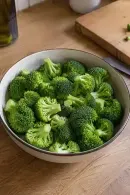
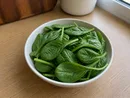
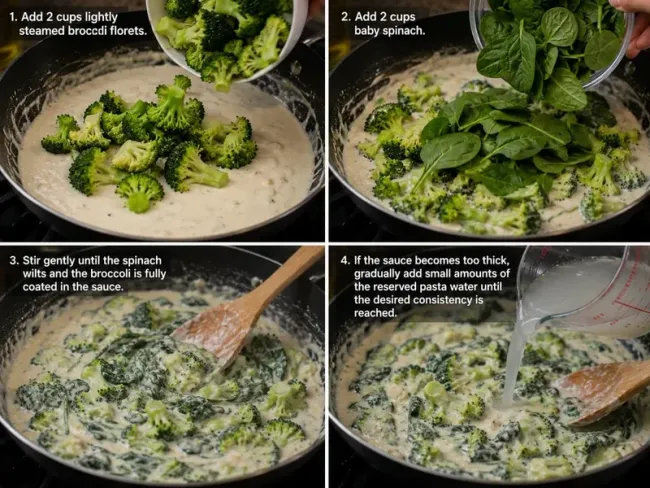
Add the 2 cups lightly steamed broccoli florets and 2 cups baby spinach. Stir gently until the spinach wilts and the broccoli is fully coated in the sauce.
If the sauce becomes too thick, gradually add small amounts of the reserved pasta water until the desired consistency is reached.
Combine the Pasta
Add the cooked fettuccine directly into the skillet. Using kitchen tongs, gently toss the pasta until every strand is evenly coated with the Alfredo sauce. If necessary, add a splash of the reserved pasta water to loosen the sauce.
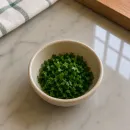
Finish with 1 tablespoon fresh lemon juice and half of the chopped parsley. Taste and adjust seasoning if needed.

Slice and Add the Chicken
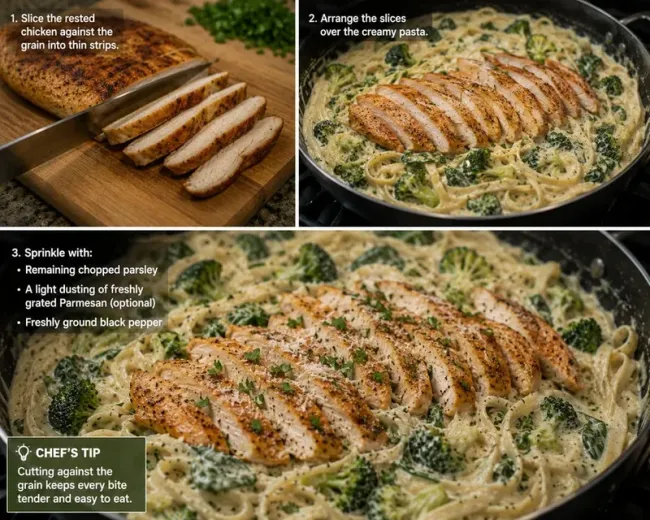
Slice the rested chicken against the grain into thin strips. Arrange the slices over the creamy pasta. Sprinkle with the remaining chopped parsley, a light dusting of freshly grated Parmesan (optional), and freshly ground black pepper.
Serve Immediately
Serve the pasta immediately while the sauce is warm and silky. For an elegant presentation, garnish with fresh parsley, lemon zest, freshly cracked black pepper, and a small sprinkle of Parmesan.
Pair with a crisp green salad or roasted vegetables for a complete meal.

Chef's Tips
Common Mistakes
Why This Recipe Was Designed This Way
Chicken Alfredo is one of the world's most recognizable pasta dishes. Traditionally, its signature silky
sauce is made with generous amounts of butter, heavy cream, and Parmesan cheese, creating an undeniably rich
meal. This version takes a different approach.
Instead of trying to remove everything that makes Alfredo enjoyable, it carefully rebuilds the recipe using
ingredients that preserve the creamy texture while incorporating choices commonly found in balanced dietary
patterns centered on lean proteins, vegetables, whole grains, and unsaturated fats. The goal wasn't to
create a "diet Alfredo." The goal was to create a comforting bowl of pasta that still feels indulgent while
relying on thoughtful ingredient substitutions rather than simply removing flavor.
🍝 Whole Wheat Fettuccine
Fettuccine is the traditional pasta for Alfredo because its broad, flat ribbons hold creamy sauces beautifully. Using whole wheat fettuccine maintains that familiar texture while increasing the fiber content compared with refined pasta. Its mild nutty flavor complements the Parmesan and roasted garlic without changing the character of the dish.
🐔 Lean Chicken Breast
Chicken breast provides the primary source of protein in this recipe. When seasoned simply and cooked until just done, it remains juicy and tender while allowing the creamy Alfredo sauce to remain the star. Compared with higher-fat cuts of meat, skinless chicken breast contributes less saturated fat while still providing complete protein.
🥣 Greek Yogurt
One of the biggest changes in this recipe is replacing heavy cream with plain Greek yogurt. Greek yogurt creates remarkable creaminess while also contributing protein and a subtle tangy flavor that balances the richness of the Parmesan. To keep the sauce smooth, the yogurt is stirred in after the skillet has been removed from high heat.
🥛 Low-Fat Milk
Instead of relying entirely on cream, low-fat milk forms the liquid base of the sauce. Combined with Parmesan and a small amount of cornstarch, it creates a silky consistency that coats the pasta evenly. This approach keeps the sauce rich and satisfying while using less saturated fat than a traditional Alfredo.
🧀 Fresh Parmesan
Parmesan is essential to Alfredo. Rather than using a large quantity, this recipe relies on freshly grated Parmesan for concentrated savory flavor. A modest amount provides the familiar nutty, salty taste that defines the dish. Freshly grated cheese also melts more smoothly than many pre-shredded products.
🥦 Broccoli & Baby Spinach
Broccoli blends naturally into creamy pasta dishes, its slightly crisp texture contrasting beautifully with the silky sauce. Fresh spinach wilts almost instantly into the warm sauce, its mild flavor allowing it to blend seamlessly while adding vegetables and vibrant color. Including vegetables directly in the pasta helps create a more balanced meal without changing the familiar Alfredo experience.
🫒 Extra Virgin Olive Oil, Garlic & Herbs
Only a small amount of extra virgin olive oil is used, helping brown the chicken, sauté the garlic, and add richness without relying on large amounts of butter. Fresh garlic, lemon zest, lemon juice, Italian herbs, fresh parsley, and freshly ground black pepper brighten the sauce and create complexity while preserving its creamy character.
Ingredient Swaps
Need to adapt the recipe? These substitutions maintain the creamy texture and overall character of the dish.
| Instead of... | Try... |
|---|---|
| Whole wheat fettuccine | Whole wheat linguine |
| Chicken breast | Turkey breast cutlets |
| Greek yogurt | Plain skyr |
| Low-fat milk | Unsweetened fortified soy milk (for a dairy-light variation) |
| Parmesan | Pecorino Romano (use slightly less, as it is saltier) |
| Broccoli | Asparagus pieces |
| Baby spinach | Kale (lightly sautéed first) |
| Italian seasoning | Dried basil and oregano blend |
| Fresh parsley | Fresh chives |
What Research Says
The ingredients in this recipe reflect food choices that are commonly included in balanced dietary patterns
associated with cardiovascular health. The summaries below describe research on individual ingredients and
overall dietary approaches. They are provided for educational purposes only and should not be interpreted as
medical advice.
🫒 Extra Virgin Olive Oil
Extra virgin olive oil is naturally rich in monounsaturated fats and plant compounds known as polyphenols. Replacing butter with olive oil is one strategy commonly used in Mediterranean-style dietary patterns.
Reference: Estruch R, et al. Primary Prevention of Cardiovascular Disease with a Mediterranean Diet. New England Journal of Medicine.🌾 Whole Grain Pasta
Whole grain foods retain the bran and germ, which contribute dietary fiber along with vitamins, minerals, and other naturally occurring nutrients. Increasing whole grain intake is consistently recommended in many national dietary guidelines.
Reference: Aune D, et al. Whole grain consumption and risk of cardiovascular disease, cancer, and all-cause mortality. BMJ, 2016.🐔 Lean Poultry
Skinless chicken breast is an excellent source of complete protein and naturally contains less saturated fat than many higher-fat animal protein choices.
Reference: American Heart Association. Protein Choices.🥦 Broccoli & Leafy Greens
Broccoli and spinach contribute vitamins, minerals, dietary fiber, and naturally occurring plant compounds. Increasing vegetable intake is consistently encouraged by public health organizations.
Reference: Dietary Guidelines for Americans (current edition).🥣 Greek Yogurt
Plain Greek yogurt contributes protein and creaminess while replacing heavy cream in this recipe. Its thick texture allows it to create a satisfying sauce with a smaller amount of cheese.
Reference: U.S. Department of Agriculture FoodData Central.🧄 Garlic
Garlic has been used in cooking for centuries and contributes a distinctive savory aroma. It also contains naturally occurring sulfur compounds, including allicin, which have been widely studied in nutrition research.
Reference: National Institutes of Health – Office of Dietary Supplements.Estimated Nutrition
Per serving (1 of 4 servings)
*Estimated using reduced-sodium ingredients where appropriate. Nutrition values are estimates calculated from standard food composition databases. Actual values will vary depending on ingredient brands, preparation methods, cooking techniques, and serving sizes.
Storage & Reheating
One of the best features of this Balanced Chicken Alfredo is how well it stores for future meals. Unlike many traditional cream-based pasta dishes, the Greek yogurt and Parmesan sauce maintains a pleasant texture when reheated gently. For the best results, cool the pasta slightly before refrigerating and avoid prolonged exposure to room temperature.
Refrigerating
Allow the Alfredo to cool for 20–30 minutes after cooking. Transfer it to an airtight container and refrigerate for up to 4 days. If possible, store any extra Parmesan separately and add it only when serving.
Freezing
Although the dish can be frozen, cream-based sauces may change slightly in texture after thawing. Allow the pasta to cool completely, divide into individual portions, and store in freezer-safe containers. Freeze for up to 2 months. Thaw overnight in the refrigerator before reheating.
Reheating
Stovetop (recommended): Place the Alfredo in a non-stick skillet over low heat. Add 1–3 tablespoons of low-fat milk or low-sodium chicken broth to loosen the sauce. Stir gently for 5–7 minutes until heated through. This method best preserves the creamy texture.
Microwave: Transfer one serving to a microwave-safe bowl, cover loosely, and heat at 50–70% power in 45-second intervals, stirring between each interval until hot. Adding a splash of milk before reheating helps restore the sauce's consistency.
Oven: Preheat to 325°F (160°C). Place the Alfredo in an oven-safe baking dish, cover with foil, and bake for 15–20 minutes, stirring once halfway through.
Meal Prep Tips
This recipe is ideal for meal prep because most components can be prepared in advance. Cook the chicken up to 3 days ahead, steam the broccoli in advance, wash and dry the spinach ahead of time, and grate the Parmesan before cooking. Prepare all ingredients before starting the sauce, as it comes together quickly. For individual lunches, portion the pasta into airtight containers and garnish with fresh parsley just before serving.
Serving Suggestions
A creamy pasta pairs beautifully with lighter side dishes that add freshness and texture.
Crisp mixed green salad: A salad of mixed greens, cucumber, cherry tomatoes, and a lemon-olive oil vinaigrette balances the richness of the Alfredo.
Roasted asparagus: Roasted asparagus adds a slightly nutty flavor and pairs naturally with Parmesan and lemon.
Garlic green beans: Tender green beans sautéed with garlic and a drizzle of olive oil provide a colorful vegetable side.
Roasted Brussels sprouts: Caramelized Brussels sprouts offer a pleasant contrast to the creamy pasta and complement the roasted garlic flavors.
Fresh fruit: Finish the meal with strawberries, blueberries, grapes, or sliced citrus fruit for a refreshing dessert.
Frequently Asked Questions
Can I use regular pasta instead of whole wheat?
Yes. Traditional fettuccine works well, although whole wheat fettuccine provides additional dietary fiber.
Can I use rotisserie chicken?
Yes. Skinless rotisserie chicken can save time. Shred or slice it and add it during the final minutes of cooking.
Will the Greek yogurt make the sauce taste sour?
No. When combined with Parmesan, garlic, milk, and seasonings, the yogurt creates a creamy sauce with only a subtle tang that balances the richness.
Why shouldn't I boil the sauce after adding the yogurt?
High heat can cause yogurt to separate. Keeping the heat low helps maintain a smooth, creamy consistency.
Can I make this recipe vegetarian?
Yes. Omit the chicken and add sautéed mushrooms, white beans, or chickpeas for additional texture and protein.
Can I add more vegetables?
Absolutely. Asparagus, peas, zucchini, mushrooms, or broccoli all work beautifully in this recipe.
Can I prepare the sauce ahead of time?
Yes. The sauce can be prepared one day in advance and reheated gently over low heat with a splash of milk before combining with the pasta.
Is this recipe suitable for meal prep?
Yes. It stores well for several days and reheats best over low heat with a little added liquid.
Can children enjoy this recipe?
Yes. Its creamy texture and mild flavors make it a family-friendly meal. You can finely chop the vegetables if serving younger children.
How can I make the sauce even creamier?
Reserve some pasta water and stir in a small amount while tossing the pasta. The starch helps create a smooth, glossy sauce without additional cream.
Related Recipes
If you enjoyed this creamy pasta, explore more comforting classics from our Balanced collection.
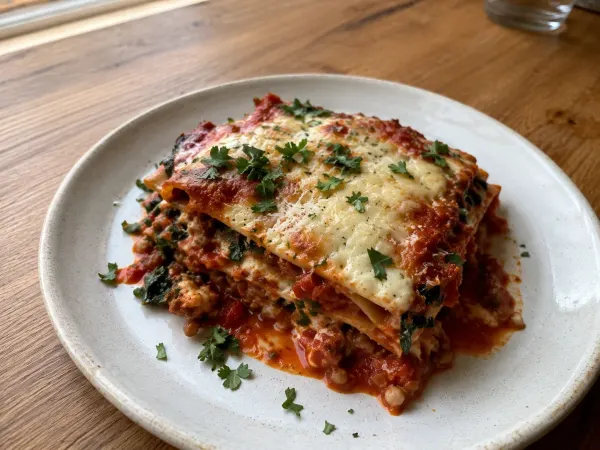
🍝 Balanced Lasagna
Layers of whole wheat pasta, lean turkey, lentils, rich tomato sauce, spinach, and reduced-fat cheeses.
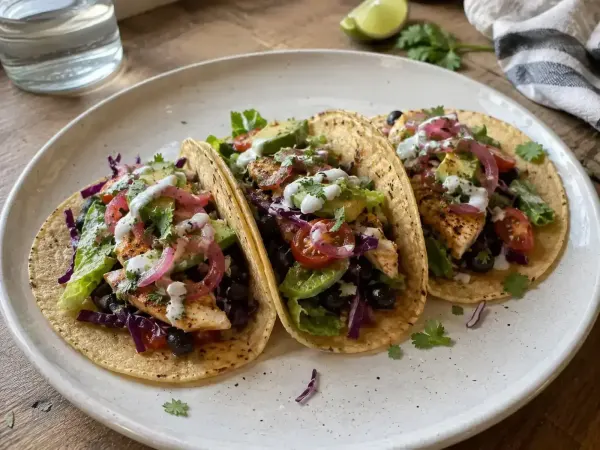
🌮 Balanced Chicken Tacos
Warm corn tortillas filled with grilled chicken, avocado, crunchy vegetables, and a refreshing Greek yogurt lime crema.

🍔 Balanced Cheeseburger
A juicy lean turkey burger on a whole wheat bun with avocado, fresh vegetables, and a creamy yogurt herb sauce.