
Protein-Rich Duck à l'Orange
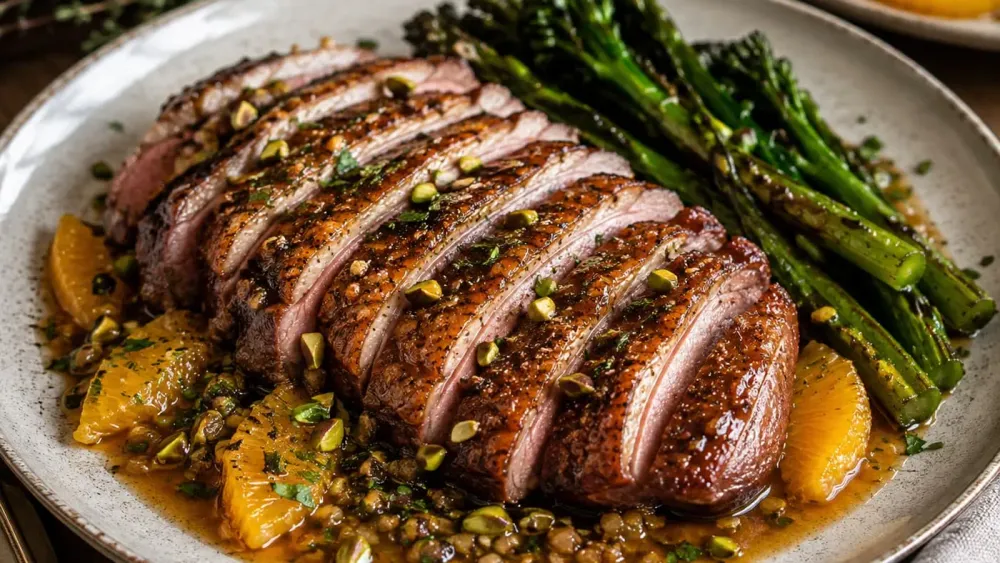
Everything people admire about the timeless French classic Duck à l'Orange — perfectly roasted duck breast, beautifully crisp skin, luxurious citrus sauce, elegant presentation, and rich restaurant-quality flavor — thoughtfully reimagined with lean duck breast, a naturally sweet orange reduction, extra-virgin olive oil, fresh herbs, and wholesome ingredients that create the same refined dining experience while providing high-quality protein, iron, selenium, vitamin B12, and antioxidant-rich citrus.
Duck à l'Orange has long been regarded as one of the defining dishes of classic French gastronomy. Served in renowned Parisian bistros, luxury hotels, and Michelin-starred restaurants, it perfectly balances the richness of roasted duck with the vibrant sweetness and acidity of an elegant orange sauce.
The dish is celebrated for its beautifully rendered crispy skin, tender slices of rosy duck breast, glossy citrus glaze, and refined presentation. Every bite combines savory depth with delicate fruity brightness, creating the sophisticated contrast that has made Duck à l'Orange a symbol of fine dining for generations.
Traditional Duck à l'Orange, however, often relies on generous amounts of butter, refined sugar, rich stocks, and heavy reductions to build its signature sauce. While undeniably luxurious, these additions can significantly increase the dish's saturated fat and added sugar content.
This Protein-Rich Duck à l'Orange preserves everything that makes the original unforgettable while thoughtfully rebuilding each element with carefully selected ingredients. Lean duck breast provides exceptional flavor together with naturally occurring iron, zinc, selenium, and complete protein. Fresh orange juice delivers vibrant citrus sweetness without relying on excessive refined sugar, while herbs, garlic, shallots, Dijon mustard, and extra-virgin olive oil create remarkable depth and elegance.
Recipe Information
| Prep Time | 25 minutes |
| Cook Time | 35 minutes |
| Total Time | 1 hour 10 minutes |
| Servings | 4 |
| Difficulty | Intermediate |
| Calories | ~495 kcal per serving |
Quick Highlights
Ingredients
Makes two duck breasts with orange reduction (4 generous servings).



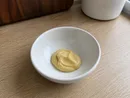

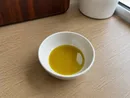
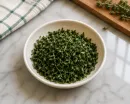
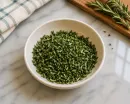


Step-by-Step Instructions
Score and Prepare the Duck
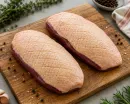
Remove the duck breasts from the refrigerator 20–30 minutes before cooking. Pat them completely dry with paper towels. Using a sharp knife, lightly score the skin in a crosshatch pattern, making shallow cuts about 1 cm (½ inch) apart without cutting into the meat.
Season both sides evenly with the sea salt and black pepper.

Slowly Render the Duck
Place the duck breasts skin-side down into a cold, dry skillet. Turn the heat to medium-low and cook slowly for 10–12 minutes, spooning off the rendered fat every few minutes.
Once the skin is beautifully crisp, flip the duck and cook the flesh side for 4–6 minutes, aiming for an internal temperature of approximately 54–57°C (130–135°F) for medium-rare.
Transfer the duck to a cutting board and loosely tent with foil while preparing the sauce.

Prepare the Orange Reduction
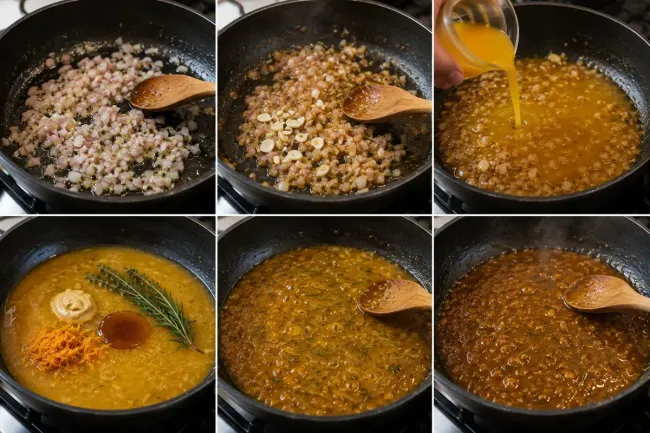
Discard all but 1 tablespoon of the rendered duck fat from the skillet. Add the shallots and cook 2–3 minutes until softened, then stir in the garlic and cook 30 seconds.
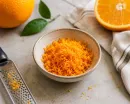
Pour in the orange juice and chicken stock, scraping up the browned bits. Whisk in the Dijon mustard, honey, orange zest, thyme, and rosemary. Simmer for 10–12 minutes until reduced by about half.
Finish the Duck
Return the rested duck breasts to the skillet for 1–2 minutes, spooning the warm orange reduction over the meat as it gently reheats. Avoid simmering too long, as this can soften the crisp skin.
Transfer the duck back to the cutting board and rest for 5 minutes before slicing diagonally into thin, even slices approximately 1 cm (½ inch) thick.

Plate Like a Fine-Dining Restaurant
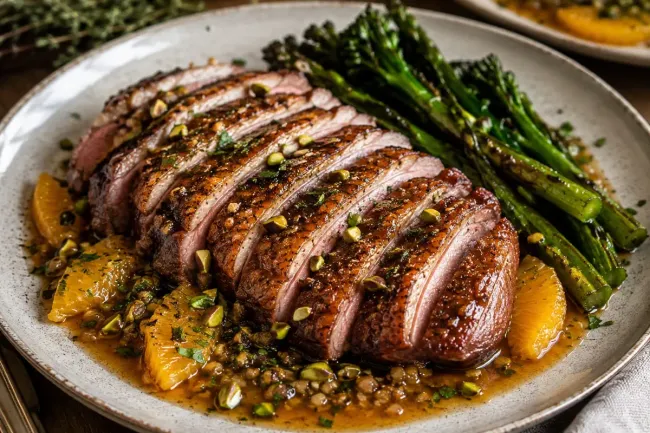
Arrange several slices of duck breast in a slightly fanned pattern on warm plates, skin facing upward. Gently drizzle the warm orange reduction around the duck rather than directly over the skin.
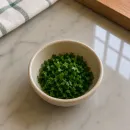
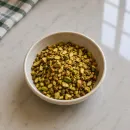
Arrange orange segments beside the duck and sprinkle with parsley and crushed pistachios. Serve alongside roasted asparagus, grilled broccolini, or creamy cauliflower purée.
Chef's Tips
Common Mistakes
Why This Recipe Was Designed This Way
This Protein-Rich Duck à l'Orange demonstrates that one of France's most celebrated fine-dining dishes can remain elegant, flavorful, and worthy of a special occasion while being thoughtfully rebuilt with leaner ingredients, fresh citrus, aromatic herbs, and wholesome fats. Rather than removing everything that makes Duck à l'Orange extraordinary, this recipe carefully preserves its signature crispy duck skin, tender medium-rare meat, glossy orange reduction, and refined presentation while incorporating fresh ingredients that provide high-quality protein, important minerals, and naturally vibrant flavors. Every ingredient contributes both exceptional taste and valuable nutrition.
Here's the science behind each major ingredient.
🦆 Duck Breast
Duck breast is naturally rich in complete protein while providing iron, zinc, selenium, phosphorus, niacin, and vitamin B12. Zinc contributes to the maintenance of normal testosterone levels in the blood, while iron supports normal oxygen transport throughout the body.
🍊 Fresh Oranges
Fresh oranges naturally contain vitamin C, folate, potassium, and numerous flavonoids, particularly hesperidin. Vitamin C contributes to normal collagen formation, immune function, and helps increase the absorption of non-heme iron from plant foods.
🫒 Extra-Virgin Olive Oil
Olive oil replaces much of the butter traditionally used in French sauces while maintaining remarkable richness. It is naturally rich in monounsaturated fats together with polyphenols widely studied within Mediterranean-style eating patterns.
🌿 Fresh Herbs
Fresh thyme, rosemary, and parsley provide the unmistakable herbal aroma associated with classic French cuisine while delivering exceptional flavor without increasing sodium or calories.
🧄 Garlic & Shallots
Garlic and shallots create the aromatic foundation of the orange reduction, allowing the sauce to remain elegant without relying on excessive butter, sugar, or salt.
🥜 Pistachios
A small amount of crushed pistachios adds subtle crunch while contributing unsaturated fats, plant protein, magnesium, potassium, copper, and vitamin B6.
🍯 Honey & Dijon Mustard
A modest quantity of honey allows the orange sauce to maintain its characteristic balance of sweetness and acidity, while Dijon mustard adds gentle acidity and helps emulsify the reduction into a silky, glossy sauce.
Ingredient Swaps
Need to adapt the recipe? These substitutions maintain the character of the dish.
| Instead of... | Try... |
|---|---|
| Honey | Pure maple syrup, in equal quantity |
| Duck breast | Skin-on chicken breast (adjust cooking time) |
| Pistachios | Toasted almonds or hazelnuts |
| Chicken stock | Vegetable stock for a lighter sauce |
What Research Says
Trimming visible fat from the duck before cooking and using a modest amount of sugar in the orange sauce keeps this classic dish’s saturated fat and added sugar more moderate while preserving its signature sweet-savory orange glaze.
Estimated Nutrition
Per serving
Includes naturally occurring sugars from fresh oranges and honey; added sugars are approximately 3 g. Nutrition values are estimates calculated from standard ingredient databases. Actual values will vary depending on ingredient brands and portion sizes.
Storage & Reheating
Store any leftover Duck à l'Orange in an airtight container in the refrigerator for up to 3 days. Store the sliced duck and the orange reduction in separate containers whenever possible to preserve the crispness of the skin. To reheat, warm the duck gently in a 170°C (340°F) oven for 8–10 minutes, and reheat the sauce separately over low heat. Microwave reheating is possible but may soften the crispy skin.
Refrigerating
Freezing
Cooked duck breast may be frozen for up to 2 months, wrapped tightly in plastic wrap followed by aluminum foil. The orange reduction can also be frozen separately for up to 2 months. Thaw both overnight in the refrigerator before reheating gently. Fresh orange segments should always be prepared just before serving and are not recommended for freezing.
Reheating
Meal Prep Tips
Score the duck skin several hours ahead and keep it uncovered in the refrigerator to help it dry for maximum crispness. Freshly squeeze the oranges and grate the zest in advance. Prepare the orange reduction one day ahead and refrigerate it separately. Slice the duck only immediately before serving, and add fresh herbs, pistachios, and orange segments at the last moment.
Serving Suggestions
Slice thinly against the grain and serve with the warm orange sauce spooned over the top, alongside a simple vegetable side.
Frequently Asked Questions
Can I use duck legs instead of duck breasts?
Duck breasts are strongly recommended because they cook quickly and produce the signature medium-rare slices associated with classic Duck à l'Orange. Duck legs require a completely different slow-cooking method.
How do I know when the duck is perfectly cooked?
The most reliable method is using an instant-read thermometer. For medium-rare, remove the duck when the internal temperature reaches 54–57°C (130–135°F), then allow it to rest before slicing.
Can I make the orange sauce ahead of time?
Yes. The orange reduction can be prepared up to 2 days in advance and refrigerated in an airtight container. Reheat gently over low heat before serving.
Why didn't my duck skin become crispy?
The most common reasons are excess surface moisture, starting with a hot pan, or cooking over heat that is too high. Dry the skin thoroughly, begin with a cold skillet, and allow the fat to render slowly.
Can I replace honey with maple syrup?
Yes. Pure maple syrup may be substituted in equal quantity. It creates a slightly different flavor profile while maintaining the balance between sweetness and citrus.
Is this recipe intended to increase testosterone?
No. This recipe is designed for educational and culinary purposes only. It includes ingredients that naturally provide complete protein, zinc, selenium, and iron as part of a balanced diet. It is not intended to diagnose, treat, cure, or prevent low testosterone or any other medical condition.
Related Recipes
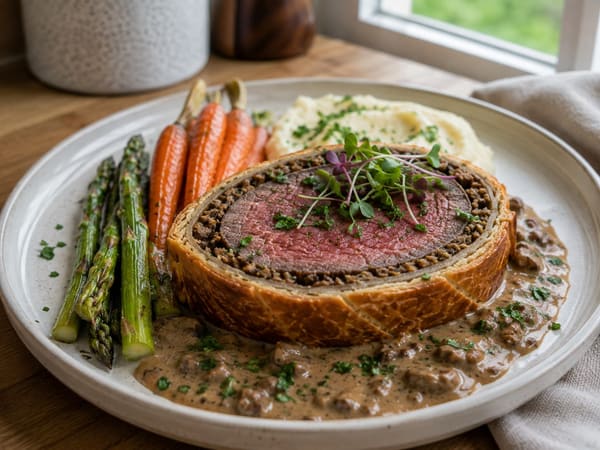
🥩 Protein-Rich Beef Wellington
Luxury British cuisine reimagined with lean grass-fed beef and a lighter whole-wheat pastry.
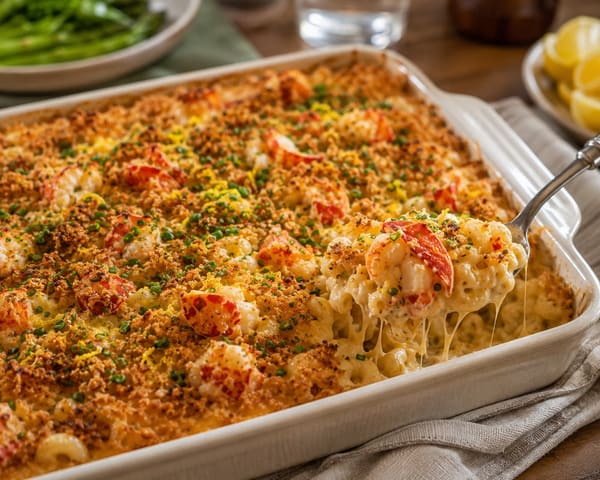
🦞 Protein-Rich Lobster Mac and Cheese
Luxury American comfort food reimagined with high-protein pasta and premium lobster.
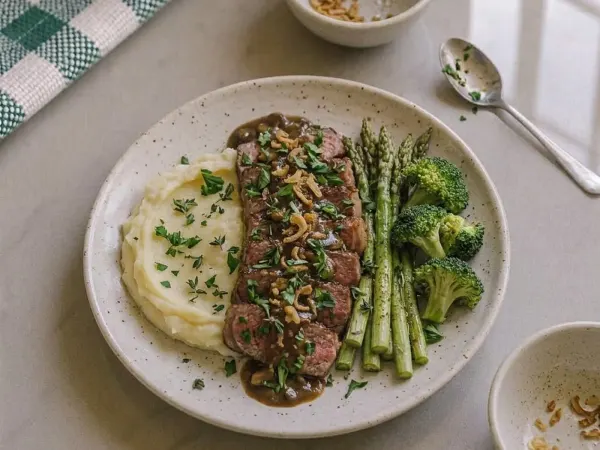
🥩 Protein & Fibre Steakhouse Loaded Plate
A legendary steakhouse platter reimagined with lean sirloin and a silky mushroom sauce.