
Dango
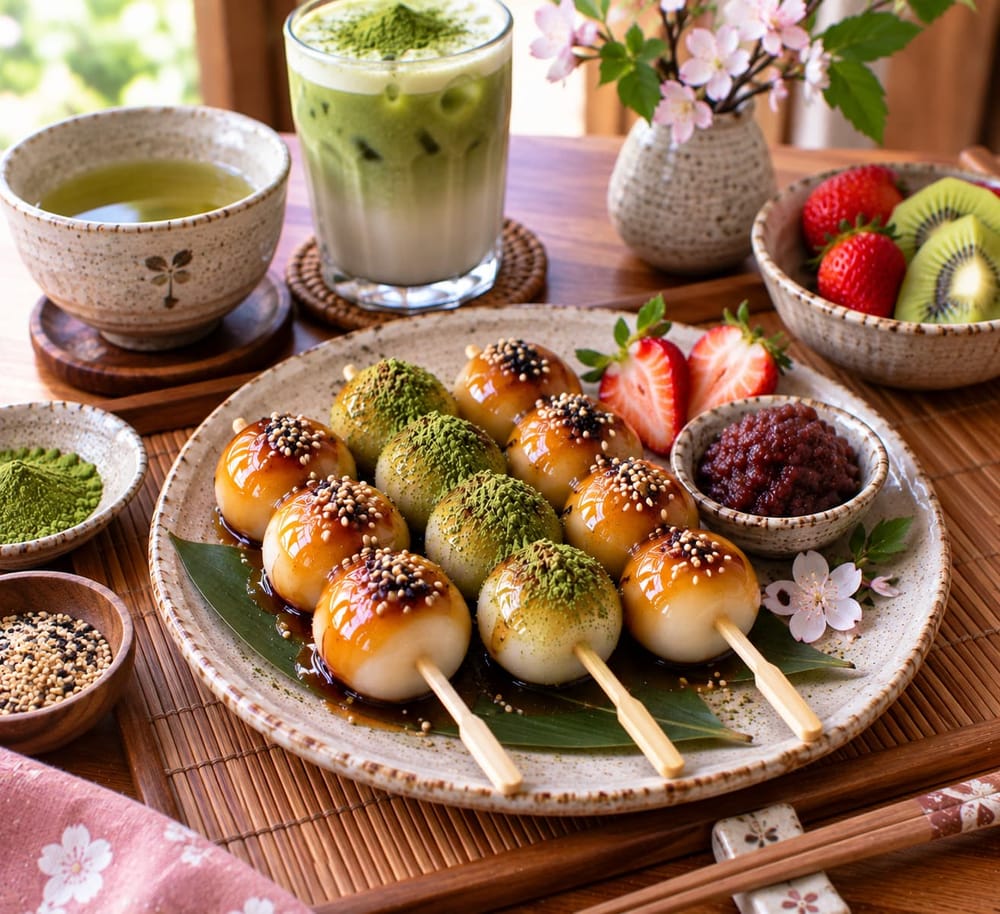
Dango are one of the most charming and recognizable Japanese sweets. These soft rice dumplings are traditionally served on skewers and enjoyed in many seasonal variations, from sweet soy-glazed mitarashi dango to pastel hanami dango often associated with cherry blossom viewing. Their appeal comes from their simplicity: a tender chewy texture, a lightly sweet glaze, and a presentation that is as beautiful as it is satisfying.
Traditional dango are already relatively simple, but this version makes a few thoughtful ingredient choices to create a more balanced dessert. The dumplings are made with a combination of rice flours for softness and structure, while the glaze uses a modest amount of honey, soy sauce, and mirin to achieve the classic sweet-savory finish with less refined sugar. Instead of heavy toppings, the recipe uses optional toasted sesame, red bean paste, or fresh fruit for a lighter and more natural presentation.
The result is a dessert that still feels completely Japanese in character: delicate, chewy, lightly sweet, and visually elegant. Every skewer delivers a gentle contrast between the soft dumplings and the glossy glaze, while the natural garnishes add color, freshness, and a premium café-style touch.
Whether served with green tea, enjoyed as an afternoon snack, or offered as part of a Japanese-inspired dessert table, these Healthy Dango bring together tradition, beauty, and a more balanced ingredient profile in a very approachable way.
Recipe Information
| Prep Time | 20 minutes |
| Cook Time | 15 minutes |
| Total Time | 35 minutes |
| Servings | 8 skewers |
| Difficulty | Easy |
| Calories | ~155 kcal per skewer |
Quick Highlights
- ✅ Soft and chewy Japanese rice dumplings
- ✅ Light sweet-savory glaze
- ✅ Lower in refined sugar
- ✅ Beautiful café-style presentation
- ✅ Optional red bean or fruit topping
- ✅ Perfect with green tea
- ✅ Simple and elegant dessert
Ingredients
Makes 8 Skewers









Step-by-Step Instructions
Make the Dough
In a large bowl, combine:
1 cup shiratamako
½ cup joshinko
1 tablespoon honey
A small pinch of salt
Slowly add the warm water little by little, stirring until a soft dough forms.
Knead gently with your hands until smooth and pliable.
The dough should feel soft, moist, and slightly elastic, but not sticky or wet.

Shape the Dumplings
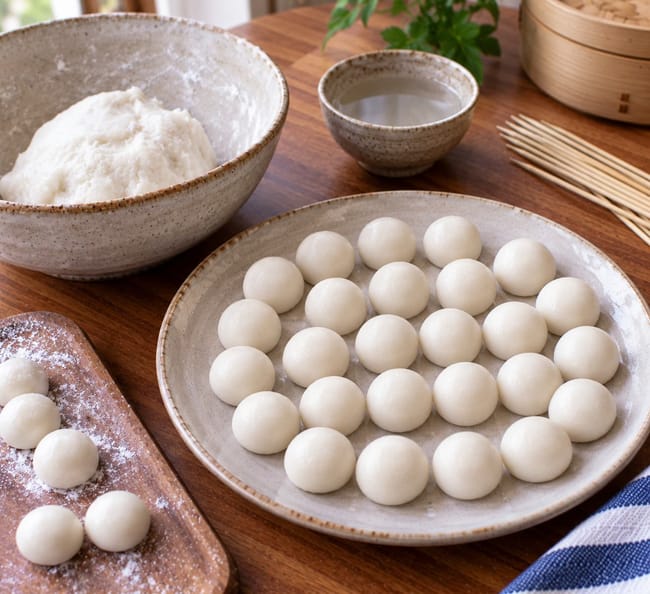
Divide the dough into equal portions.
Roll each portion into smooth balls about the size of a large marble.
You should have enough dough for 24 dumplings total, or 3 dumplings per skewer.
This step helps ensure the dango cook evenly and look uniform when assembled.
Cook the Dumplings
Bring a pot of water to a gentle boil.
Add the dumplings carefully.
Cook until they float to the surface, then continue simmering for another 1–2 minutes.
Remove them with a slotted spoon and place them in a bowl of cold water for a moment to stop the cooking.
Drain well.
This gives the dango their classic soft chewy texture.

Skewer the Dango
Thread 3 dumplings onto each skewer.
You should now have 8 skewers.
Arrange them neatly on a plate or tray while preparing the glaze.
This is the traditional presentation style and makes the dessert easy to serve and enjoy.

Make the Mitarashi-Style Glaze
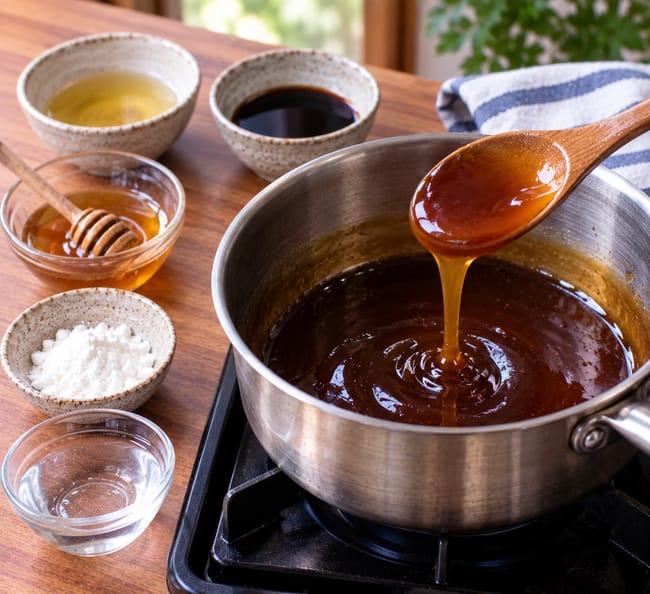
In a small saucepan, combine:
2 tablespoons mirin
1 tablespoon light soy sauce
2 tablespoons honey
1 teaspoon cornstarch
2 tablespoons water
Whisk until smooth.
Heat over medium-low heat, stirring constantly, until the glaze thickens and becomes glossy.
Remove from the heat once it coats the back of a spoon.
The sauce should be shiny and pourable, not too thick.
Coat the Dango
Spoon or brush the glaze generously over the dango skewers.
If desired, lightly toast the skewers in a dry pan for a few seconds after glazing to help the coating set.
For a classic finish, sprinkle with toasted sesame seeds.
For variation, dust some skewers lightly with matcha powder or serve a little red bean paste on the side.
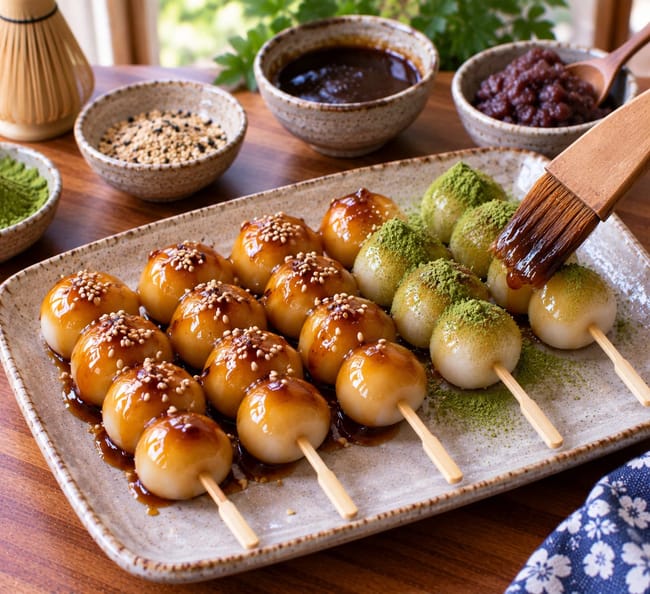
Plate the Dessert
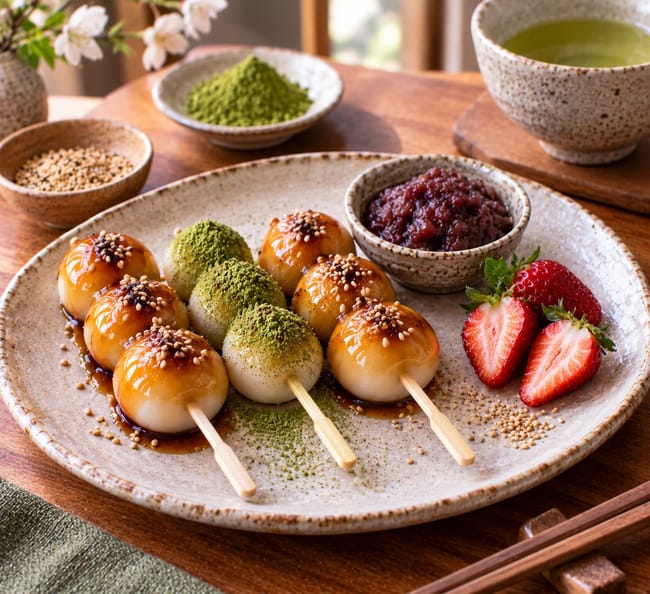
Arrange the dango skewers on a clean ceramic plate.
Add:
Sweet red bean paste
Fresh strawberries
Matcha powder
Extra sesame seeds
Keep the presentation simple and elegant so the soft dumplings and glossy glaze remain the focus.
This style feels traditional yet refined, like a modern Japanese café dessert.
Serve
Serve the dango immediately or at room temperature.
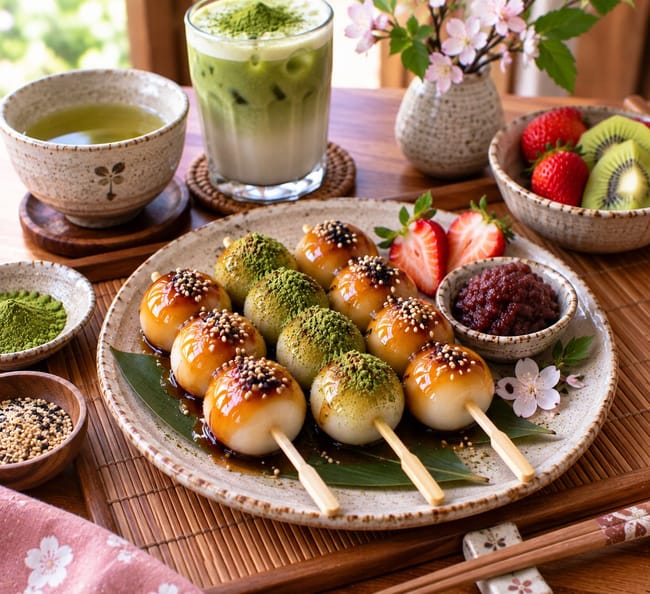
They are perfect with:
Green tea
Matcha latte
Fresh fruit
A small bowl of red bean paste
Dango are ideal for afternoon tea, a light dessert, or a Japanese-themed gathering.
Chef's Tips
Common Mistakes
Why This Recipe Was Designed This Way
Dango are a beautiful example of how simple Japanese sweets can be both comforting and elegant. Rather than making them heavier or overly sweet, this version preserves the original spirit of the dessert while introducing a more balanced ingredient profile. The dough remains soft and chewy, the glaze stays glossy and flavorful, and the presentation still feels distinctly Japanese.
By using rice flours, a modest amount of honey, a lighter mitarashi-style glaze, and simple garnishes like sesame seeds or fruit, the recipe keeps the dessert approachable and visually refined. It is still the same kind of treat you would expect at a Japanese café or festival stand, just made with a slightly more thoughtful composition.
Here's why each ingredient was selected.
🍚 Rice Flours
Shiratamako and joshinko are the foundation of the recipe. They provide the soft chewiness that makes dango recognizable and enjoyable, while keeping the texture light and smooth.
🍯 Honey, Soy Sauce, and Mirin
This trio creates the classic sweet-savory mitarashi glaze. Honey reduces the need for refined sugar, while soy sauce and mirin give the dessert its traditional Japanese flavor.
🌰 Sesame Seeds
Sesame seeds add aroma, texture, and a little nutritional value while making the plate look more elegant.
🍓 Fruit and Red Bean Paste
Fresh strawberries and red bean paste are optional, but they help turn the dessert into something more complete and colorful without making it feel heavy.
🍵 Green Tea Pairing
Dango are often enjoyed with tea because tea balances their gentle sweetness and completes the Japanese dessert experience.
Ingredient Swaps
Need to customize these Healthy Dango? These substitutions preserve the traditional Japanese style while adapting the recipe to different preferences.
| Instead of... | Try... |
|---|---|
| Shiratamako | Mochiko |
| Joshinko | Extra shiratamako or rice flour |
| Honey | Maple syrup or cane syrup |
| Mirin | A little extra honey with water |
| Light soy sauce | Low-sodium tamari |
| Red bean paste | Mashed sweet potato or fruit compote |
| Strawberries | Kiwi or blueberries |
| Sesame seeds | Toasted coconut flakes |
| Matcha powder | Cocoa powder or omit |
| Bamboo skewers | Short dessert picks |
What Research Says
The ingredients in this recipe were selected because they reflect common principles in balanced dessert patterns that prioritize portion control, simple ingredients, and modest sweetness. The information below summarizes current nutrition research and is intended for educational purposes only.
🍚 Rice Flour
Rice flour provides the chewy structure that gives dango their classic texture.
- Essential for traditional dango texture.
- Naturally gluten-free when made from rice.
- Forms soft, elastic dough when cooked properly.
🍯 Honey
Honey provides sweetness and helps reduce the need for refined sugar.
- Natural sweetener.
- Contributes rich flavor in small amounts.
- Helps create glossy glazes.
🌿 Soy Sauce and Mirin
These ingredients are central to the mitarashi flavor profile and contribute the classic sweet-savory contrast.
- Important in Japanese flavor balancing.
- Best used in moderation.
- Help create a glossy dessert glaze.
🌰 Sesame Seeds
Sesame seeds contribute healthy fats, minerals, and texture.
- Provide mineral content and crunch.
- Common in Japanese and Asian desserts.
- Add flavor with minimal quantity.
🍓 Fresh Fruit
Fresh strawberries add natural sweetness and make the dessert feel lighter.
- Provide vitamin C and fiber.
- Increase visual appeal.
- Offer a fresher dessert contrast.
Estimated Nutrition
Per serving
*Estimated values may vary depending on glaze thickness and toppings.
Storage & Reheating
Dango are best enjoyed fresh, but they can be stored for short periods if needed.
Refrigerating
Store the cooked dumplings without glaze in an airtight container for up to 2 days.
Keep the glaze separate whenever possible.
Reheat briefly or bring to room temperature before serving.
Freezing
The plain cooked dumplings can be frozen for up to 1 month.
Do not freeze the glaze or fruit toppings.
Thaw the dumplings before reheating and glazing.
Reheating
Microwave: Warm the dumplings briefly in short intervals until just softened.
Steamer: A brief steam can restore softness very effectively.
Meal Prep Tips
Dango are easy to prepare ahead in small parts.
For best results:
Make the dumplings in advance and store them plain.
Prepare the glaze separately.
Add sesame seeds, fruit, or red bean paste just before serving.
Pack the skewers in a lunchbox for a Japanese-inspired snack.
Pair them with tea for a simple afternoon treat.
You can also create a Japanese Dessert Bento by adding dango alongside fruit and a small portion of matcha treats.
Serving Suggestions
These Healthy Dango pair beautifully with classic Japanese dessert companions.
Green Tea: The clean, slightly bitter notes of green tea balance the sweetness of the glaze perfectly.
Matcha Latte: A creamy matcha drink adds a modern café-style touch and complements the dessert's soft sweetness.
Fresh Strawberries: Bright fruit adds color and freshness to the plate.
Red Bean Paste: A small spoonful of anko makes the dessert feel more traditional and gives it a deeper Japanese flavor.
Light Fruit Salad: Kiwi, grapes, and berries make the dessert feel lighter and more colorful.
Frequently Asked Questions
Are dango the same as mochi?
They are related, but not the same. Dango are rice dumplings typically served on skewers, while mochi is usually softer and made into different shapes or filled sweets.
Can I make dango without the glaze?
Yes. They can be served plain, with sesame, or with red bean paste.
Can I make them in advance?
Yes. Prepare the dumplings ahead of time and glaze them close to serving for the best texture.
Are these very sweet?
No. They are lightly sweetened, with the glaze carrying most of the flavor.
Can I use only shiratamako?
Yes, though the texture may be a little softer and more delicate.
Can children enjoy these?
Yes. Their soft texture and mild sweetness make them very family-friendly.
Can I serve them warm or cold?
They can be enjoyed slightly warm or at room temperature. Freshly made is best.
Can I make them more colorful?
Absolutely. You can create matcha, strawberry, or plain versions for a hanami-style presentation.
Do I need skewers?
Not strictly, but skewers are the classic presentation and make them easier to serve.
Can I make a vegan version?
Yes. Replace honey with a plant-based syrup and use a vegan-friendly garnish.
Related Recipes
If you enjoyed these Healthy Dango, you may also like these recipes from our Japanese Favorites collection.
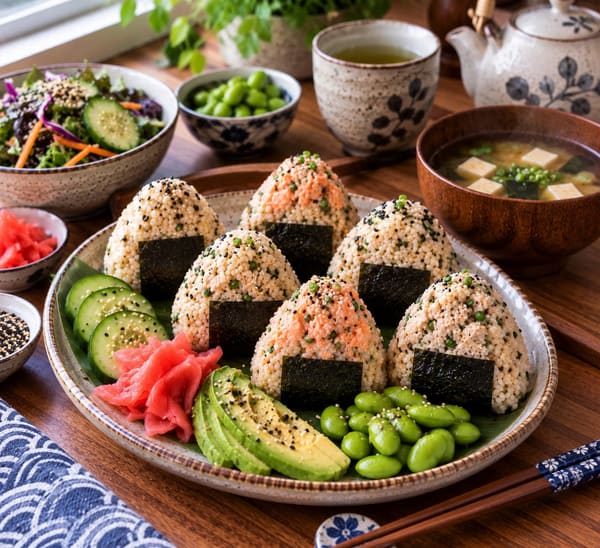
🍙 Healthy Onigiri
Portable Japanese rice balls filled with salmon, tuna, or chicken and wrapped in nori for a simple meal.
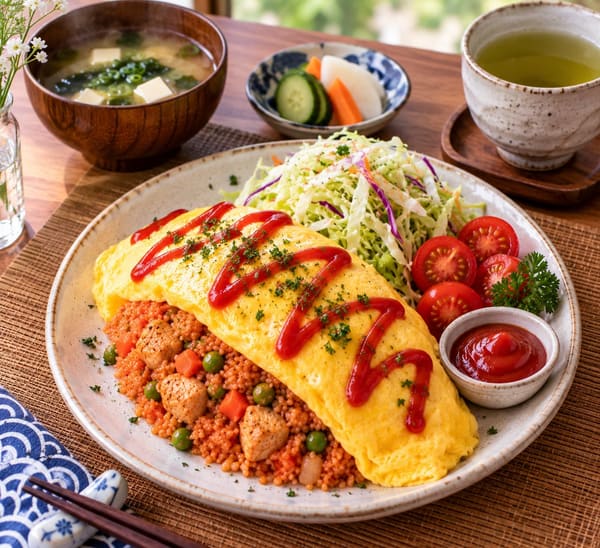
🍱 Healthy Omurice
Fluffy Japanese omelet rice with savory chicken tomato rice and a light ketchup drizzle.
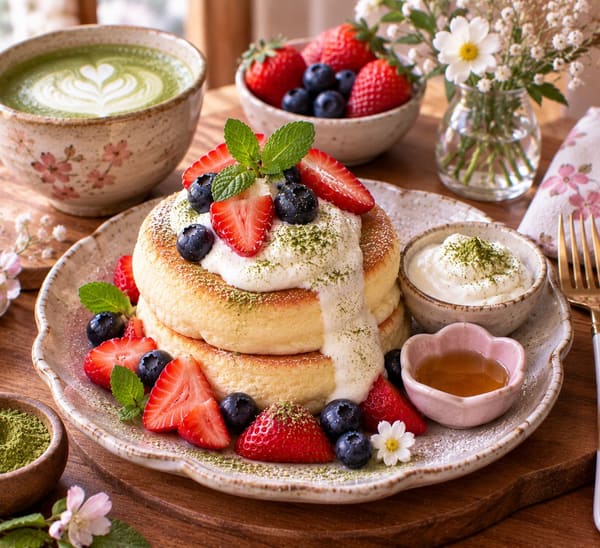
🍓 Healthy Japanese Soufflé Pancakes
Soft, airy Japanese-style pancakes made with a lighter batter and served with fresh fruit and yogurt.