
Japanese Bento
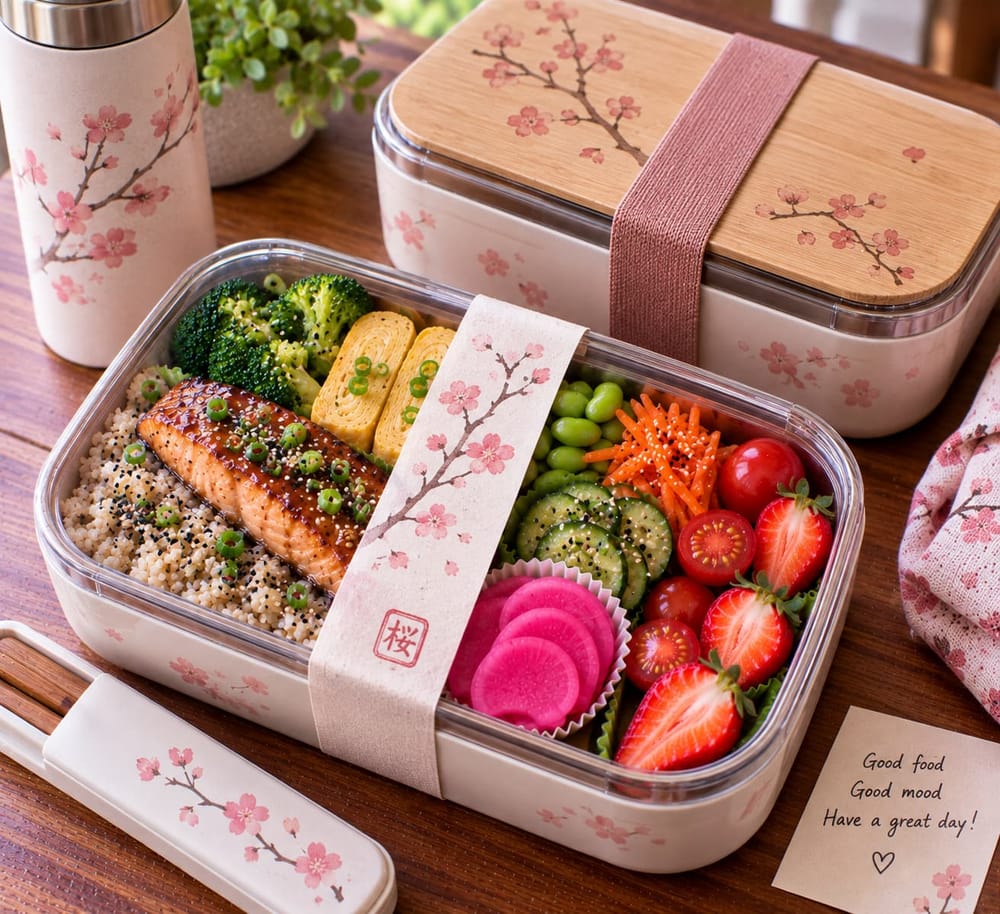
A traditional Japanese bento is much more than a packed lunch—it's a thoughtfully balanced meal designed to nourish both the body and the eyes. For centuries, bento boxes have combined protein, grains, vegetables, and fruit into beautifully organized portions that encourage variety, balance, and mindful eating.
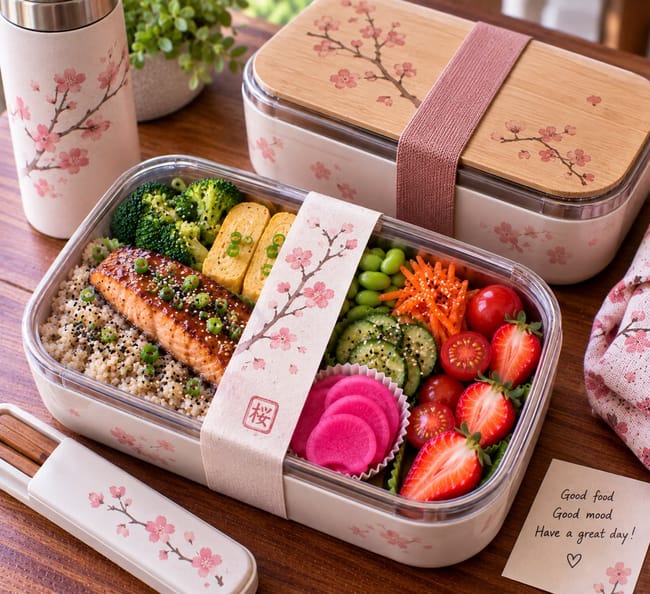
This Japanese Bento follows the same philosophy while using wholesome ingredients that are easy to prepare at home. Tender teriyaki salmon provides high-quality protein and heart-healthy omega-3 fatty acids, while brown rice delivers lasting energy through complex carbohydrates. Colorful vegetables such as broccoli, carrots, cucumber, and edamame contribute vitamins, minerals, fiber, and vibrant presentation.
A lightly sweet tamagoyaki adds authentic Japanese flavor, and fresh strawberries provide a naturally refreshing finish.
Perfect for work lunches, school meals, meal prep, or picnics, this Japanese Bento combines nutrition, convenience, and beautiful presentation in one satisfying lunch box.
Recipe Information
| Prep Time | 20 minutes |
| Cook Time | 25 minutes |
| Total Time | 45 minutes |
| Servings | 2 Bento Boxes |
| Difficulty | Medium |
| Calories | ~560 kcal per bento |
Quick Highlights
- ✅ Balanced Japanese-inspired meal
- ✅ High in protein
- ✅ Rich in vegetables
- ✅ Excellent for meal prep
- ✅ Whole-grain brown rice
- ✅ Naturally colorful presentation
- ✅ Ready in under one hour
Ingredients
Makes 2 Bento Boxes












Step-by-Step Instructions
Cook the Brown Rice
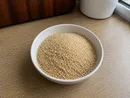
Rinse the brown rice thoroughly under cold water until the water runs mostly clear.
Cook according to the package instructions until tender.
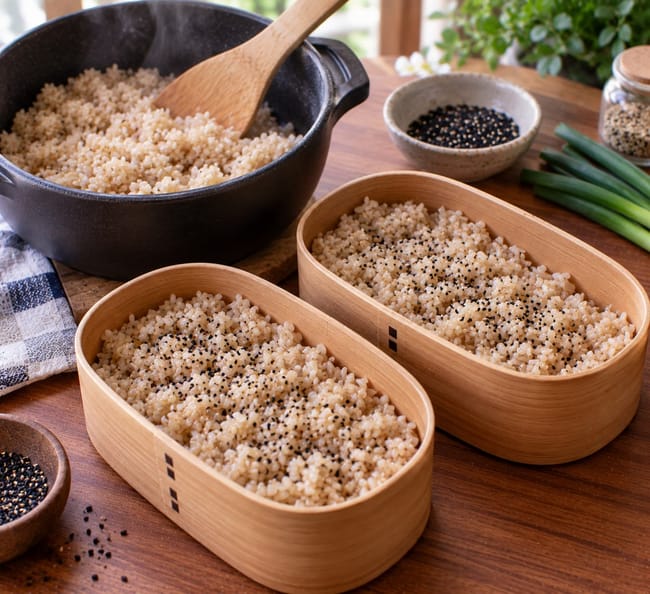
Once cooked, fluff the rice gently with a fork and allow it to cool slightly.
Divide the rice evenly between the two bento boxes, leaving space for the remaining components.
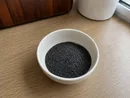
Sprinkle with black sesame seeds just before assembling.
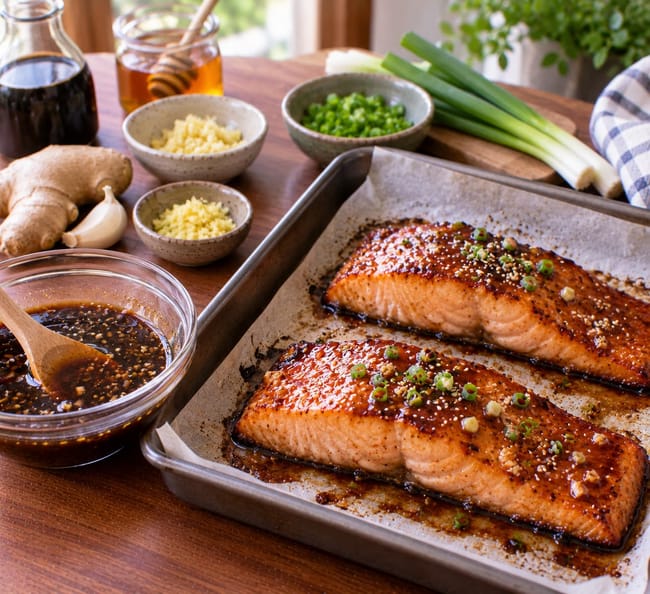
Prepare the Teriyaki Salmon
In a small bowl, combine:
Low-sodium soy sauce
Honey
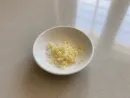
Fresh grated ginger
Minced garlic
Mix until smooth.
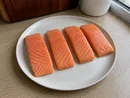
Brush the mixture evenly over the salmon fillets.
Bake at 400°F (200°C) for 12–15 minutes, or until the salmon flakes easily with a fork.
Allow it to rest for a few minutes before placing it into the bento boxes.
Make the Tamagoyaki
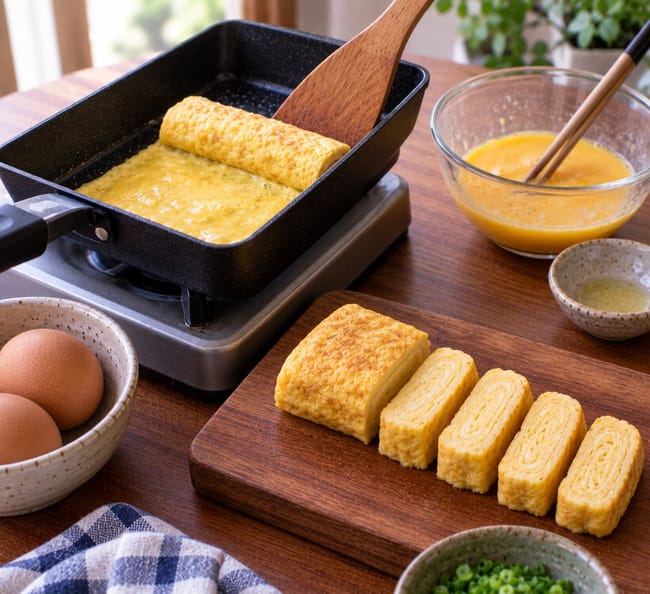
Whisk the eggs until smooth.
Heat a lightly oiled non-stick skillet over medium-low heat.
Pour in a thin layer of egg.
When almost set, gently roll the egg toward one side of the pan.
Repeat with the remaining egg mixture, rolling each new layer into the previous one.
Once cooked, let the omelet cool slightly before slicing into thick pieces.
Prepare the Vegetables
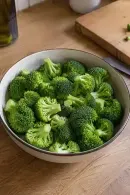
Steam the broccoli until crisp-tender, about 3–4 minutes.
Julienne the carrot.
Slice the cucumber thinly.
Cook the edamame if needed.
Wash and dry the cherry tomatoes.
Keep each vegetable separate for easy assembly.

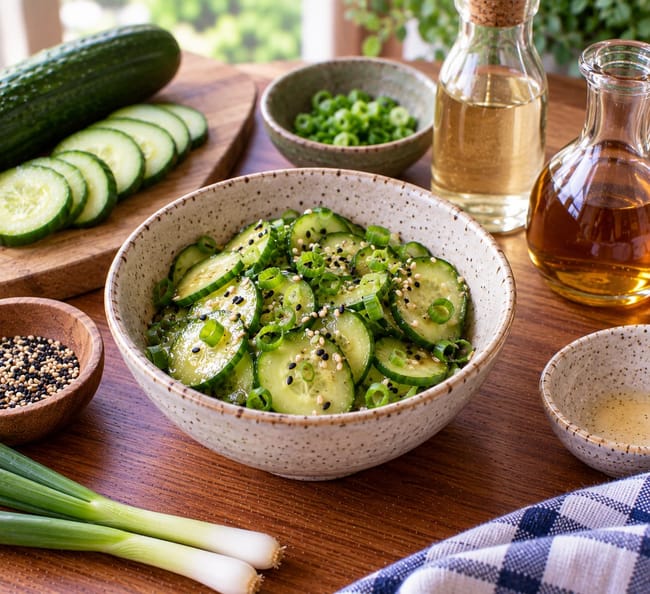
Prepare the Cucumber Salad
In a small bowl, combine:
Sliced cucumber
Rice vinegar
Sesame oil
Thinly sliced green onions
Mix gently until evenly coated.
Allow the salad to marinate for 5–10 minutes while finishing the other ingredients.
Assemble the Bento
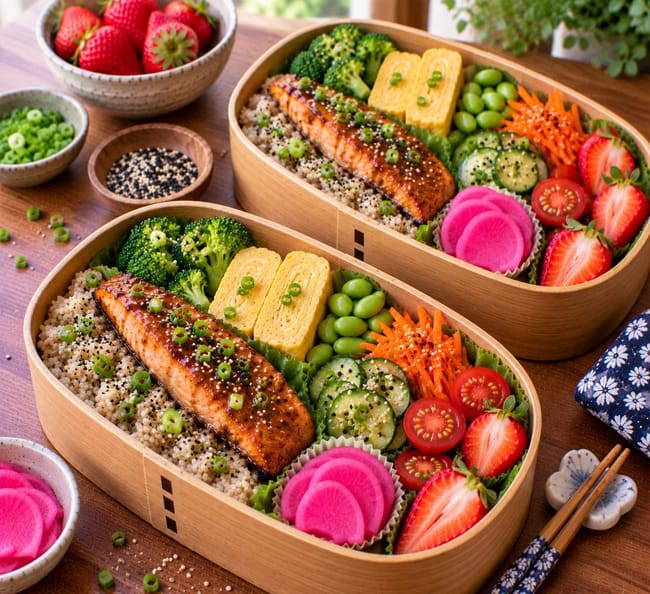
Arrange the lunch neatly:
Brown rice
Teriyaki salmon
Tamagoyaki
Steamed broccoli
Edamame
Julienned carrots
Cucumber salad
Cherry tomatoes
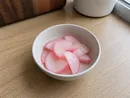
Pickled radish
Fresh strawberries
Keep the ingredients separated to create a colorful, visually balanced presentation.

Add the Finishing Touches
Sprinkle:
Black sesame seeds over the rice
Green onions over the salmon
A few extra sesame seeds over the vegetables if desired
Check that every compartment is neatly arranged before closing the lunch box.
Pack and Enjoy
Seal the bento once all ingredients have cooled to room temperature.
Enjoy it:
For lunch at work
At school
During travel
For meal prep
On a picnic
Each box offers a satisfying combination of:
Lean protein
Whole grains
Fresh vegetables
Fruit
Healthy fats
Authentic Japanese-inspired flavors
Balanced, colorful, and nourishing, this Japanese Bento is a delicious way to enjoy a complete meal wherever your day takes you.
Chef's Tips
Common Mistakes
Why This Recipe Was Designed This Way
Traditional Japanese bento boxes are designed around the idea of balance rather than excess. Instead of focusing on a single large portion, they combine several complementary foods that provide a variety of nutrients, textures, and flavors in one compact meal.
This recipe follows that philosophy by combining lean protein, whole grains, colorful vegetables, fruit, and healthy fats into a satisfying lunch that's ideal for meal prep and everyday eating.
Each ingredient serves a specific nutritional and culinary purpose.
🐟 Salmon
Salmon is the primary source of protein in this bento. It provides: High-quality complete protein Omega-3 fatty acids Vitamin D Vitamin B12 Selenium Its rich flavor pairs beautifully with the mild brown rice and fresh vegetables.
🍚 Brown Rice
Brown rice provides slow-digesting carbohydrates that help sustain energy throughout the afternoon. It also contributes: Dietary fiber Magnesium Manganese B vitamins Its slightly nutty flavor complements traditional Japanese dishes.
🥚 Eggs
The tamagoyaki adds softness and a mild sweetness while contributing: Complete protein Choline Vitamin A Vitamin D Vitamin B12 Its rolled presentation is also a hallmark of authentic Japanese bento.
🫛 Edamame
Edamame adds plant-based protein along with: Dietary fiber Folate Iron Magnesium Potassium Its bright green color also enhances the visual balance of the lunch box.
🥦 Broccoli
Lightly steamed broccoli contributes: Vitamin C Vitamin K Folate Fiber Naturally occurring antioxidants Its crisp-tender texture contrasts nicely with the soft rice and salmon.
🥕 Carrots
Carrots provide: Beta-carotene Dietary fiber Vitamin A precursors Natural sweetness Bright color Julienned carrots also make the bento more visually attractive.
🥒 Cucumber
Fresh cucumber adds refreshing crunch while helping balance the richer flavors of the salmon and omelet. Its high water content also contributes freshness without adding many calories.
🍓 Strawberries
Fresh strawberries naturally finish the meal with sweetness while providing: Vitamin C Dietary fiber Anthocyanin antioxidants Bright red color They complete the balanced variety typical of traditional bento lunches.
Ingredient Swaps
Need to customize your Japanese Bento? These substitutions maintain its balanced, Japanese-inspired character while offering flexibility for different tastes and dietary preferences.
| Instead of... | Try... |
|---|---|
| Salmon | Grilled chicken breast |
| Brown rice | Short-grain brown rice |
| Tamagoyaki | Boiled eggs |
| Edamame | Green peas |
| Broccoli | Asparagus |
| Pickled radish | Pickled cucumber |
| Strawberries | Mandarin orange segments |
| Sesame oil | Avocado oil |
| Honey | Maple syrup |
| Black sesame seeds | White sesame seeds |
What Research Says
The ingredients in this recipe were selected because they are commonly included in balanced dietary patterns that emphasize lean protein, whole grains, vegetables, fruits, and healthy fats. The information below summarizes current nutrition research and is intended for educational purposes only. It should not be interpreted as medical advice.
🐟 Salmon
Salmon is widely recognized as one of the richest dietary sources of long-chain omega-3 fatty acids (EPA and DHA). It also provides high-quality protein, vitamin D, vitamin B12, and selenium. Regular fish consumption is commonly recommended as part of healthy dietary patterns.
- Rich in omega-3 fatty acids (EPA & DHA).
- Excellent source of complete protein.
- Provides vitamin D and vitamin B12.
- Naturally rich in selenium.
🍚 Brown Rice
Brown rice is a whole grain that retains its bran and germ, providing more dietary fiber and micronutrients than refined white rice. It offers slow-digesting carbohydrates that support sustained energy throughout the day.
- Whole-grain carbohydrate source.
- Provides dietary fiber.
- Contains magnesium and manganese.
- Supports balanced dietary patterns.
🫛 Edamame
Edamame are immature soybeans naturally rich in plant protein, dietary fiber, folate, magnesium, and iron. They provide a satisfying combination of protein and fiber that complements the salmon.
- Rich in plant protein.
- Good source of dietary fiber.
- Provides folate and iron.
- Naturally contains potassium.
🥦 Broccoli
Broccoli contributes dietary fiber, vitamin C, vitamin K, folate, and naturally occurring phytochemicals. Light steaming helps preserve both texture and many heat-sensitive nutrients.
- Excellent source of vitamin C.
- Rich in vitamin K.
- Provides dietary fiber.
- Naturally contains glucosinolates.
🥚 Eggs
Eggs provide complete protein together with choline, vitamin B12, vitamin D, and selenium. They are a traditional component of many Japanese bento meals through tamagoyaki.
- Complete protein source.
- Rich in choline.
- Provides vitamin B12.
- Naturally contains vitamin D.
🍓 Strawberries
Strawberries naturally provide vitamin C, dietary fiber, and antioxidant compounds called anthocyanins. Their refreshing sweetness balances the savory elements of the bento.
- Excellent source of vitamin C.
- Provides dietary fiber.
- Naturally rich in antioxidants.
- Low in calories.
Estimated Nutrition
Per serving
Nutritional values are estimates calculated from standard food composition databases. Actual values may vary depending on ingredient brands, preparation methods, and serving sizes. For the most accurate nutritional analysis, calculate values using the exact ingredients you use.
Storage & Reheating
Japanese Bento is ideal for meal prep because most of its components store well and can be prepared in advance.
Refrigerating
Allow all cooked ingredients to cool completely before assembling.
Store the prepared bento in an airtight lunch box or container in the refrigerator for up to 3 days.
Fresh strawberries are best added the day of serving for optimal texture.
Freezing
Only the following components freeze well:
Cooked brown rice
Cooked salmon
Tamagoyaki
Freeze each component separately for up to 2 months.
Fresh vegetables, cucumber salad, and strawberries are not recommended for freezing because they lose their texture after thawing.
Reheating
Microwave: Warm only the salmon, rice, and tamagoyaki for 1–2 minutes. Leave the vegetables, fruit, and cucumber salad cold for the best flavor and texture.
Serving Cold: Japanese bento is traditionally enjoyed at room temperature or slightly chilled, making it ideal for school lunches, office meals, and picnics.
Meal Prep Tips
Japanese Bento is one of the best recipes for weekly meal preparation.
For the freshest results:
Cook the brown rice up to 4 days ahead.
Prepare the salmon up to 2 days in advance.
Make the tamagoyaki the evening before.
Steam the broccoli until just tender to preserve its bright color.
Slice cucumbers shortly before assembling.
Pack strawberries separately if preparing more than one day ahead.
Serving Suggestions
This balanced bento is satisfying on its own but can be paired with traditional Japanese sides for an even more complete meal.
Miso Soup: A warm bowl of light miso soup pairs beautifully with the salmon and rice while adding comforting flavor.
Green Tea: Unsweetened green tea complements the delicate Japanese flavors and provides a refreshing beverage alongside the meal.
Fresh Fruit: Mandarin orange segments, kiwi, or grapes make excellent seasonal alternatives or additions to the strawberries.
Seaweed Salad: A light seaweed salad adds minerals, refreshing texture, and authentic Japanese flavor.
Fresh Edamame: Serve extra steamed edamame sprinkled with a pinch of sea salt for additional plant-based protein.
Frequently Asked Questions
Can I use white rice instead of brown rice?
Yes. Traditional Japanese bento often includes white rice, but brown rice provides additional fiber and whole-grain nutrients.
Can I prepare this bento the night before?
Absolutely. It's an excellent make-ahead lunch. Store it refrigerated and add delicate fruit shortly before serving if possible.
Is the salmon served hot or cold?
Either works well. Many traditional bento meals are enjoyed at room temperature, although you can gently reheat the salmon if preferred.
Can I replace the salmon?
Yes. Grilled chicken, tofu, shrimp, or baked cod all make excellent alternatives while maintaining a balanced meal.
Why are the foods separated?
Keeping each ingredient in its own section preserves flavor, texture, and presentation—one of the defining characteristics of a traditional bento.
Can children enjoy this recipe?
Yes. The balanced combination of protein, vegetables, fruit, and rice makes it suitable for both adults and children. You can reduce the soy sauce slightly for a milder flavor.
What type of lunch box works best?
A compartmentalized bento box with dividers helps keep the ingredients separate and maintains their individual textures.
Can I make this recipe vegetarian?
Yes. Replace the salmon with grilled tofu or baked tempeh while keeping the remaining components the same.
Why is tamagoyaki included?
Tamagoyaki is a classic element of Japanese bento. It provides protein, a soft texture, and a subtle sweetness that balances the savory dishes.
How long can the bento stay unrefrigerated?
For food safety, consume it within 2 hours at room temperature, or use an insulated lunch bag with an ice pack if refrigeration isn't available.
Related Recipes
If you enjoyed this Japanese Bento, you may also love these recipes from our Bento & Lunch Boxes collection.
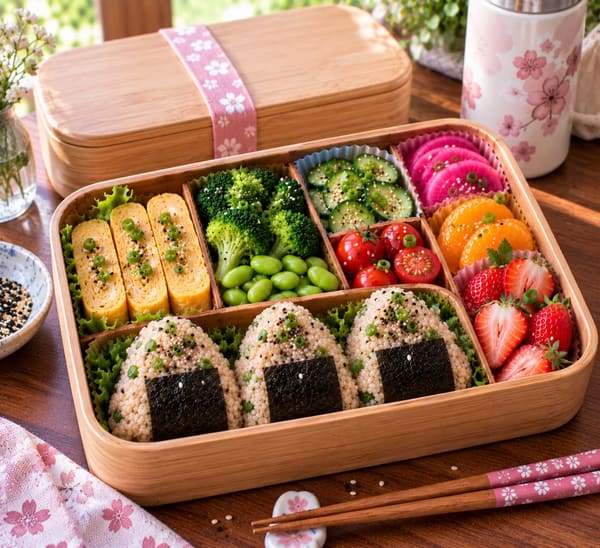
🍙 Onigiri Lunch Box
Classic Japanese rice balls served with colorful vegetables, fresh fruit, and wholesome side dishes for a portable, satisfying lunch.
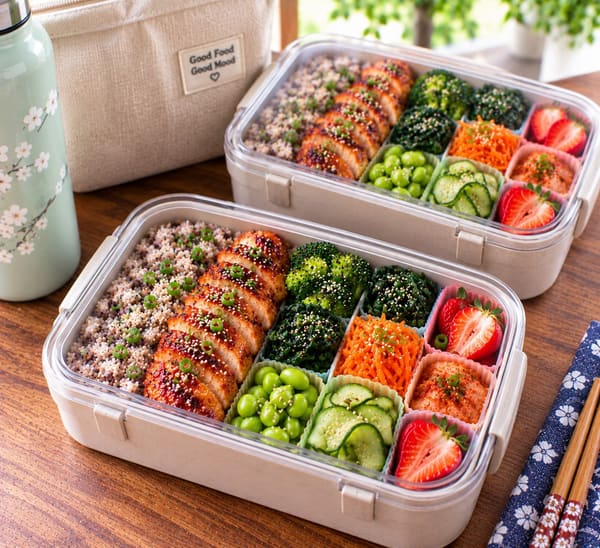
🍗 Korean Chicken Bento
Tender Korean-inspired chicken paired with brown rice, crisp vegetables, and flavorful side dishes for a protein-rich lunch.
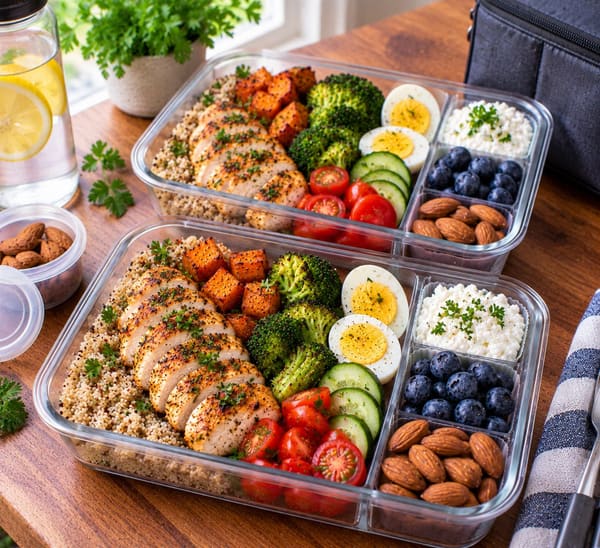
🥪 High-Protein Lunch Box
A balanced lunch packed with lean protein, whole grains, fresh vegetables, and healthy snacks to keep you energized throughout the day.