
Korean Chicken Bento
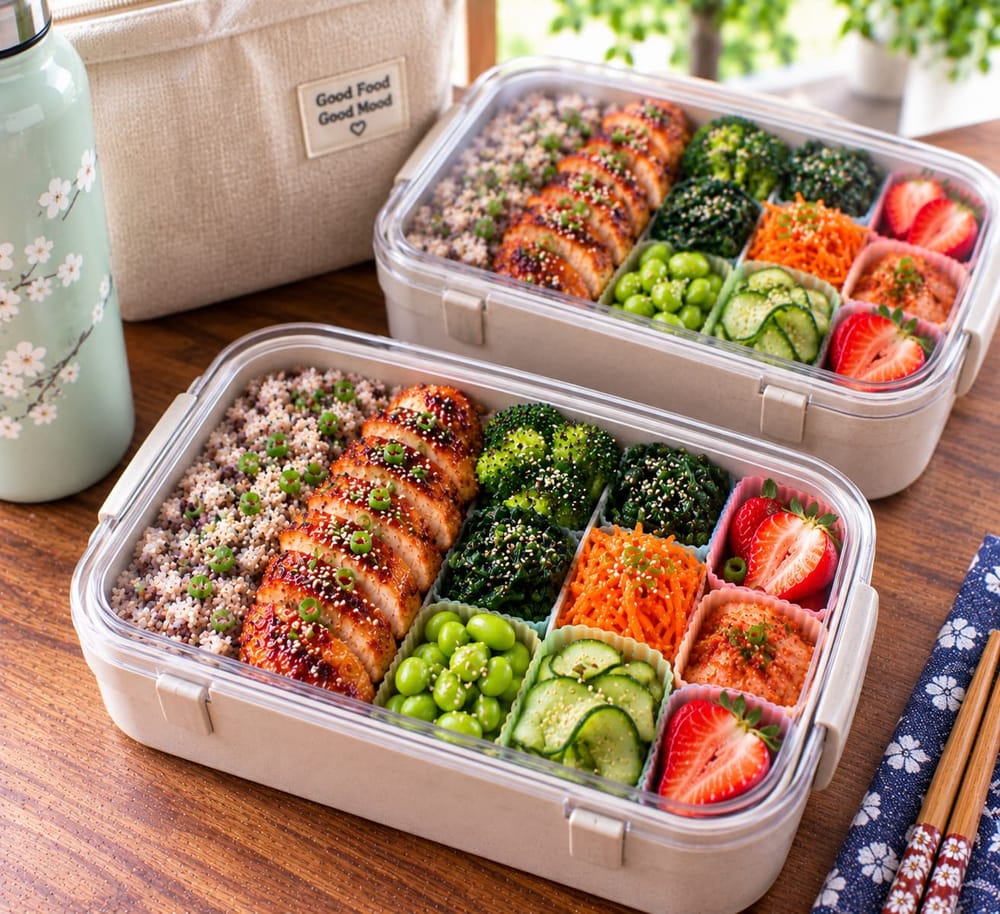
Korean lunch boxes, often known as dosirak, are celebrated for their vibrant colors, bold flavors, and thoughtful balance of protein, grains, vegetables, and fermented foods. Designed to be both satisfying and practical, they have become a popular meal-prep option for busy weekdays while showcasing the rich culinary traditions of Korea.
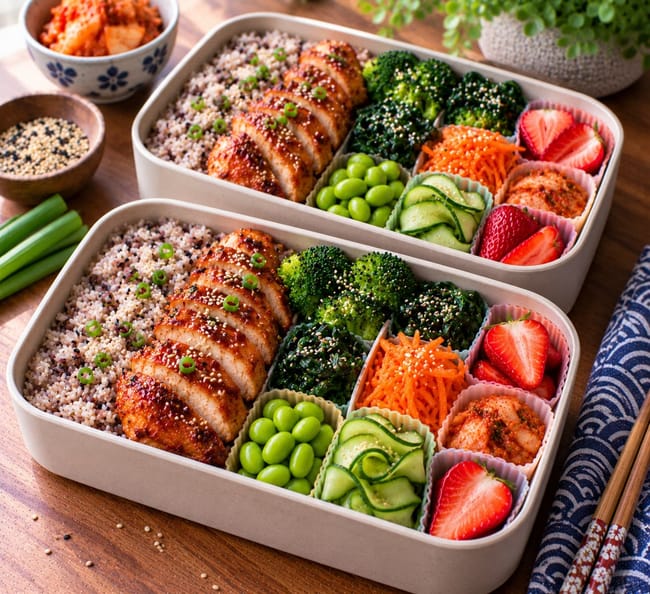
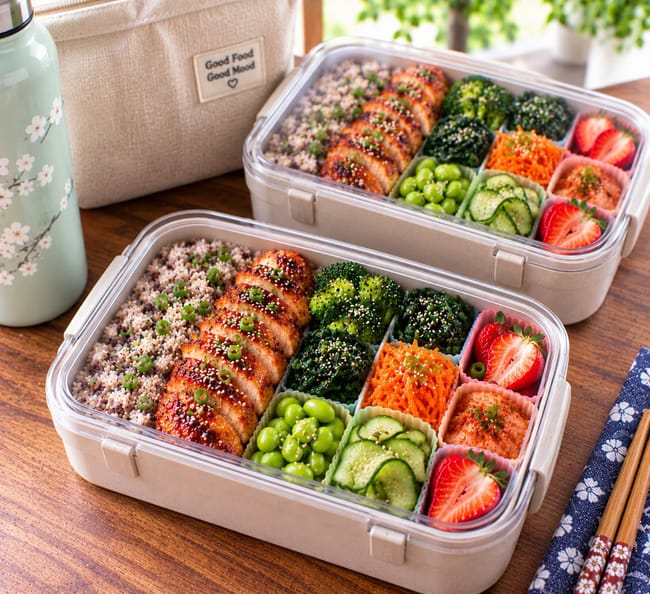
This Korean Chicken Bento brings together tender grilled chicken coated in a lightly sweet and savory Korean-inspired glaze, wholesome multigrain rice, colorful vegetables, protein-rich edamame, and a small portion of kimchi for authentic flavor. Fresh fruit completes the meal with natural sweetness and refreshing contrast.
By using lean chicken breast, reduced-sodium ingredients, and plenty of vegetables, this version maintains the bold character of Korean cuisine while supporting a balanced eating pattern.
Perfect for work, school, or meal prep, this Korean Chicken Bento offers satisfying nutrition, beautiful presentation, and comforting homemade flavor in every bite.
Recipe Information
| Prep Time | 20 minutes |
| Cook Time | 25 minutes |
| Total Time | 45 minutes |
| Servings | 2 Bento Boxes |
| Difficulty | Medium |
| Calories | ~585 kcal per bento |
Quick Highlights
- ✅ High in protein
- ✅ Korean-inspired flavors
- ✅ Rich in colorful vegetables
- ✅ Great for weekly meal prep
- ✅ Balanced lunch
- ✅ Includes fermented foods
- ✅ Ready in under one hour
Ingredients
Makes 2 Bento Boxes











Step-by-Step Instructions
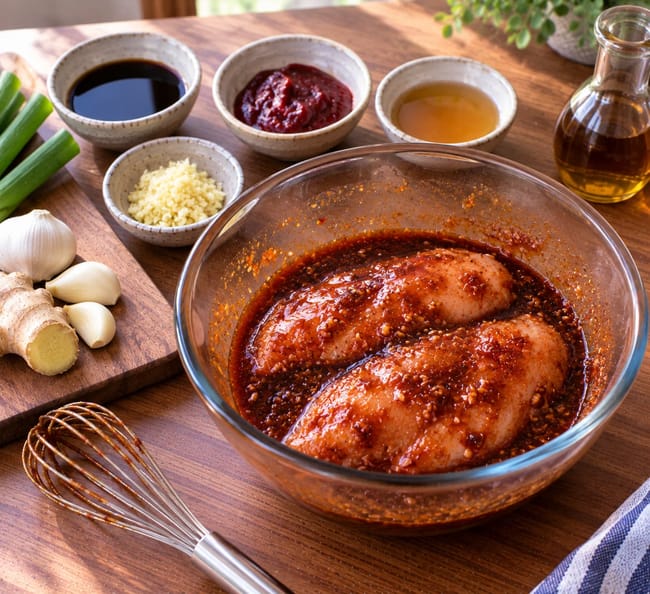
Prepare the Korean Marinade
In a medium bowl, combine:
Low-sodium soy sauce
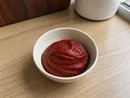
Gochujang
Honey
Fresh garlic
Fresh ginger
Toasted sesame oil
Whisk until smooth.
Add the chicken breasts and coat evenly.
Marinate for 20–30 minutes while preparing the remaining ingredients.
Cook the Multigrain Rice
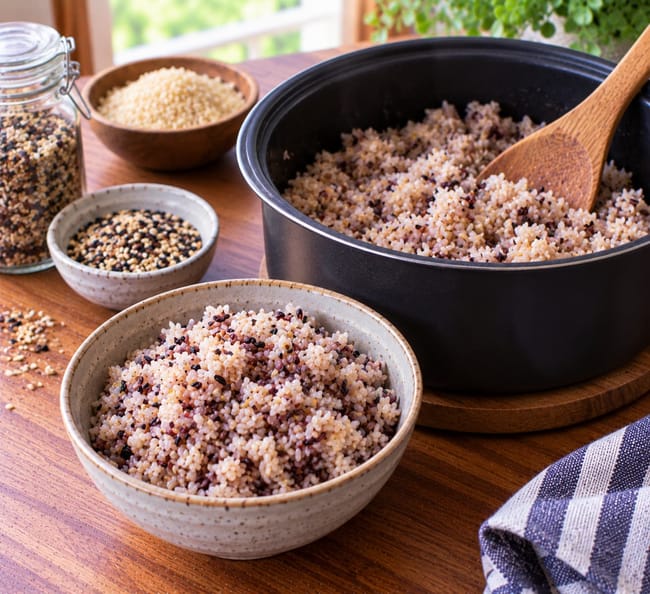
Cook the multigrain rice according to the package directions.
Once tender, fluff gently with a rice paddle or fork.
Allow it to cool slightly before portioning it into the bento boxes.
Set aside.
Cook the Chicken
Heat a lightly oiled skillet over medium heat.
Cook the marinated chicken for about 5–6 minutes per side, depending on thickness.
Brush any remaining marinade over the chicken during cooking.
Cook until the internal temperature reaches 165°F (74°C).
Allow the chicken to rest for 5 minutes, then slice into strips.

Prepare the Vegetables
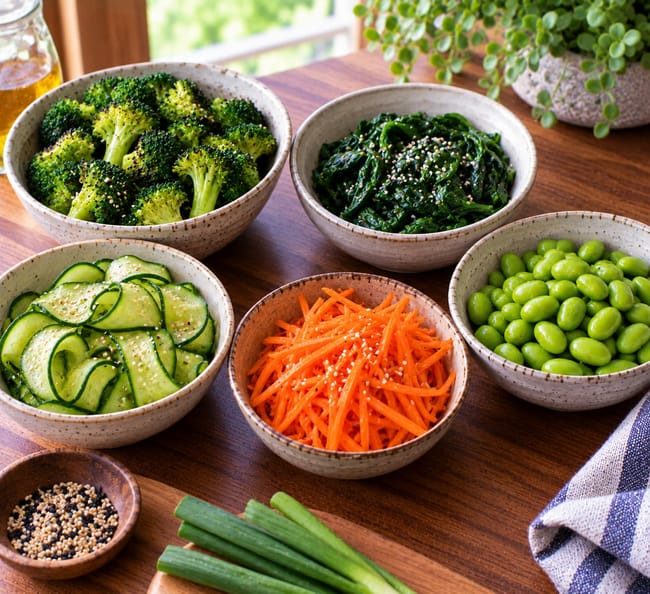
Roast or steam the broccoli until just tender.
Lightly sauté the spinach until wilted.
Cook the edamame if needed.
Use a vegetable peeler to create cucumber ribbons.
Julienne the carrot.
Allow all vegetables to cool slightly before assembling.
Prepare the Fresh Components
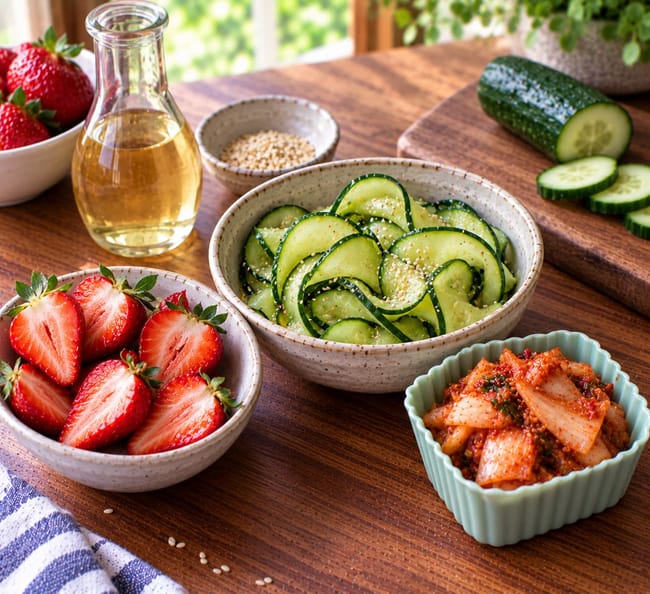
Wash and halve the strawberries.
Place the kimchi into a small compartment or silicone cup.
Lightly toss the cucumber ribbons with:
Rice vinegar
Set all fresh ingredients aside until assembly.
Assemble the Bento
Arrange each lunch box with:
Multigrain rice
Sliced Korean chicken
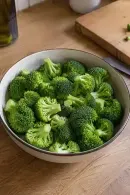
Broccoli
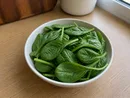
Sautéed spinach
Edamame
Julienned carrots
Cucumber ribbons
Kimchi
Fresh strawberries
Arrange each component separately to showcase the colorful variety.
Garnish
Finish the bento with:
Toasted sesame seeds
Fresh green onions
Check that every compartment is neatly organized before closing the lid.
The garnishes add both visual appeal and authentic Korean-inspired flavor.

Pack and Enjoy
Allow all ingredients to cool completely before sealing the lunch box.
Enjoy it:
For work lunches
At school
During travel
For weekly meal prep
On outdoor picnics
Each bento delivers a balanced combination of:
Lean protein
Whole grains
Fermented vegetables
Colorful produce
Healthy fats
Authentic Korean-inspired flavors
This Korean Chicken Bento offers bold flavor, satisfying nutrition, and beautiful presentation in one convenient meal.
Chef's Tips
Common Mistakes
Why This Recipe Was Designed This Way
Korean lunch boxes are known for combining multiple small dishes that work together to create a satisfying and nutritionally balanced meal. Rather than relying on a single large serving, they pair lean protein, whole grains, fermented vegetables, fresh produce, and flavorful seasonings to create variety in every bite.
This healthier Korean Chicken Bento preserves those traditional principles while using lean chicken breast, reduced-sodium ingredients, and a generous selection of colorful vegetables.
Each ingredient contributes unique nutritional value and authentic Korean-inspired flavor.
🍗 Chicken Breast
Chicken breast serves as the primary protein source. It provides: High-quality complete protein Niacin (Vitamin B3) Vitamin B6 Phosphorus Selenium Its lean profile makes it ideal for balanced lunches and meal prep.
🍚 Multigrain Rice
A blend of whole grains offers greater nutritional diversity than refined grains alone. It contributes: Complex carbohydrates Dietary fiber Magnesium Manganese Long-lasting energy Its hearty texture pairs perfectly with the savory glazed chicken.
🥬 Kimchi
Kimchi is one of Korea's most iconic fermented foods. It contributes: Naturally fermented vegetables Dietary fiber Vitamin C Vitamin K Bold tangy flavor Its acidity balances the richness of the chicken while adding authentic character to the meal.
🫛 Edamame
Edamame increases both protein and fiber. It provides: Plant protein Folate Magnesium Iron Potassium Its vibrant green color also enhances the appearance of the bento.
🥦 Broccoli & Spinach
These green vegetables contribute an impressive variety of micronutrients. Together they provide: Vitamin C Vitamin K Folate Dietary fiber Naturally occurring antioxidants Their mild flavors complement the bold Korean seasoning.
🥕 Carrots
Julienned carrots add freshness, crunch, and natural sweetness. They are particularly rich in: Beta-carotene Dietary fiber Vitamin A precursors Their bright orange color creates beautiful visual contrast.
🍓 Strawberries
Fresh strawberries finish the meal with refreshing sweetness. They naturally provide: Vitamin C Dietary fiber Anthocyanins Hydration Their sweetness balances the spicy and savory flavors found throughout the lunch.
Ingredient Swaps
Need to customize your Korean Chicken Bento? These substitutions maintain its bold Korean-inspired flavors while accommodating different dietary preferences.
| Instead of... | Try... |
|---|---|
| Chicken breast | Turkey breast or extra-firm tofu |
| Multigrain rice | Brown rice or quinoa |
| Kimchi | Quick-pickled cabbage |
| Edamame | Green peas |
| Broccoli | Green beans |
| Spinach | Bok choy |
| Strawberries | Mandarin orange segments |
| Honey | Pure maple syrup |
| Gochujang | Mild chili paste (use less for lower heat) |
| Sesame oil | Avocado oil |
What Research Says
The ingredients in this recipe were selected because they are commonly included in balanced dietary patterns that emphasize lean protein, whole grains, vegetables, fermented foods, and healthy fats. The information below summarizes current nutrition research and is intended for educational purposes only. It should not be interpreted as medical advice.
🍗 Chicken Breast
Chicken breast is one of the leanest sources of complete protein, supplying all nine essential amino acids along with several important vitamins and minerals. Its naturally low fat content makes it a popular choice for balanced meal preparation.
- Excellent source of complete protein.
- Naturally low in saturated fat.
- Rich in niacin (Vitamin B3).
- Provides vitamin B6 and selenium.
🍚 Multigrain Rice
Multigrain rice combines several whole grains that provide dietary fiber, complex carbohydrates, and a wide variety of micronutrients. Whole grains have been consistently associated with healthy dietary patterns.
- Source of complex carbohydrates.
- Rich in dietary fiber.
- Provides magnesium and manganese.
- Supports sustained energy.
🥬 Kimchi
Kimchi is a traditional fermented Korean vegetable dish made primarily from cabbage and seasonings. Fermented foods contribute beneficial microorganisms while also providing vitamins, fiber, and distinctive flavor.
- Naturally fermented.
- Source of dietary fiber.
- Provides vitamin C.
- Contains beneficial microorganisms produced during fermentation.
🫛 Edamame
Edamame are immature soybeans naturally rich in plant protein, dietary fiber, folate, iron, and magnesium. Their combination of protein and fiber makes them especially satisfying.
- Rich in plant protein.
- Good source of dietary fiber.
- Provides folate and iron.
- Naturally contains magnesium.
🥦 Broccoli & Spinach
Broccoli and spinach provide a broad range of vitamins, minerals, fiber, and naturally occurring plant compounds. Their combination increases both nutritional variety and visual appeal.
- Excellent source of vitamin C.
- Rich in vitamin K.
- Provides folate.
- Naturally contains antioxidant phytochemicals.
🍓 Strawberries
Strawberries provide natural sweetness while contributing vitamin C, fiber, and antioxidant compounds. Their refreshing flavor balances the savory and mildly spicy Korean-inspired chicken.
- Excellent source of vitamin C.
- Naturally rich in antioxidants.
- Provides dietary fiber.
- Low in calories.
Estimated Nutrition
Per serving
Nutritional values are estimates calculated from standard food composition databases. Actual values may vary depending on ingredient brands, preparation methods, and serving sizes. For the most accurate nutritional analysis, calculate values using the exact ingredients you use.
Storage & Reheating
The Korean Chicken Bento is an excellent meal-prep option because each component stores well while maintaining its flavor and texture.
Refrigerating
Allow all cooked ingredients to cool completely before assembling.
Store the prepared bento in an airtight lunch box or meal-prep container in the refrigerator for up to 4 days.
Keep the kimchi in its own compartment to prevent its juices from affecting the other ingredients.
Freezing
The following components freeze well:
Cooked chicken
Multigrain rice
Freeze them separately in airtight containers for up to 2 months.
Fresh vegetables, strawberries, cucumber ribbons, and kimchi should not be frozen, as their texture changes significantly after thawing.
Reheating
Microwave: Warm only the:
ChickenRice: for 1–2 minutes, or until thoroughly heated. Serve the vegetables, kimchi, and strawberries chilled for the best texture and flavor.
Serving Cold: This bento can also be enjoyed cold, making it ideal for office lunches, travel, and school meals.
Meal Prep Tips
This recipe is designed with meal prep in mind.
For the best results:
Marinate the chicken the night before.
Cook the rice up to 4 days ahead.
Roast or steam the vegetables in advance.
Slice the chicken only after it has cooled slightly.
Store kimchi separately until serving.
Wash and prepare strawberries shortly before packing for maximum freshness.
Serving Suggestions
This Korean Chicken Bento pairs beautifully with traditional Korean-inspired side dishes and refreshing beverages.
Korean Barley Tea: A chilled or warm cup of roasted barley tea complements the savory and mildly spicy flavors while providing a refreshing finish.
Light Miso Soup: A simple bowl of warm miso soup adds comfort and pairs surprisingly well with the Korean-inspired meal.
Fresh Fruit: Kiwi, mandarin orange, blueberries, or grapes all make excellent seasonal additions or alternatives to strawberries.
Cucumber Salad: An extra serving of lightly dressed cucumber salad provides refreshing contrast to the bold chicken glaze.
Roasted Seaweed Snacks: Crispy roasted seaweed sheets add extra crunch and authentic East Asian flavor.
Frequently Asked Questions
Can I make this less spicy?
Yes. Reduce the amount of gochujang or replace part of it with additional soy sauce and a small amount of honey for a milder glaze.
Can I prepare the chicken in advance?
Absolutely. The cooked chicken stores well in the refrigerator for up to 4 days, making it ideal for meal prep.
Can I use chicken thighs?
Yes. Boneless, skinless chicken thighs provide a slightly richer flavor while remaining tender after reheating.
Why is kimchi served separately?
Kimchi naturally releases flavorful juices. Keeping it separate preserves the texture of the rice and vegetables.
Can children enjoy this recipe?
Yes. Simply reduce or omit the gochujang to create a mild version suitable for younger family members.
Can I substitute tofu?
Yes. Extra-firm tofu works very well and absorbs the Korean-inspired marinade beautifully.
Why use multigrain rice?
A blend of whole grains provides additional fiber, minerals, and texture compared with refined white rice.
Can this bento be eaten cold?
Yes. It is delicious served cold or with only the chicken and rice gently reheated.
How should I transport this lunch?
Use a compartmentalized bento box and keep it refrigerated or in an insulated lunch bag with an ice pack until serving.
Is this suitable for weekly meal prep?
Absolutely. Most components can be prepared several days in advance, making this one of the most convenient lunches for busy schedules.
Related Recipes
If you enjoyed this Korean Chicken Bento, you may also love these recipes from our Bento & Lunch Boxes collection.
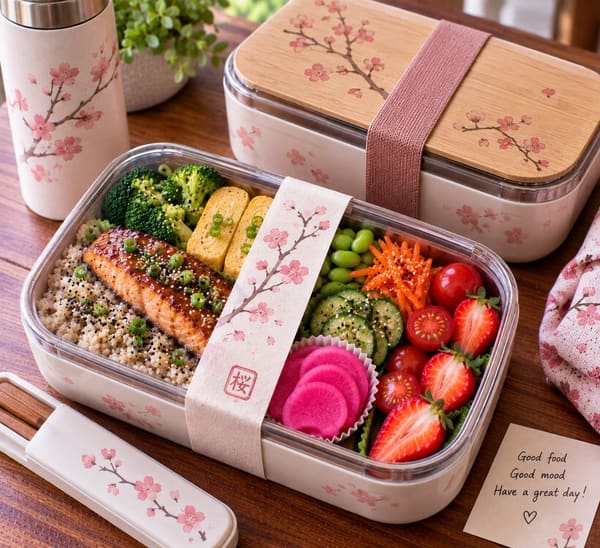
🇯🇵 Japanese Bento
A balanced Japanese-inspired lunch featuring teriyaki salmon, brown rice, tamagoyaki, colorful vegetables, and fresh fruit.
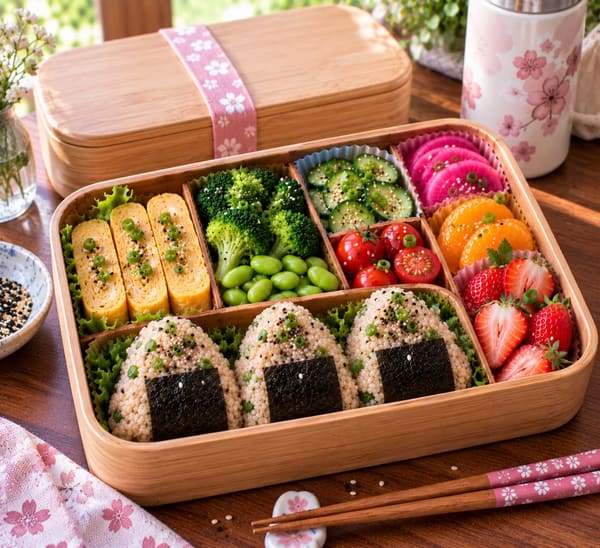
🍙 Onigiri Lunch Box
Classic Japanese rice balls filled with a creamy tuna mixture, served with vegetables, fruit, and traditional side dishes.
🥪 High-Protein Lunch Box
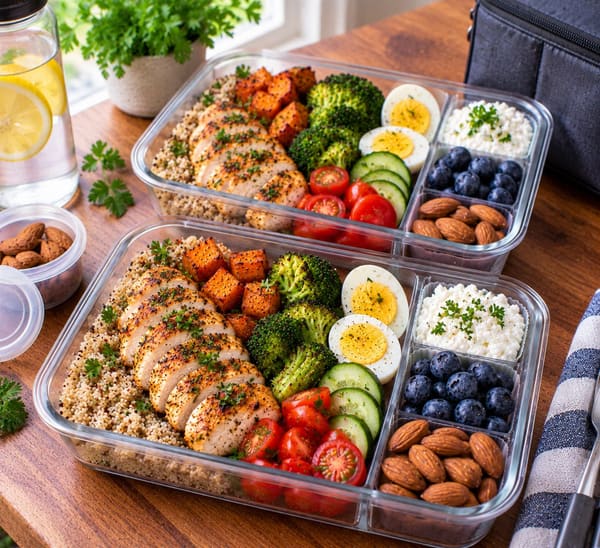
A satisfying lunch packed with lean protein, whole grains, eggs, fresh vegetables, and nutrient-rich snacks to fuel busy days.