
Lightened-Up Pulled Pork Sandwich
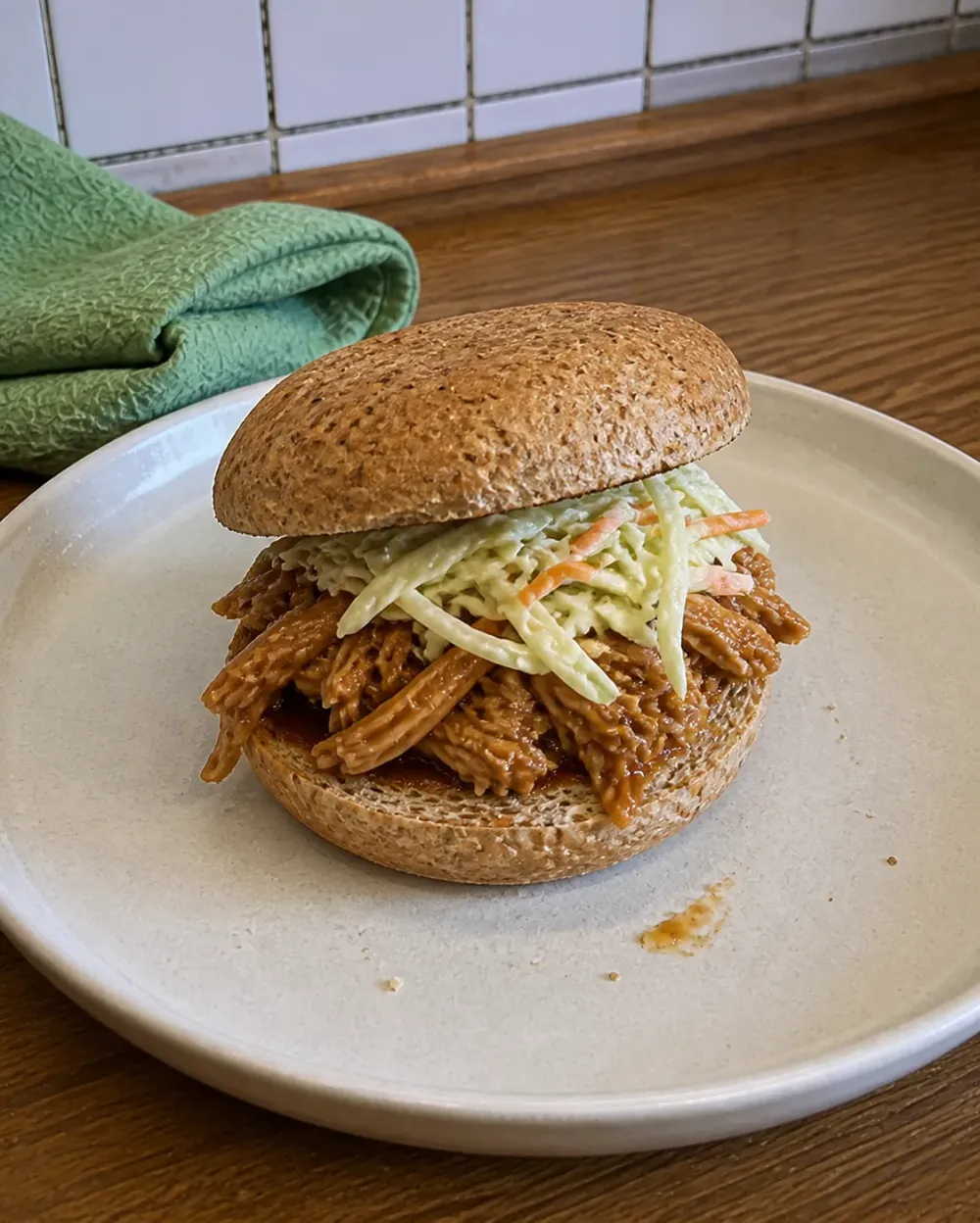
The pulled pork sandwich is a cornerstone of American barbecue, especially in the Southern states, where it holds an almost sacred place at family cookouts. The traditional recipe relies on pork slow-cooked for hours, sometimes overnight, until it's so tender it falls apart at the gentlest touch of a fork. It's then coated in a sweet, smoky barbecue sauce and piled onto a soft bun, topped with a creamy coleslaw that adds freshness and crunch.
While undeniably delicious, the classic recipe stacks up several nutritional downsides: the pork shoulder traditionally used is high in saturated fat, store-bought barbecue sauces often pack the equivalent of several teaspoons of sugar per serving, and the generous mayonnaise in the coleslaw adds even more weight to the dish. A single sandwich can easily top 700 to 800 calories, before even counting sides.
This reworked version keeps absolutely everything that makes a pulled pork sandwich so appealing — the meat that falls apart on its own, the barbecue sauce rich in smoky, gently sweet flavor, the refreshing crunch of the coleslaw — while making far smarter choices at every step of the process.
Lean pork tenderloin replaces the traditional shoulder, which is significantly fattier. Contrary to popular belief, a lean cut can absolutely become tender and easy to shred, as long as it's cooked low and slow, giving the collagen enough time to break down into gelatin without drying out the meat. The homemade barbecue sauce, made from plain tomato sauce and apple cider vinegar, is lightly sweetened with maple syrup instead of the refined sugar or high-fructose corn syrup found in nearly every bottled sauce.
The coleslaw, meanwhile, swaps traditional mayonnaise for a Greek yogurt blend, offering the same creamy richness while significantly boosting protein and cutting fat. The final result is a sandwich that's just as hearty and satisfying as the original, but one that fits far more naturally into a balanced diet without sacrificing an ounce of enjoyment.
Recipe Information
| Prep Time | 25 minutes |
| Cook Time | 2 hr 30 min (slow cook) + 10 min for sauce |
| Total Time | 3 hr |
| Servings | 6 sandwiches |
| Difficulty | Easy to intermediate |
| Calories | ~375 kcal per sandwich (excluding sides) |
Quick Highlights
- ✅ About 50% less saturated fat than the classic recipe
- ✅ Homemade barbecue sauce with no refined sugar or corn syrup
- ✅ Lighter coleslaw made with Greek yogurt, high in protein
- ✅ Lean, high-protein meat, low in saturated fat
- ✅ Fiber-rich whole grain bun
- ✅ No preservatives or processed additives
- ✅ Great for meal prep
- ✅ Freezes beautifully for future meals
Ingredients
Makes 6 sandwiches












Step-by-Step Instructions
Sear the Meat
Preheat the oven to 300°F (150°C).
In an oven-safe pot, sear the whole pork tenderloin over high heat for 2 to 3 minutes per side, until nicely browned.
Remove the meat and set aside.

Build the Aromatic Base
In the same pot, cook the sliced onion for 5 minutes over medium heat, scraping up the browned bits from the bottom.
Add the chicken broth and bring to a gentle simmer.

Make the Barbecue Sauce
In a separate saucepan, combine the tomato sauce, apple cider vinegar, maple syrup, mustard, smoked paprika, and garlic powder.
Bring to a gentle boil, then simmer for 10 minutes over low heat, stirring occasionally, until slightly thickened.
Set aside half the sauce for final serving.

Slow-Cook the Pork
Return the pork tenderloin to the pot with the onion and broth, then coat with half the barbecue sauce.
Cover and bake for 2 hours 30 minutes, until the meat is so tender it easily shreds with a fork.

Shred the Meat
Remove the pork from the pot and let it rest for 5 minutes on a cutting board.
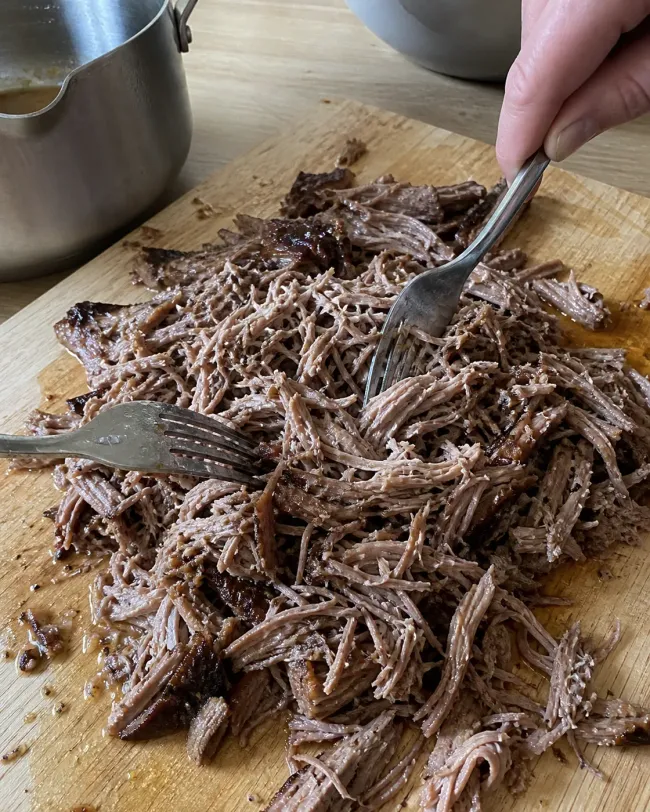
Using two forks, shred the meat into thin, even strands.
Toss the shredded meat with a bit of strained cooking liquid to soak up the flavor and prevent it from drying out.
Make the Coleslaw
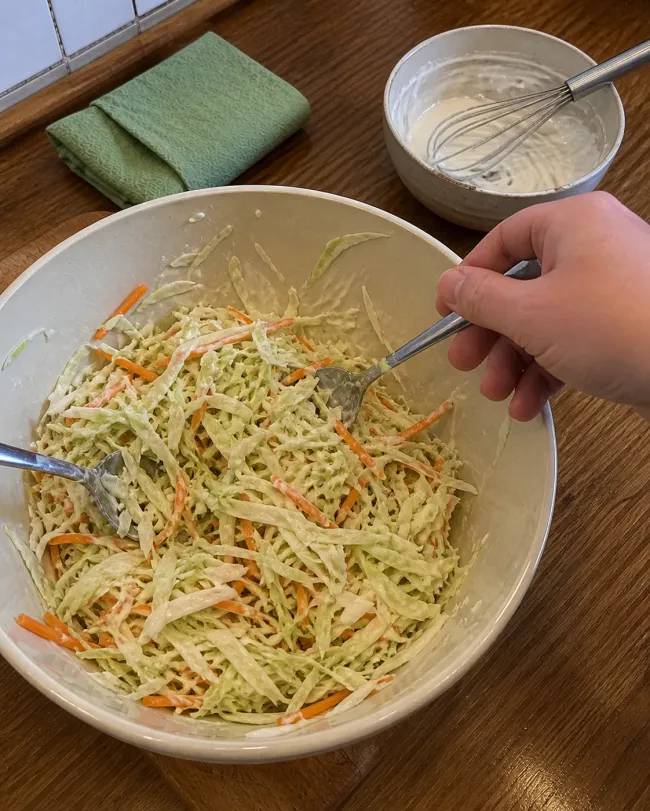
In a bowl, combine the shredded cabbage and carrots.
In a separate small bowl, whisk the Greek yogurt with the lemon juice and honey until smooth.
Pour the dressing over the vegetables and mix well until everything is evenly coated.
Refrigerate until ready to serve.
Assemble and Serve
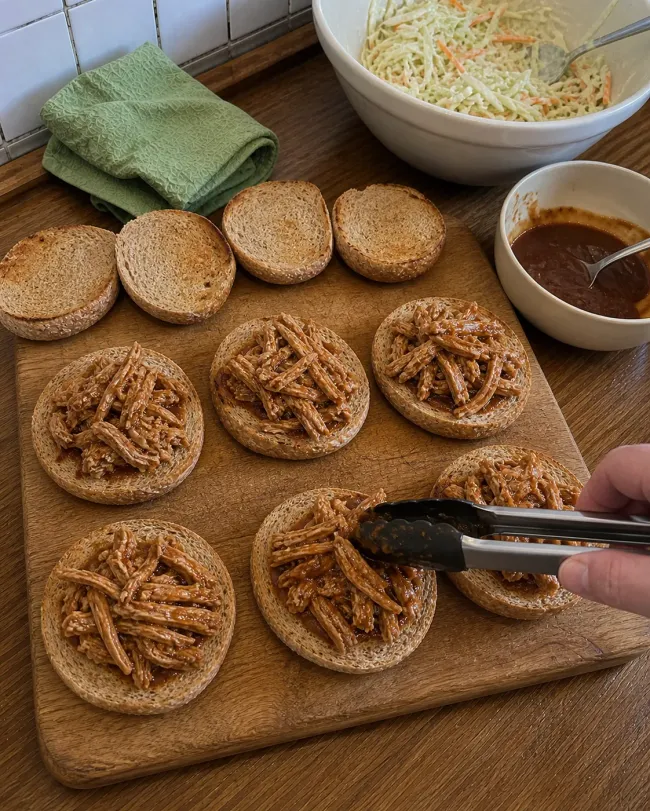
Lightly toast the whole grain buns for extra crispness.
Generously pile each bun with shredded pork.
Drizzle with a little of the reserved barbecue sauce.
Add a generous scoop of coleslaw on top and serve immediately.
Chef's Tips
Common Mistakes
Why This Recipe Was Designed This Way
Ingredient Swaps
| Instead of... | Try... |
|---|
What Research Says
Trimming excess fat from the pork before the long slow cook, and using a lower-sugar barbecue sauce, keeps this sandwich’s saturated fat and added sugar more moderate while the slow cooking still delivers the same tender, shreddable texture.
Estimated Nutrition
Per serving
Storage & Reheating
This lightened-up pulled pork stores very well, making it an excellent meal-prep option for the whole week.
Store the shredded meat with its sauce in an airtight container in the refrigerator for up to 4 days.
Reheat in a skillet over low heat or in the microwave, adding a splash of water or broth if needed to prevent the meat from drying out.
The coleslaw keeps separately for up to 2 days in the refrigerator, in an airtight container.
The shredded meat, with its sauce, also freezes well for up to 3 months; thaw overnight in the refrigerator before reheating.
Refrigerating
Freezing
Reheating
Meal Prep Tips
This recipe is particularly well suited for prepping meals ahead for the whole week.
Prepare a large batch of shredded meat over the weekend and portion it into individual containers for quick weekday lunches.
Store the coleslaw separately and only assemble it right before serving to preserve its crunch.
Freezing individual portions of shredded meat makes planning future meals effortless.
Serving Suggestions
Grilled Corn on the Cob
Grilled corn adds a sweet, summery touch that perfectly complements this smoky, flavorful sandwich.: Green Bean Salad
A fresh green bean salad with garlic and lemon adds lightness and color to the plate.: Baked Sweet Potato Fries
Oven-baked sweet potato fries perfectly complement this American barbecue classic, with more fiber than classic fried potatoes.: Dill Pickles
Frequently Asked Questions
Can I use a different cut of pork?
Yes, pork loin also works well for this recipe, as long as it's cooked slowly to stay tender despite its low fat content.
Can I make the meat ahead of time?
Absolutely — it's actually even better reheated the next day, once the flavors have had time to fully develop and meld together.
Can this sandwich be made gluten-free?
Yes, simply use a suitable gluten-free bun; the rest of the recipe stays the same and just as flavorful.
Can I substitute the Greek yogurt?
Yes, thick strained yogurt or skyr also works well in the coleslaw, with a similar result.
Can I make this in a slow cooker?
Yes, slow cooker cooking works great for this recipe — allow about 6 to 7 hours on low heat after searing the meat.
How do I know when the meat is ready?
The meat is ready when it shreds easily with a fork, without much resistance; if it still resists, extend the cooking time in 20-minute increments.
Can I use store-bought barbecue sauce to save time?
You can, but it would cancel out much of the nutritional benefit of this recipe, since most bottled sauces are very high in added sugar.
How long does the homemade barbecue sauce keep?
The sauce keeps for about a week in the refrigerator in an airtight container, so it's worth making a larger batch ahead of time.
Can I double this recipe for a bigger group?
Yes, this recipe doubles very easily; just adjust the cooking time based on the size of the meat used.
Is pulled pork suitable for a low-carb diet?
The meat itself is low in carbs; for an even more suitable version, serve it without the bun, over a green salad topped with the coleslaw.
Related Recipes
If you enjoyed this Lightened-Up Pulled Pork Sandwich, you may also like these reworked classics from our American Comfort Food collection.
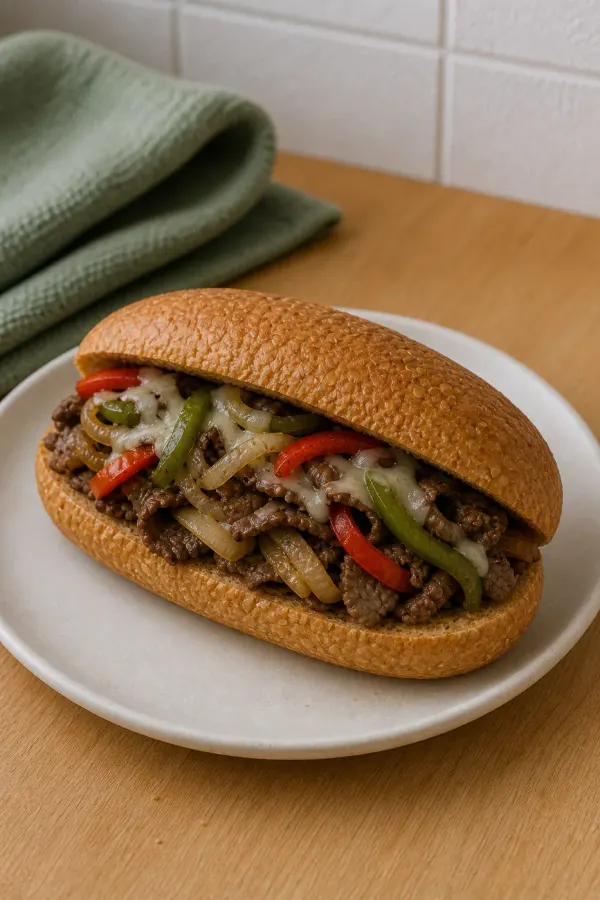
🥪 Lightened-Up Philly Cheesesteak
Another iconic American sandwich, reworked with lean meat and a whole grain roll.
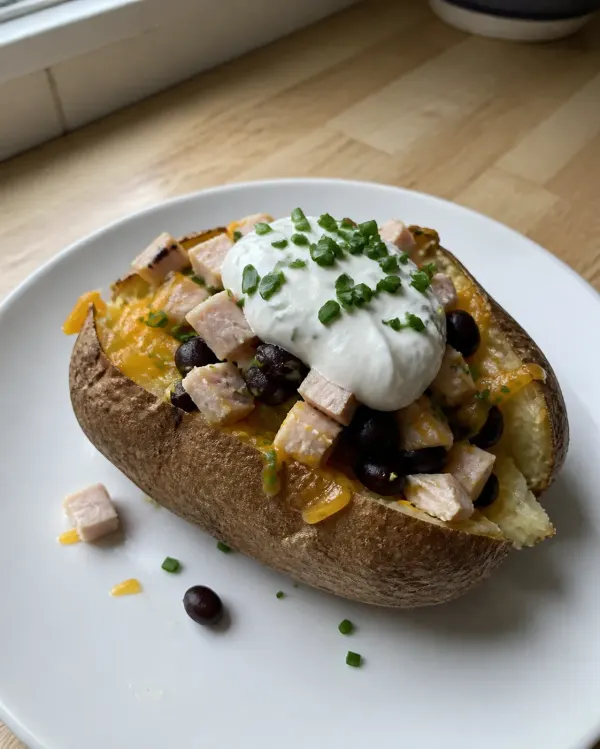
🥔 Healthy Loaded Baked Potato
A baked potato generously topped with lean protein and vegetables.