
Lightened-Up Philly Cheesesteak
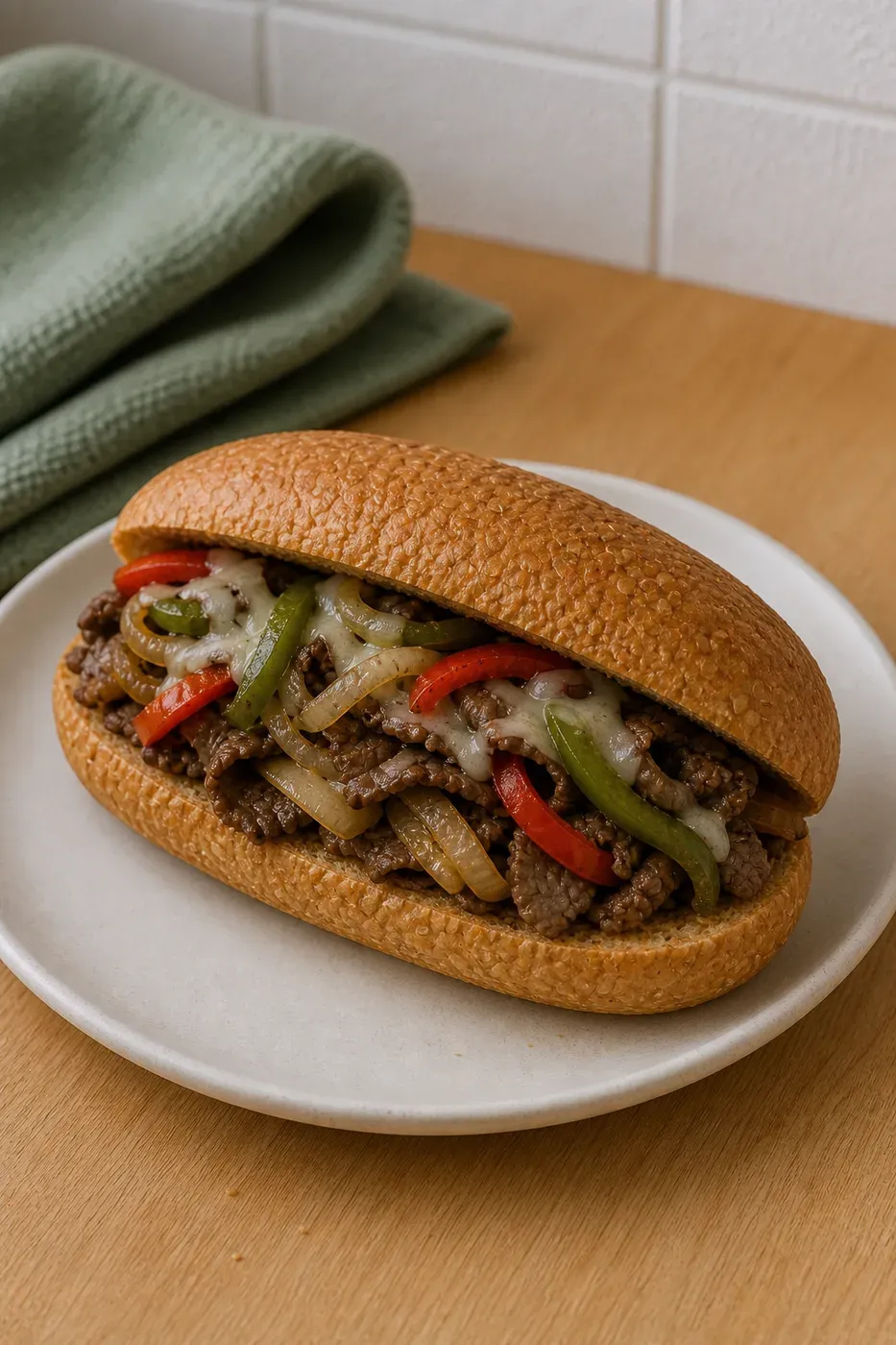
The Philly Cheesesteak, Philadelphia's most iconic sandwich, earns its reputation from thin slices of grilled ribeye, smothered in a generous layer of melted cheese (often Cheez Whiz), stuffed into a soft white hoagie roll. It's pure comfort food — and also a genuine calorie bomb, loaded with saturated fat, sodium, and refined carbs.
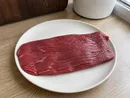
This reworked version keeps everything that makes the sandwich so satisfying — the savory beef, the melted cheese, the caramelized onions — while making smarter choices throughout. Lean flank steak replaces the fattier ribeye, while colorful bell peppers add volume, fiber, and vitamins without weighing the sandwich down.
Whole grain bread replaces the traditional white hoagie roll, adding fiber that slows down carb absorption, and reduced-fat cheese keeps that signature melty pull while meaningfully cutting saturated fat and sodium.
The result is a sandwich that's just as hearty and satisfying, keeping the soul of the Philadelphia classic while fitting far more comfortably into a balanced diet.
Recipe Information
| Prep Time | 15 minutes |
| Cook Time | 20 minutes |
| Total Time | 35 minutes |
| Servings | 4 sandwiches |
| Difficulty | Easy |
| Calories | ~415 kcal per sandwich |
Quick Highlights
- ✅ About 40% less saturated fat than the classic recipe
- ✅ High in fiber thanks to whole grain bread and peppers
- ✅ Lower sodium thanks to reduced-fat cheese
- ✅ Lean beef, high in protein
- ✅ No processed cheese sauce
- ✅ Generous vegetable portions
- ✅ Ready in under 40 minutes
Ingredients
Makes 4 sandwiches







Step-by-Step Instructions
Cook the Vegetables
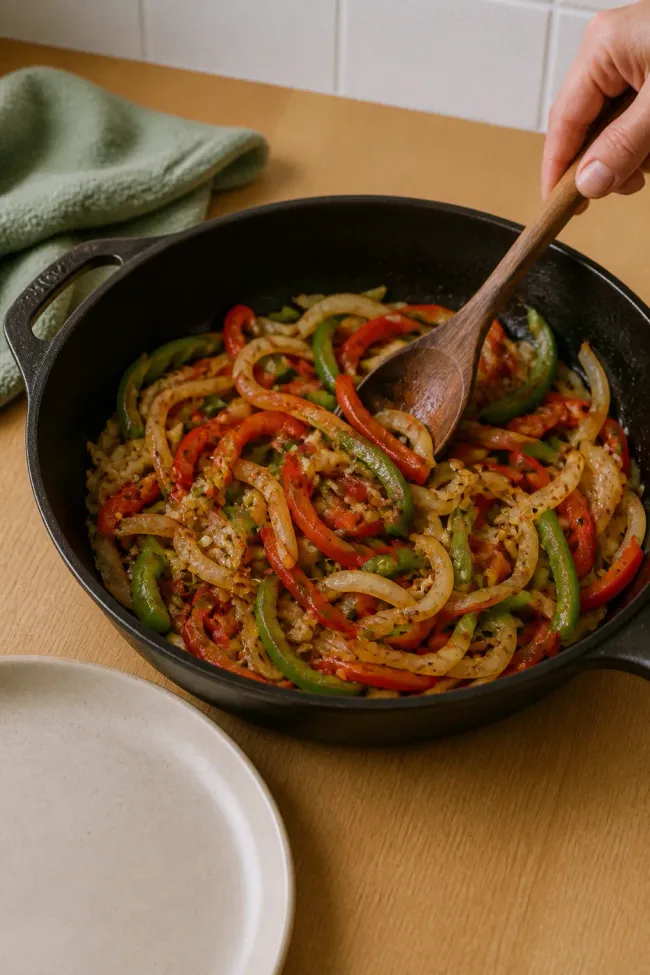
Heat half the olive oil in a large skillet over medium heat.
Add the sliced onion and cook for 5 minutes until translucent.
Add the peppers and garlic, cooking for another 8 minutes, stirring occasionally, until the vegetables are tender and lightly caramelized.
Transfer the vegetables to a plate and set aside.
Sear the Beef
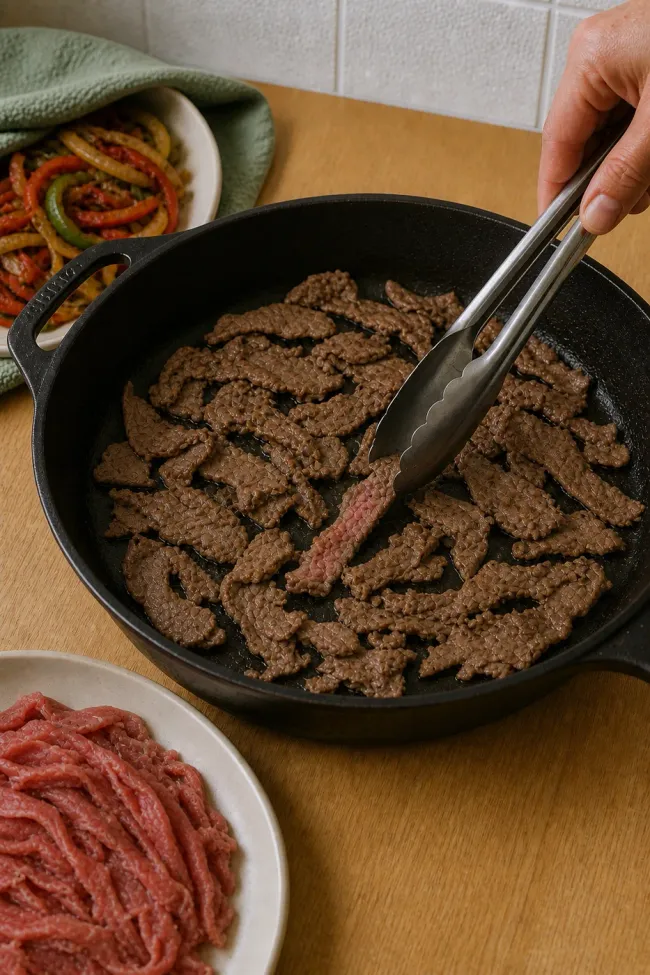
Heat the remaining olive oil in the same skillet over high heat.
Add the beef slices in a single layer, without overcrowding the pan.
Sear for 2 to 3 minutes per side, until browned but still tender.
Season with black pepper and Italian herbs.
Combine Beef and Vegetables
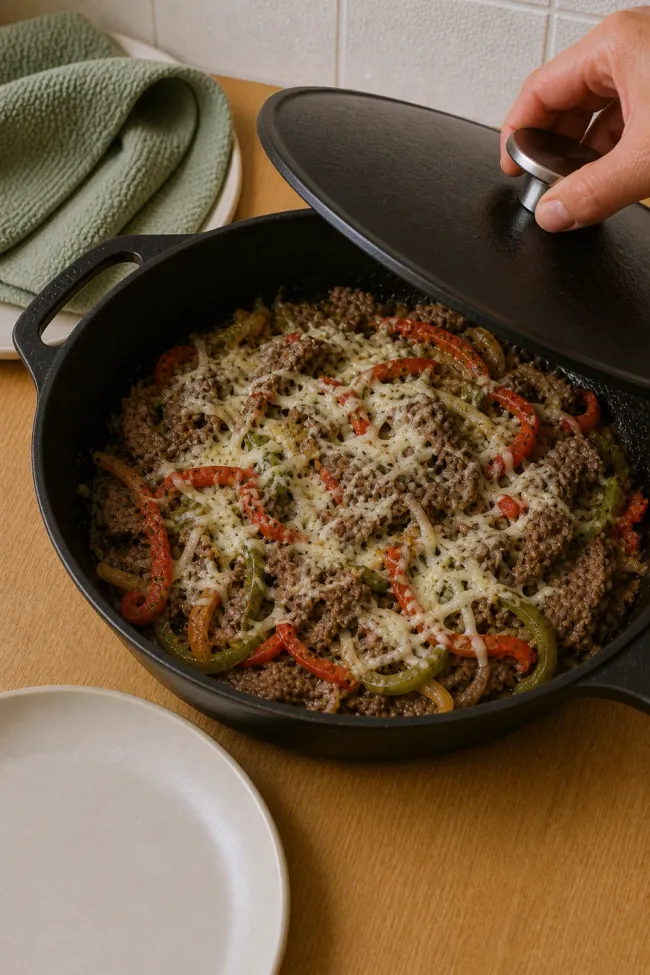
Return the cooked vegetables to the skillet with the beef.
Gently mix to distribute the flavors evenly.
Sprinkle the shredded cheese over the hot mixture and cover for 1 to 2 minutes, until melted.
Prep the Rolls
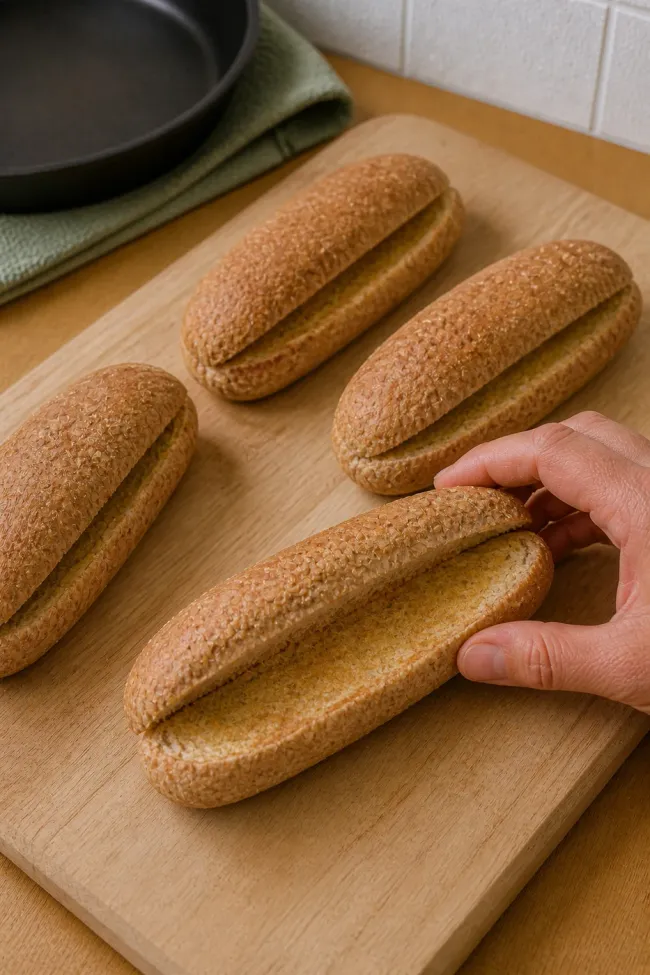
Split the whole grain rolls without cutting all the way through.
Lightly toast them in a toaster or dry skillet to warm them and add a slight crunch.
Assemble and Serve
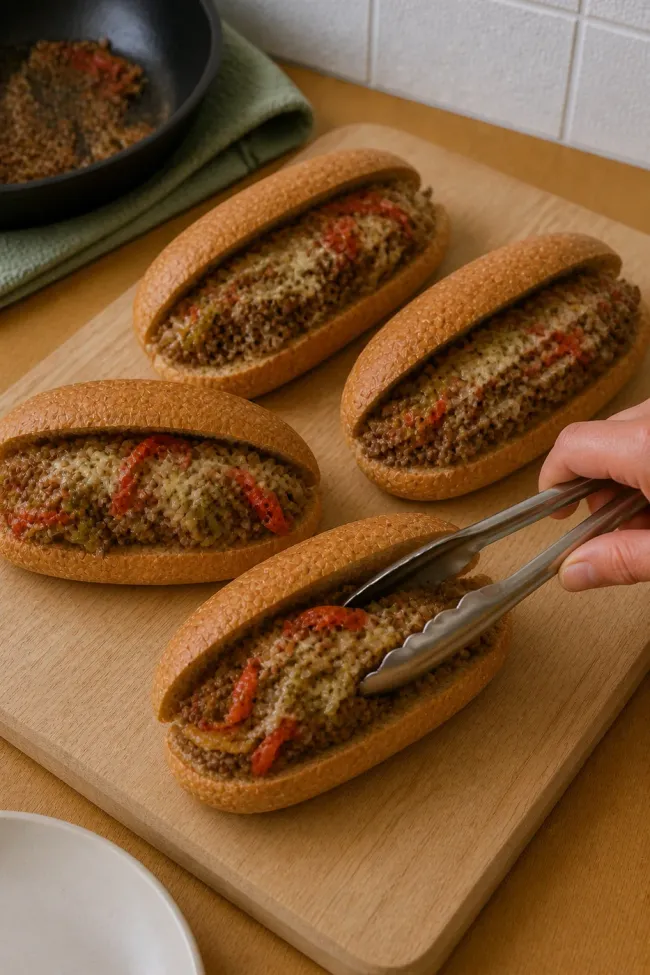
Generously fill each roll with the beef, vegetable, and melted cheese mixture.
Serve immediately, while the cheese is still melty.
Chef's Tips
Common Mistakes
Why This Recipe Was Designed This Way
Ingredient Swaps
| Instead of... | Try... |
|---|
What Research Says
Using lean sliced beef and a reduced-fat cheese sauce rather than the traditional fattier cut and cheese whiz keeps this sandwich’s saturated fat more moderate while preserving the same savory, melty character.
Estimated Nutrition
Per serving
Storage & Reheating
This lightened-up Philly Cheesesteak stores well, making it a convenient meal-prep option.
Store the beef and vegetable filling separately from the bread, refrigerated, for up to 3 days.
Reheat the filling in a skillet over medium heat, adding a splash of water if needed, until heated through.
Assemble the sandwich just before serving to keep the bread crisp.
The filling also freezes well for up to 2 months.
Refrigerating
Freezing
Reheating
Meal Prep Tips
Serving Suggestions
Light Green Salad
A crisp salad with a light olive oil vinaigrette pairs well with this hearty sandwich.: Baked Sweet Potato Fries
Oven-baked sweet potato fries add a satisfying touch with more fiber than classic fried potatoes.: Pickles
Frequently Asked Questions
Can I use a different cut of beef?
Yes, top round or sirloin also work well, as long as they're sliced thinly against the grain.
Can this sandwich be made gluten-free?
Yes, simply use a suitable gluten-free roll; the rest of the recipe stays the same.
Can I cut the fat even further?
Yes, cooking in a non-stick pan with an oil spray reduces the amount of oil needed even more.
Can I make the filling ahead of time?
Absolutely, it keeps well in the fridge and reheats easily, making it a great meal-prep option.
What cheese can I use instead of reduced-fat provolone?
Reduced-fat mozzarella works just as well in this recipe.
How do I keep the bread from getting soggy?
Lightly toasting the bread before filling it creates a barrier that limits moisture absorption.
Related Recipes
If you enjoyed this Lightened-Up Philly Cheesesteak, you may also like these reworked classics from our American Comfort Food collection.
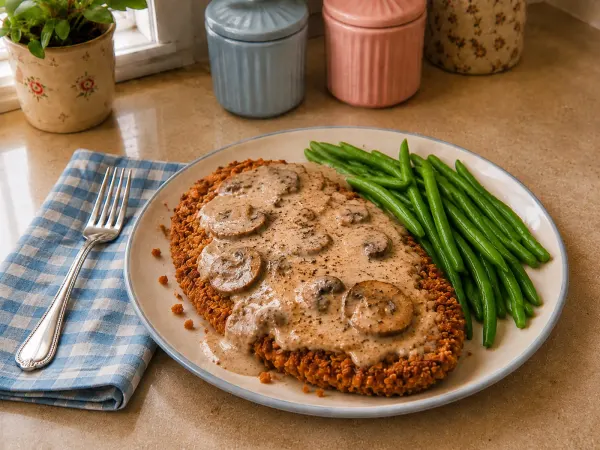
🥩 Lighter Chicken Fried Steak
A lighter take on the classic Southern-style fried steak, with a whole grain crust and oven baking instead of frying.
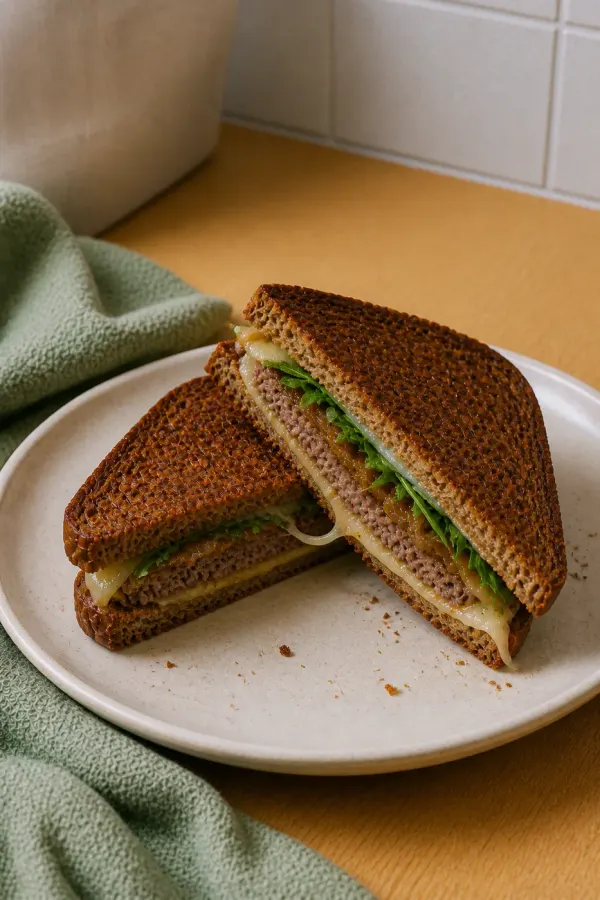
🥪 Lightened-Up Patty Melt
A reinvented burger-sandwich made with lean beef and toasted whole grain bread.
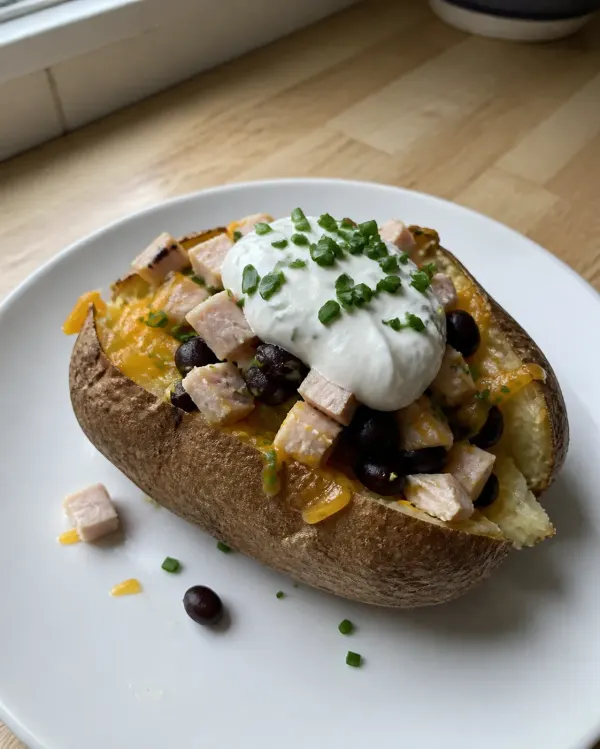
🥔 Healthy Loaded Baked Potato
A baked potato generously topped with lean protein and vegetables.