
Loaded Baked Potato
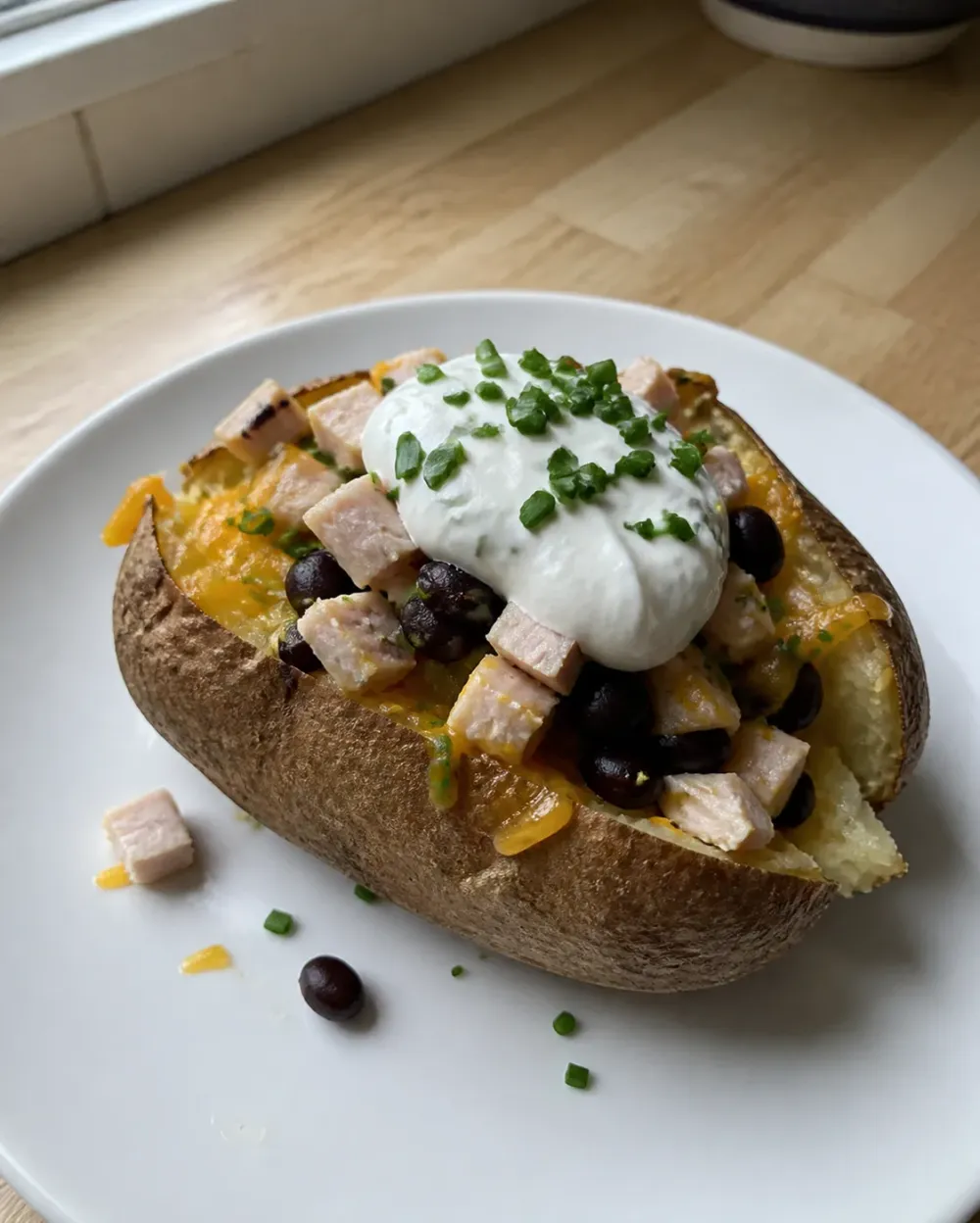
The loaded baked potato is a staple of American diners and steakhouses. The concept is simple and remarkably effective: a potato baked until the skin is crisp and the inside is fluffy, then split open and topped with melted butter, thick sour cream, melted cheddar cheese, crispy bacon bits, and fresh chives.
The trouble is, this combination of toppings turns a naturally healthy, fiber-rich vegetable into a genuinely calorie-dense dish. Butter and sour cream add a significant amount of saturated fat, bacon contributes sodium and processed fat, and the whole thing can easily top 500 calories per serving — before even counting the potato itself.
This reworked version keeps all the comfort of a loaded baked potato — the fluffy interior, the melted cheese, the salty crunch reminiscent of bacon, the fresh chive finish — while making smart substitutions throughout. Greek yogurt fully replaces sour cream and butter, providing the same creaminess while boosting protein and dramatically cutting saturated fat.
Crispy smoked turkey replaces traditional bacon, keeping that signature smoky, salty flavor with far less fat. The addition of black beans isn't just a healthy afterthought either — they add extra fiber and plant-based protein, turning this loaded potato into a satisfying, complete meal rather than a mere side dish.
The result is a loaded baked potato that's just as generous and satisfying as the original, but one that stands on its own as a balanced, fiber- and protein-rich meal rather than a calorie-dense side to be enjoyed sparingly.
Recipe Information
| Prep Time | 15 minutes |
| Cook Time | 1 hour |
| Total Time | 1 hr 15 min |
| Servings | 4 potatoes |
| Difficulty | Easy |
| Calories | ~305 kcal per serving |
Quick Highlights
- ✅ About 55% less saturated fat than the classic recipe
- ✅ High in fiber thanks to black beans and the potato skin
- ✅ No added butter or sour cream
- ✅ Higher protein thanks to Greek yogurt and beans
- ✅ Smoked turkey instead of traditional bacon
- ✅ A complete meal rather than a simple side dish
- ✅ Great for a quick, satisfying lunch or dinner
- ✅ Easily adaptable to a vegetarian version
Ingredients










Step-by-Step Instructions
Prep the Potatoes
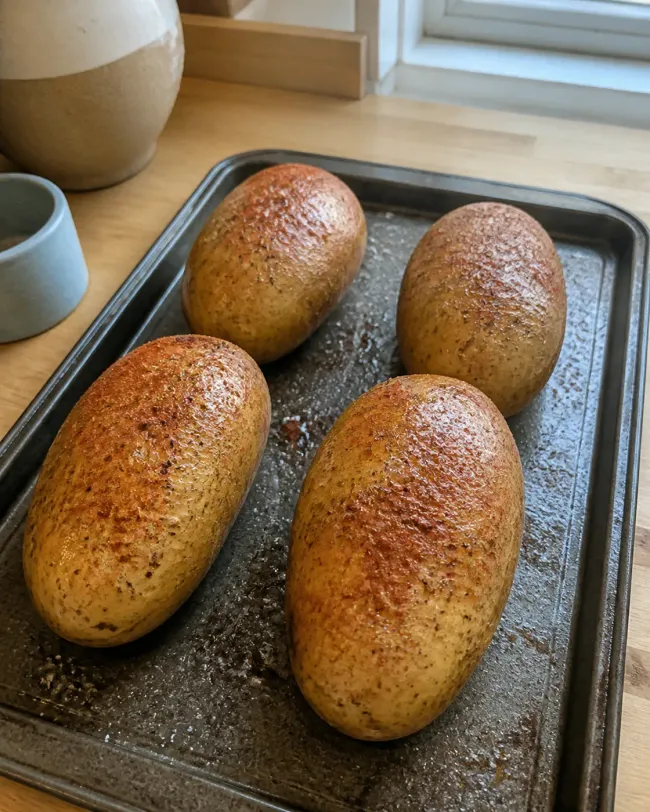
Preheat the oven to 400°F (200°C). Wash the potatoes thoroughly and dry them with a clean towel. Prick each potato several times with a fork to allow steam to escape during baking. Brush the skins with olive oil and sprinkle with smoked paprika, garlic powder, salt, and pepper.
Scrub well and pierce several times with a fork so steam can escape evenly during baking.
Bake the Potatoes
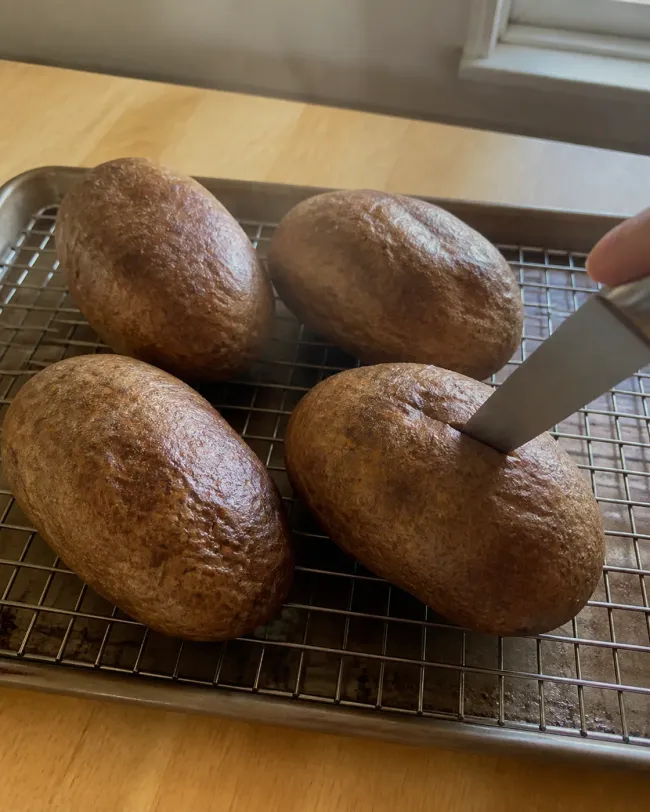
Place the potatoes directly on the oven rack or on a baking sheet, and bake for 55 to 60 minutes. Check for doneness by inserting a knife into the center: it should slide in easily without resistance. Remove the potatoes from the oven and let them rest for 5 minutes before handling.
Bake until a fork slides in easily and the skin is crisp — this is what gives the dish its texture.
Warm the Black Beans
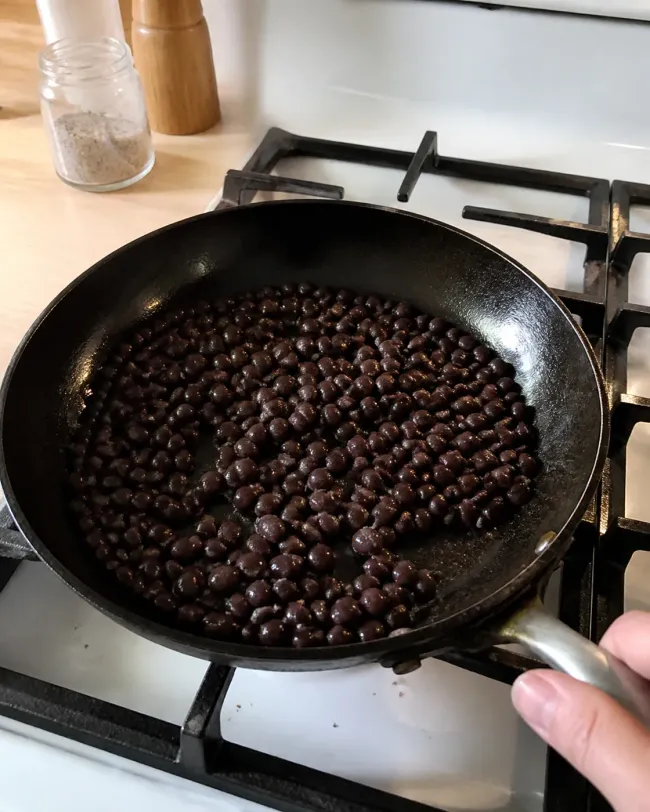
Warm the drained black beans in a small skillet over low heat for 3 to 4 minutes. Season lightly with salt and pepper. Keep warm until ready to assemble.
Warming the beans separately keeps their texture intact rather than turning mushy on top of the hot potato.
Make the Yogurt Sauce
In a small bowl, mix the Greek yogurt with a pinch of salt, pepper, and half the chopped chives. Mix well until smooth and even.
Stir until smooth so the seasoning is evenly distributed through the yogurt rather than sitting in pockets.

Open and Prep the Potatoes
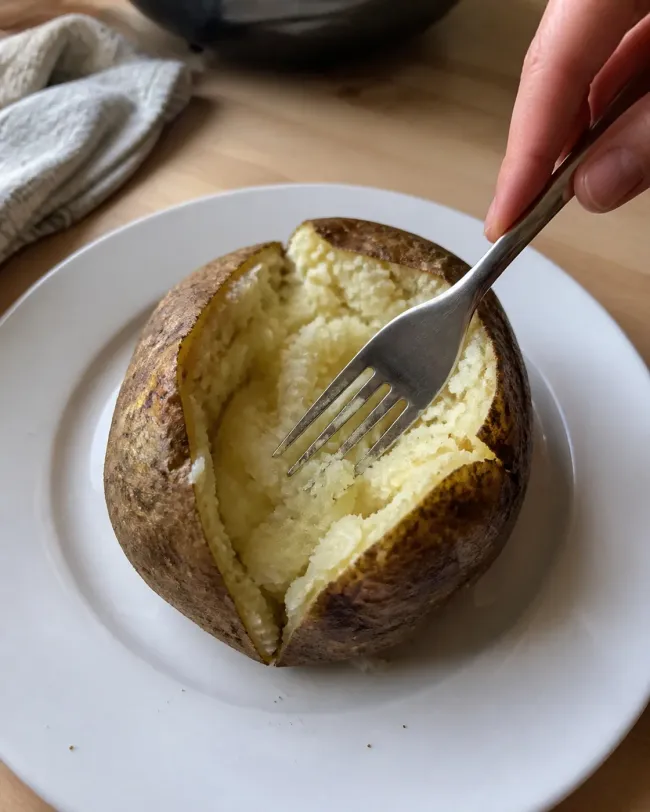
Slice each potato crosswise on top with a knife, without cutting all the way through. Gently press the ends to open the potato and expose the flesh. Lightly fluff the flesh inside with a fork to create a lighter, airier texture.
Cut a slit lengthwise and fluff the flesh gently with a fork without tearing the skin.
Add Turkey and Cheese
Distribute the diced smoked turkey over each opened potato. Add the shredded cheddar on top. Return the potatoes to the oven for 5 minutes, or place under the broiler, until the cheese is melted and lightly golden.
Add these while the potato is still hot enough to slightly melt the cheese without overheating the yogurt sauce.

Assemble and Serve
Top each potato with warm black beans. Add a generous dollop of the yogurt sauce. Sprinkle with the remaining fresh chives and serve immediately.
Finish with the remaining toppings and serve immediately while everything is still warm.

Chef's Tips
Common Mistakes
Why This Recipe Was Designed This Way
This recipe combines a whole, fiber-rich potato, protein-packed Greek yogurt, and legumes to turn a calorie-dense side dish into a balanced meal. It reflects ingredient choices commonly found in balanced dietary patterns and is intended for general educational purposes only. It should not be interpreted as medical advice.
Ingredient Swaps
Need to adapt the recipe? These substitutions maintain the character of the dish.
| Instead of... | Try... |
|---|---|
| Plain Greek Yogurt | Light sour cream, if preferred, in the same amount |
| Smoked Turkey | Diced cooked chicken breast, or omit for a vegetarian version |
| Reduced-Fat Cheddar | Any reduced-fat shredded cheese you have on hand |
| Cooked Black Beans | Any cooked bean, such as pinto or kidney beans |
What Research Says
Replacing sour cream with Greek yogurt in loaded-potato-style dishes is a well-documented swap for increasing protein and reducing saturated fat while keeping the same tangy, creamy topping people expect — one of the simplest substitutions in this recipe collection.
Estimated Nutrition
Per serving
Storage & Reheating
This loaded baked potato works well as a make-ahead-by-component dish, making it a convenient option for the week. Store baked, unloaded potatoes in the refrigerator for up to 4 days, in an airtight container. Store the toppings separately, each in its own container, for up to 3 days. Reheat the potato in the oven or microwave before topping it fresh at serving time. Freezing this dish once fully assembled isn't recommended, as the yogurt's texture degrades upon thawing.
Meal Prep Tips
Bake a large batch of potatoes at the start of the week to save time for later meals. Prepare the yogurt sauce and beans separately, ready to be assembled quickly at mealtime. Reheat only the potato and cheese, adding the cold or room-temperature toppings just before serving to keep them fresh.
Serving Suggestions
Serve immediately while the potato is still hot enough to soften the toppings slightly, with extra chives scattered on top for a fresh, sharp finish.
Frequently Asked Questions
Can I use a sweet potato instead?
Yes, sweet potato works very well and adds more beta-carotene, with a slightly shorter cooking time.
Can I prepare the potatoes ahead of time?
Yes, they can be baked up to 2 days in advance and simply reheated before topping.
Is this recipe suitable for vegetarians?
Yes, simply replace the smoked turkey with grilled mushrooms or smoked tofu for an equally flavorful version.
Can I substitute the black beans with another legume?
Yes, kidney beans or chickpeas work just as well in this recipe.
How do I get an even crispier skin?
Rubbing the skin generously with salt before baking and cooking directly on the oven rack intensifies the crispness.
Can I make this recipe for a large group?
Yes, this recipe scales easily; just make sure there's enough space on the oven rack for even baking.
Related Recipes
If you enjoyed this Healthy Loaded Baked Potato, you may also like these recipes from our 🍔 American Comfort Food collection.
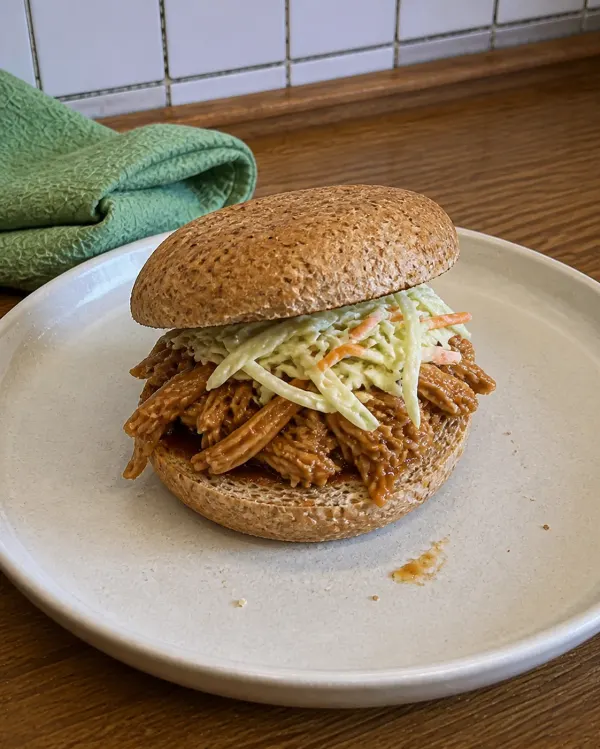
🥪 Lightened-Up Pulled Pork Sandwich
The pulled pork sandwich is a cornerstone of American barbecue, especially in the Southern states, where it…
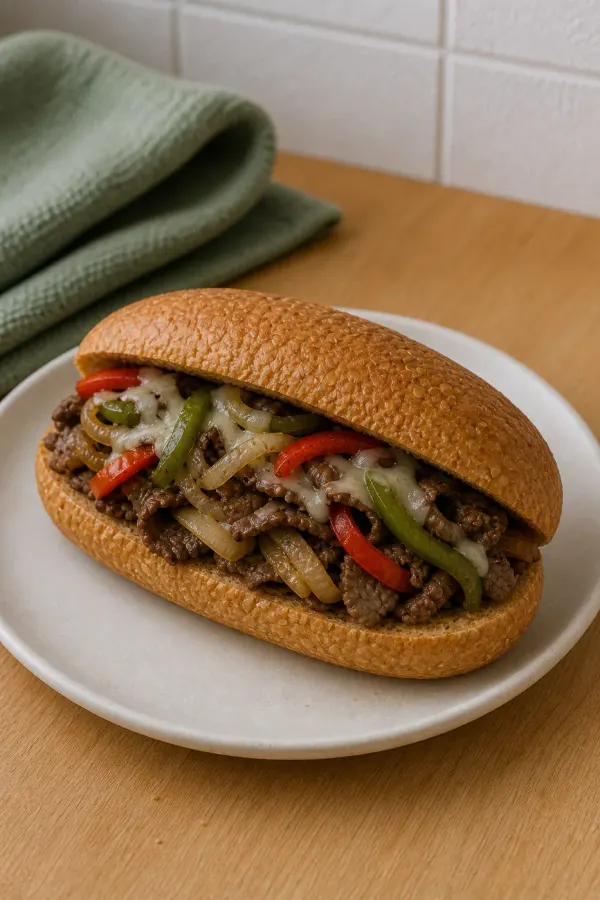
🥪 Lightened-Up Philly Cheesesteak
The Philly Cheesesteak, Philadelphia's most iconic sandwich, earns its reputation from thin slices of grill…
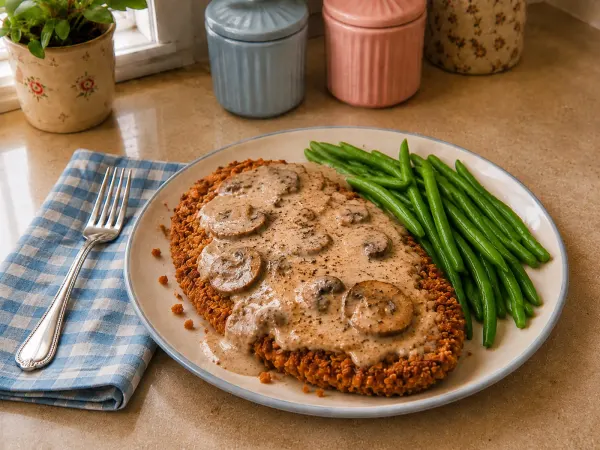
🍗 🥩 Oven-Baked Chicken Fried Steak
Chicken fried steak is a pillar of Southern American cooking: a thin cut of beef, breaded and fried like a…