
Balanced & Satisfying Moroccan Lamb & Chickpea Tagine
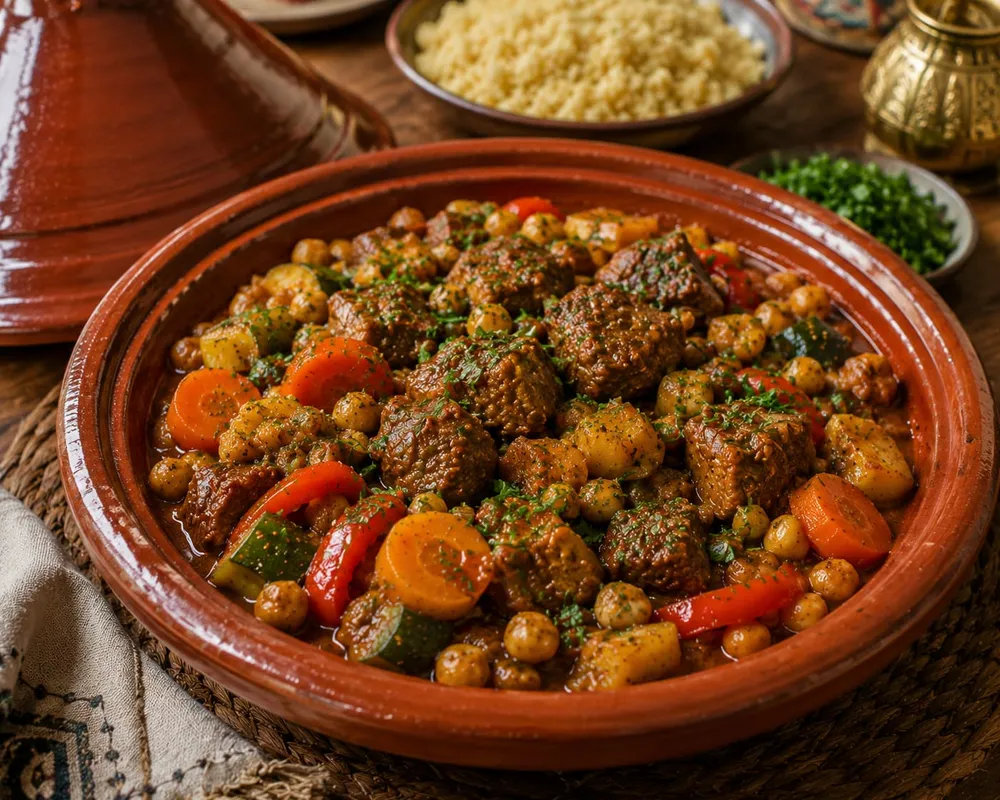
Everything people love about traditional Moroccan Tagine — fork-tender lamb, fragrant warm spices, slow-simmered vegetables, delicate sweetness, rich aromatic sauce, and comforting family-style presentation — thoughtfully reimagined with lean lamb, chickpeas, colorful vegetables, extra-virgin olive oil, whole spices, and wholesome ingredients that naturally provide high-quality protein, dietary fiber, iron, zinc, potassium, and satisfying volume as part of a balanced eating pattern.
Moroccan Tagine is one of North Africa's most iconic comfort foods. Named after the distinctive clay cooking vessel in which it is traditionally prepared, tagine is famous for its tender slow-cooked meat, fragrant spice blend, colorful vegetables, silky sauce, and remarkable depth of flavor developed through gentle simmering.
Traditional lamb tagines often feature generous amounts of lamb, oil, preserved fruits, and are commonly served with large portions of white bread or refined couscous. While these elements contribute to their unmistakable richness, they can also increase the overall energy density of the meal.
This Balanced & Satisfying Moroccan Lamb & Chickpea Tagine preserves everything that makes authentic tagine unforgettable while thoughtfully rebuilding every component with ingredients that emphasize protein, vegetables, legumes, and balanced nutrition. Lean lamb provides complete protein together with iron, zinc, selenium, and vitamin B12. Chickpeas increase dietary fiber and plant protein, while carrots, zucchini, tomatoes, onions, and bell peppers add vibrant color, natural sweetness, and satisfying volume. A modest amount of dried apricots preserves the signature Moroccan flavor without excessive sweetness.
Recipe Information
| Prep Time | 25 minutes |
| Cook Time | 1 hour 45 minutes |
| Total Time | 2 hours 20 minutes |
| Servings | 6 |
| Difficulty | Easy |
| Calories | ~450 kcal per serving |
Quick Highlights
Ingredients
Makes one large Balanced & Satisfying Moroccan Lamb & Chickpea Tagine (6 generous servings).


















Step-by-Step Instructions
Brown the Lamb
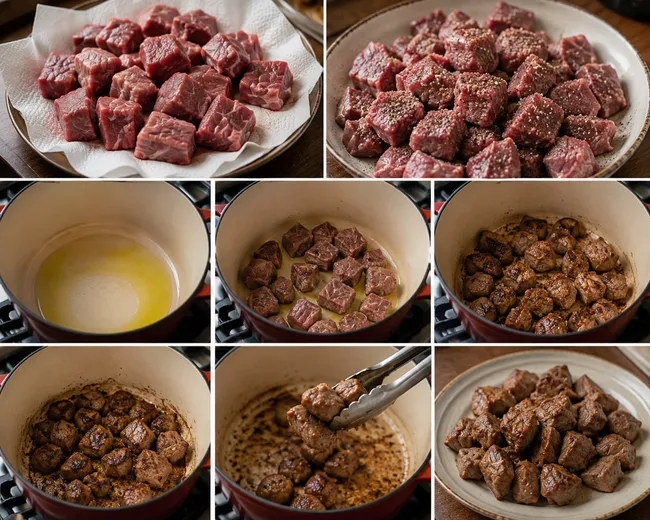
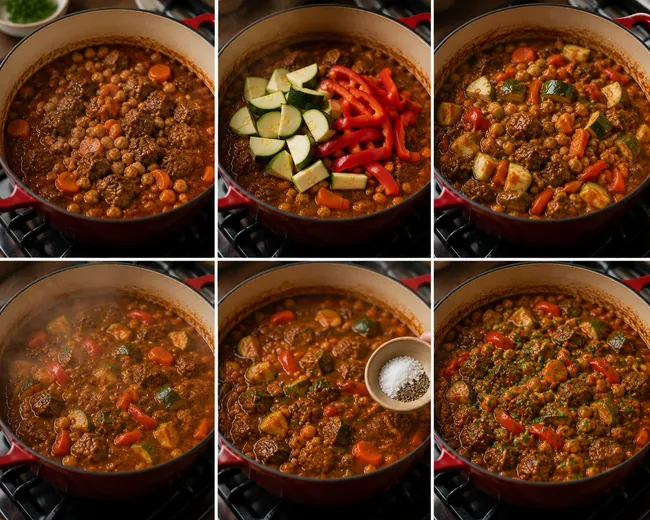
Pat the lamb cubes dry with paper towels and season with half of the sea salt and half of the black pepper. Heat the extra-virgin olive oil in a large Dutch oven, tagine pot, or heavy-bottomed casserole over medium-high heat. Working in batches, brown the lamb for 2–3 minutes per side until lightly caramelized, avoiding overcrowding the pot to ensure proper browning. Transfer the browned lamb to a clean plate — it should develop a rich golden crust while remaining uncooked in the center.
Build the Aromatic Base
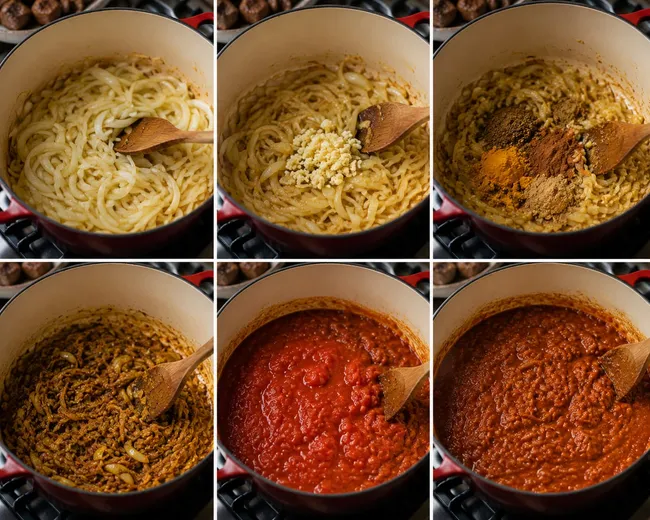
Reduce the heat to medium. Using the same pot, add the sliced onion and cook for 5–6 minutes until softened, then add the garlic and cook for 30 seconds until fragrant. Stir in the cumin, coriander, cinnamon, turmeric, and ginger, and cook for 30–45 seconds, stirring continuously until the spices become aromatic. Add the crushed tomatoes and stir well to combine — the sauce should become fragrant with the characteristic warm Moroccan spice blend.
Slow Simmer the Tagine
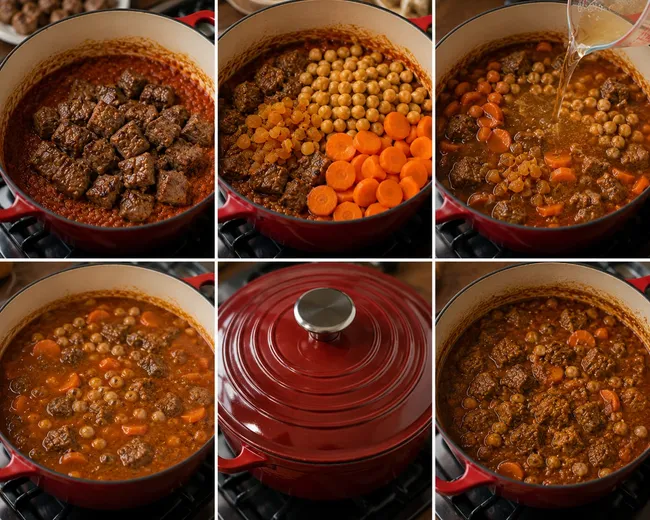
Return the browned lamb and any accumulated juices to the pot. Add the carrots, chickpeas, chopped dried apricots, and 1½ cups (360 ml) of water. Bring to a gentle simmer, then reduce the heat to low and cover with a lid. Cook slowly for 1 hour 15 minutes, stirring occasionally — the lamb should gradually become tender while the sauce develops rich depth and the spices fully infuse the broth.
Add the Remaining Vegetables
Add the zucchini and sliced red bell pepper and stir gently. Continue simmering uncovered for 20–25 minutes, or until the vegetables are tender while still holding their shape and the lamb becomes fork-tender. Taste and adjust the seasoning with the remaining sea salt and black pepper if needed. The finished tagine should have a thick, silky sauce coating every ingredient without becoming dry.
Rest the Tagine
Remove the tagine from the heat and stir in half of the freshly chopped cilantro. Cover and allow the tagine to rest for 10 minutes before serving. This resting period allows the warm spices to fully develop while the sauce thickens naturally. The finished sauce should be rich, glossy, and lightly coat the lamb and vegetables.

Plate the Tagine
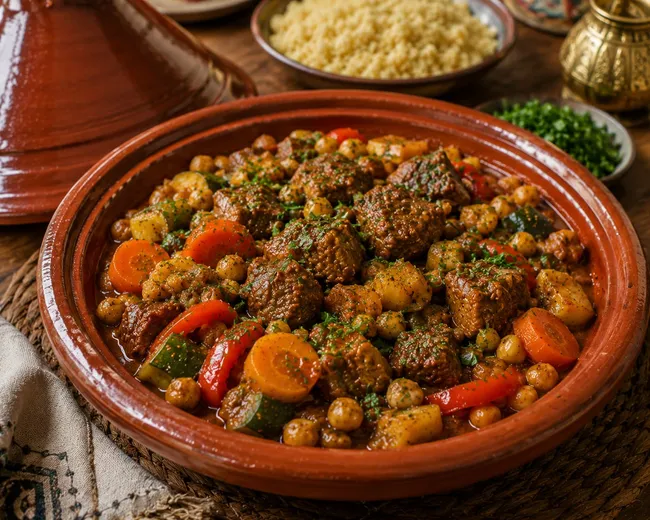
Spoon the tagine evenly into 6 warm shallow bowls, ensuring each serving contains tender lamb, chickpeas, carrots, zucchini, bell peppers, dried apricots, and plenty of aromatic sauce. Sprinkle the remaining fresh cilantro over each serving. Serve with a modest portion of whole-wheat couscous, quinoa, or a side of steamed vegetables if desired.

Serve Immediately
Serve while the tagine is hot. Every bite should combine fork-tender lamb, creamy chickpeas, naturally sweet vegetables, warm Moroccan spices, silky tomato sauce, and delicate hints of dried apricot.
Chef's Tips
Common Mistakes
Why This Recipe Was Designed This Way
This Balanced & Satisfying Moroccan Lamb & Chickpea Tagine transforms one of Morocco's most cherished traditional dishes into a balanced, protein-rich meal while preserving everything people love about the original — fork-tender lamb, fragrant spices, slow-cooked vegetables, silky sauce, delicate sweetness, and comforting warmth. Instead of relying on fattier cuts of lamb, generous amounts of oil, large portions of refined couscous, and higher quantities of dried fruit, this version combines lean lamb leg, chickpeas, colorful vegetables, tomatoes, extra-virgin olive oil, aromatic Moroccan spices, and a modest amount of dried apricots. The result is a hearty meal naturally rich in complete protein, dietary fiber, iron, zinc, potassium, vitamin B12, folate, and antioxidant compounds. No single recipe can cause weight loss or guarantee fullness for everyone; however, meals that combine high-quality protein, legumes, vegetables, and moderate portions of fats may help promote satiety and support weight management as part of a balanced dietary pattern and healthy lifestyle.
Here's the science behind each major ingredient.
🥩 Lean Lamb
Naturally provides high-quality complete protein that contributes to the maintenance of muscle mass. Also an excellent source of highly bioavailable iron, zinc, selenium, phosphorus, niacin, vitamin B6, and vitamin B12. Protein-rich meals may help increase feelings of fullness while supporting normal muscle maintenance.
🫛 Chickpeas
Naturally provide plant protein, dietary fiber, folate, magnesium, potassium, iron, and manganese. The combination of protein and fiber may help increase satiety and contributes to overall digestive health.
🥕 Colorful Vegetables
Carrots, zucchini, onions, tomatoes, and bell peppers naturally provide vitamin C, potassium, beta-carotene, folate, dietary fiber, and numerous antioxidant plant compounds. Their high water content increases meal volume while keeping the dish satisfying and nutrient-dense.
🫒 Extra-Virgin Olive Oil
Naturally provides predominantly monounsaturated fats together with antioxidant polyphenols, a key component of Mediterranean-style dietary patterns, which have been widely studied in relation to long-term health.
🌿 Moroccan Spice Blend
Cumin, coriander, cinnamon, turmeric, and ginger provide the characteristic aroma and depth of authentic Moroccan cuisine. These spices contribute flavor naturally, helping reduce the need for excessive salt while adding aromatic plant compounds.
🍅 Tomatoes
Naturally provide vitamin C, potassium, and lycopene, a carotenoid responsible for their vibrant red color. They create a rich sauce that complements both the lamb and the warm spices.
🍑 Dried Apricots
A modest amount provides the signature sweet-savory balance of Moroccan tagines while contributing potassium, dietary fiber, and naturally occurring fruit sugars. Using a small quantity preserves authenticity while keeping added sugars low.
🌱 Fresh Cilantro
Contributes vitamin K, vitamin C, and aromatic compounds that brighten the finished dish and balance the richness of the slow-cooked lamb.
🥣 Slow Cooking
Gentle slow cooking allows the lamb to become exceptionally tender while giving the vegetables, legumes, and spices time to develop deep, harmonious flavor without requiring excessive amounts of added fat.
Ingredient Swaps
Need to adapt the recipe? These substitutions maintain the character of the dish.
| Instead of... | Try... |
|---|---|
| Lamb leg | Lean lamb shoulder or trimmed lamb stew meat |
| Dried apricots | Dried figs or golden raisins (small amount) |
| Chickpeas | White beans or lentils |
| Whole-wheat couscous | Quinoa or cauliflower couscous |
What Research Says
Trimming visible fat from the lamb before the long slow cook keeps this tagine’s saturated fat more moderate while the extended cooking time still develops the deep, spiced flavor the dish is known for.
Estimated Nutrition
Per serving (excluding optional couscous or quinoa)
Includes naturally occurring sugars from carrots, onions, tomatoes, bell peppers, zucchini, and dried apricots; added sugars are 0 g. Sodium is estimated using no-salt-added tomatoes and moderate seasoning. Nutrition values are estimates calculated from standard ingredient databases. Actual values will vary depending on the cut of lamb, vegetable sizes, and portion sizes.
Storage & Reheating
Allow the tagine to cool for approximately 20–30 minutes before storing. Transfer to airtight containers and refrigerate for up to 4 days. Reheat gently over medium-low heat, stirring occasionally until the lamb and vegetables are thoroughly heated. If the sauce thickens too much during storage, add a small splash of water or low-sodium broth while reheating. Many people find the flavors become even richer after resting overnight.
Refrigerating
Freezing
This tagine freezes exceptionally well. Allow it to cool completely before transferring it to freezer-safe airtight containers and freeze for up to 3 months. Thaw overnight in the refrigerator, then reheat gently on the stovetop until fully heated, adding a little water if necessary to restore the sauce. For the freshest presentation, add chopped cilantro after reheating rather than before freezing.
Reheating
Meal Prep Tips
Brown the lamb thoroughly to develop the deepest flavor. Chop all vegetables ahead of time to simplify preparation. Prepare the tagine one day in advance for even richer flavor. Store whole-wheat couscous or quinoa separately until serving, portion into individual containers for convenient lunches or dinners, and garnish with fresh cilantro immediately before serving for maximum freshness.
Serving Suggestions
Serve directly from the tagine with whole-grain couscous or warm bread on the side to soak up the sauce.
Frequently Asked Questions
Can I use another cut of lamb?
Yes. Lean lamb shoulder or trimmed lamb stew meat also works well, although cooking times may vary slightly depending on the cut.
Why add chickpeas?
Chickpeas increase both protein and dietary fiber while creating a heartier texture and helping make the meal more satisfying.
Can I make this recipe ahead of time?
Absolutely. Moroccan tagine is an excellent make-ahead dish and often develops even deeper flavor after resting overnight in the refrigerator.
Is this recipe suitable for weight management?
No single recipe causes weight loss. This version emphasizes lean protein, legumes, vegetables, and moderate portions of healthy fats, which may help promote satiety as part of an overall balanced eating pattern and active lifestyle.
What can I serve with this tagine?
Whole-wheat couscous, quinoa, cauliflower couscous, roasted vegetables, or a crisp Moroccan tomato and cucumber salad all pair beautifully with this dish.
Can I omit the dried apricots?
Yes. The tagine will still be delicious, although the apricots provide the subtle sweet-savory contrast that is characteristic of many traditional Moroccan tagines.
Related Recipes
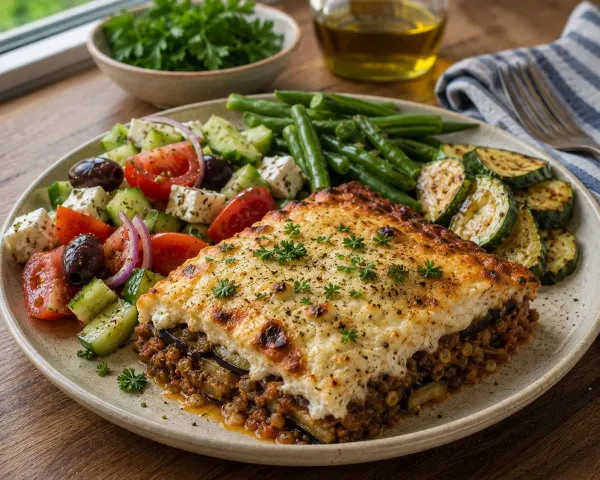
🍆 Balanced & Satisfying Greek Moussaka
Greece's ultimate layered comfort food reimagined with roasted eggplant, lean beef, and lentils.
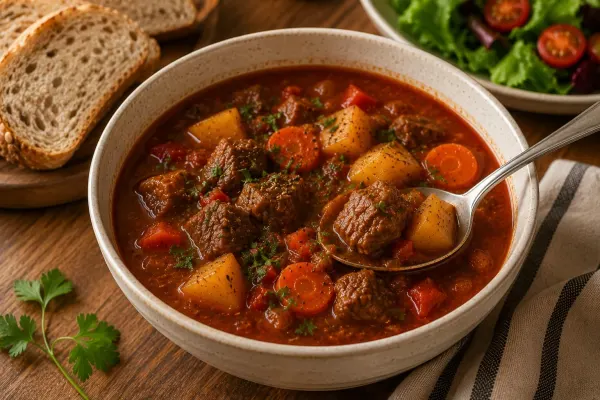
🍲 Everyday Hungarian Goulash
Hungary's slow-simmered beef classic reimagined with lean beef, Yukon Gold potatoes, and a rich paprika broth.
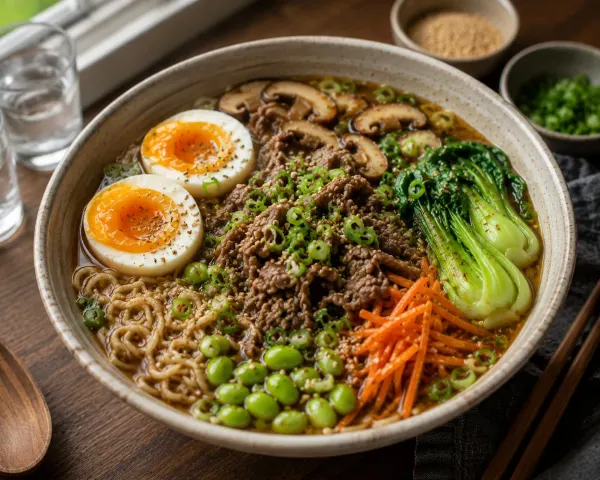
🍜 Balanced & Satisfying Lean Beef Ramen
Japan's iconic noodle bowl reimagined with lean beef, high-protein noodles, and plenty of vegetables.