
Balanced & Satisfying Baked Falafel Mezze Bowl
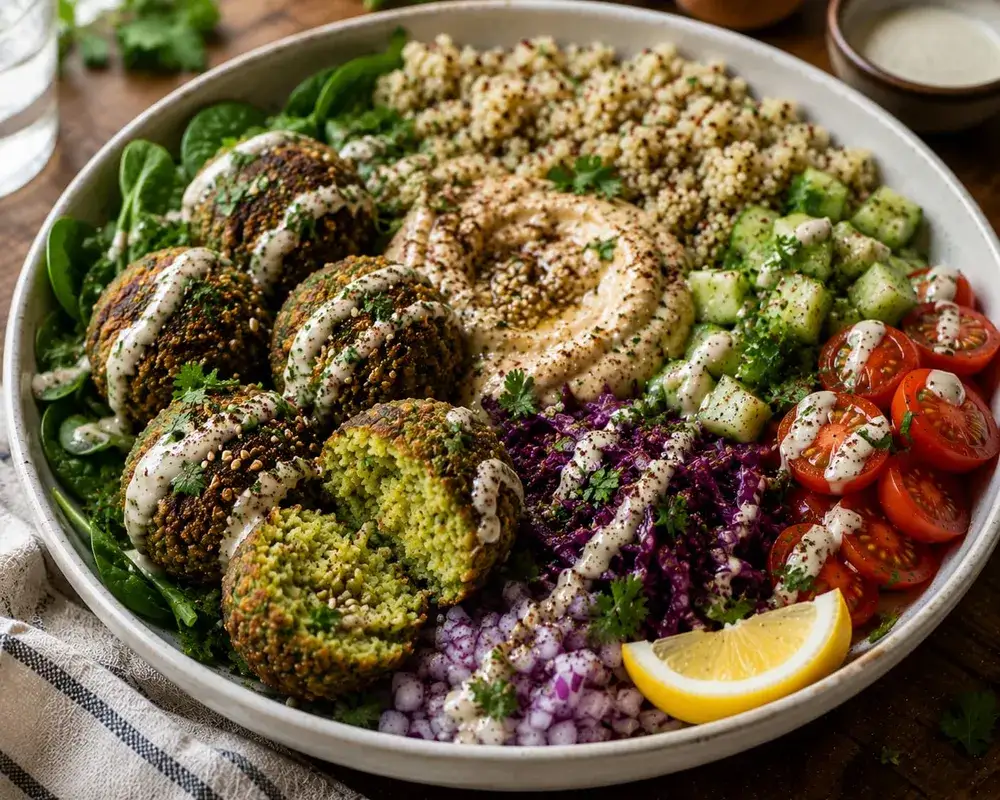
Everything people love about an authentic Mediterranean mezze platter — crispy falafel, creamy hummus, fresh vegetables, fluffy grains, tangy yogurt sauce, fragrant herbs, and vibrant colors — thoughtfully reimagined with oven-baked falafel, quinoa, chickpeas, crisp vegetables, Greek yogurt tahini dressing, and wholesome ingredients that naturally provide plant protein, dietary fiber, fats, vitamins, minerals, and satisfying volume as part of a balanced eating pattern.
A traditional mezze platter is one of the Mediterranean's most vibrant dining experiences. It combines crisp falafel, creamy hummus, fresh vegetables, grains, herbs, and flavorful sauces into a meal that's as visually stunning as it is satisfying.
Traditional versions often rely on deep-fried falafel, generous portions of tahini, large servings of pita bread, and multiple rich dips. While undeniably delicious, these additions can significantly increase the overall energy density of the meal.
This Balanced & Satisfying Baked Falafel Mezze Bowl preserves everything that makes authentic mezze unforgettable while thoughtfully rebuilding every component with ingredients that emphasize plant protein, dietary fiber, vegetables, and balanced nutrition. The falafel are baked instead of fried, quinoa replaces refined grains, hummus is served in a moderate portion, and a light Greek yogurt–tahini dressing adds creaminess with additional protein.
Recipe Information
| Prep Time | 30 minutes |
| Cook Time | 30 minutes |
| Total Time | 1 hour 10 minutes |
| Servings | 4 |
| Difficulty | Easy |
| Calories | ~430 kcal per serving |
Quick Highlights
Ingredients
Makes 4 generous Balanced & Satisfying Baked Falafel Mezze Bowls.















Step-by-Step Instructions
Make the Falafel Mixture
In a food processor, combine the soaked and drained chickpeas, half of the red onion, the garlic, fresh parsley, fresh cilantro, ground cumin, ground coriander, and half of the sea salt and black pepper. Pulse just until finely chopped and evenly combined — the mixture should look like coarse crumbs rather than a smooth paste. Overprocessing makes the falafel dense, while a slightly coarse texture keeps them light and traditional.
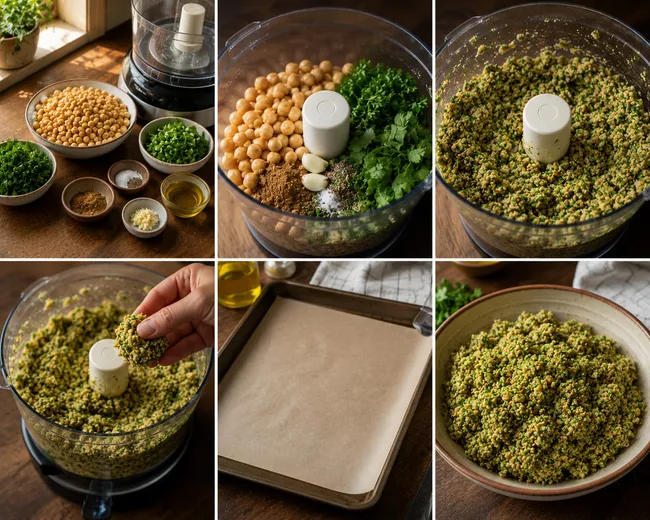
Shape the Falafel
Preheat the oven to 220°C (425°F) and line a large baking sheet with parchment paper. Using your hands or a small scoop, shape the falafel mixture into 12 evenly sized patties or balls, pressing gently so they hold together. Arrange them in a single layer on the prepared baking sheet, leaving space between each one.
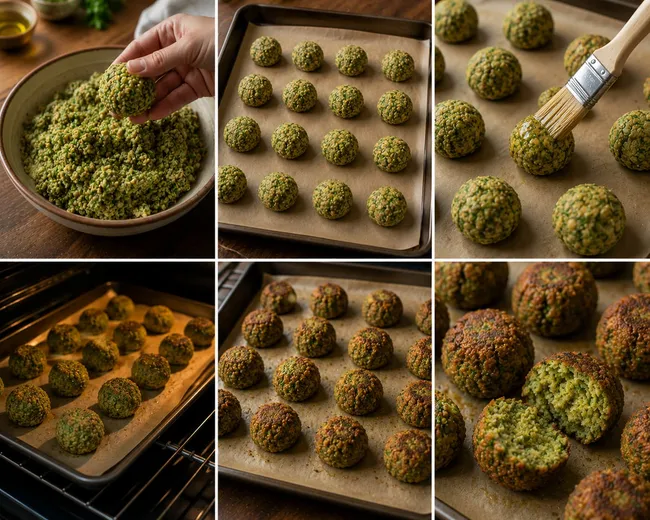
Bake the Falafel
Brush or lightly drizzle the falafel with the extra-virgin olive oil on both sides. Bake at 220°C (425°F) for 25–30 minutes, carefully flipping halfway through, until deeply golden and crisp on the outside while remaining tender within. The hot oven helps develop a crisp exterior without deep frying.
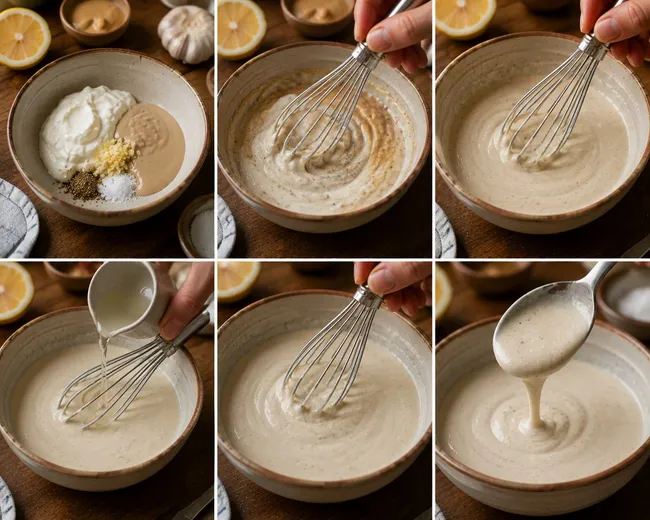
Prepare the Dressing & Assemble the Bowl Base
While the falafel bakes, whisk together the Greek yogurt, tahini, lemon juice, remaining garlic, and remaining salt and pepper in a small bowl. Add water one tablespoon at a time until the dressing is smooth and pourable. Divide the cooked quinoa evenly among 4 serving bowls, then arrange the baby spinach, cucumber, cherry tomatoes, shredded red cabbage, and remaining red onion around the quinoa in colorful sections.
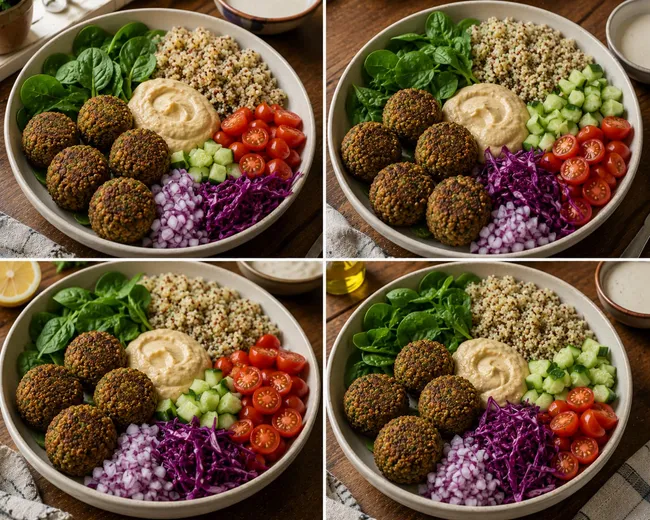
Add the Finishing Touches
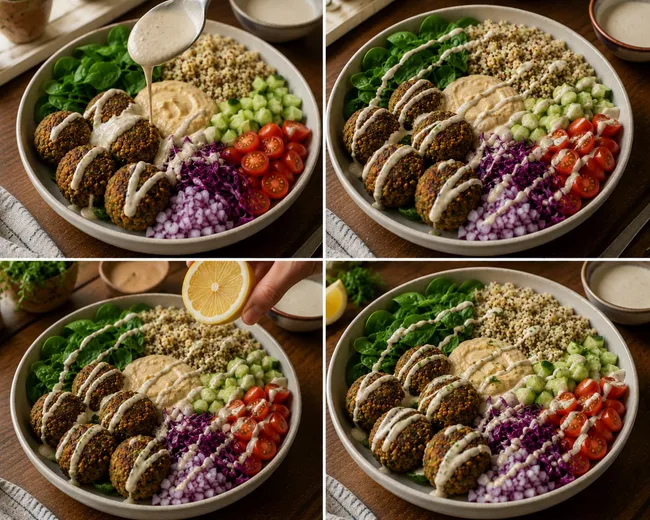
Place the warm baked falafel and a spoonful of hummus into each bowl. Drizzle the Greek yogurt tahini dressing evenly over each bowl — for the best presentation, drizzle in thin zigzag lines across the vegetables and falafel rather than covering the entire bowl. If desired, finish with an extra squeeze of fresh lemon juice for additional brightness. The dressing should lightly coat the ingredients without overwhelming their individual flavors.
Garnish the Mezze Bowl
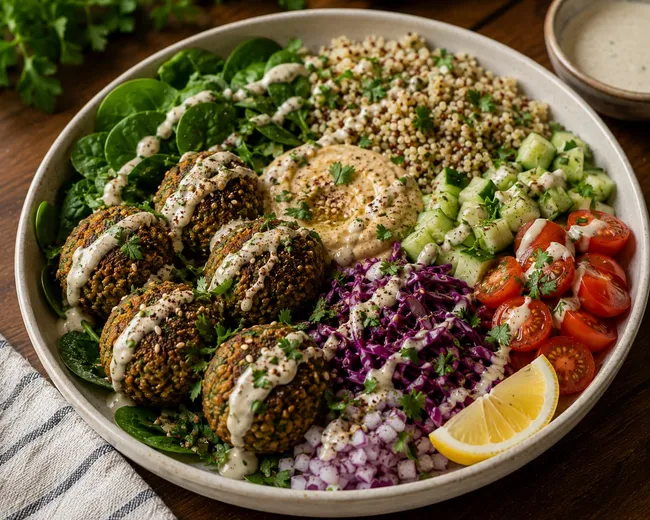
Sprinkle a small amount of freshly chopped parsley and cilantro over each serving. For additional texture, garnish with a light sprinkle of toasted sesame seeds or a pinch of sumac, if desired. Serve each bowl with a fresh lemon wedge on the side. The finished bowl should showcase vibrant vegetables, golden baked falafel, creamy hummus, fluffy quinoa, and a smooth yogurt tahini drizzle.
Serve Immediately
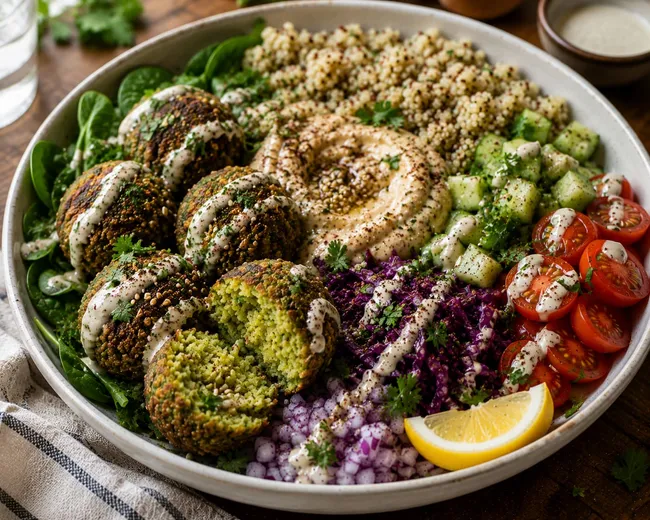
Serve while the falafel are still warm and crisp. Every bite should combine crispy baked falafel, fluffy quinoa, creamy hummus, crisp vegetables, fresh herbs, and tangy yogurt tahini dressing.
Chef's Tips
Common Mistakes
Why This Recipe Was Designed This Way
This Balanced & Satisfying Baked Falafel Mezze Bowl transforms one of the Mediterranean's most beloved meals into a balanced, plant-forward dish while preserving everything people love about the original — crispy falafel, creamy hummus, fluffy grains, fresh vegetables, fragrant herbs, and tangy tahini dressing. Instead of relying on deep-fried falafel, large portions of refined pita bread, and generous amounts of tahini, this version combines oven-baked falafel, quinoa, Greek yogurt, hummus, fresh vegetables, herbs, and a light yogurt tahini dressing. The result is a colorful meal naturally rich in plant protein, dietary fiber, healthy unsaturated fats, calcium, iron, magnesium, folate, potassium, and antioxidant compounds. No single recipe can cause weight loss or guarantee fullness for everyone; however, meals that combine plant protein, dietary fiber, vegetables, whole grains, and moderate portions of healthy fats may help promote satiety and support weight management as part of a balanced dietary pattern and healthy lifestyle.
Here's the science behind each major ingredient.
🧆 Chickpeas
Naturally rich in plant protein and dietary fiber, making them one of the most satisfying legumes. Also provide folate, iron, magnesium, manganese, potassium, and complex carbohydrates that digest gradually. Meals containing legumes have been associated with improved satiety and overall dietary quality.
🌾 Quinoa
Naturally provides complete plant protein, dietary fiber, magnesium, phosphorus, manganese, and iron. Unlike many grains, quinoa contains all nine essential amino acids, making it an excellent protein-rich base for balanced meals.
🥣 Greek Yogurt
Naturally provides complete protein, calcium, phosphorus, and beneficial live cultures in many varieties. Using it as the base of the dressing creates creaminess while contributing additional protein with less fat than many traditional creamy sauces.
🥜 Tahini
Made from ground sesame seeds, naturally provides predominantly unsaturated fats together with calcium, magnesium, copper, vitamin E, and plant compounds. Using a moderate amount delivers authentic Mediterranean flavor while keeping portions balanced.
🥬 Fresh Vegetables
Spinach, cucumber, tomatoes, cabbage, and onions naturally provide dietary fiber, vitamin C, vitamin K, folate, potassium, and numerous antioxidant compounds. Their high water content increases meal volume, helping create a filling bowl without excessive calories.
🌿 Fresh Herbs
Parsley and cilantro contribute vitamin K, vitamin C, and aromatic plant compounds while bringing freshness that balances the rich flavors of the falafel and hummus.
🫒 Extra-Virgin Olive Oil
Naturally provides predominantly monounsaturated fats together with antioxidant polyphenols. A cornerstone of Mediterranean-style eating patterns that have been widely studied for their role in supporting long-term health.
🍋 Lemon Juice
Brightens the entire dish while naturally contributing vitamin C and helping balance the creamy dressing and hummus with refreshing acidity.
🥣 Balanced Mediterranean Eating
Combining legumes, whole grains, vegetables, fermented dairy, healthy fats, and fresh herbs creates a nutrient-dense meal that delivers a wide variety of vitamins, minerals, and plant compounds while emphasizing satisfying textures and balanced portions.
Ingredient Swaps
Need to adapt the recipe? These substitutions maintain the character of the dish.
| Instead of... | Try... |
|---|---|
| Quinoa | Whole-wheat bulgur, farro, brown rice, or cauliflower rice |
| Greek yogurt (in dressing) | Unsweetened plant-based yogurt for a vegan version |
| Red cabbage | Shredded carrots or arugula |
| Additional vegetables | Roasted eggplant, roasted cauliflower, roasted zucchini, or radishes |
What Research Says
Baking rather than deep-frying falafel removes most of the oil the chickpea mixture would otherwise absorb, while the chickpeas themselves contribute plant protein and fiber — a combination nutrition research consistently links to better satiety per calorie than more processed bowl components.
Estimated Nutrition
Per serving
Includes naturally occurring sugars from vegetables and yogurt; added sugars are 0 g. Sodium is estimated using moderate seasoning and will vary depending on the brand of hummus, yogurt, and tahini used. Nutrition values are estimates calculated from standard ingredient databases. Actual values will vary depending on ingredient brands, falafel size, and portion sizes.
Storage & Reheating
For the best texture, store each component separately whenever possible. Allow the falafel and quinoa to cool for approximately 20–30 minutes before refrigerating. Transfer the baked falafel, quinoa, vegetables, hummus, and yogurt tahini dressing into separate airtight containers and refrigerate for up to 4 days. Reheat only the falafel and quinoa — keep the vegetables, hummus, and dressing chilled until serving.
Refrigerating
Freezing
The baked falafel freeze very well. Allow them to cool completely before placing them in freezer-safe airtight containers and freeze for up to 3 months. Reheat directly from frozen in a 190°C (375°F) oven for 12–15 minutes, or until hot and crisp. Quinoa may also be frozen separately, while fresh vegetables, hummus, and yogurt dressing are best prepared fresh.
Reheating
Meal Prep Tips
Prepare the falafel mixture the night before and refrigerate until ready to bake. Cook the quinoa in advance and store it separately. Wash and chop all vegetables ahead of time for quick assembly, portion the hummus and dressing into small containers to keep the vegetables crisp, assemble the bowls just before serving for the freshest presentation, and add the fresh herbs and lemon wedges immediately before eating.
Serving Suggestions
Serve warm over the grain base with the yogurt sauce spooned on top, and extra fresh vegetables on the side for anyone who wants more crunch.
Frequently Asked Questions
Why use dried chickpeas instead of canned chickpeas?
Soaked dried chickpeas create the traditional light yet sturdy falafel texture. Canned chickpeas contain more moisture and often produce softer falafel that may not hold together as well.
Can I make the falafel ahead of time?
Yes. The baked falafel can be refrigerated for up to 4 days or frozen for up to 3 months, making them excellent for meal prep.
Is quinoa necessary?
No. Whole-wheat bulgur, farro, brown rice, or cauliflower rice can all be used depending on your preference.
Is this recipe suitable for weight management?
No single recipe causes weight loss. This bowl emphasizes legumes, whole grains, vegetables, protein, and moderate portions of healthy fats, which may help promote satiety as part of an overall balanced eating pattern and active lifestyle.
Can I make this recipe fully vegetarian?
Yes. This recipe is already vegetarian. To make it vegan, simply replace the Greek yogurt in the dressing with an unsweetened plant-based yogurt alternative.
What other vegetables work well?
Roasted eggplant, roasted cauliflower, roasted zucchini, radishes, roasted peppers, arugula, or shredded carrots all pair beautifully with the Mediterranean flavors while increasing vegetable variety.
Related Recipes
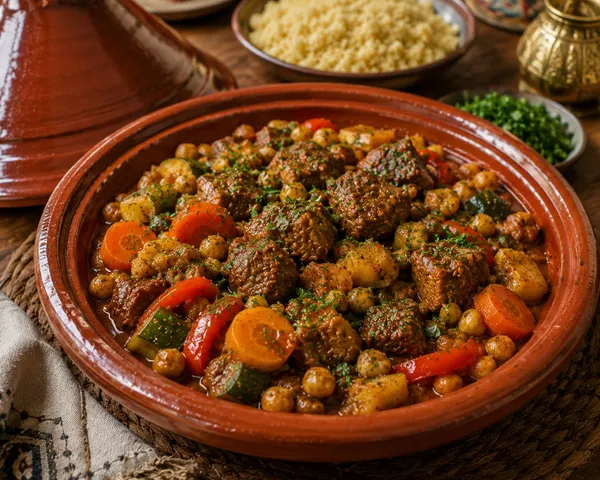
🥘 Moroccan Lamb & Chickpea Tagine
Morocco's timeless slow-cooked classic reimagined with lean lamb, chickpeas, and warm aromatic spices.
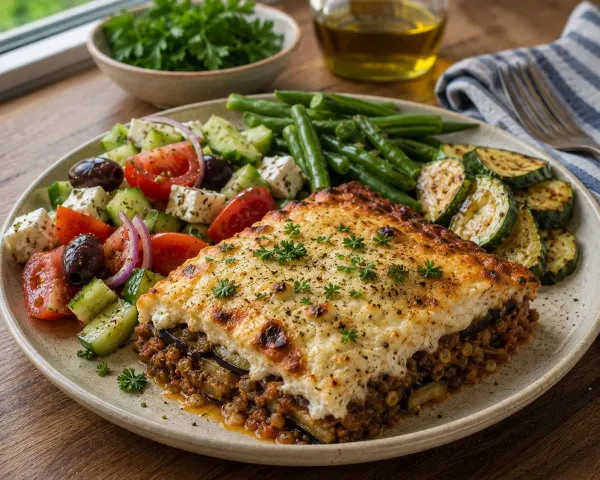
🍆 Balanced & Satisfying Greek Moussaka
Greece's ultimate layered comfort food reimagined with roasted eggplant, lean beef, and lentils.
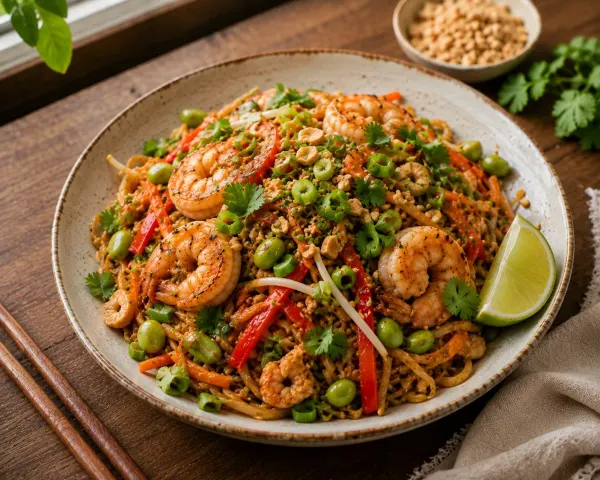
🍤 Balanced & Satisfying Shrimp Pad Thai
Thailand's most famous stir-fried noodles reimagined with lean shrimp, high-protein noodles, and colorful vegetables.