
Balanced & Satisfying Shrimp Pad Thai
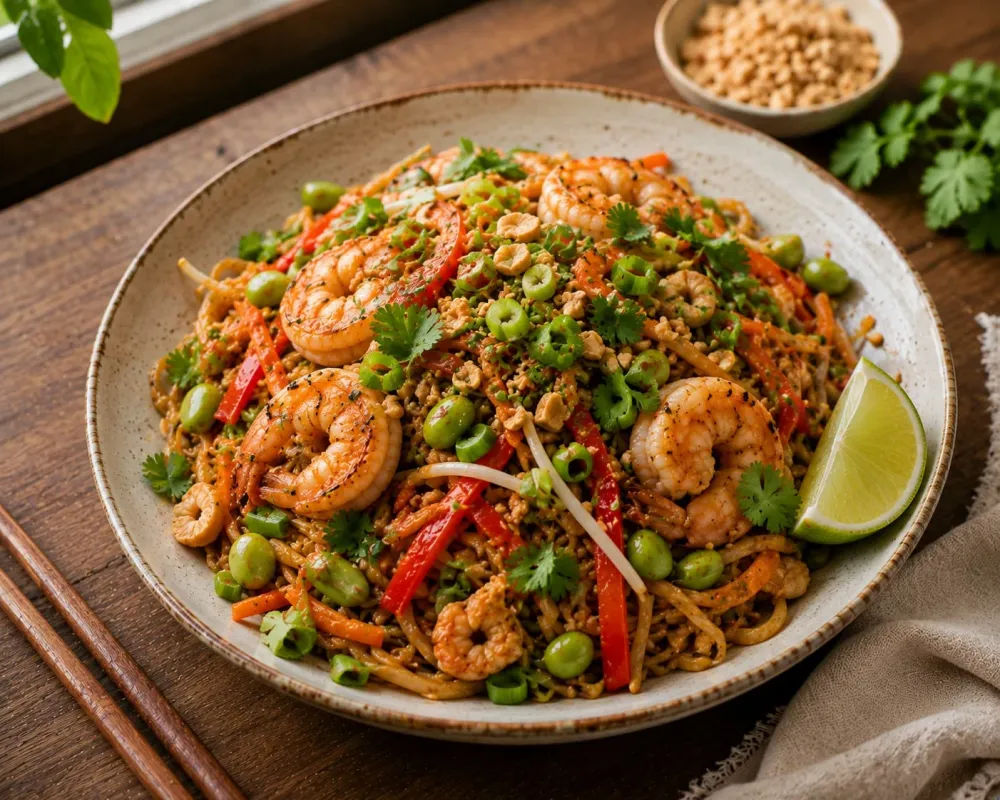
Everything people love about authentic Pad Thai — tender shrimp, perfectly cooked noodles, vibrant vegetables, savory-sweet tamarind sauce, crunchy peanuts, fresh herbs, and bright citrus flavor — thoughtfully reimagined with lean shrimp, high-protein whole-wheat rice-style noodles, extra vegetables, eggs, edamame, reduced-sugar tamarind sauce, and wholesome ingredients that naturally provide high-quality protein, dietary fiber, omega-3 fatty acids, vitamin C, folate, and satisfying volume as part of a balanced eating pattern.
Pad Thai is one of the world's most recognizable Thai dishes. Famous for its delicate balance of sweet, sour, salty, and savory flavors, it combines tender noodles, shrimp, eggs, vegetables, crunchy peanuts, bean sprouts, and fresh lime into a vibrant meal that is both comforting and refreshing.
Traditional Pad Thai often contains refined rice noodles, generous amounts of sugar in the sauce, significant quantities of oil, and relatively small portions of vegetables. While these ingredients contribute to its signature taste, they can also increase the overall energy density of the meal.
This Balanced & Satisfying Shrimp Pad Thai preserves everything that makes the classic unforgettable while thoughtfully rebuilding every component with ingredients that emphasize protein, vegetables, fiber, and balanced nutrition. Lean shrimp provide high-quality protein with very little saturated fat, high-protein whole-wheat rice-style noodles offer additional fiber, edamame and eggs increase protein, and colorful vegetables create satisfying volume. A lighter tamarind sauce delivers authentic Thai flavor with much less added sugar.
Recipe Information
| Prep Time | 25 minutes |
| Cook Time | 20 minutes |
| Total Time | 50 minutes |
| Servings | 4 |
| Difficulty | Easy |
| Calories | ~435 kcal per serving |
Quick Highlights
Ingredients
Makes 4 generous servings of Balanced & Satisfying Shrimp Pad Thai.
















Step-by-Step Instructions
Prepare the Noodles
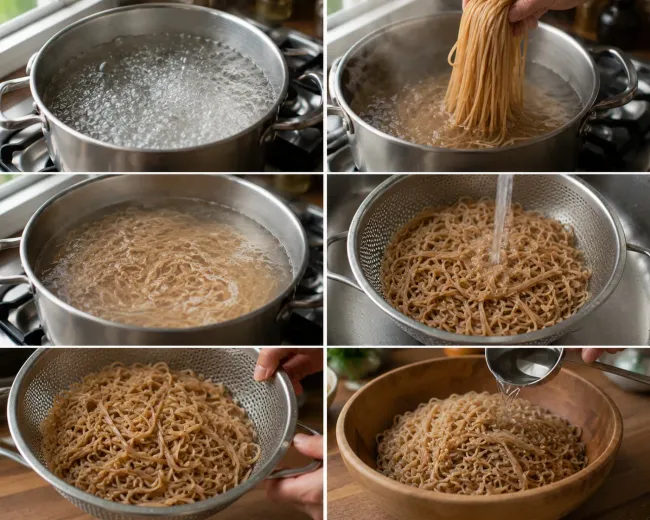
Bring a large pot of water to a boil and cook the high-protein whole-wheat rice-style noodles according to the package directions until just al dente. Drain immediately and rinse briefly under cool water to stop the cooking process. Toss with a small splash of water if needed to prevent sticking, then set aside. The noodles should remain tender but pleasantly chewy.
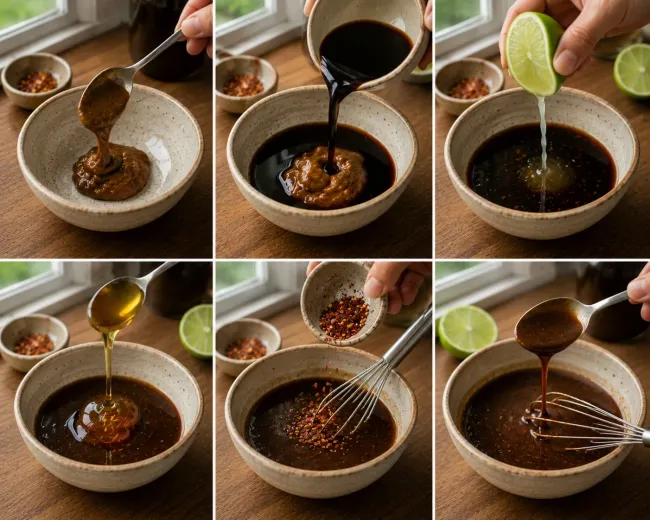
Prepare the Pad Thai Sauce
In a small bowl, whisk together the tamarind paste, soy sauce, fresh lime juice, honey, and crushed red pepper flakes (if using) until smooth. Taste the sauce — it should have a balanced sweet, sour, and savory flavor with a gentle tang from the tamarind. Set aside.
Cook the Shrimp & Vegetables
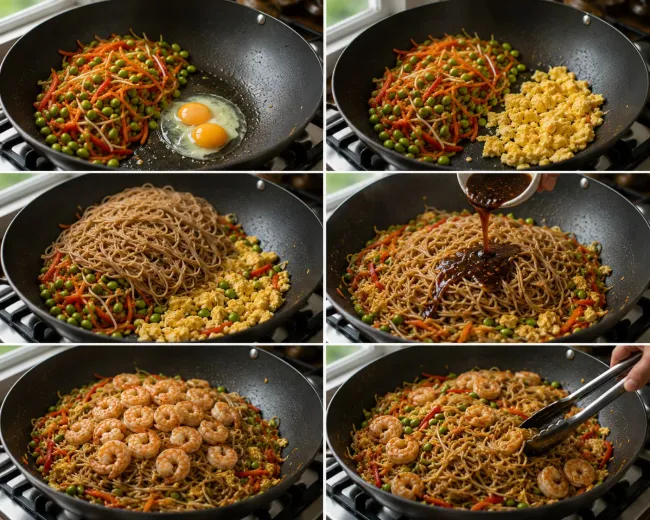
Heat the sesame oil in a large wok or non-stick skillet over medium-high heat. Add the minced garlic and grated ginger and cook for 30 seconds until fragrant. Add the shrimp and cook for 1–2 minutes per side, just until pink and opaque, then transfer to a plate. In the same pan, add the carrots, red bell pepper, and edamame and stir-fry for 3–4 minutes, keeping the vegetables slightly crisp. Add the bean sprouts during the final minute of cooking — the vegetables should remain colorful and lightly crunchy.

Finish the Pad Thai
Reduce the heat to medium and push the vegetables to one side of the wok. Crack in the eggs and gently scramble until just set. Add the cooked noodles and the prepared Pad Thai sauce, then return the shrimp to the pan. Using tongs, gently toss everything together for 2–3 minutes, ensuring the noodles are evenly coated and thoroughly heated. The finished noodles should be glossy, the shrimp tender, and the vegetables vibrant with a slight bite.
Add the Fresh Finishing Touches
Turn off the heat and stir in half of the chopped fresh cilantro and half of the sliced green onions. Gently toss once more so the herbs are evenly distributed throughout the noodles. Taste and adjust with a small squeeze of fresh lime juice if desired. The finished Pad Thai should have a perfect balance of sweet, tangy, savory, and fresh flavors.

Plate the Pad Thai
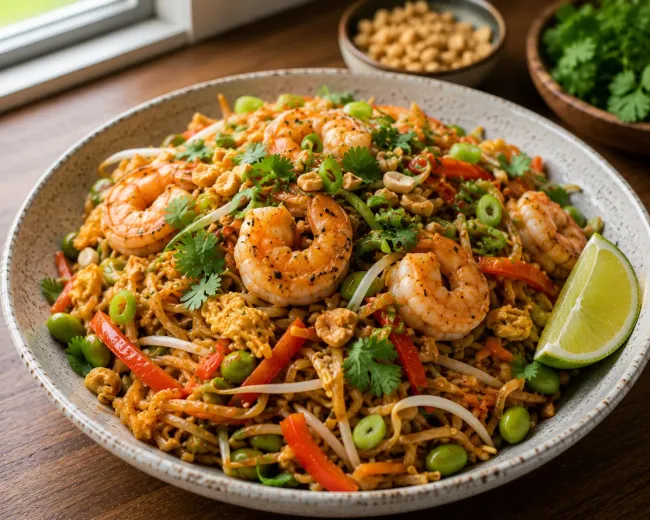
Divide the Pad Thai evenly among 4 serving bowls or plates and arrange the shrimp attractively on top of the noodles. Sprinkle the remaining green onions, chopped cilantro, and toasted peanuts over each serving. Serve each plate with a fresh lime wedge on the side. The finished dish should showcase glossy noodles, colorful vegetables, juicy shrimp, and vibrant fresh garnishes.

Serve Immediately
Serve while hot. Every bite should combine tender shrimp, chewy noodles, crisp vegetables, creamy egg ribbons, crunchy peanuts, fragrant herbs, and the signature sweet-tangy tamarind sauce.
Chef's Tips
Common Mistakes
Why This Recipe Was Designed This Way
This Balanced & Satisfying Shrimp Pad Thai transforms one of Thailand's most beloved noodle dishes into a balanced, protein-rich meal while preserving everything people love about the original — tender shrimp, chewy noodles, vibrant vegetables, sweet-tangy tamarind sauce, crunchy peanuts, fresh herbs, and bright citrus flavor. Instead of relying on refined noodles, larger amounts of added sugar, generous quantities of oil, and relatively small portions of vegetables, this version combines lean shrimp, high-protein whole-wheat rice-style noodles, edamame, eggs, bean sprouts, carrots, bell peppers, fresh herbs, and a lighter tamarind sauce. The result is a colorful meal naturally rich in complete protein, dietary fiber, vitamin C, folate, magnesium, potassium, selenium, and antioxidant compounds. No single recipe can cause weight loss or guarantee fullness for everyone; however, meals that combine high-quality protein, fiber-rich vegetables, legumes, and moderate portions of healthy fats may help promote satiety and support weight management as part of a balanced dietary pattern and healthy lifestyle.
Here's the science behind each major ingredient.
🍤 Shrimp
Naturally provide high-quality complete protein while remaining low in saturated fat. Shrimp are an excellent source of selenium, iodine, phosphorus, vitamin B12, and astaxanthin, a naturally occurring antioxidant carotenoid. Protein-rich foods may help increase feelings of fullness when included as part of a balanced meal.
🍜 High-Protein Whole-Wheat Rice-Style Noodles
Provide complex carbohydrates together with more protein and dietary fiber than traditional refined rice noodles. Dietary fiber contributes to overall digestive health and can help make meals more satisfying.
🫛 Edamame
Naturally supplies plant protein, dietary fiber, folate, magnesium, potassium, iron, and several essential vitamins. Combining plant and animal proteins increases the overall protein content while adding satisfying volume.
🥚 Eggs
Naturally provide complete protein together with choline, selenium, vitamin D, and vitamin B12. Including eggs helps increase both the nutritional value and the satiety of the meal.
🥕 Colorful Vegetables
Bean sprouts, carrots, and bell peppers naturally provide dietary fiber, vitamin C, folate, potassium, beta-carotene, and antioxidant compounds. Their high water content increases meal volume while keeping the dish vibrant and fresh.
🥜 Toasted Peanuts
Contribute the signature crunch of Pad Thai while naturally supplying unsaturated fats, plant protein, magnesium, vitamin E, and manganese. Using a moderate amount preserves authentic flavor while keeping portions balanced.
🍋 Lime, Garlic & Ginger
Fresh lime juice, garlic, and ginger create the bright aromatic profile that defines authentic Pad Thai. Their bold flavors reduce the need for excess sugar or sodium while enhancing the overall taste naturally.
🌿 Fresh Cilantro & Green Onions
Contribute vitamin K, vitamin C, and aromatic plant compounds while providing freshness that balances the savory noodles and rich peanuts.
🥣 Tamarind Paste
Gives Pad Thai its signature sweet-tart flavor. Using real tamarind paste with only a small amount of honey helps maintain the traditional taste while reducing added sugar compared with many restaurant-style versions.
Ingredient Swaps
Need to adapt the recipe? These substitutions maintain the character of the dish.
| Instead of... | Try... |
|---|---|
| Shrimp | Chicken breast, lean beef, tofu, tempeh, or extra edamame |
| High-protein rice-style noodles | Standard rice noodles (less protein and fiber) |
| Honey | Pure maple syrup |
| Peanuts | Cashews or sunflower seeds (for peanut allergies) |
What Research Says
Building this dish around shrimp and a moderate amount of oil rather than a heavier, deep-fried protein keeps it lighter overall while the shrimp itself provides lean protein and selenium.
Estimated Nutrition
Per serving
Includes naturally occurring sugars from vegetables, tamarind, and lime juice; added sugars are approximately 4 g. Sodium is estimated using reduced-sodium soy sauce and will vary depending on the brands of soy sauce and tamarind paste used. Nutrition values are estimates calculated from standard ingredient databases. Actual values will vary depending on ingredient brands, noodle selection, shrimp size, and portion sizes.
Storage & Reheating
Allow the Pad Thai to cool for approximately 20–30 minutes before storing. Transfer leftovers to airtight containers and refrigerate for up to 3 days. Reheat gently in a non-stick skillet over medium-low heat, adding 1–2 tablespoons of water to loosen the sauce if needed, or microwave until thoroughly heated, stirring halfway through. For the best texture, add the chopped peanuts, cilantro, green onions, and fresh lime only after reheating.
Refrigerating
Freezing
Pad Thai can be frozen, although the noodles may become slightly softer after thawing. Allow the dish to cool completely, transfer individual portions into freezer-safe airtight containers, and freeze for up to 2 months. Thaw overnight in the refrigerator, then reheat gently in a skillet with a splash of water before adding the fresh garnishes.
Reheating
Meal Prep Tips
Prepare the vegetables and sauce one day in advance for faster cooking. Cook the noodles just before assembling the dish to maintain the best texture. Store the fresh garnishes separately until serving, portion into individual meal-prep containers for convenient lunches, add fresh lime juice immediately before eating for maximum brightness, and sprinkle the peanuts after reheating to keep them crunchy.
Serving Suggestions
Serve immediately while hot, with lime wedges and a light sprinkle of crushed peanuts on top for texture.
Frequently Asked Questions
Can I substitute the shrimp?
Yes. Chicken breast, lean beef, tofu, tempeh, or additional edamame all work well while preserving the balanced nature of the recipe.
Why use high-protein whole-wheat noodles?
They provide more protein and dietary fiber than traditional refined rice noodles, helping create a more satisfying meal while maintaining a similar chewy texture.
Can I prepare Pad Thai ahead of time?
Yes. The sauce and vegetables can be prepared in advance. For the best texture, cook the noodles shortly before serving or reheating.
Is this Pad Thai suitable for weight management?
No single meal causes weight loss. This version emphasizes lean protein, vegetables, legumes, and moderate portions of healthy fats, which may help promote satiety as part of a balanced eating pattern and active lifestyle.
Can I make it vegetarian?
Absolutely. Replace the shrimp with extra-firm tofu or additional edamame, and use a vegetarian soy-based seasoning if needed.
What vegetables can I add?
Broccoli, snow peas, napa cabbage, baby corn, zucchini, mushrooms, or snap peas all work well while increasing the vegetable content and overall meal volume.
Related Recipes
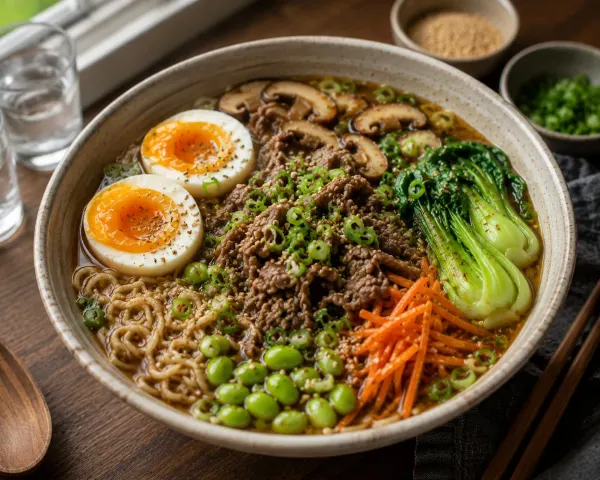
🍜 Balanced & Satisfying Lean Beef Ramen
Japan's iconic noodle bowl reimagined with lean beef, high-protein noodles, and plenty of vegetables.
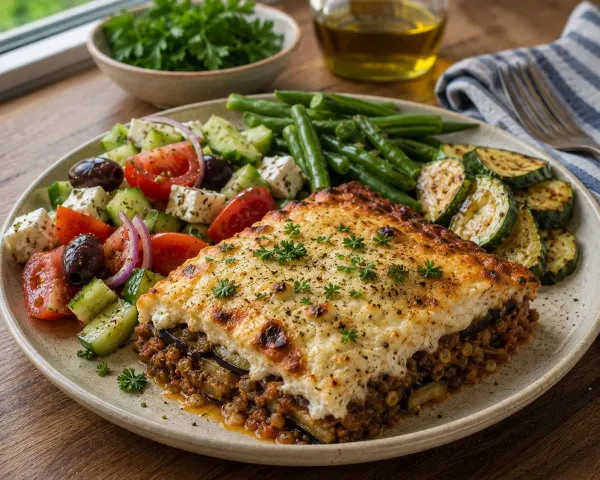
🍆 Balanced & Satisfying Greek Moussaka
Greece's ultimate layered comfort food reimagined with roasted eggplant, lean beef, and lentils.
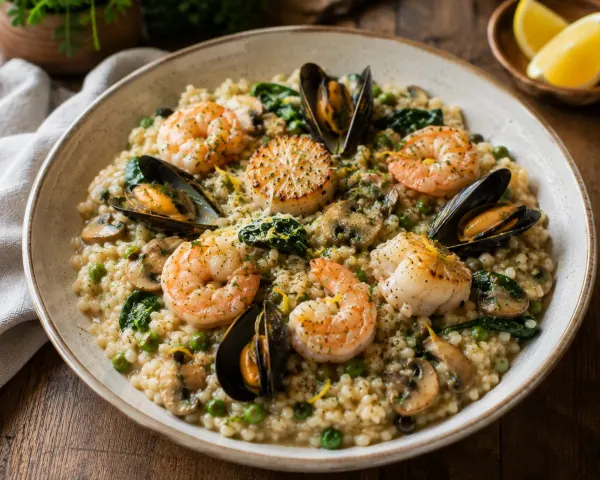
🥘 Everyday Seafood Risotto
Italy's creamiest seafood classic reimagined with whole-grain rice, shrimp, scallops, and mussels.