
Balanced Honey-Yuzu Castella with Greek Yogurt
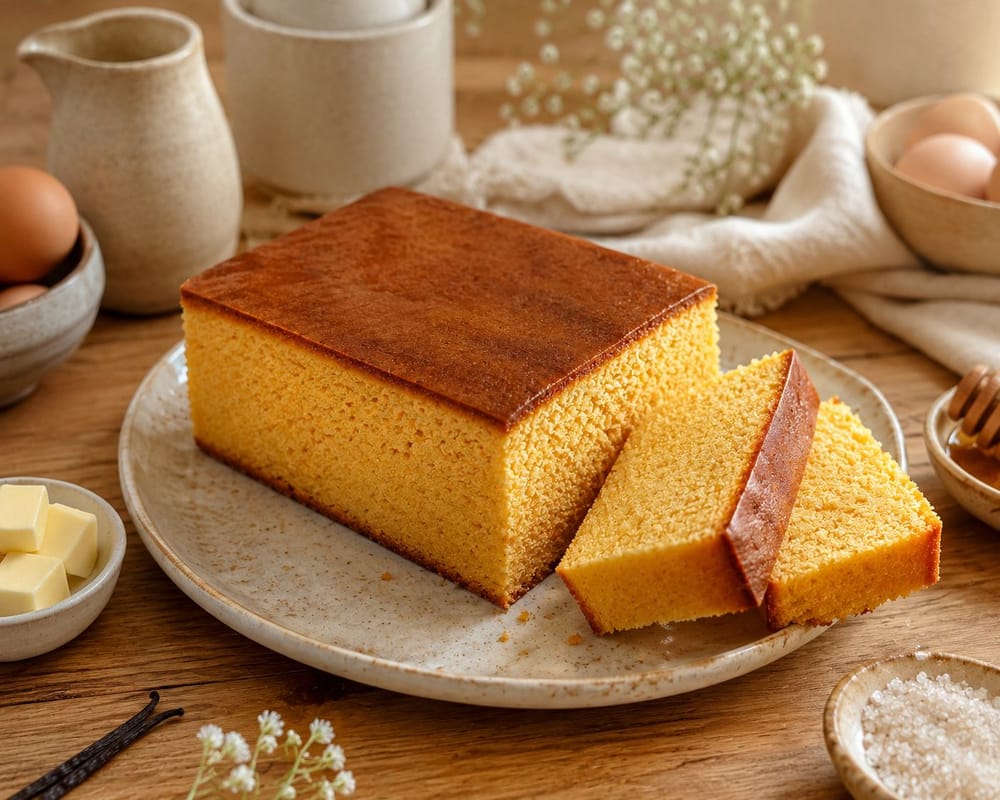
Castella is a deceptively simple cake. Its rectangular shape, deep amber top, pale golden interior, and perfectly parallel slices suggest quiet precision, yet the formula contains no buttercream, layered filling, or elaborate decoration to hide mistakes. The batter rises almost entirely through air captured in warm eggs, and patient resting transforms the fresh sponge into the close, supple crumb associated with Japanese bakery castella.
This version combines measured superfine sugar with mild honey and a small amount of date syrup, so honey remains the leading aroma while date syrup adds color and caramel depth. Bread flour supplies the gluten strength that supports a tall, elastic crumb, while finely milled whole-wheat pastry flour introduces fiber and a gentle wheat flavor. A small amount of Greek yogurt, loosened with milk, contributes moisture and tenderness in place of added butter or cream, and fresh yuzu juice and zest brighten the honey without making the sponge taste like a sharp lemon cake.
The cake is still a sweet baked dessert containing eggs, wheat, dairy, honey, syrup, and added sugar. "Balanced" describes transparent choices, not a medical guarantee. The practical features are a defined twelve-slice loaf, no butter or cream, measured sweeteners, some whole-grain flour, and protein-containing ingredients. Castella tastes best after an overnight wrapped rest, so its character rewards planning rather than immediate eating.
Recipe Information
| Prep Time | 40 minutes |
| Cook Time | 45 to 55 minutes, plus 8 to 12 hours wrapped rest |
| Total Time | About 10 hours including rest |
| Servings | 1 loaf, 12 slices |
| Difficulty | Intermediate to advanced |
| Calories | ~165 kcal per slice |
Quick Highlights
- ✅ No butter or cream — moisture comes from yogurt and milk
- ✅ Honey, date syrup, and measured sugar for balanced sweetness
- ✅ Bread flour plus whole-wheat pastry flour for structure and fiber
- ✅ Fresh yuzu juice and zest for a bright citrus finish
- ✅ Greek yogurt adds protein without changing the classic texture
- ✅ Twelve clean, defined slices from one loaf
- ✅ Best made the day before serving
Ingredients
Makes 1 loaf, 12 slices













Step-by-Step Instructions
Prepare the Pan, Parchment, Oven, and Water Bath
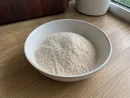
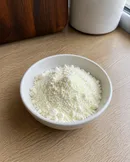
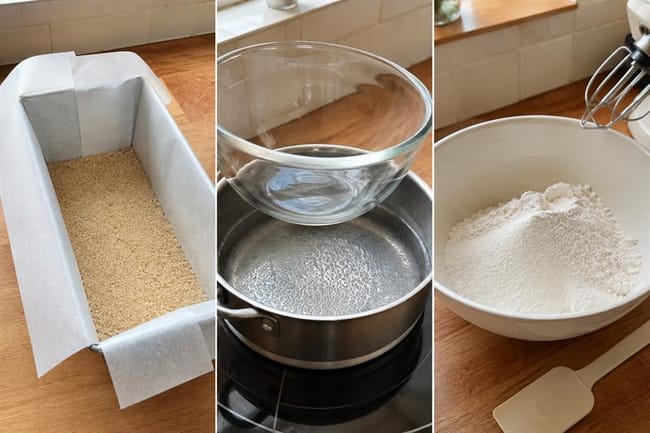
Preheat the oven to 160°C (320°F) with a rack in the lower-middle position. Line the deep loaf pan on its base and all four sides with parchment, extending the paper above the rim. Scatter the coarse raw sugar evenly over the lined base. Bring 3 cm of water to a bare simmer in a saucepan wide enough to hold the egg bowl without touching the water. Sift the bread flour, whole-wheat pastry flour, and milk powder together twice.
Warm and Smooth the Honey-Yogurt Mixture
Combine milk, Greek yogurt, honey, date syrup, yuzu juice, vanilla, and salt in a small heatproof jug. Set it briefly over warm water, whisking until the yogurt is smooth and the honey dissolves. The mixture should reach 35 to 40°C, feeling warm but never hot. Stir in the yuzu zest, cover the jug, and keep it near room temperature.
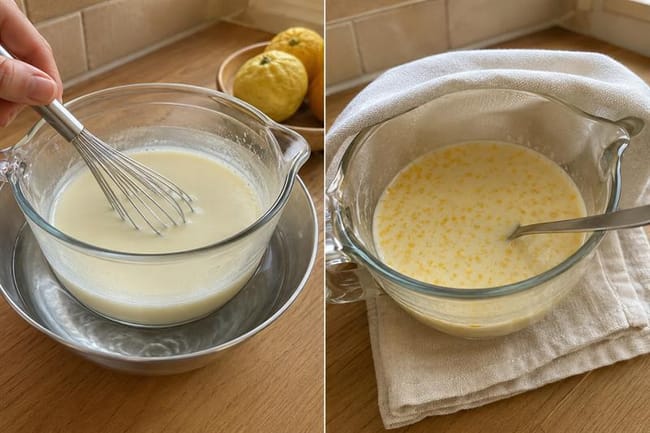
Warm the Eggs and Dissolve the Sugar
Place whole eggs and extra whites in the large heatproof mixing bowl. Sprinkle the superfine sugar gradually into the eggs while whisking. Set the bowl over the barely simmering water and whisk continuously, scraping around the sides so no area overheats. Warm the mixture to 38 to 40°C, until the sugar feels mostly dissolved and the eggs are fluid and slightly foamy.
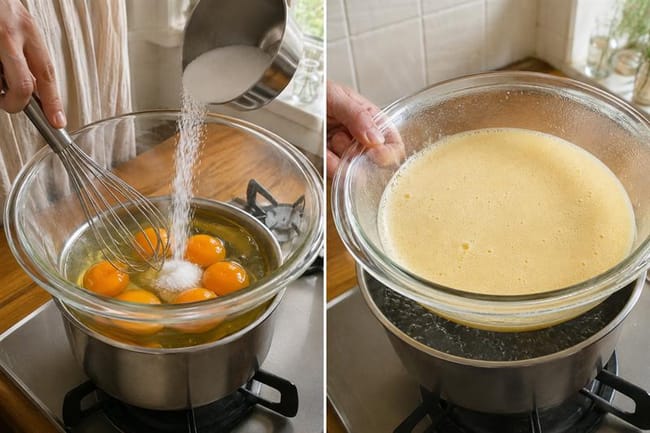
Whip to a Stable, Fine Ribbon
Beat the warm eggs at high speed for six to eight minutes until pale ivory, thick, and several times its original volume. When the whisk is lifted, batter should fall in a broad ribbon that sits on the surface for three to five seconds before slowly disappearing. Reduce to low speed and continue for two minutes to break large bubbles into smaller, more even cells.

Fold in the Flours Without Crushing the Foam
Sift one-third of the dry mixture evenly over the egg ribbon. Using a broad flexible spatula, cut down through the center, sweep along the bottom, and lift batter up the side while rotating the bowl. Add the remaining dry mixture in two equal additions, sifting each across the surface. Reach the bottom on every stroke, but never beat, whisk, or press the batter.
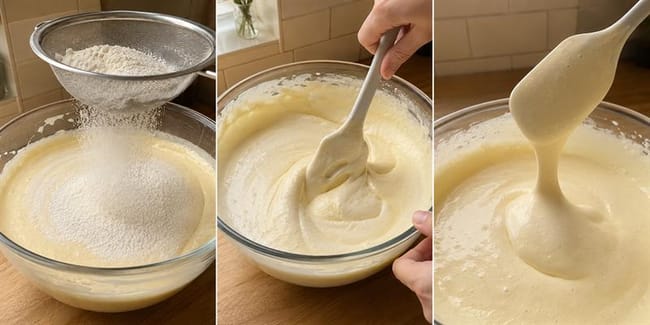
Temper and Incorporate the Honey-Yogurt Mixture
Whisk two generous ladlefuls of batter into the warm honey-yogurt jug to lighten it. Pour half of the tempered mixture in a thin stream around the bowl's inner edge and fold from bottom to top, then incorporate the remainder. Pay particular attention to the base, where glossy liquid streaks can collect unnoticed.
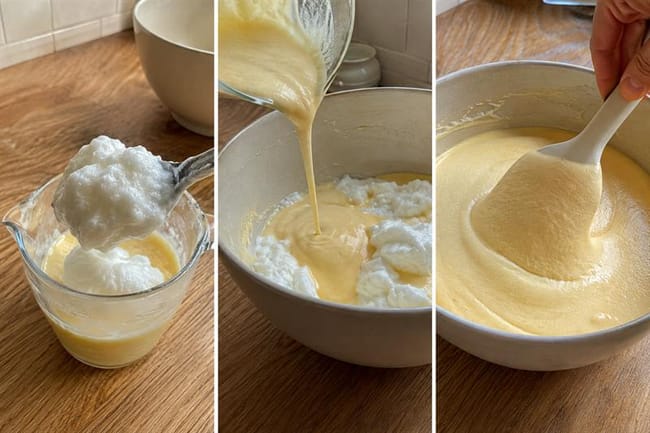
Fill, Refine the Bubbles, and Bake Gently
Pour the batter slowly into the prepared pan. Draw a thin skewer through it in tight zigzags, reaching the corners, to break hidden large bubbles without disturbing the sugar base. Tap the pan lightly on a folded towel. Bake at 160°C for ten minutes, then reduce to 150°C (300°F) without opening the door, and continue 35 to 45 minutes until an instant-read thermometer reads 93 to 96°C at the center.
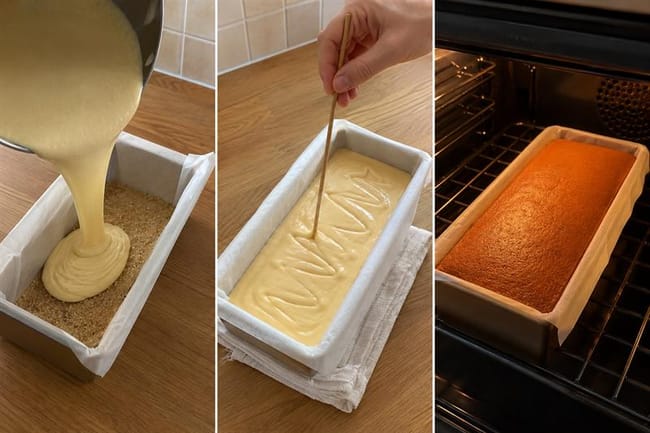
Release, Wrap, Rest, and Slice Cleanly
Set the baked pan on a heatproof surface and drop it once from 2 to 3 cm to release excess steam. Wait five minutes, lift out the cake, and peel parchment from the sides. While still warm, wrap the loaf tightly in parchment and reusable food wrap. Rest at cool room temperature for 8 to 12 hours, then unwrap and cut twelve equal slices with a long serrated knife.

Chef's Tips
Common Mistakes
Why This Recipe Was Designed This Way
This recipe is not medical treatment and cannot promise weight loss or reduced disease risk. It is a portion-conscious version of a beloved Japanese bakery classic that keeps its recognizable amber crust and elastic crumb while adding protein and measuring every sweetener.
🥚 Eggs and Yogurt Supply Real Protein
Whole eggs, extra whites, and Greek yogurt build structure and add protein without butter or cream.
🌾 Whole-Wheat Pastry Flour Adds Fiber
A portion of the flour blend contributes fiber and micronutrients while bread flour preserves the classic elastic crumb.
🍯 Sweeteners Are Measured, Not Removed
Honey, date syrup, and sugar remain because they stabilize the egg foam, retain moisture, and color the crust.
🍋 Yuzu Delivers Aroma Without a Heavy Topping
Fresh juice and zest brighten the cake so no glaze, cream, or syrup drizzle is needed.
📏 Twelve Defined Slices Support Portion Awareness
A consistent loaf size makes nutrition estimates and portions predictable from one bake to the next.
Ingredient Swaps
Need to customize this Balanced Honey-Yuzu Castella? These substitutions preserve the elastic crumb while adapting the recipe to different preferences.
| Instead of... | Try... |
|---|---|
| Fresh yuzu juice and zest | 2 teaspoons lemon juice plus 1 teaspoon mandarin juice and zest |
| Mild honey | Maple syrup, in a similar quantity |
| Date syrup | Additional mild honey, same weight |
| Plain Greek yogurt | Thick unsweetened soy yogurt |
| Lower-fat milk | Unsweetened soy milk |
| Skim milk powder | Unsweetened soy milk powder, by weight |
| Coarse raw sugar | Turbinado or demerara sugar |
What Research Says
The ingredients in this recipe were selected because they reflect common principles in balanced baking that combine egg-based structure, measured sweeteners, and protein-rich dairy. The information below summarizes current nutrition research and is intended for educational purposes only.
🥚 Eggs
Eggs supply the foam structure of Castella while contributing complete protein, choline, and vitamin B12.
- Eggs are a source of complete, high-quality protein.
- Choline supports normal liver and cell function.
- Egg yolks provide lutein and zeaxanthin.
🥛 Dairy Protein
Greek yogurt and milk powder add protein and calcium in place of butter or cream.
- Good source of complete protein and calcium.
- Lower in saturated fat than a butter- or cream-based sponge.
- Contributes dairy solids that support browning.
🍋 Citrus
Yuzu juice and zest contribute vitamin C and aromatic compounds along with acidity.
- Citrus fruits are a well-known source of vitamin C.
- Zest contains aromatic oils distinct from the juice.
- Contributes flavor without meaningful added sugar.
🍯 Natural Sweeteners
Honey and date syrup provide sweetness along with trace minerals compared with refined sugar alone.
- Honey provides antioxidant compounds in small amounts.
- Dates contribute trace minerals and fiber in concentrated form.
- Both remain forms of added sugar requiring portion awareness.
Estimated Nutrition
Per serving
*Estimate for one of twelve slices. Egg size, trimming, and retained moisture all change the result.
Storage & Reheating
Keep the fully cooled loaf tightly wrapped for up to two days at cool room temperature, or refrigerate for up to five days in warmer conditions.
Refrigerating
Let a refrigerated slice stand, still covered, for 20 to 30 minutes before eating so the crumb softens again.
Freezing
Wrap individual slices, place them in a sealed container, and freeze for up to two months. Thaw while wrapped at room temperature.
Reheating
Not Recommended: Reheating is unnecessary and can toughen egg proteins. If preferred, microwave one slice for only five to eight seconds.
Meal Prep Tips
Bake the loaf the evening before serving so it completes its wrapped rest overnight, then slice just before the table.
Serving Suggestions
This Balanced Honey-Yuzu Castella pairs beautifully with simple, unsweetened accompaniments.
Unsweetened Green Tea: A classic Japanese café pairing that lets the honey and yuzu lead without competing sweetness.
Roasted Barley Tea: A nutty, caffeine-free tea that complements the toasted amber crust.
A Few Fresh Berries: A small side of berries adds color and freshness without needing a syrup drizzle.
Sparkling Water with Lemon: A light, citrusy drink refreshes the palate between bites of a rich slice.
Light Kinako Dusting: A small extra pinch of roasted soybean flour on the side echoes other Japanese café desserts in the collection.
Frequently Asked Questions
What makes Castella different from an ordinary sponge cake?
Castella developed in Japan from a Portuguese-introduced cake, then acquired its own recognizable character: a deeply browned top, close elastic crumb, honeyed flavor, and moist texture achieved through eggs, sugar, flour, and technique rather than a chemical leavener.
Why use bread flour instead of cake flour?
Bread flour's stronger gluten supports the tall foam and creates the gentle chew associated with Castella. Cake flour can produce a fragile, crumbly result.
Can I replace all the flour with whole-wheat flour?
That is not recommended for this formula. Regular whole-wheat flour absorbs more liquid and its bran can cut through the foam, producing a dense, coarse loaf.
Why did my Castella sink after baking?
Likely causes include underbaking the center, opening the oven early, insufficiently whipped eggs, aggressive folding, or inaccurate oven heat.
What causes large holes or tunnels?
Coarse egg foam, hidden flour, or incomplete liquid incorporation can create tunnels. Finish whipping on low speed, fold to the bottom, and run a skewer through the batter before baking.
Why is the cake dry or tough?
It may have baked too long, been folded excessively, contained too much flour, or been left unwrapped while cooling.
What can replace fresh yuzu?
Use one tablespoon fresh lemon juice plus finely grated mandarin zest. The aroma will differ, but the sweet acidity suits honey.
Can this Castella be dairy-free?
Use an unsweetened, protein-rich soy yogurt and soy milk, and replace skim milk powder with soy milk powder by weight.
Can I reduce the sweeteners further?
Not substantially without changing texture. Sugar and honey stabilize egg foam, retain moisture, and color the crust as well as sweetening.
Is this cake guaranteed to support weight loss or control blood sugar?
No single dessert guarantees those outcomes. This version uses measured portions and no butter, but it still contains added sugars, eggs, and calories.
Related Recipes
If you enjoyed this Balanced Honey-Yuzu Castella, you may also like these recipes from our Japanese Café Desserts collection.
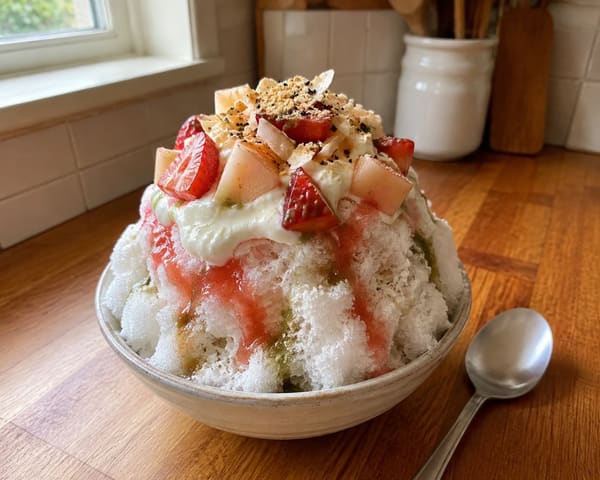
🍧 Balanced Strawberry-Peach Kakigori with Matcha Milk
Feather-light shaved ice layered with real fruit sauce, matcha milk, and whipped Greek yogurt.
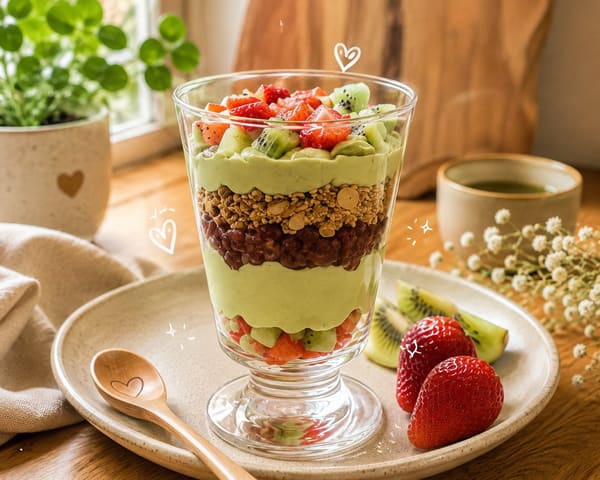
🍵 🍵 Matcha Parfait
A layered café dessert with vivid tea cream, fruit, crisp oat clusters, and soft rice dumplings.
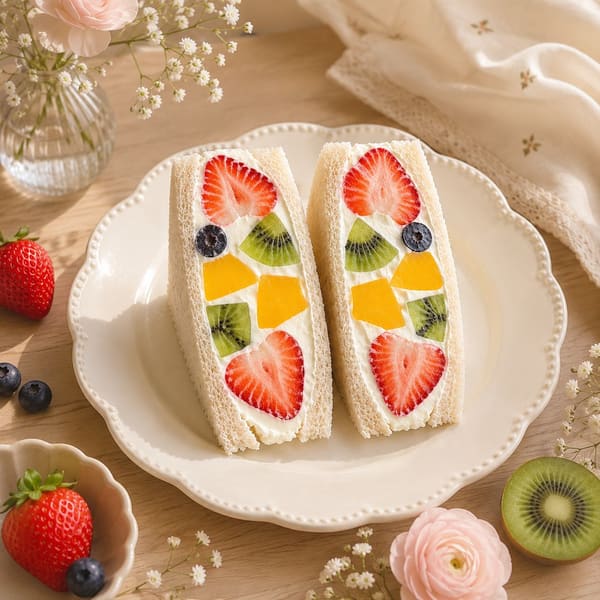
🍓 🍓 Strawberry-Kiwi Fruit Sando
A colorful Japanese café sandwich with soft whole-grain milk bread, fresh fruit, and a stable high-protein filling.