
Balanced Strawberry-Peach Kakigori with Matcha Milk
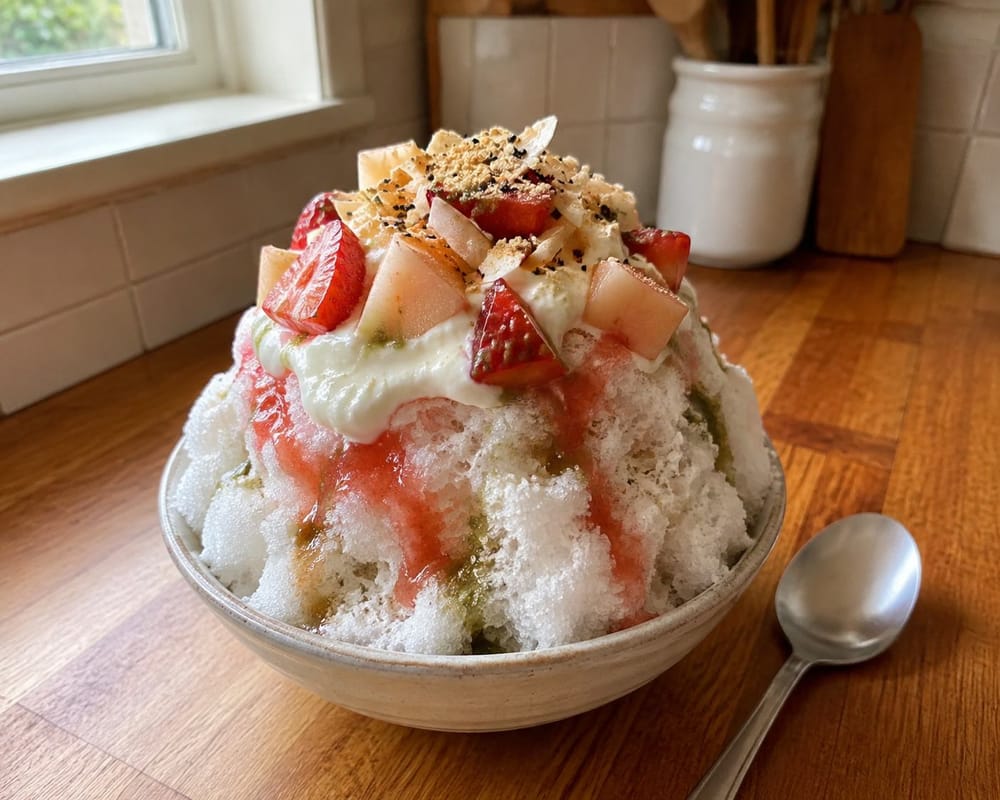
Many modern café versions are covered with brightly colored syrup, sweetened condensed milk, ice cream, cake, or several sauces at once. Those presentations can be delicious, but the sweetness may obscure the clean quality that makes shaved ice refreshing. This version builds its main syrup from strawberries and ripe yellow peaches. Soft dates provide body and caramel depth, while a measured amount of mild honey rounds the fruit.
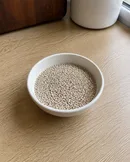
A light matcha milk supplies a distinctly Japanese counterpoint to the red-gold fruit. It is not poured heavily enough to saturate the entire bowl; thin ribbons create creamy, earthy pockets between the layers. Thick Greek yogurt whipped with vanilla becomes a soft cap instead of ice cream or whipped cream. Kinako, toasted sesame, and a small quantity of coconut add aroma and texture at the top.
Texture depends on temperature and timing. Bowls, spoons, fruit syrup, matcha milk, yogurt, and garnishes should be ready before shaving begins. Kakigori cannot wait on a counter, and its fleeting structure is part of the experience rather than a flaw.
Recipe Information
| Prep Time | 40 minutes, plus ice freezing overnight |
| Cook Time | 12 minutes, plus 1 hour chilling |
| Total Time | About 9 hours including freezing |
| Servings | 4 generous individual bowls |
| Difficulty | Intermediate |
| Calories | ~245 kcal per bowl |
Quick Highlights
- ✅ Real fruit sauce from strawberries and peaches
- ✅ Dates provide body without excess added sugar
- ✅ Light matcha milk for a distinctly Japanese touch
- ✅ Whipped Greek yogurt instead of ice cream
- ✅ Kinako, sesame, and toasted coconut for crunch
- ✅ Four generous, clearly defined portions
- ✅ Built and served one bowl at a time
Ingredients
Makes 4 generous bowls









Step-by-Step Instructions
Freeze the Ice Blocks and Chill the Service Equipment
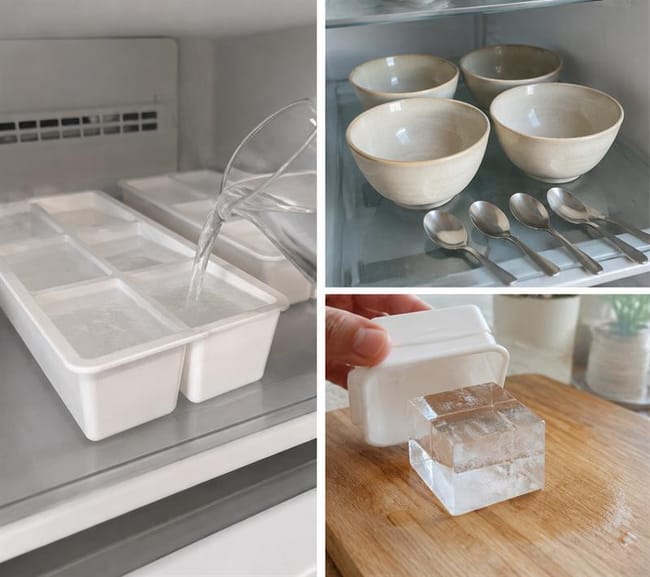
Fill the molds recommended by your kakigori machine with filtered water. Set each mold on a level freezer shelf and freeze at least 8 hours, preferably overnight. Place four serving bowls and spoons in the refrigerator during the final hour of sauce chilling.
Prepare the Fruit and Measured Garnishes
Wash and dry the strawberries and peaches. Hull the berries and pit the peaches. Reserve 80 g of each for garnish, tossing with a few drops of lemon juice. Chop the remaining fruit. Measure all other ingredients before starting the sauce.
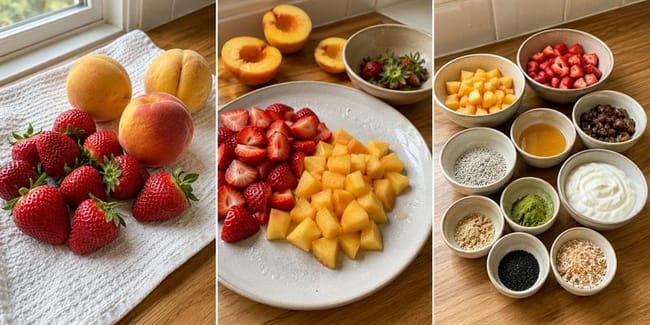
Cook the Strawberry-Peach Fruit Base
Combine the fruit for sauce, chopped dates, 25 g honey, 1 tablespoon lemon juice, half the salt, and 60 ml water in a saucepan. Simmer gently 8 to 10 minutes, stirring and crushing occasionally, until the berries collapse and dates disappear.
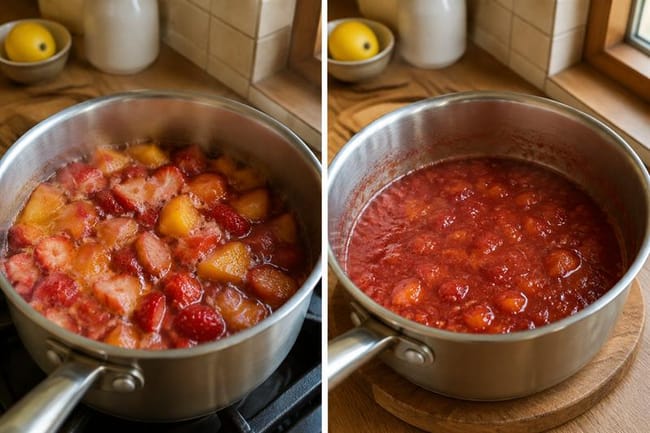
Blend, Season, and Chill the Fruit Sauce
Blend the warm fruit mixture until smooth. Add chia seeds and blend 5 seconds more. Pass through a medium-fine sieve for a refined texture. Pour into a shallow container and refrigerate at least 1 hour.
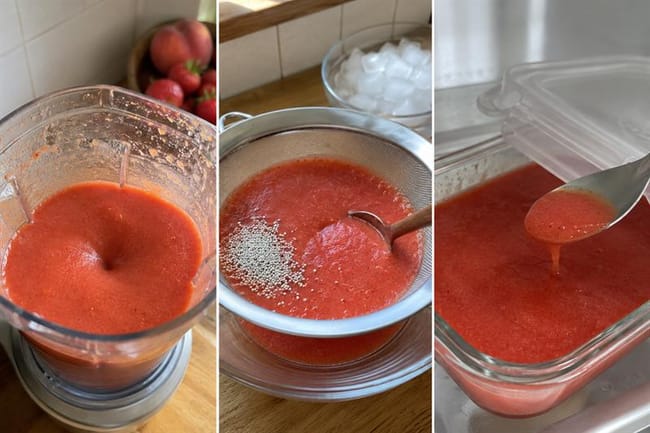
Prepare the Matcha Milk and Vanilla Yogurt Cloud
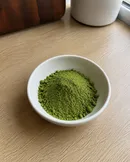
Sift matcha into a bowl and whisk with two tablespoons cold milk into a smooth paste before adding the remaining milk, 10 g honey, and a pinch of salt. Strain and refrigerate. In a separate bowl, fold vanilla into the Greek yogurt.
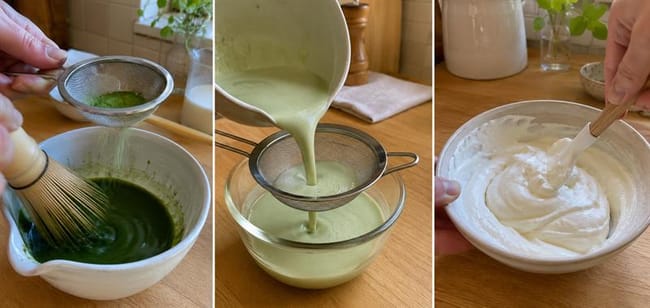
Shave the Ice Into a Soft, Stable Mound
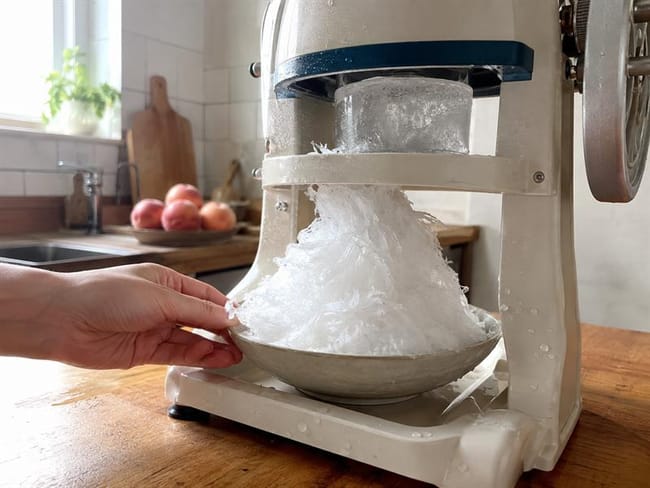
Assemble and operate the shaver as directed. Place a chilled bowl beneath the outlet and begin with light pressure so ice falls in delicate ribbons. Rotate the bowl slowly, building a wide foundation, then upward into a tall dome.
Layer the Fruit Sauce and Matcha Milk Through the Ice
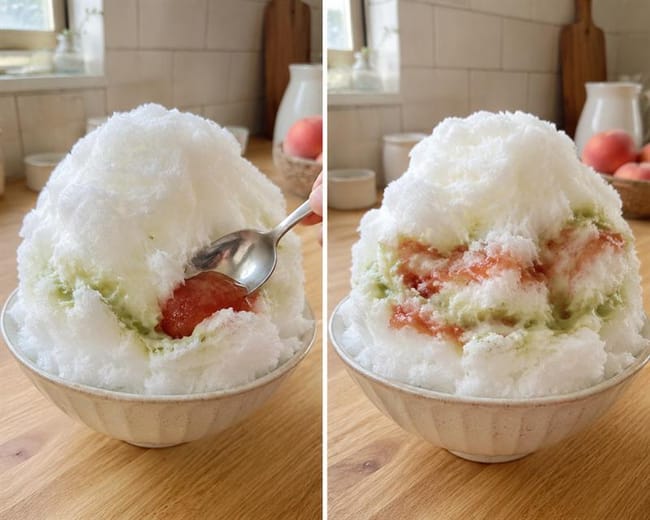
Spoon 1 tablespoon of cold fruit sauce across the lower third of the ice, aiming between folds. Add a thin ribbon of matcha milk. Repeat with more sauce and matcha milk, reserving enough sauce for a final drizzle.
Add the Yogurt Cloud, Garnishes, and Serve Immediately
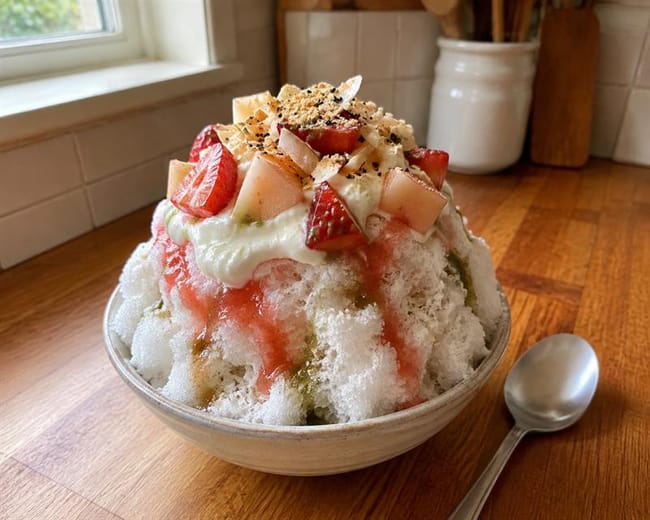
Place about 75 g vanilla yogurt on the crown using two spoons, forming a soft cloud. Drizzle with remaining fruit sauce. Arrange reserved strawberry and peach around the yogurt. Dust with kinako, sesame, and toasted coconut.
Chef's Tips
Common Mistakes
Why This Recipe Was Designed This Way
This recipe is not medical treatment and cannot promise weight loss or reduced disease risk. It is a portion-conscious version of a beloved Japanese café treat that builds its flavor from whole fruit and measured sweeteners while keeping feather-light shaved ice central to the experience. Its suitability depends on the complete diet and individual needs.
🍓 Whole Fruit Dominates the Main Sauce
Strawberries and peaches supply color, flavor, fiber, and natural sugars instead of relying on bottled syrup.
🥛 Yogurt Adds Contrast and Protein
Greek yogurt adds protein and creaminess without requiring whipped cream or ice cream on top.
❄️ Airy Ice Creates Visible Volume
Feather-light shavings create generous volume while sauces and toppings remain carefully measured.
📏 Each Bowl Has a Defined Formula
Four defined bowls support consistent presentation and nutrition estimates from one serving to the next.
🍵 Matcha Provides a Distinctly Japanese Touch
A light matcha milk balances the red-gold fruit with gentle bitterness rather than overwhelming sweetness.
Ingredient Swaps
Need to customize this Balanced Strawberry-Peach Kakigori? These substitutions preserve the feather-light character while adapting the recipe to different preferences.
| Instead of... | Try... |
|---|---|
| Fresh strawberries and peaches | Mango and raspberry, in similar quantities |
| Mild honey | Maple syrup, in a similar quantity |
| Lower-fat milk | Unsweetened soy beverage |
| Plain Greek yogurt | Thick unsweetened soy yogurt |
| Roasted soybean flour (kinako) | Toasted sesame seeds, finely ground |
| Culinary matcha | Omit for plain vanilla milk (removes caffeine) |
| Unsweetened coconut flakes | Toasted sliced almonds |
What Research Says
The ingredients in this recipe were selected because they reflect common principles in balanced frozen dessert patterns that combine whole fruit, measured sweeteners, and protein-rich dairy. The information below summarizes current nutrition research and is intended for educational purposes only.
🍑 Fresh Fruit
Strawberries and peaches contribute vitamin C, fiber, and natural sugars while forming the entire flavor base of the sauce.
- Excellent source of vitamin C.
- Peaches contribute potassium and carotenoids.
- Contributes fiber uncommon in syrup-based shaved ice.
🥛 Dairy Protein
Greek yogurt provides protein and calcium, replacing ice cream or whipped cream as the dessert's creamy element.
- Good source of complete protein and calcium.
- Contains live cultures when unpasteurized after culturing.
- Lower in saturated fat than a whipped-cream topping.
🍯 Natural Sweeteners
Dates and honey provide sweetness along with trace minerals and fiber compared to refined sugar alone.
- Dates contribute fiber and potassium alongside natural sugars.
- Honey provides antioxidant compounds in small amounts.
- Both remain forms of added sugar requiring portion awareness.
🍵 Green Tea and Matcha
Matcha is a concentrated form of green tea leaves that provides plant compounds along with caffeine.
- Contains catechins studied for antioxidant properties.
- Naturally contains caffeine, which varies by preparation.
- Contributes color and flavor without significant calories.
Estimated Nutrition
Per serving
*Estimate for one of four bowls. Fruit ripeness, exact ice retention of sauce, and garnish distribution all change the result.
Storage & Reheating
Do not store assembled kakigori. It begins melting immediately, and refreezing the mixed bowl creates a hard, uneven block rather than delicate snow.
Refrigerating
Fruit sauce keeps well refrigerated for a few days before assembly. Discard a served portion after normal safe table time.
Freezing
Ice blocks must be frozen solid ahead of time. Fruit sauce can also be frozen separately for up to three months in an airtight container; do not freeze the yogurt topping or prepared matcha milk.
Reheating
Not Recommended: Kakigori is never reheated. If refrigerated sauce becomes unusually thick, whisk in cold water one teaspoon at a time rather than warming it.
Meal Prep Tips
One day before serving, freeze the ice molds and prepare the fruit sauce. On the service day, cut the reserved fruit, mix the yogurt, prepare matcha milk, and chill all serving bowls in advance.
Serving Suggestions
This Balanced Strawberry-Peach Kakigori pairs beautifully with simple, fresh accompaniments.
Unsweetened Green Tea: A warm, unsweetened tea echoes the dessert's own matcha notes for a cohesive café experience.
Extra Fresh Fruit: A few extra pieces of strawberry or peach on the side extend the fresh theme without added sugar.
A Light Kinako Dusting: Extra roasted soybean flour on the side lets each diner add more toasted, nutty flavor to taste.
Sparkling Water with Lemon: A light, citrusy drink refreshes the palate between spoonfuls.
Roasted Barley Tea: A nutty, caffeine-free tea pairs naturally with the toasted garnishes.
Frequently Asked Questions
What is kakigori?
Kakigori is Japanese shaved ice made from a solid block and served immediately with syrup or toppings. Its defining texture is finer and more feathery than ordinary crushed ice.
Can I make kakigori without a dedicated machine?
A strong ice shaver designed to create fine flakes is the best substitute. A blender usually produces irregular chips or slush and may be unsafe with large blocks.
Why is my shaved ice hard and crunchy?
The block may be too cold, or the appliance may be designed for coarse ice. Temper the block for the recommended short period and apply steady, light pressure instead of forcing ice through.
Why does the mound melt before I finish decorating?
The bowl, sauce, topping, or room may be too warm, or assembly may take too long. Chill every wet component and the serving vessel, and build one bowl at a time.
Can I use frozen fruit for the sauce?
Yes. Weigh it frozen, cook it directly, and expect slightly more liquid. Simmer until the fruit base reaches the described consistency before blending.
Can I make this recipe dairy-free?
Replace milk with unsweetened soy beverage and Greek yogurt with thick unsweetened soy yogurt. Kinako is also soy, so anyone with a soy allergy needs different garnishes.
Does matcha contain caffeine?
Yes. Two teaspoons divided among four bowls is modest for many adults but may still matter to children, pregnant people, or caffeine-sensitive individuals. Omit it for plain vanilla milk when appropriate.
Does balanced kakigori guarantee weight loss or controlled blood sugar?
No single dessert guarantees those outcomes. This version uses measured sweeteners, whole-fruit sauce, and defined servings, but it still contains sugars and digestible carbohydrates.
Related Recipes
If you enjoyed this Balanced Strawberry-Peach Kakigori, you may also like these recipes from our Japanese Café Desserts collection.
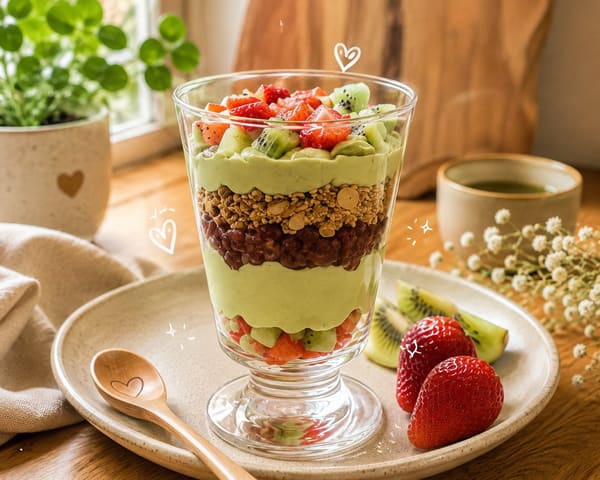
🍵 🍵 Matcha Parfait
A layered café dessert with vivid tea cream, fruit, crisp oat clusters, and soft rice dumplings.
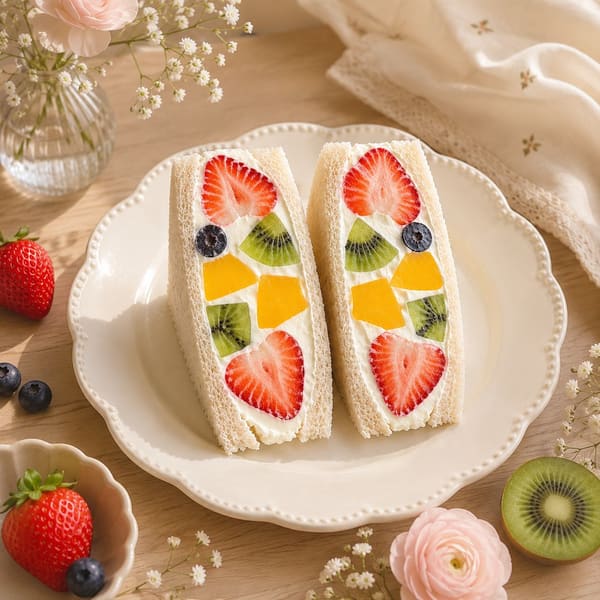
🍓 🍓 Strawberry-Kiwi Fruit Sando
A colorful Japanese café sandwich with soft whole-grain milk bread, fresh fruit, and a stable high-protein filling.
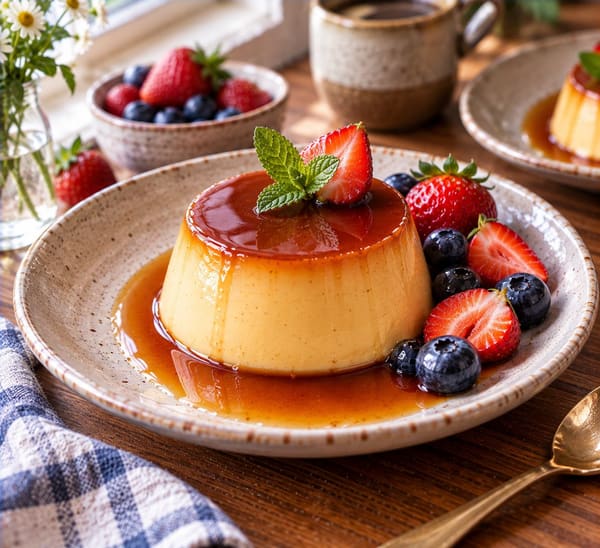
🍮 Balanced Japanese Purin with Light Caramel
A silky baked custard with a glossy amber sauce, restrained sweetness, and a fruit-bright café finish.