
🍵 Matcha Parfait
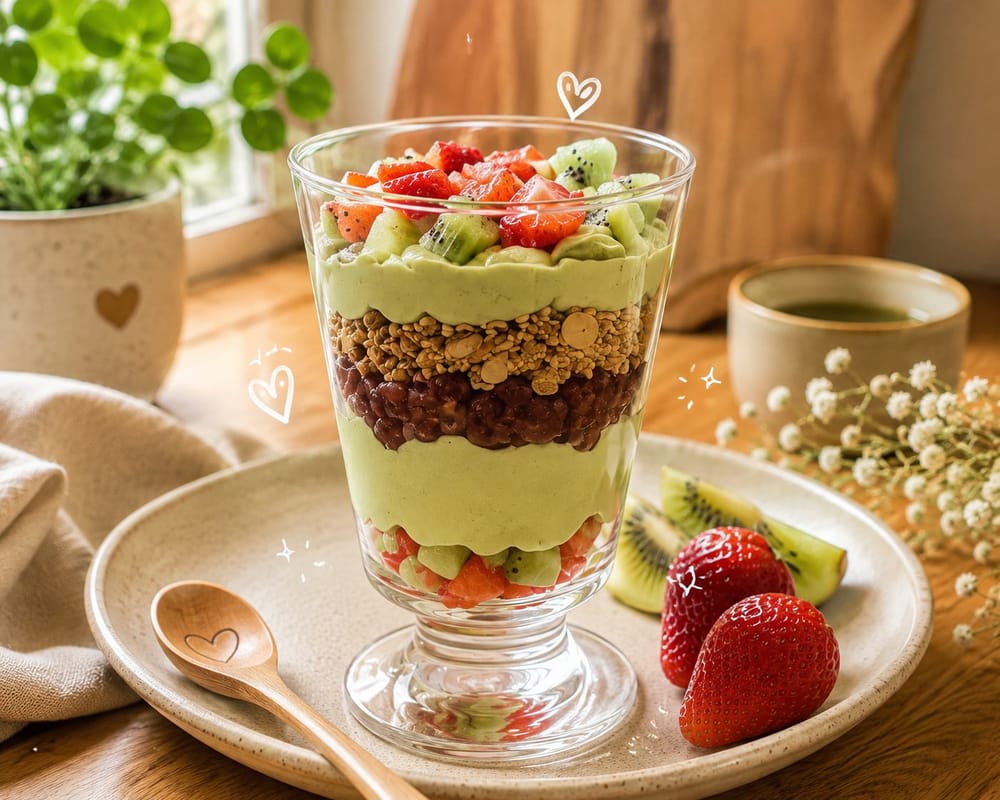
A Matcha Parfait is designed to be explored one spoonful at a time. Through a clear glass, its layers advertise contrasting colors and textures before the first taste: green tea cream, ruby fruit, dark red azuki beans, golden crunch, and small white shiratama dumplings.
This interpretation keeps the recognizable Japanese composition while giving every layer a purpose. Greek yogurt and silken tofu create a smooth, protein-rich matcha cream without relying on a large quantity of heavy cream. Azuki is simmered into a softly textured layer with a small quantity of date syrup rather than an extremely sweet commercial paste. Rolled oats, sliced almonds, and sesame seeds become a compact homemade crunch, while strawberries and kiwi contribute acidity, water, fiber, and bright color.
Each component is deliberately different: creamy, crisp, juicy, earthy, or elastic. Several components may be prepared ahead, yet the final construction is best completed shortly before serving.
Recipe Information
| Prep Time | 55 minutes |
| Cook Time | 45 to 60 minutes chilling |
| Total Time | About 1 hour 50 minutes |
| Servings | 4 individual parfait glasses |
| Difficulty | Intermediate |
| Calories | ~390 kcal each |
Quick Highlights
- ✅ Greek yogurt and silken tofu for a protein-rich cream
- ✅ Azuki beans lightly sweetened with date syrup
- ✅ Homemade toasted oat, almond, and sesame crunch
- ✅ Fresh strawberries and kiwi for bright acidity
- ✅ Chewy shiratama rice dumplings
- ✅ Four generous, clearly defined portions
- ✅ Best assembled shortly before serving
Ingredients
Makes 4 individual parfaits







Step-by-Step Instructions
Drain the Tofu, Inspect the Yogurt, and Chill the Glasses
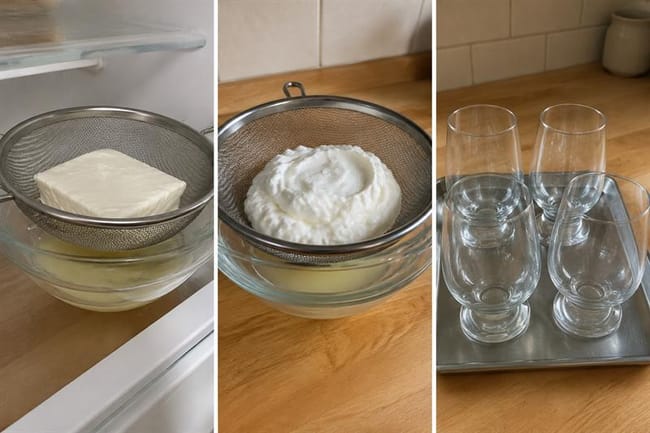
Place silken tofu in a fine sieve over a bowl and refrigerate for 20 minutes, allowing only loose surface water to drain. If the Greek yogurt has visible whey, drain it separately for 15 minutes. Wash and dry four clear parfait glasses, then refrigerate them.
Prepare the Lightly Sweetened Azuki Layer
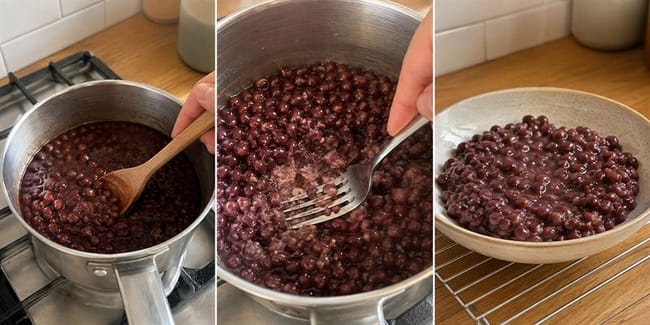
Place drained cooked azuki in a small saucepan with date syrup and two tablespoons of water. Warm over low heat 5 to 7 minutes, stirring and crushing roughly one-third of the beans with a fork. Transfer to a shallow bowl, cool 15 minutes, then refrigerate until completely cold.
Toast the Oat, Almond, and Sesame Crunch
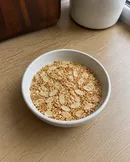
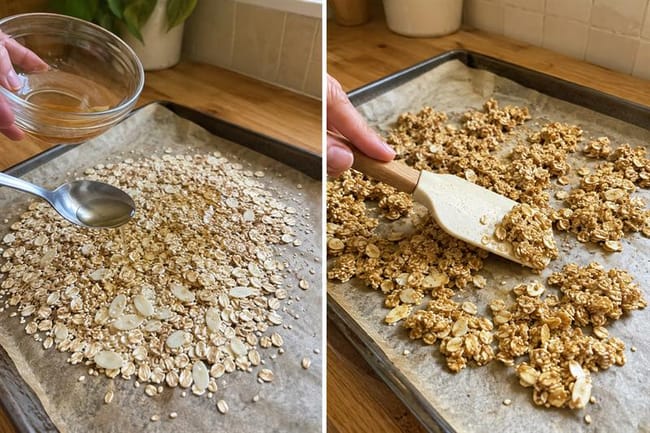
Preheat the oven to 165°C/330°F. Combine oats, almonds, and sesame seeds on a parchment-lined tray. Add one teaspoon of honey and one teaspoon of water, tossing until lightly coated. Bake 12 to 16 minutes, stirring once, until the oats are dry and pale gold.
Mix, Shape, Cook, and Cool the Shiratama
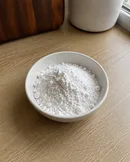
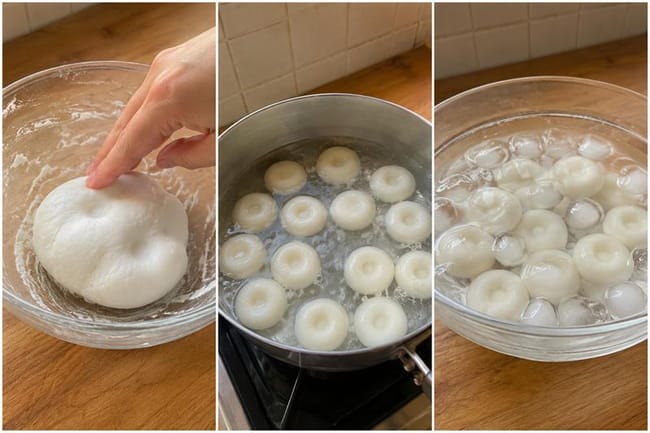
Place shiratamako in a bowl and add water gradually while mixing until the dough is smooth and similar to a soft earlobe. Divide into 12 pieces, roll into balls, and press a shallow dimple in each center. Boil until they float, then cook 2 more minutes. Transfer to ice water.
Blend the Vivid, Smooth Matcha Cream
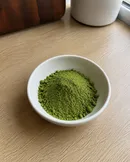
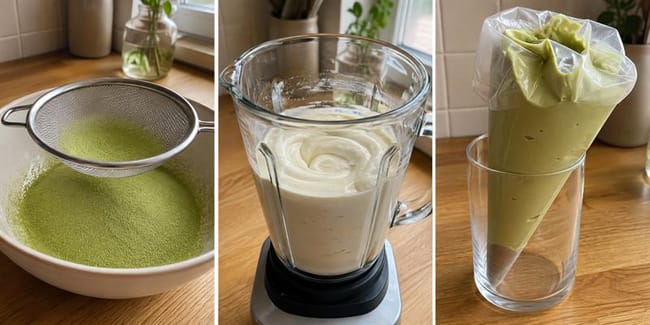
Sift matcha and milk powder together. Place drained tofu, yogurt, remaining honey, and vanilla in a blender. Add the sifted powders and blend 45 to 60 seconds, scraping once, until completely smooth. Transfer to a piping bag and refrigerate 30 minutes.
Prepare the Fruit and Establish a Layering Plan
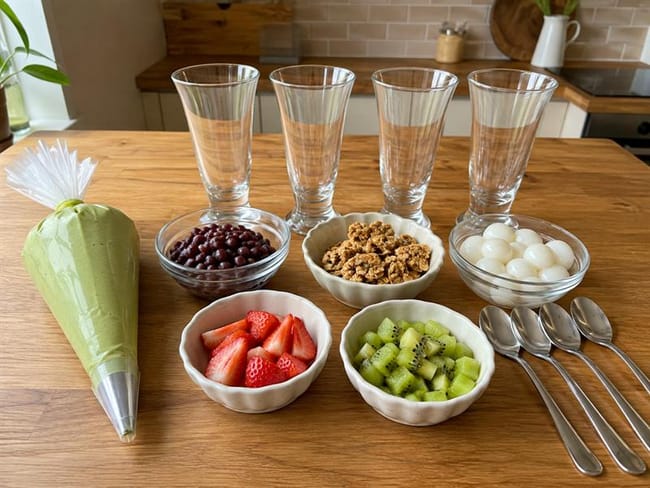
Wash, dry, and cut strawberries and kiwi. Divide fruit mentally into four equal groups. Set out chilled matcha cream, cold azuki, cooled crunch, drained shiratama, fruit, and glasses in a logical layering order.
Build Four Clean, Distinct Parfaits
Place a small spoonful of fruit in the bottom of each glass. Pipe a 2 cm layer of matcha cream against the inside wall. Add a level spoonful of azuki, then sprinkle crunch above. Repeat with fruit, cream, and a smaller azuki accent.

Garnish with Shiratama and Serve Immediately
Drain shiratama and blot briefly. Top each parfait with three dumplings, one reserved strawberry half, several kiwi cubes, a teaspoon of azuki, and the remaining crisp clusters. Serve immediately with a long spoon.
Chef's Tips
Common Mistakes
Why This Recipe Was Designed This Way
This recipe is not medical treatment and cannot promise weight loss or reduced disease risk. It is a portion-conscious version of a beloved Japanese café dessert that builds a protein-rich cream from yogurt and tofu while keeping azuki, fruit, and shiratama central to the experience. Its suitability depends on the complete diet and individual needs.
🥛 Protein From Varied Sources
Greek yogurt, tofu, milk powder, azuki, almonds, and oats contribute protein from both dairy and plant sources within a single dessert.
🌾 Whole Grains and Fiber
Oats, beans, seeds, nuts, and fruit provide fiber and texture, replacing much of the refined cereal and whipped cream common in oversized parfaits.
🍯 Measured Sweeteners Throughout
Honey and date syrup remain added sugars, but their measured amounts support matcha and azuki rather than saturating every layer.
🍓 Fresh Fruit for Brightness
Strawberries and kiwi contribute acidity, water, fiber, and vibrant color without an added syrup or glaze.
🍡 Shiratama in a Defined Quantity
Rice dumplings add traditional chew and starch in a measured amount rather than an unlimited serving.
Ingredient Swaps
Need to customize this Balanced Matcha Parfait? These substitutions preserve the layered character while adapting the recipe to different preferences.
| Instead of... | Try... |
|---|---|
| Plain Greek yogurt | Thick unsweetened soy yogurt |
| Silken tofu | Additional Greek yogurt (less silky texture) |
| Mild honey | Maple syrup, in a similar quantity |
| Cooked azuki beans | No-salt-added canned azuki, drained and rinsed |
| Sliced almonds | Chopped walnuts or pecans |
| Fresh strawberries | Raspberries or diced mango |
| Shiratamako | Omit for a lighter parfait without dumplings |
What Research Says
The ingredients in this recipe were selected because they reflect common principles in balanced parfait patterns that combine protein-rich dairy, legumes, whole grains, and fresh fruit. The information below summarizes current nutrition research and is intended for educational purposes only.
🥛 Dairy and Soy Protein
Greek yogurt and silken tofu together provide complete and plant-based protein sources within a single creamy layer.
- Good source of complete protein and calcium.
- Tofu contributes plant protein and iron.
- Lower in saturated fat than a cream-based parfait base.
🫘 Legumes
Azuki beans contribute plant protein, fiber, folate, and potassium, adding substance to the dessert's bean layer.
- Good source of plant protein and dietary fiber.
- Contributes folate and potassium uncommon in most desserts.
- Associated with improved satiety when included in meals.
🌾 Whole Grains and Seeds
Oats, almonds, and sesame seeds contribute fiber, unsaturated fats, and minerals in the toasted crunch layer.
- Oats provide beta-glucan fiber studied for heart health.
- Almonds and sesame contribute vitamin E and fats.
- Useful as a textured alternative to sugary cereal toppings.
🍵 Green Tea and Matcha
Matcha is a concentrated form of green tea leaves that provides plant compounds along with caffeine.
- Contains catechins studied for antioxidant properties.
- Naturally contains caffeine, which varies by preparation.
- Contributes color and flavor without significant calories.
Estimated Nutrition
Per serving
*Estimate for one of four glasses. Yogurt, tofu, matcha, and exact garnish distribution all change the result.
Storage & Reheating
Store yogurt cream, azuki, fruit, and assembled parfait bases at 4°C or colder. The complete parfait is best immediately after garnish and within four hours of layering.
Refrigerating
Cooked azuki keeps three days refrigerated, and matcha cream keeps 24 hours covered. Cut fruit is best the same day. Oat crunch may remain crisp for several days in an airtight room-temperature container.
Freezing
Do not freeze assembled parfaits. Tofu and yogurt can separate, fruit becomes watery, and shiratama hardens or changes texture.
Reheating
Not Recommended: This dessert is designed to be served cold and does not require reheating. Shiratama should be eaten within a few hours of cooking rather than reheated later.
Meal Prep Tips
Prepare matcha cream, azuki, and crunch ahead, but keep them separate. Layer cream, beans, and fruit no more than several hours before serving. Add most crunch and all shiratama at the last moment.
Serving Suggestions
This Balanced Matcha Parfait pairs beautifully with simple, fresh accompaniments.
Unsweetened Green Tea: A warm, unsweetened tea echoes the parfait's own matcha notes for a cohesive café experience.
Extra Fresh Berries: A few extra berries on the side extend the fresh fruit theme without added sugar.
A Light Kinako Dusting: A very light dusting of roasted soybean flour beside the glass adds a toasted, nutty note.
Sparkling Water with Lemon: A light, citrusy drink refreshes the palate between spoonfuls.
Roasted Barley Tea: A nutty, caffeine-free tea pairs naturally with the toasted oat crunch.
Frequently Asked Questions
What is a Japanese Matcha Parfait?
It is a layered café dessert combining matcha-flavored cream with Japanese and Western elements such as azuki, fruit, shiratama, and cereal. This version focuses on yogurt-tofu cream, beans, fresh fruit, oat crunch, and chewy rice dumplings.
What grade of matcha should I use?
Fresh culinary-grade matcha is appropriate because it is blended with dairy, tofu, and sweetener. Ceremonial matcha is unnecessary, though it may be used.
Why does my matcha cream contain lumps?
Matcha or milk powder was probably not sifted, or powders touched a small amount of liquid and formed pellets before blending. Sift them together and blend thoroughly.
Can I use sweetened canned azuki?
You can, but omit date syrup and reduce the portion because commercial anko may contain considerable sugar.
Why are my shiratama hard?
The dough may have lacked water, the dumplings may be large or undercooked, or they may have been refrigerated too long. Adjust dough to earlobe softness and serve the same day.
Can the parfait be dairy-free?
Use thick unsweetened soy yogurt and replace skim milk powder with soy milk powder. Keep the silken tofu.
Can I assemble it the night before?
Prepare matcha cream, azuki, and crunch ahead, but layer cream, beans, and fruit no more than a few hours before serving to prevent softening.
Does this parfait guarantee weight loss or controlled blood sugar?
No. It contains protein, fiber, fruit, oats, and beans, but also starch, added sugars, and calories. No dessert guarantees a medical or weight outcome.
Related Recipes
If you enjoyed this Balanced Matcha Parfait, you may also like these recipes from our Japanese Café Desserts collection.
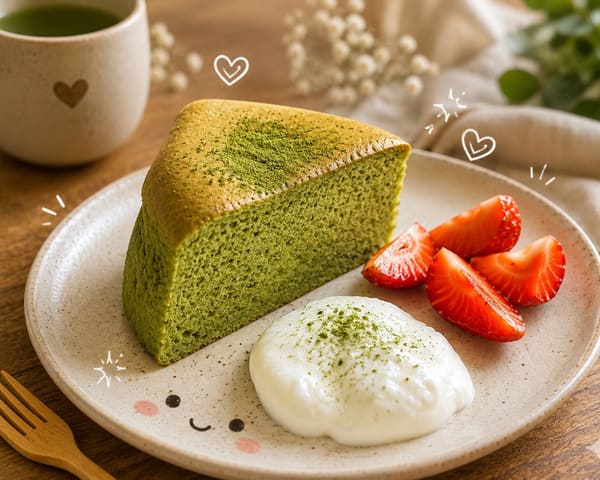
🍵 Balanced Matcha Soufflé Cake
A feather-light Japanese café dessert with matcha, Greek yogurt, and a signature cloudlike wobble.
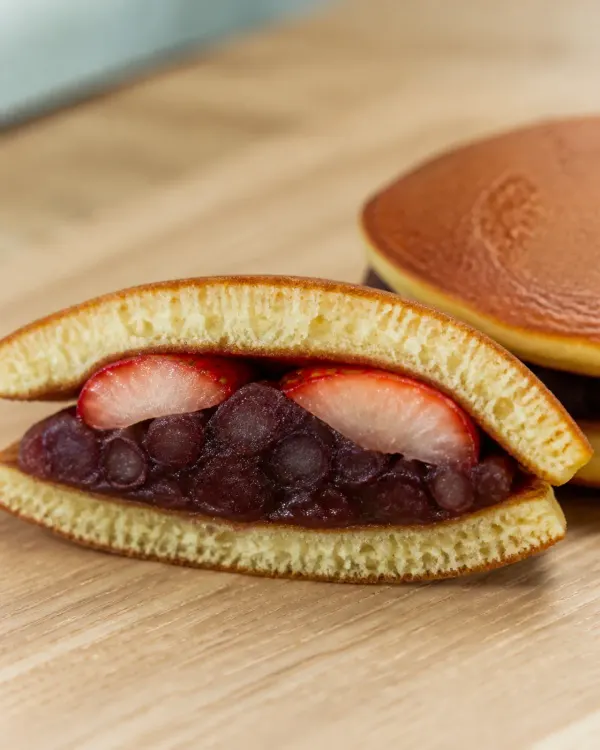
🥮 Balanced Dorayaki with Naturally Sweetened Anko
Soft honey pancakes filled with creamy adzuki beans, dates, and restrained sweetness.
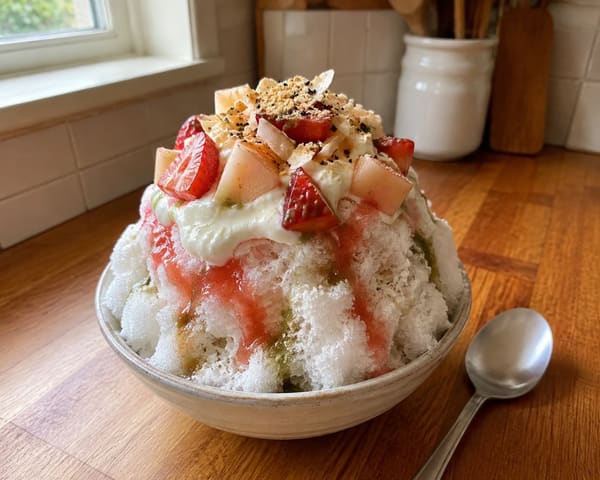
🍧 Balanced Strawberry-Peach Kakigori with Matcha Milk
Feather-light Japanese shaved ice layered with real-fruit sauce, vanilla yogurt, and a measured honey finish.