
🍓 Strawberry-Kiwi Fruit Sando
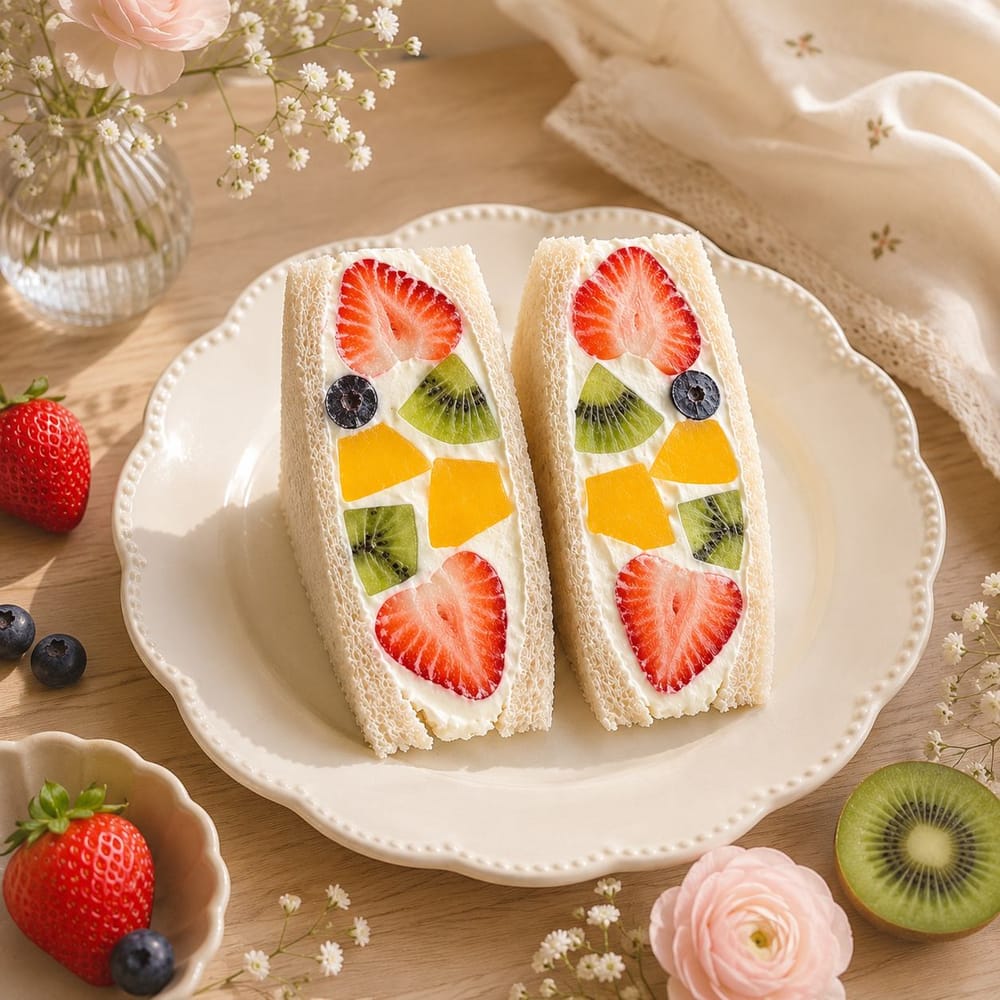
Fruit Sando is one of the most recognizable Japanese café treats: thick, cloud-soft bread enclosing whipped white cream and fruit positioned so carefully that the cut surface resembles a bright geometric pattern. Its appeal comes from contrast rather than complexity. The bread is tender, the filling is cool and smooth, and ripe fruit supplies color, acidity, fragrance, and juiciness.
Strawberries, kiwi, mango, and blueberries offer distinct colors and naturally different flavors. Every piece is washed, dried, trimmed, and positioned before assembly. Moisture control matters: wet fruit or watery yogurt can soften the bread and make the cream slide during cutting.
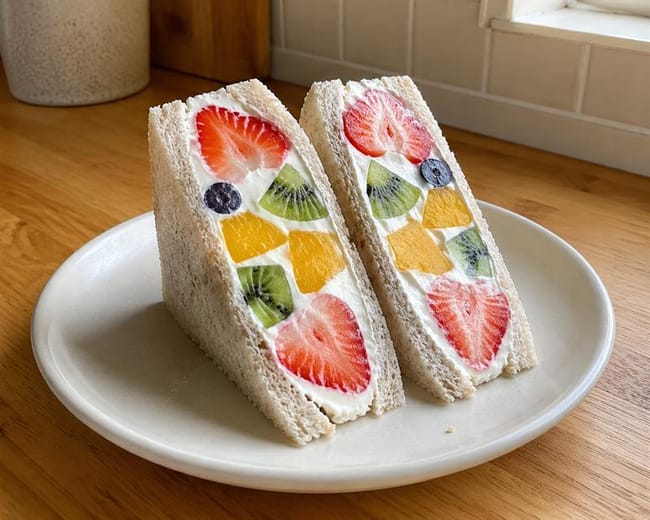
The most important stage is not mixing but mapping. Before the top bread slice is added, visualize exactly where the knife will pass and arrange the fruit along that line. This recipe makes four full sandwiches, each cut into two triangular halves.
Recipe Information
| Prep Time | 45 minutes, plus 30 minutes draining |
| Cook Time | 2 to 4 hours chilling |
| Total Time | About 3 hours 15 minutes |
| Servings | 4 complete sandwiches, each cut into 2 halves |
| Difficulty | Intermediate |
| Calories | ~365 kcal per sandwich |
Quick Highlights
- ✅ Strawberries, kiwi, mango, and blueberries for a bright pattern
- ✅ Greek yogurt and cream cheese for a protein-rich filling
- ✅ A small amount of gelatin stabilizes the geometric cross-section
- ✅ Whole-grain milk bread for extra fiber
- ✅ Careful fruit mapping before assembly
- ✅ Four generous, clearly defined portions
- ✅ Best chilled at least two hours before slicing
Ingredients
Makes 4 complete sandwiches








Step-by-Step Instructions
Drain the Yogurt and Organize the Chilling Space
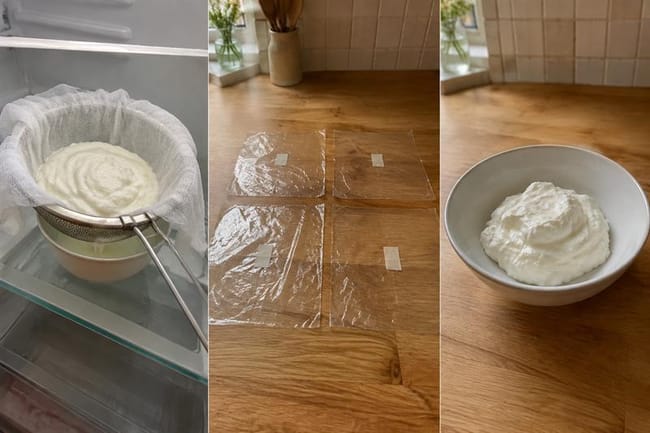
Line a fine sieve with cheesecloth and set it over a bowl. Add the Greek yogurt, cover, and refrigerate 30 minutes. Weigh 260 g of drained yogurt for the filling. Cut four sheets of wrap and mark each with a small removable arrow for the future cutting direction.
Wash, Dry, Trim, and Map the Fruit
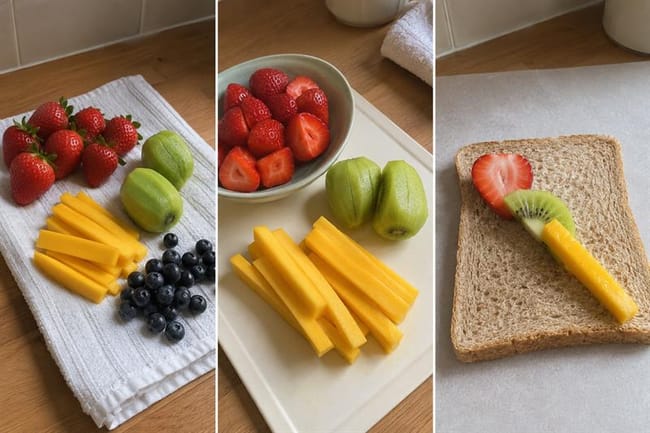
Rinse and dry all fruit meticulously. Hull strawberries, peel kiwi, and shape mango into batons. Place a bread slice on parchment and trace its square. Arrange one strawberry, one kiwi section, and one mango baton along the imagined knife line for each sandwich.
Bloom and Dissolve the Gelatin Correctly
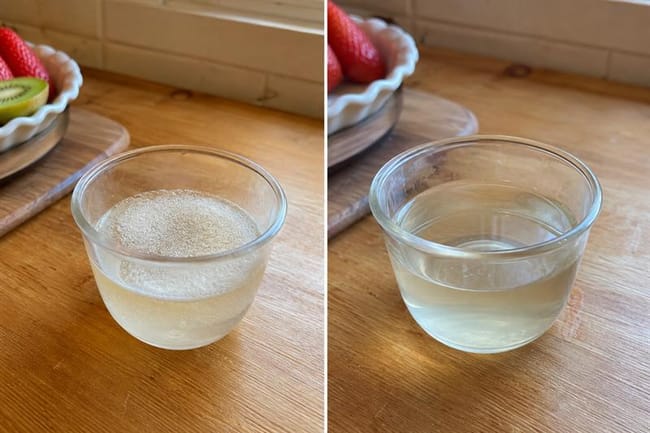
Pour the measured cold water into a small heatproof cup. Sprinkle gelatin evenly over the surface and leave untouched 5 minutes. Warm the bloomed gelatin briefly until just liquid and clear.
Make a Smooth, Stable Greek Yogurt Cream
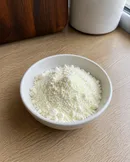
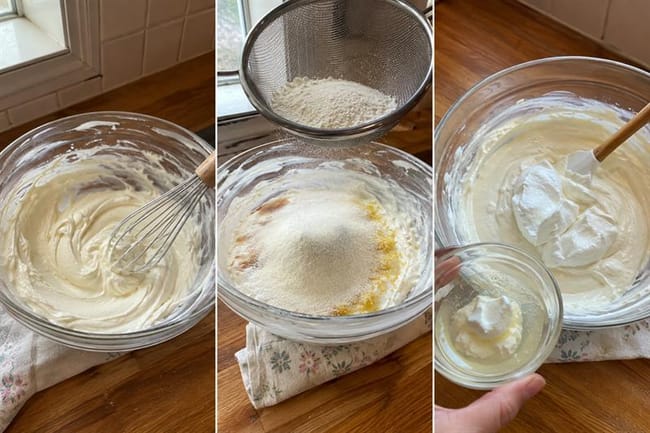
Beat the softened cream cheese until completely smooth. Sift in milk powder, then add honey, vanilla, lemon juice, zest, and salt. Incorporate drained yogurt in three additions, mixing on the lowest speed only until uniform.
Spread the Base Cream and Position the Central Fruit
Spread about two tablespoons of cream over each bread slice in an even 5 mm layer. Following each map, position the fruit intended for the cut line first, pressing gently until it settles halfway into the cream.

Fill the Gaps, Cover the Fruit, and Close
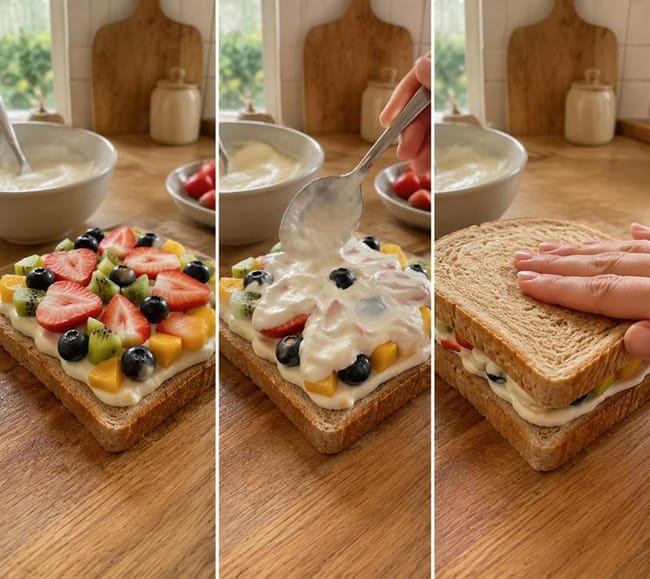
Nestle blueberries and smaller fruit pieces beside the central line, then spoon more cream into every gap. Cover the fruit with cream until only the highest contours are barely visible. Spread cream on the top slice and lower it horizontally onto the base.
Wrap, Mark, Weight Lightly, and Chill
Wrap each sandwich tightly enough to hold its square shape. Reinforce the cutting arrow on the outside. Set a light cutting board over the parcels, weighing no more than about 500 g total. Refrigerate at least 2 hours, preferably up to 4.
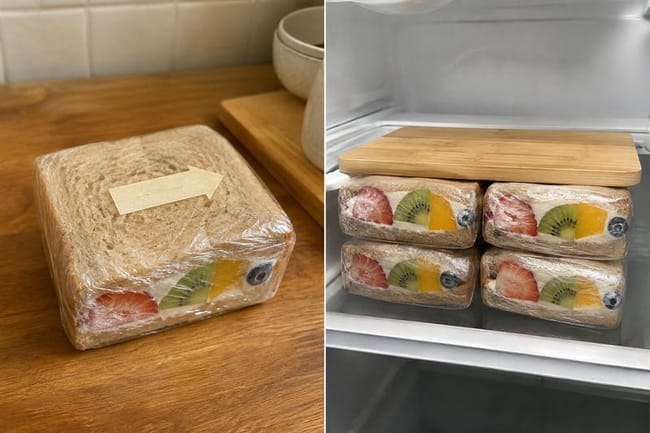
Trim, Slice, Reveal, and Serve Cold
Unwrap one sandwich at a time. Place the marked arrow parallel to the knife. Use a long, sharp serrated blade wiped clean and dried between cuts. Saw through with long, gentle strokes and almost no downward pressure.
Chef's Tips
Common Mistakes
Why This Recipe Was Designed This Way
This recipe is not medical treatment and cannot promise weight loss or reduced disease risk. It is a portion-conscious version of a beloved Japanese café treat that builds a protein-rich cream from Greek yogurt and cream cheese while keeping fresh fruit central to the experience. Its suitability depends on the complete diet and individual needs.
🌾 Whole-Grain Milk Bread
Whole-grain milk bread contributes fiber while retaining the soft, tender crumb that Fruit Sando is known for.
🥛 A Protein-Rich Filling
Greek yogurt, reduced-fat cream cheese, and milk powder create a stable, protein-rich filling without relying on heavy cream.
🍓 Fresh Fruit for Volume and Color
Strawberries, kiwi, mango, and blueberries supply volume, color, fiber, vitamins, and natural sugars in a visible geometric pattern.
🍯 Sweetness With a Light Touch
Honey remains added sugar, though its measured amount supports flavor rather than creating an overly sweet filling.
📏 Portion Is Part of the Design
Four sandwiches divide into eight neat triangular halves, making the serving visible and easy to repeat.
Ingredient Swaps
Need to customize this Balanced Strawberry-Kiwi Fruit Sando? These substitutions preserve the clean cross-section while adapting the recipe to different preferences.
| Instead of... | Try... |
|---|---|
| Whole-grain milk bread | Any soft, fine-crumbed white sandwich bread |
| Reduced-fat cream cheese | Full-fat block cheese (richer, more saturated fat) |
| Mild honey | Maple syrup, in a similar quantity |
| Mango | Ripe peach or nectarine, cut into batons |
| Fresh blueberries | Raspberries, used whole |
| Unflavored gelatin | Omit if yogurt is exceptionally thick and served promptly |
| Plain Greek yogurt | Thick unsweetened soy yogurt |
What Research Says
The ingredients in this recipe were selected because they reflect common principles in balanced sandwich patterns that combine whole grain, protein-rich dairy, and fresh fruit. The information below summarizes current nutrition research and is intended for educational purposes only.
🌾 Whole Grains
Whole-grain bread generally offers more fiber and micronutrients than refined white bread when used as a measured base.
- Associated with improved digestive health.
- Contributes to steadier post-meal energy.
- Useful as a moderate-portion carbohydrate base.
🥛 Dairy Protein
Greek yogurt and reduced-fat cream cheese together provide a protein-rich filling with less saturated fat than a cream-based version.
- Good source of complete protein and calcium.
- Lower in saturated fat than a heavy-cream filling.
- Sodium and fat content vary by brand.
🍓 Fresh Fruit
Strawberries, kiwi, mango, and blueberries contribute vitamin C, fiber, and antioxidant pigments while adding volume without significant calories.
- Excellent source of vitamin C across multiple fruits.
- Kiwi and mango contribute fiber and potassium.
- Blueberries provide anthocyanin pigments studied for antioxidant properties.
🍯 Natural Sweeteners
Honey provides sweetness along with trace antioxidant compounds compared to refined sugar alone.
- Contributes antioxidant compounds in small amounts.
- Still counts as added sugar requiring portion awareness.
- Dissolves easily into the cream for even sweetness.
Estimated Nutrition
Per serving
*Estimate for one of four sandwiches, including two triangular halves. Bread weight, drained-yogurt yield, and fruit size all change the result.
Storage & Reheating
Keep Fruit Sando tightly wrapped at 4°C or colder and eat within 12 hours for best texture. Properly dried, firm fruit may remain acceptable for 24 hours, but kiwi and strawberry gradually soften bread.
Refrigerating
Do not leave the sandwiches at room temperature beyond two hours, or one hour in very hot conditions.
Freezing
Freezing is not recommended because thawed fruit and yogurt release water, ruining the geometric cross-section and softening the bread.
Reheating
Not Recommended: This sandwich is designed to be served cold and does not require reheating.
Meal Prep Tips
The cream may be prepared several hours ahead. Wash and dry fruit in advance, but cut it near assembly. For efficient meal prep, drain yogurt, prepare wraps, and map fruit before mixing the cream.
Serving Suggestions
This Balanced Strawberry-Kiwi Fruit Sando pairs beautifully with simple, fresh accompaniments.
Unsweetened Green Tea: A warm, unsweetened tea cuts through the sweetness and echoes the dessert's Japanese café origins.
Sparkling Water with Lemon: A light, citrusy drink refreshes the palate between bites.
Extra Fresh Fruit: A few extra pieces of the same fruit on the side extend the fresh theme without added sugar.
Unsweetened Coffee: A simple black coffee balances the dessert's sweetness for an afternoon treat.
Light Herbal Tea: A caffeine-free tea pairs naturally with the fresh fruit and cream flavors.
Frequently Asked Questions
What is a Japanese Fruit Sando?
It is a chilled sandwich made with very soft bread, cream, and fresh fruit arranged to create an attractive cross-section. Japanese versions emphasize clean geometry, delicate texture, and seasonal produce.
Can I use ordinary whole-wheat sandwich bread?
Yes, if it is thick, soft, finely textured, and mild. A dry, thin, coarse, heavily seeded loaf can tear and overwhelm the fruit.
Why is my yogurt cream runny?
The yogurt may contain excess whey, the cream cheese may be a watery spread, or the gelatin may have been added incorrectly. Drain the yogurt, use block-style cream cheese, and temper the gelatin.
Can I omit gelatin?
You can if the Greek yogurt is exceptionally thick, the room is cool, and the sandwiches will be served promptly. The cream will be softer and cutting may be less clean.
Which fruits should I avoid?
Very watery, overripe, frozen, or canned fruit tends to leak. Watermelon and syrup-packed peaches are difficult choices. Fresh firm berries, kiwi, mango, and seedless grapes are more manageable.
Why did the fruit move when I sliced the sandwich?
It may not have been pressed into the base cream, gaps may have remained, or the parcel may have chilled too briefly. Surround fruit completely and chill at least two hours.
Should I remove the bread crusts?
Traditional café presentations often remove them for an entirely pale exterior. A soft, thin crust can remain, reducing waste and preserving fiber.
Does this Fruit Sando guarantee weight loss or blood-sugar control?
No. It contains fruit, whole grains, and protein, but it also provides bread, dairy, added sugar, and calories. One recipe cannot guarantee a medical or weight outcome.
Related Recipes
If you enjoyed this Balanced Strawberry-Kiwi Fruit Sando, you may also like these recipes from our Japanese Café Desserts collection.
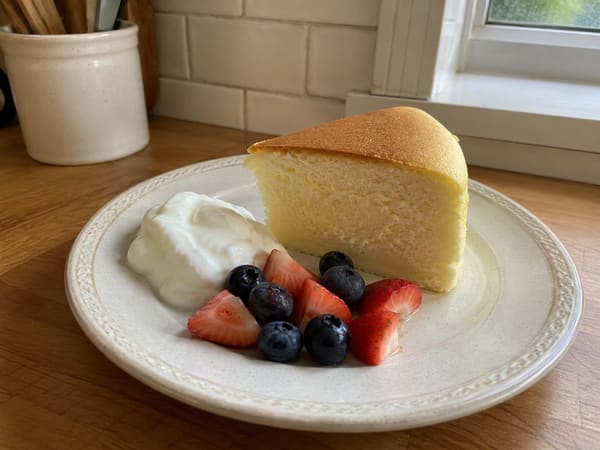
🍰 Balanced Japanese Cheesecake
A tall, cotton-soft cheesecake with lemon, Greek yogurt, and measured sweetness.
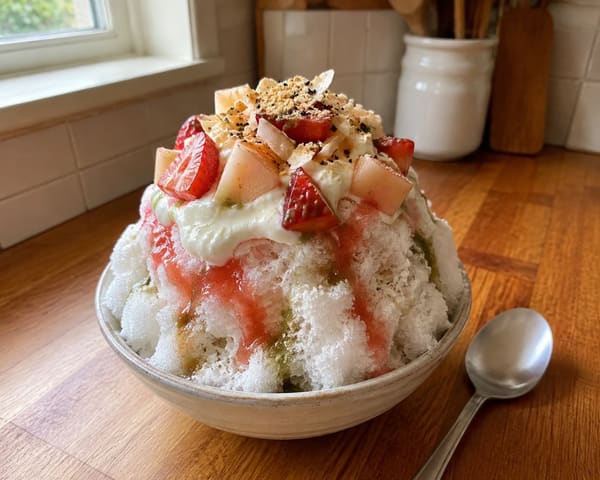
🍧 Balanced Strawberry-Peach Kakigori with Matcha Milk
Feather-light Japanese shaved ice layered with real-fruit sauce, vanilla yogurt, and a measured honey finish.
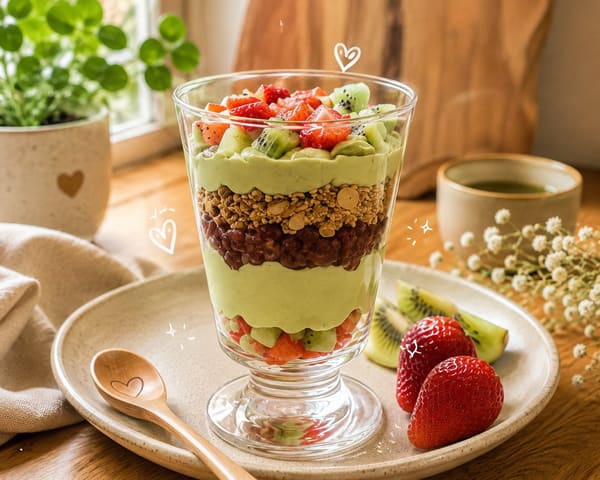
🍵 🍵 Matcha Parfait
A layered café dessert with vivid tea cream, fruit, crisp oat clusters, and soft rice dumplings.