
Balanced Mochi
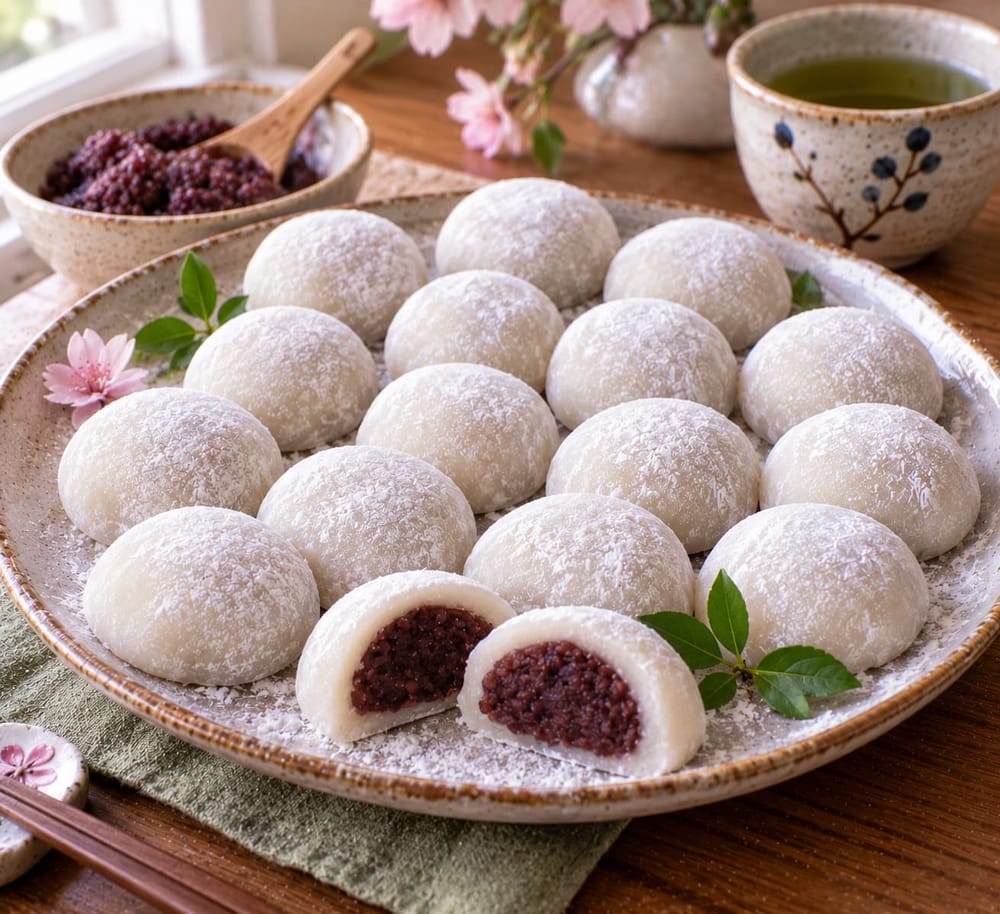
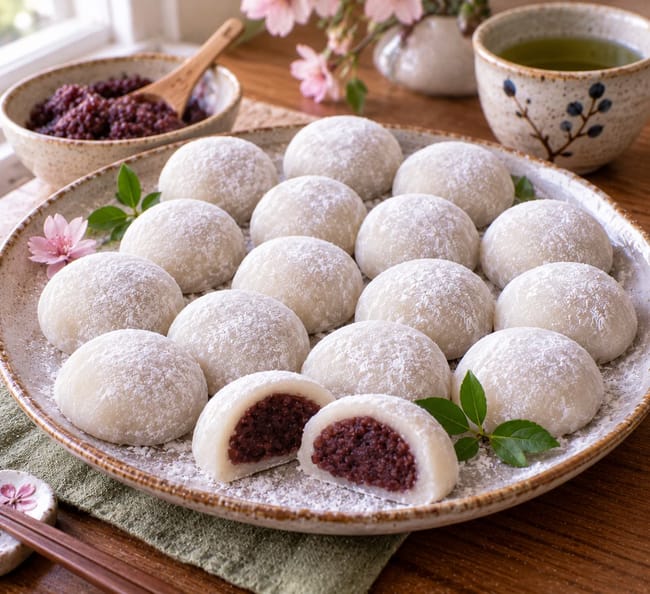
Mochi is an iconic Japanese sweet: an elastic, slightly sticky glutinous rice dough, traditionally wrapped around a sweet azuki bean paste filling, the whole dusted with a thin layer of starch to keep the dough from sticking. Unlike many Western desserts, mochi dough itself is naturally low in fat, containing no butter or cream; this dessert's main lightening lever lies elsewhere, in the filling. Traditional azuki bean paste, or anko, is often made with a sugar amount close to the weight of the beans themselves, making it the most sugar-heavy element of the dessert, more so than the dough.
The principle guiding this recipe is to precisely identify where the hidden caloric load sits in a dessert that seems simple and light. The glutinous rice dough, made only of glutinous rice flour, water, and a small amount of sugar, stays largely unchanged in this recipe: it already contains no fat to cut, and its signature elastic texture depends directly on precise proportions between flour and water, which tolerate no significant modification without compromising mochi's very structure.
It's therefore the azuki bean filling that represents the main opportunity for intelligent lightening. This recipe noticeably reduces the sugar used in preparing the paste compared to the traditional recipe, relying on a long, gentle cooking of the beans that naturally develops their own sweetness, allowing the added sugar amount to drop without the filling tasting bland. A touch of salt is added at the end of cooking, a technique that heightens perceived sweetness without adding calories, a well-known principle in baking.
The starch used to keep the dough from sticking, traditionally potato or corn starch, stays unchanged in this recipe: its role is purely technical and its already minimal amount contributes practically no significant calories, making it an element there's no need to rethink.
Success with this recipe depends mainly on steaming the glutinous rice dough long enough for it to become translucent and elastic, and on quickly shaping the filling into balls while the dough is still hot and pliable.
One serving is two filled mochi. It's a generous, satisfying portion thanks to the signature elastic texture, needing no third piece to feel satisfying.
Recipe Information
| Prep Time | 40 minutes |
| Cook Time | 35 minutes |
| Resting | 30 minutes |
| Total Time | About 1 hour 45 minutes |
| Servings | 8 servings (16 mochi) |
| Difficulty | Advanced |
| Calories | About 150 kcal each* |
Quick Highlights
- ✅ A smart choice that targets the hidden caloric load
- ✅ A filling rethought without sacrificing texture
- ✅ A classic technique to compensate for the sugar reduction
- ✅ A dough that's already naturally light
Ingredients







Step-by-Step Instructions
Cook the azuki beans
Rinse the azuki beans and cook them in a large pot of simmering water for 45 to 60 minutes, until very tender and easily mashed with a fork. Drain, reserving a bit of the cooking water.
Simmer gently rather than at a rolling boil, which helps the beans cook evenly without breaking apart too soon.

Sweeten and mash into a paste
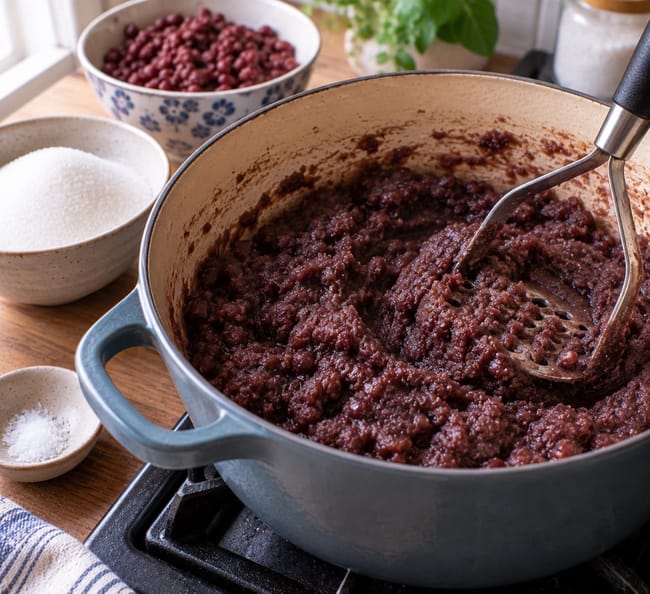
Return the drained beans to the pot with the sugar and a pinch of salt, and cook over low heat for 10 to 15 minutes, gradually mashing with a fork or potato masher, until you get a thick, even paste.
Mash gradually rather than all at once, checking the texture until it reaches a thick, spreadable paste.
Cool and shape the filling
Let the paste cool completely, then shape it into sixteen small, even balls using slightly damp hands. Set aside in the refrigerator while preparing the dough.
Shape with slightly damp hands to keep the paste from sticking, working quickly while it’s still pliable.

Prepare the glutinous rice dough
In a heat-safe bowl, mix the glutinous rice flour, sugar, and water until you get a smooth, lump-free batter.
Mix until completely smooth, since any lumps in the batter will show up in the finished dough.

Steam the dough
Cover the bowl with perforated plastic wrap and steam for 20 to 25 minutes, stirring halfway through, until the dough becomes translucent and elastic.
Steam until the dough turns translucent and glossy — this is the clearest sign it’s fully cooked through.

Dust and divide the dough
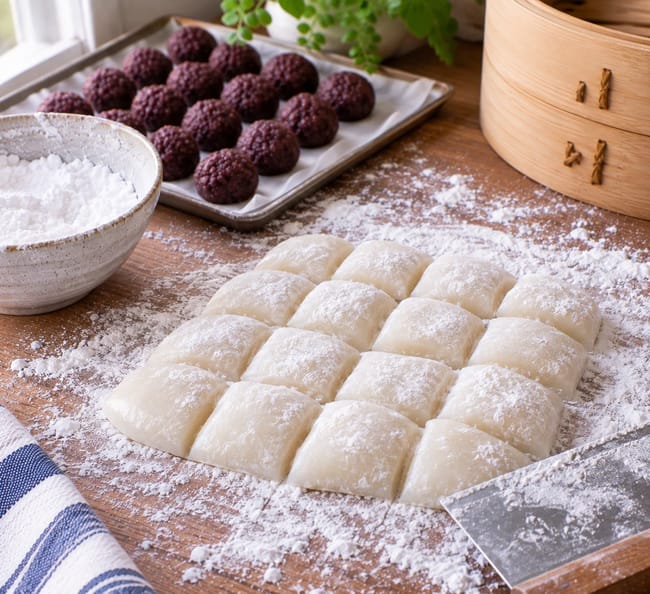
Generously dust a work surface with starch. Transfer the hot dough to this surface and divide it into sixteen equal portions using a knife or dough cutter dusted with starch.
Dust generously with starch before handling, since the dough is extremely sticky right out of the steamer.
Wrap the filling
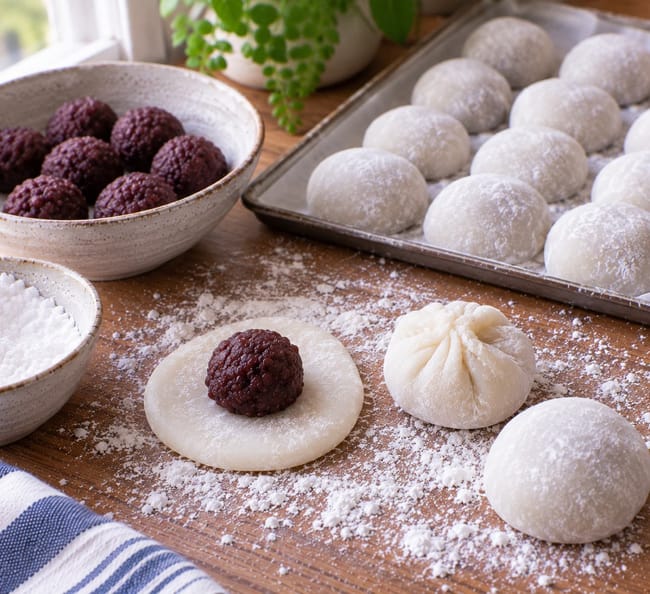
Flatten each dough portion into a disk, place a filling ball at the center, then carefully close the dough around it, pinching the edges to seal completely.
Wrap quickly while the dough is still warm and pliable, pinching the edges firmly to seal.
Finish and serve
Roll each shaped mochi in a bit of extra starch to remove excess stickiness, and arrange them on a serving plate.
Dust off the excess starch just before serving for a clean, matte finish.
Chef's Tips
Common Mistakes
Why This Recipe Was Designed This Way
This recipe illustrates the principle of intelligent ingredient choice applied to a dessert where fat isn't the main issue: the glutinous rice dough stays unchanged as it's naturally low in fat, while all the lightening effort concentrates on the filling's sugar, where the traditional caloric load actually hides.
A filling rethought without sacrificing texture
Reducing sugar in the azuki bean paste relies on long cooking that develops the beans' natural sweetness, allowing added sugar to drop significantly without the filling losing its signature smooth, melting texture.
A classic technique to compensate for the sugar reduction
Adding a pinch of salt at the end of cooking the filling heightens perceived sweetness, a well-established baking principle that allows sugar to be cut without losing taste satisfaction.
A dough that's already naturally light
Unlike many Western desserts, mochi dough contains no butter, cream, or egg, naturally making it one of the lightest desserts in fat among international classics.
Ingredient Swaps
Need to adapt the recipe? These substitutions maintain the character of the dish.
| Instead of... | Try... |
|---|---|
| Dried azuki beans | Canned, no-sugar-added azuki beans to save time |
| Granulated sugar for the filling | A natural low-glycemic sweetener, adjusted to taste |
| Glutinous rice flour | No direct substitute — this specific flour is essential to mochi’s chewy texture |
| Potato or corn starch | Either works interchangeably for dusting |
What Research Says
Azuki beans are a traditional source of plant protein and fiber in Japanese desserts, and keeping the added sugar in the filling modest — rather than very sweet, as some commercial versions are — lets that fiber content stand out more in the finished dessert’s overall profile.
Estimated Nutrition
Per serving
Values estimate one serving of two mochi, out of a total of eight servings. The exact amount of filling per piece and the glutinous rice flour brand slightly change the result.
Storage & Reheating
Store mochi in an airtight container at room temperature for up to a day, or refrigerated for up to three days; the dough progressively hardens in the cold, which is normal for this type of preparation.
Reheating
To restore a soft texture after refrigeration, microwave the mochi for a few seconds, just 5 to 8 seconds per piece, watching closely to avoid them becoming too soft or melting.
Freezing
Mochi freeze well individually wrapped then grouped in an airtight container, for up to a month. Thaw at room temperature for about 30 minutes before eating, the texture then getting close to the original.
Meal Prep Tips
The azuki bean filling can be made up to three days ahead and kept refrigerated in an airtight container, considerably simplifying assembly day. The glutinous rice dough, on the other hand, should always be prepared and used the same day for optimal texture.
Serving Suggestions
Serve at room temperature the same day for the best chewy texture; mochi firms up considerably once chilled, so bring refrigerated pieces back to room temperature before eating.
Frequently Asked Questions
Is mochi traditionally filled with azuki bean paste?
Yes, azuki bean-based anko is the most traditional and widespread filling in Japan, though modern versions also use ice cream or other sweet fillings. This recipe keeps traditional anko but noticeably cuts its sugar, making it a smart adaptation rather than the only possible version.
Can I use canned azuki beans to save time?
Yes, canned cooked azuki beans work well and cut preparation time; rinse them before use and adjust the sugar to taste, as some canned versions already contain salt or sugar.
Why is my mochi dough too sticky to work with?
This is normal and expected; mochi dough is naturally extremely sticky, which makes starch absolutely essential for shaping. Use it generously on your hands and the work surface.
Can I substitute regular rice flour for glutinous rice flour?
No, these two flours are fundamentally different; glutinous rice flour contains a specific type of starch responsible for mochi's elastic texture, which regular rice flour can't reproduce.
Can I reduce the filling's sugar even further?
A further reduction risks making the filling noticeably bland despite the beans' long cooking; the stated amount already represents a good balance between lightening and taste satisfaction.
Can I cook the dough in the microwave instead of steaming?
Yes, the microwave works well as an alternative: cook the dough in 1-minute increments at medium power, stirring between each, until you get the same translucent, elastic texture.
How do I know if the dough is cooked enough?
The dough should become completely translucent, with no opaque or whitish patches, and show clear elasticity when gently stretched with a spoon.
Is this recipe appropriate for kids?
The dish generally works well, but mochi's elastic texture poses a choking risk for very young children; supervision is recommended and small portions are advised.
Can I fill the mochi with something other than azuki paste?
Yes, fresh fruit cut into small pieces or a thick fruit purée work well as an alternative, keeping in mind that texture and shelf life may vary.
Does this recipe guarantee weight loss?
No. It remains a sweet containing sugar, even when intelligently rethought compared to the traditional version; results depend on overall diet, activity, and individual factors. Anyone pursuing a specific health goal should seek personalized professional guidance.
Related Recipes
If you enjoyed this Balanced Mochi, you may also like these recipes from our 🍣 Japanese Favorites collection.
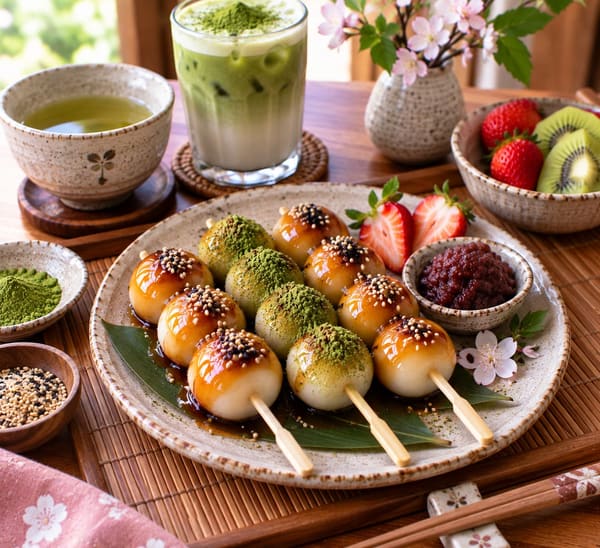
🍡 Healthy Dango
Dango are one of the most charming and recognizable Japanese sweets.
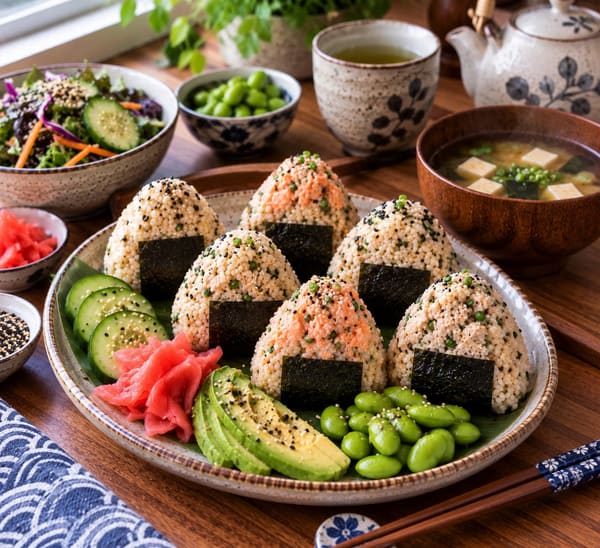
🍙 Healthy Onigiri
Onigiri are one of Japan's most beloved everyday foods.

🍱 Healthy Omurice
Omurice is one of Japan's most comforting and playful home-style dishes.