
Balanced Moroccan Chicken Rfissa
Reviews)
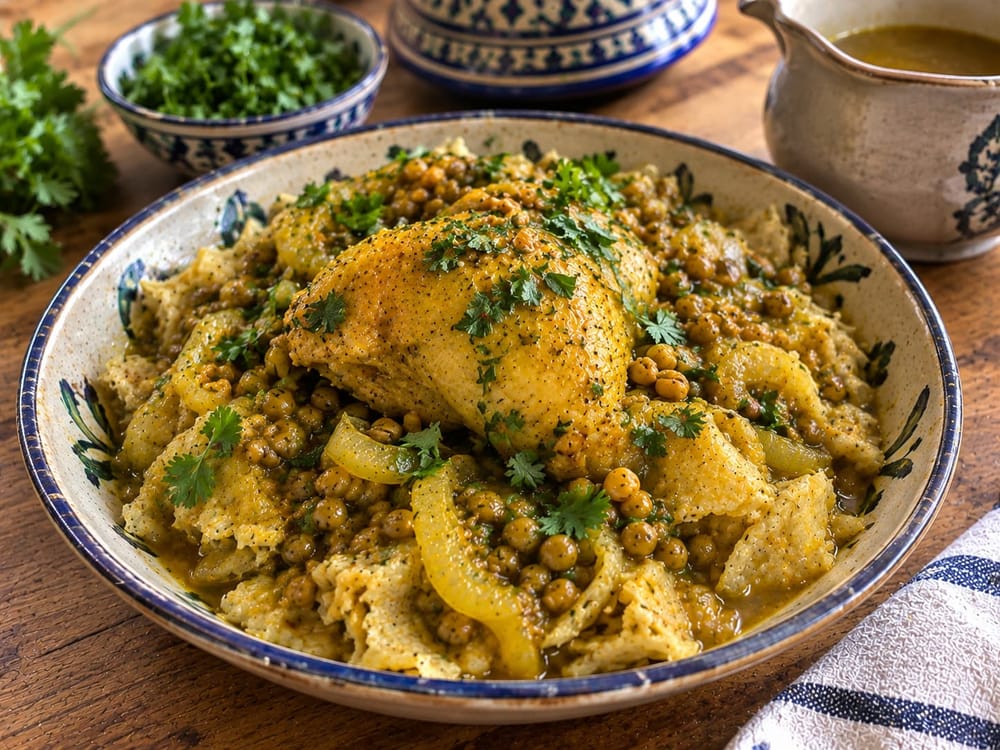
“Everything people cherish about Moroccan rfissa—tender saffron chicken, deeply softened onions, earthy lentils, distinctive fenugreek, warm ras el hanout and ribbons of trid or msemen drinking in a golden broth—prepared with skinless chicken, measured olive oil, a modest touch of smen and whole-grain flatbread for a generous dish that remains unmistakably traditional.”
A comforting Moroccan centrepiece where aromatic broth transforms torn flatbread into something richly savoury, tender and celebratory.
Rfissa is one of Morocco’s great dishes of hospitality. Chicken is slowly cooked with abundant onions, saffron, ginger, ras el hanout, herbs, lentils and fenugreek seeds, known as helba. The fragrant broth is then spooned over torn trid pastry or msemen so every ribbon softens while retaining enough character to carry the chicken and pulses.
The dish is traditionally served on a large communal platter and is associated with family gatherings and meaningful moments of care. Its appeal is not based on elaborate decoration. It comes from the way a humble foundation of bread receives an exceptionally perfumed sauce, creating a meal that feels abundant, warming and deeply connected to Moroccan home cooking.
Good rfissa requires control. The onions should nearly dissolve into the broth rather than remain sharp. Chicken must become tender without turning stringy. Lentils need to hold their shape, while fenugreek contributes its characteristic bittersweet fragrance without becoming aggressive. Finally, the trid must absorb enough liquid to taste seasoned but not so much that the platter becomes a uniform paste.
Traditional family versions may use a whole chicken with skin, a generous pour of oil, richly greased msemen and a noticeable amount of smen. Those choices create an extraordinary feast, yet they can also make each portion heavier in total fat, saturated fat and calories than some readers want for a more regular family meal.
This adaptation keeps the cultural architecture intact. It does not remove lentils, fenugreek, onions, ras el hanout or the bread base, because those elements define rfissa. Instead, skinless thighs and breast balance tenderness with leanness; olive oil is measured; smen becomes an optional teaspoon for aroma; and a whole-grain flour blend adds fibre to the trid or msemen without disguising its familiar texture.
The finished platter remains recognisable: soft ribbons of bread beneath a golden onion broth, distinct lentils and fenugreek, succulent chicken and fresh herbs. One individual portion feels generous when served with broth carefully controlled, allowing every forkful to contain bread, pulses, onions and meat rather than a pool of oil.
Recipe Information
| Prep Time | 40 minutes |
| Cook Time | 1 hour 25 minutes |
| Total Time | About 10 hours |
| Servings | 8 |
| Difficulty | Intermediate |
| Calories | ~490 kcal / serving* |
Quick Highlights
Ingredients
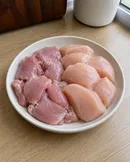
Makes one generous family platter, serving 8.


Step-by-Step Instructions
Soak, Rinse & Organise the Aromatics
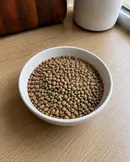
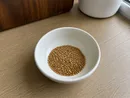
The night before cooking, cover the fenugreek seeds generously with cool water. Leave for 8 hours, then drain and rinse well. Discard the soaking water, which can carry an unnecessarily intense bitterness.
Sort and rinse the lentils until the water runs clear. They may be soaked for 1–2 hours if desired, but keep them separate from fenugreek because their cooking behaviour differs.
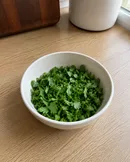
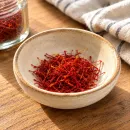
Crush the saffron and bloom it in two tablespoons warm water. Chop the cilantro and parsley leaves, then tie the clean stems with kitchen string. Measure every spice before heating the pot; this prevents delicate garlic or onions from burning while quantities are searched for.

Build the Soft Onion & Spice Base
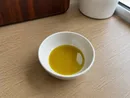
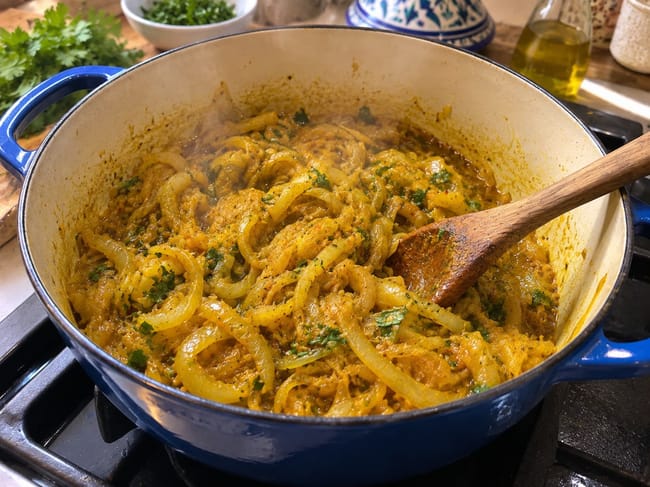
Warm the olive oil in a wide heavy pot over medium-low heat. Add the sliced onions and cook for 12–15 minutes, stirring regularly, until collapsed, translucent and lightly golden around a few edges.
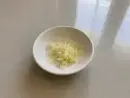
Add garlic, ginger, turmeric, ras el hanout, cinnamon and black pepper. Stir for 45 seconds, keeping the heat controlled so the spices bloom without scorching. Pour in the saffron infusion and add half the chopped herb leaves.
The onions will not yet be completely dissolved. Their long transformation continues while the chicken braises. At this stage, the mixture should smell warm and floral, with no raw garlic or powdery spice remaining.
Braise the Chicken Gently
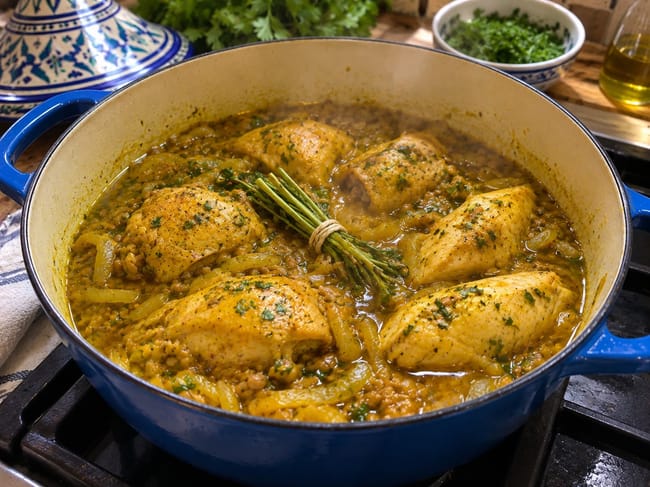
Nestle the chicken pieces into the onion mixture in a single layer and turn them once to coat. Add the tied herb stems and pour in 1.2 litres of hot stock or water. Bring only to a gentle simmer.
Cover and cook over low heat for 25 minutes. Check breast pieces first and remove them once they reach 74°C (165°F). Continue cooking thighs for another 10–15 minutes if necessary, until equally safe and tender.
Transfer all cooked chicken to a covered tray. Keeping the pieces whole for now protects moisture. Leave the onion broth in the pot; it should already appear golden and deeply aromatic.
Cook the Lentils & Fenugreek
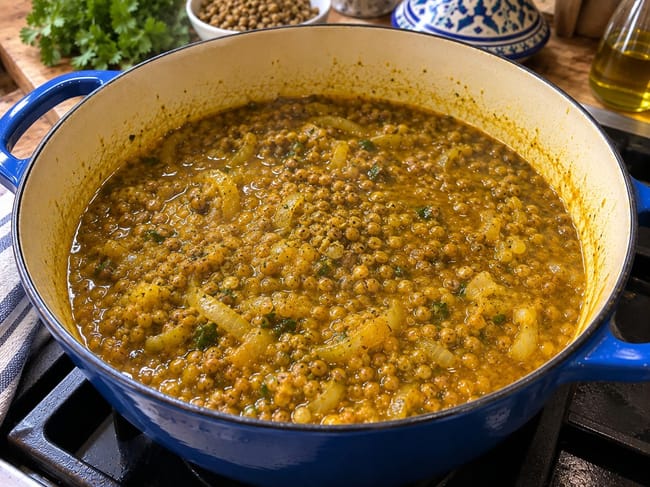
Add the drained lentils and fenugreek to the simmering onion broth. Pour in the remaining 300 ml hot liquid and stir once to distribute the pulses without breaking the softened onions.
Simmer uncovered or partially covered for 25–35 minutes. Begin checking after 22 minutes. Lentils should be tender but still hold their shape; fenugreek should soften while retaining a small pleasant bite.
Stir gently every few minutes and add splashes of hot water if the liquid drops below the pulses. Remove the herb bundle. Do not let the pot become dry, because rfissa needs enough broth to season the bread at assembly.
Warm & Tear the Trid or Msemen
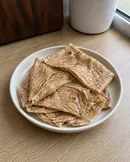
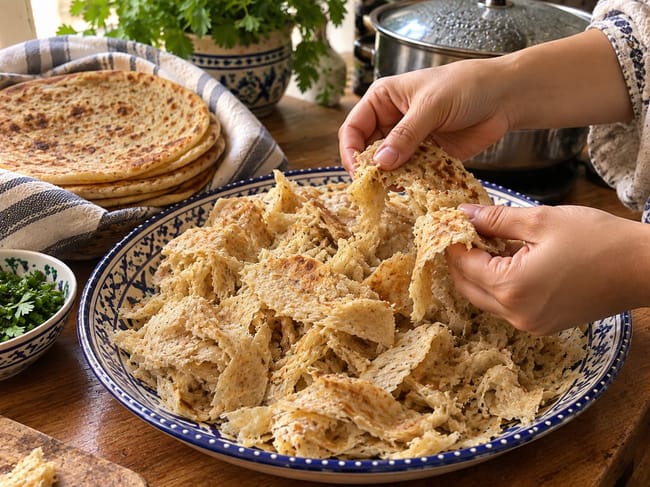
While the pulses cook, warm the trid or msemen briefly in a steamer, covered skillet or low oven. The pieces should become supple and fragrant, never toasted hard.
Tear them by hand into irregular ribbons approximately 2–3 cm wide. Separate any thick folded sections so broth can reach the inner layers. Place the ribbons loosely on a large platter or divide them among eight shallow bowls.
Do not compress the bread. Small gaps allow the first ladles of broth to circulate. If the msemen feels oily, blot its surface lightly with clean paper before tearing rather than rinsing it or drying it in the oven.
Finish & Balance the Broth
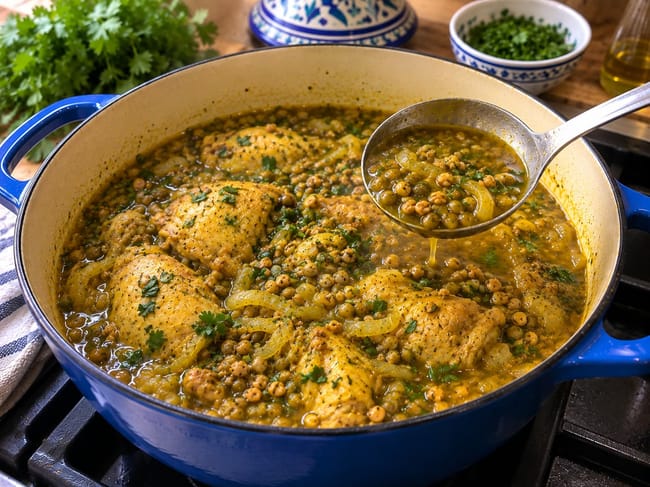
Return the chicken pieces to the pot for 5 minutes, just long enough to reheat and exchange flavour with the cooked pulses. Stir in the optional teaspoon of smen and the remaining chopped herbs.
Taste the liquid before adding salt. It should be aromatic and slightly more seasoned than a soup because the unsalted bread will soften its intensity. Add hot water if overly concentrated, or simmer uncovered for several minutes if thin.
The correct broth flows easily from a ladle but lightly coats its back. A visible layer of oil should not float across the top. Skim excess fat if necessary, and keep the pot at the gentlest simmer until assembly.
Layer the Rfissa Carefully
Spoon a small amount of hot broth over the torn bread and wait 30 seconds. Toss very gently with two forks, then add another ladle only where dry patches remain. This gradual method prevents the bottom from becoming saturated before the top is seasoned.
Distribute most of the onions, lentils and fenugreek over the moistened ribbons. Arrange the chicken pieces on top, placing thighs and breast portions evenly around the platter or among the bowls.
Spoon additional broth around, not directly over, the crispest visible edges. Reserve extra liquid in a warm jug so each person can adjust softness at the table.
Garnish & Serve Immediately
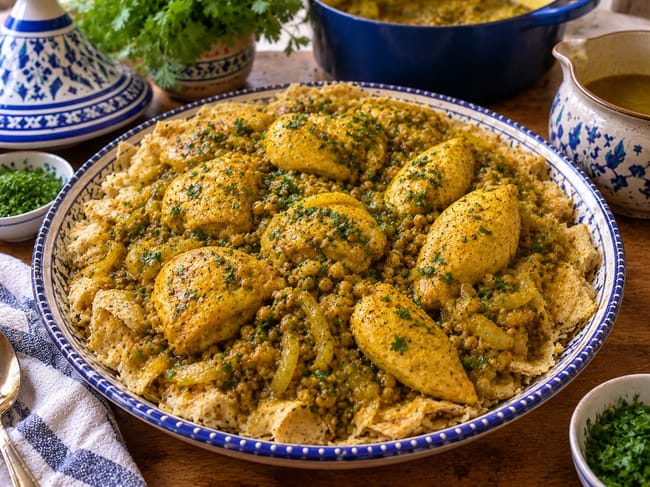
Finish with the reserved cilantro and parsley. Let the assembled dish stand for 2–3 minutes so the bread absorbs flavour while some ribbon edges remain visible.
For an individual serving, place a balanced amount of bread, lentils, onions and one portion of chicken in a shallow bowl. Add one small ladle of broth around the base. The serving should look succulent and abundant, not flooded.
Serve immediately while the aromas of fenugreek, saffron, ginger and warm bread are vivid. Offer extra broth separately and encourage guests to add it gradually.

Chef's Tips
Common Mistakes
Why This Recipe Was Designed This Way
The bread should be tender and saturated with flavour while several irregular ribbons remain visible. It must not resemble dry pasta, yet it should not collapse into a single purée. A fork should lift bread, onions and lentils together.
Chicken remains juicy, with a pale golden surface and clean fibres. The onions almost disappear into the broth, giving it body without creating a thick blended sauce. Lentils retain their round shape, and fenugreek seeds appear as smaller golden-brown points.
The first aroma is warm bread and chicken, followed by saffron, ginger, ras el hanout and the bittersweet signature of fenugreek. No spice should taste dusty or harsh. Smen, when included, remains a deep savoury background note.
The broth should look naturally golden and slightly cloudy from onions and lentil starch. A few glistening droplets are normal, but a continuous oil slick indicates that too much fat was used or not skimmed.
For plating, keep the chicken visible without covering every ribbon. Scatter herbs loosely rather than forming a decorative mound. The dish is generous and homely; visual authenticity comes from real absorbed broth and uneven bread edges, not symmetry.
## 👨🍳 Chef’s Tips
### Soak Fenugreek Overnight
Soaking softens the seed and moderates its sharpest bitterness. Always discard the soaking water and rinse before cooking.
### Keep Lentils Separate Until Cooking
Fenugreek and lentils need different preparation. Soaking them together makes it harder to control texture and bitterness.
### Use Plenty of Onion
Four onions are structural, not excessive. They dissolve into the broth and provide body that would otherwise require more oil.
### Avoid Deep Caramelisation
Rfissa needs soft, saffron-coloured onions, not the roasted sweetness of French onion soup. Cook gently and stir often.
### Remove Breast Pieces Promptly
Breast reaches safe temperature before thick thighs. Removing it at 74°C protects moisture while the remaining pieces finish.
### Keep Chicken Pieces Whole
Whole pieces retain juice and make the platter recognisable. Shred only if serving readers who require a softer, easier-to-chew texture.
### Choose Lentils That Hold Shape
Green or brown lentils remain distinct. Red lentils dissolve quickly and change the expected appearance of the broth.
### Warm Bread Before Tearing
Warm msemen bends and separates cleanly. Cold pieces can crack into hard fragments that absorb broth unevenly.
### Tear, Do Not Slice
Irregular hand-torn edges catch sauce and preserve the homemade identity of rfissa better than perfectly uniform knife-cut strips.
### Add Broth Gradually
The bread continues absorbing after assembly. Two light additions are easier to control than one heavy pour.
### Reserve a Jug of Broth
Guests prefer different textures. Separate hot broth lets everyone moisten their portion without making the entire platter soggy.
### Use Smen as an Accent
One teaspoon perfumes the pot. Adding it at the end preserves its aroma and avoids needing a larger amount.
### Taste After Reduction
Stock, bread and smen all contribute salt. Final tasting prevents a well-seasoned broth from becoming excessive once absorbed.
### Do Not Overcook the Lentils
They should be tender but visible. A rolling boil breaks their skins and creates a muddy, overly thick sauce.
### Skim Excess Surface Fat
A few golden droplets look appetising; a full oily layer makes bread heavy. Skim gently before returning the chicken.
### Photograph Before the Bread Collapses
Capture the hero within several minutes of assembly, while the ribbons are moist but still defined and natural steam remains.
This is not a medical recipe. It cannot lower cholesterol, balance hormones, improve lactation or guarantee weight change. It is a thoughtful adaptation of a traditional meal that moderates visible fat and sodium while preserving its essential ingredients and generous character.
🍗 Skinless Chicken
Chicken provides complete protein, vitamin B12, niacin, selenium and phosphorus. Removing the skin reduces saturated fat compared with cooking and serving the same cuts skin-on. Combining thigh and breast protects tenderness while avoiding the need for a large oil addition. Protein may support meal satisfaction, but individual fullness depends on the whole meal and personal needs.
🫘 Lentils
Lentils supply plant protein, dietary fibre, folate, iron, potassium and magnesium. Their fibre and texture complement the chicken and bread, making the dish more varied than a meal based only on refined starch and meat. They are not a medicine, and their iron is non-heme. Nutrition claims should remain proportionate to the serving and the rest of a person’s dietary pattern.
🌱 Fenugreek
Fenugreek is culturally central to rfissa and contributes a distinctive aroma. It is often surrounded by traditional health beliefs, particularly in relation to postpartum care. This recipe makes no therapeutic or lactation claim. Fenugreek may interact with medications or be unsuitable for some people in concentrated supplemental forms. Here it is presented as a measured culinary ingredient, and readers with medical concerns should seek professional advice.
🧅 Onions, Herbs & Spices
Abundant onions create body and natural sweetness while herbs, saffron, ginger, turmeric and ras el hanout build complexity with modest salt. These ingredients contain naturally occurring plant compounds, but ordinary culinary amounts do not diagnose, prevent or treat disease.
🌾 Whole-Grain Trid or Msemen
Using a partial whole-grain flour blend can add fibre while retaining the flexibility and flavour expected from the bread base. A fully dense whole-wheat flatbread may absorb broth differently, so balance matters. Msemen still contributes a substantial portion of the meal’s carbohydrates and calories. The adaptation measures the cooked amount rather than describing it as unlimited because it contains whole grain.
🫒 Olive Oil & Smen
Measured olive oil supplies mostly unsaturated fat and carries spice aromas. Optional smen preserves a traditional flavour in a teaspoon rather than becoming the main cooking fat. All fats are energy-dense. The benefit comes from quantity and cooking method, not from treating any oil as calorie-free.
🍲 The Complete Bowl
One serving combines animal and plant protein, lentils, onions, herbs and bread. Gradual broth addition keeps the portion satisfying without turning it into an uncontrolled pool of fat or liquid. A side of fresh cucumber, tomato or citrus salad can add crispness and vegetables, but it should remain separate so its acidity and water do not alter the bread.
🧠 Cultural Context & Honest Adaptation
Rfissa is connected with hospitality, care and family life. Those meanings deserve respect. A balanced adaptation should not label the traditional dish as bad or claim that a few ingredient changes transform it into treatment. The practical changes here are transparent: skinless chicken, measured oil, lower-sodium liquid, optional minimal smen and a partial whole-grain bread. Fenugreek, lentils, onions and the bread-and-broth structure remain intact.
🍽️ Portion Context
One eighth of the platter is a useful planning reference, not a universal prescription. Appetite, age, activity, health needs and the rest of the table vary. Serve a smaller portion at a multi-course feast or a fuller bowl when rfissa is the main meal.
Ingredient Swaps
| Instead of... | Try... |
|---|
What Research Says
This dish’s combination of lentils and chicken provides both plant and animal protein in one bowl, while the broth-soaked bread base makes it easier to control portion size of the bread itself compared to serving a larger loaf on the side.
Estimated Nutrition
Per Serving
The estimate describes the food, not an outcome for the person eating it. Energy needs, medication, health conditions and appetite vary, and no published table can replace individual professional guidance.
Storage & Reheating
Refrigerating
For best texture, store bread and chicken-lentil broth separately. Cool both within two hours, transfer to airtight containers and refrigerate for up to 3 days.
If leftovers are already assembled, store them for up to 2 days. The bread will become softer but remains safe when cooled and handled correctly.
Reheat the chicken, lentils and broth gently in a covered saucepan until steaming hot. Add a splash of water if thickened. Warm the bread separately in a steamer or covered skillet, then assemble.
For an already assembled portion, reheat covered at 165°C (330°F) for 15–20 minutes with one spoonful of broth. Stirring in a microwave damages presentation but may be used when necessary; ensure even heat throughout.
Freezing
Freeze the chicken, lentils and broth together for up to 2 months. Cool completely, portion into freezer-safe containers and leave expansion space. Thaw overnight in the refrigerator before reheating.
Freeze msemen or trid separately between parchment sheets for up to 2 months. Do not freeze an assembled platter, because bread texture becomes excessively soft.
Reheating
Meal Prep Tips
Soak fenugreek overnight and prepare msemen up to several weeks ahead for freezing. Lentils can be sorted and measured in advance, while spices may be portioned into one covered bowl.
Cook the chicken and broth one day ahead if desired. Chilling makes surface fat easier to identify and remove. Reheat gently, then cook or finish the pulses without repeatedly boiling the chicken.
Tear the warmed bread shortly before serving. Pre-torn pieces dry quickly unless covered, and dry edges absorb broth less evenly.
For relaxed entertaining, place hot extra broth in a heatproof jug and build the platter only when everyone is ready. Prepare fresh salad separately and dress it at the final minute.
Serving Suggestions
Serve hot in a large shared dish, ladling extra warm broth over the top just before bringing it to the table so the bread stays moist.
Frequently Asked Questions
Can I make rfissa without fenugreek?
Yes, but its defining aroma will be reduced. Use a smaller quantity before omitting it entirely if bitterness is the concern.
Can I use only chicken breast?
Yes. Remove it at 74°C and avoid prolonged reheating. The broth will be lighter and the meat less succulent.
Can I use only chicken thighs?
Yes. Trim visible fat carefully; the texture will be richer and the nutrition estimate will change.
What can replace trid?
Shredded msemen is the closest accessible option. Plain day-old bread can work in a practical home version, but creates a different texture.
Can I use red lentils?
They are not ideal because they break down quickly. Green or brown lentils better preserve the characteristic visible pulses.
Why is my rfissa bitter?
The fenugreek was not soaked and drained, too much was used, or the spices scorched in the onion base.
Why did the bread become mushy?
Too much broth was added at once or the assembled platter waited too long. Moisten gradually and serve promptly.
Can I prepare it the day before?
Yes. Store bread separately from chicken and broth, then reheat and assemble near serving time.
Is this recipe halal?
Yes, when the chicken, stock, smen, bread and all seasonings are halal-compliant.
Does rfissa improve lactation or postpartum recovery?
This recipe makes no such claim. Traditional use does not replace personalised medical advice, and anyone with concerns should consult a qualified professional.
Related Recipes
If you enjoyed this Moroccan rfissa, here are a few more recipes worth trying.
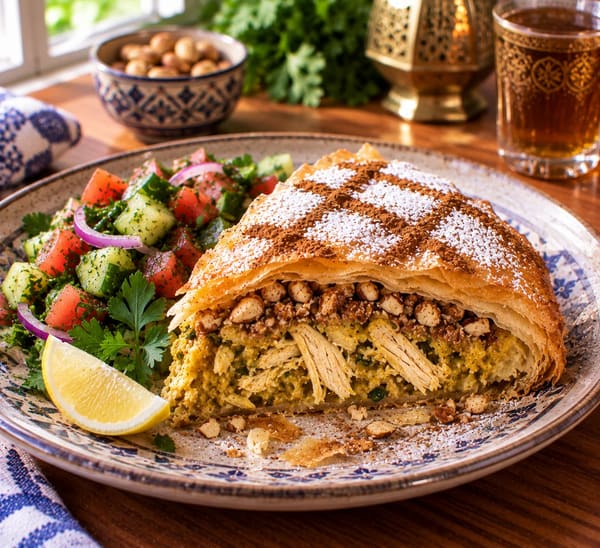
🥧 Chicken Pastilla
Morocco’s celebrated sweet-and-savoury pie, with spiced chicken, almonds and crisp pastry.
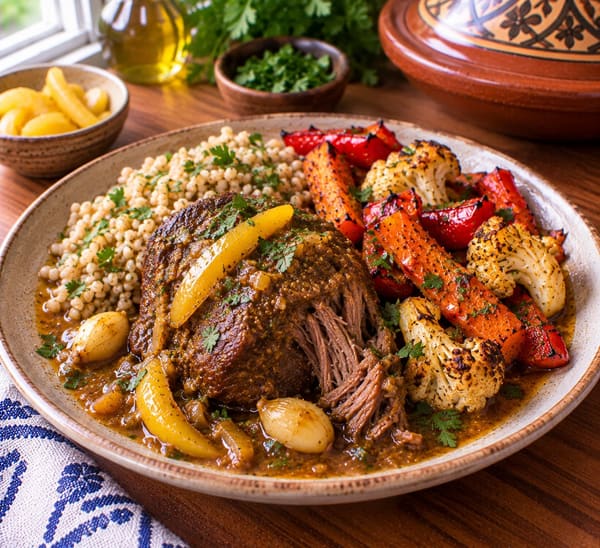
🍯 Beef Tangia
Marrakech’s legendary slow-cooked beef with garlic, cumin, saffron and preserved lemon.
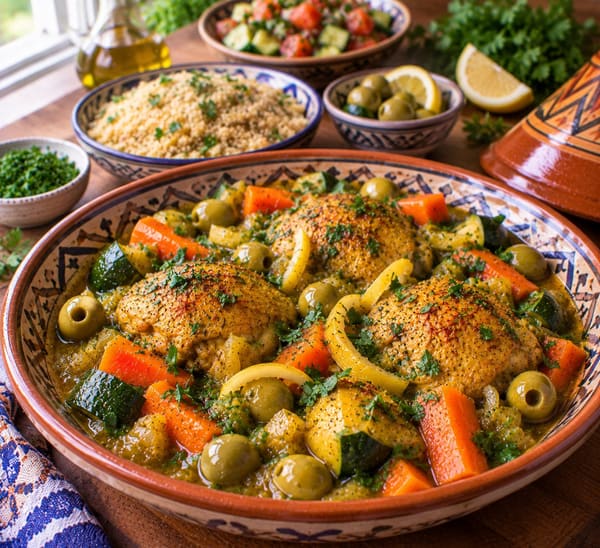
🍋 Healthy Chicken Tagine with Preserved Lemon & Olives
Tender chicken in a golden saffron sauce with preserved lemon and olives.