
Marrakech Beef Tangia
Reviews)
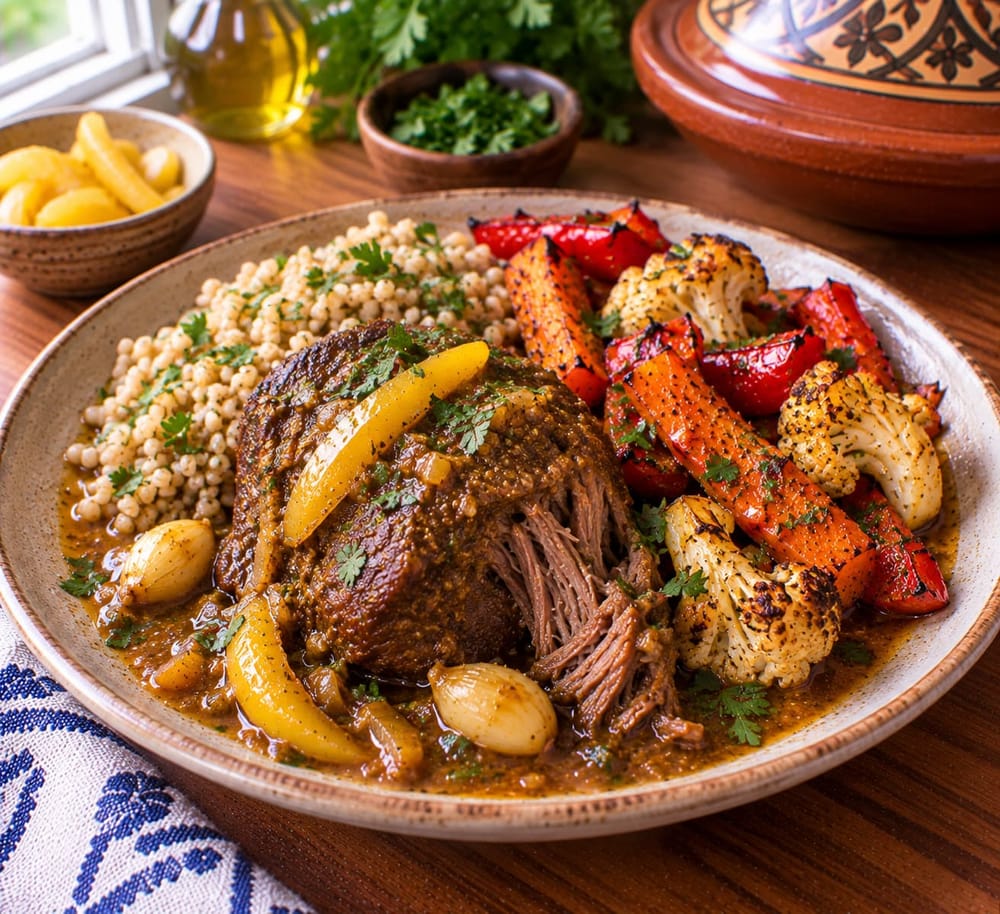
“Everything people remember about an authentic Marrakchi tangia—large pieces of beef cooked until spoon-tender, generous cumin, mellow whole garlic, floral saffron, intensely fragrant preserved lemon, a glossy concentrated sauce and the unmistakable savoury note of smen—carefully rebuilt with well-trimmed beef, a measured portion of preserved butter and olive oil, lower-sodium seasoning and colourful vegetables served alongside rather than cooked inside the urn.”
A legendary Marrakech speciality shaped by patience, fire and remarkably few ingredients.
Tangia is not simply another Moroccan stew. It belongs specifically to Marrakech, where the word describes both the tall clay urn and the meat dish slowly cooked inside it. Traditionally, large pieces of beef or mutton are placed directly into the vessel with garlic, cumin, saffron, preserved lemon, olive oil and smen. The mouth is covered, the jar is taken to the neighbourhood furnace, and hours of residual heat transform those robust ingredients into meat that almost collapses under its own weight.
Unlike a vegetable tagine, a classic tangia is deliberately focused on meat and aromatics. There is usually no bed of onions, no decorative arrangement of vegetables and no complicated sauce technique. The character comes from concentration: garlic becomes sweet, cumin grows warm and earthy, preserved lemon releases its savoury citrus oils, and connective tissue slowly turns into a rich natural sauce.
That simplicity is exactly why the ingredients and portions matter. Some restaurant versions contain very fatty pieces of meat, a liberal amount of smen and oil, and enough preserved lemon or salt to make the sauce extremely rich. Delicious as an occasional experience, such a serving can be heavier in saturated fat and sodium than many readers want for a regular home meal.
This adaptation respects the structure of tangia instead of filling the urn with vegetables and turning it into a different stew. The beef is carefully trimmed but still chosen from a cut with enough connective tissue for long cooking. One teaspoon of smen preserves the historic flavour, while a tablespoon of olive oil is sufficient to carry the spices. Rinsed preserved lemon and lower-sodium stock make the final seasoning easier to control.
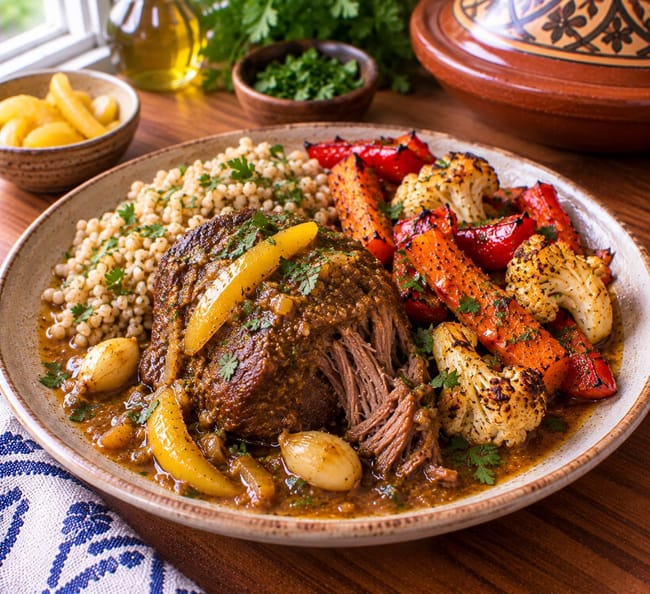
The vegetables appear beside the tangia, not inside it. Roasted carrots, cauliflower and peppers bring colour, fibre and satisfying volume while allowing the clay-pot beef to remain culturally recognisable. A modest serving of barley or whole-wheat couscous can complete the plate.
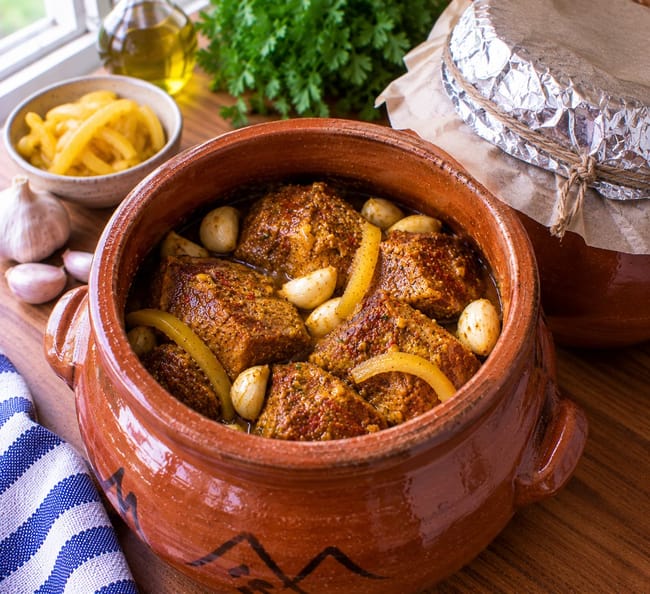
The result is still unmistakably Marrakchi: deeply browned beef fibres, a thick cumin-saffron sauce, soft whole garlic cloves and small golden flashes of preserved lemon. It is powerful, aromatic and wonderfully comforting, but plated in a way that makes room for balance.
Whether prepared for a family gathering, an Eid table, a special weekend dinner or a culinary journey through Morocco at home, this recipe proves that thoughtful changes can support everyday eating without erasing the soul of a treasured dish.
Recipe Information
| Prep Time | 25 minutes |
| Cook Time | 4 hours |
| Total Time | 5 hours 10 minutes |
| Servings | 6 |
| Difficulty | Intermediate |
| Calories | ~445 kcal / serving* |
Quick Highlights
Ingredients
Makes 6 generous servings of Healthy Marrakech Beef Tangia.













Step-by-Step Instructions
Prepare the Beef and Oven
Heat the oven to 150 C (300 F). Trim only the thick exterior fat from the beef and cut it into 8 to 10 cm pieces. Pat the pieces dry. Use a Dutch oven with a tight lid or a food-safe tangia vessel; do not use decorative pottery that is not certified for cooking.

Make the Tangia Seasoning
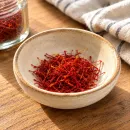
Steep the saffron in 2 tablespoons of the warm stock for 5 minutes. Mix it with the cumin, ginger, turmeric, paprika, black pepper, smen and olive oil to make a loose paste.

Coat and Rest the Beef
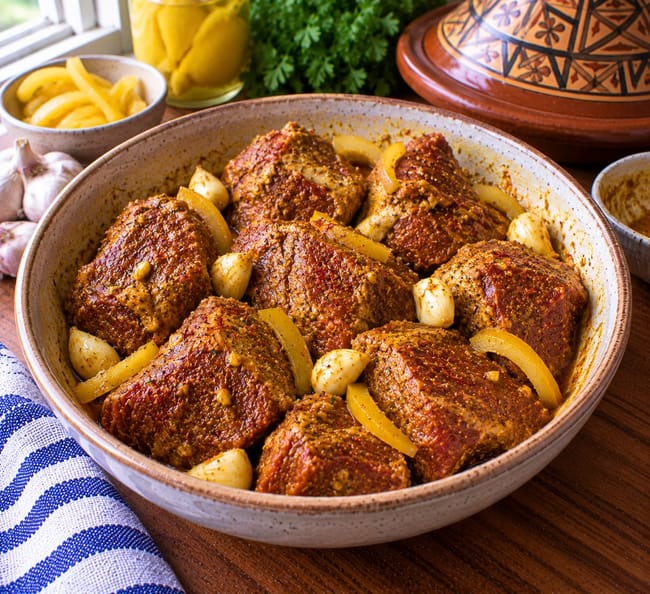
Put the beef in a bowl. Add the seasoning paste, whole garlic cloves and half the preserved-lemon strips. Turn until coated. Cover and refrigerate for 30 minutes, then let it stand for 10 minutes while you prepare the vessel.
Load the Cooking Vessel
Transfer the beef, garlic, lemon and every drop of seasoning to the vessel. Pour in the remaining warm stock; it should come only partway up the meat. Cover tightly. For a Dutch oven, place parchment under the lid to limit evaporation.
Braise Until Tender
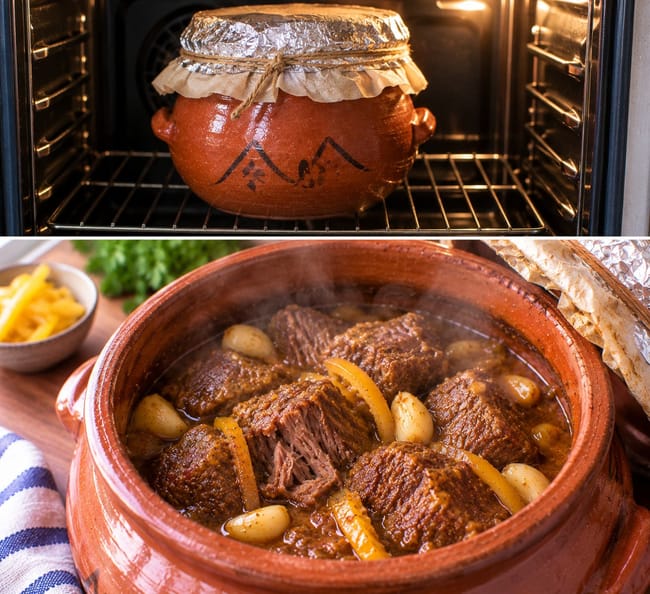
Braise for about 4 hours without opening the vessel for the first 3 hours. At 3 hours 30 minutes, check one piece. Continue until a spoon or fork separates the beef easily; this can take another 30 to 45 minutes depending on the cut and vessel.
Roast the Vegetables
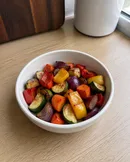
When the beef is tender, keep the covered vessel warm. Raise the oven to 220 C (425 F). Toss the 600 g carrots, cauliflower and red pepper with 1 teaspoon olive oil, pepper and a pinch of cumin. Roast for 25 to 30 minutes, turning once.

Finish the Sauce
Rest the covered beef for 15 minutes. Transfer the meat to a warm serving dish. Skim only visible fat from the cooking liquid. Add the remaining preserved lemon. If the sauce is thin, simmer it in a saucepan for 5 to 8 minutes until lightly thickened; taste before adding any salt.

Serve the Tangia
For six portions, serve about one sixth of the beef with the roasted vegetables and, if using it, 60 g cooked barley or whole-wheat couscous per plate. Spoon the sauce over the beef and finish with parsley.
Chef's Tips
Common Mistakes
Why This Recipe Was Designed This Way
The beef should be deep brown with golden edges from the spice paste, but not dry or crusted. When touched with a spoon, the fibres should separate cleanly and reveal a moist interior. The sauce should cling in a glossy layer, with no thick floury texture and no large pool of oil.
The first aroma is cumin and slow-cooked beef, followed by mellow garlic, saffron and the fermented citrus fragrance of preserved lemon. Smen should be recognisable only as a subtle savoury depth, never as a heavy butter flavour.
On the palate, the dish begins rich and meaty, moves through warm spice and finishes with salty-citrus brightness. The roasted vegetables provide sweetness and gentle bitterness, while barley or couscous absorbs the most concentrated drops of sauce.
An authentic-looking plate should remain slightly irregular. Do not shred all the beef into a uniform pile. Keep one piece largely intact, allow several fibres to fall naturally, and show the garlic and lemon that created the flavour.
## 👨🍳 Chef’s Tips
### 🥩 Choose a true braising cut
Chuck or shin becomes tender because it contains connective tissue. Very lean steak may remain firm or dry despite the long cook.
### 🔪 Trim strategically
Remove hard exterior fat and silverskin, but leave fine marbling. The goal is balance, not a completely fat-free piece.
### 🏺 Use food-safe clay
Traditional appearance does not guarantee cooking safety. Use a vessel sold and certified for food preparation, and follow its heat instructions.
### 🌡️ Avoid thermal shock
Never move a cold clay urn directly into a very hot oven or place a hot vessel on a wet surface. Gradual temperature changes reduce the risk of cracking.
### 🌼 Bloom the saffron
Warm liquid extracts more colour and aroma than dropping dry threads into the bottom of the jar.
### 🧈 Treat smen as seasoning
Its aroma is powerful. One teaspoon can preserve the cultural signature without making it the principal source of fat.
### 🍋 Rinse the preserved lemon
Rinsing reduces surface salt while retaining the aromatic rind. Add some at the beginning and some at the end for both depth and freshness.
### ⏱️ Trust tenderness, not only the clock
Four hours is a guide. The beef is ready when a spoon separates it easily; the exact time depends on the cut and vessel.
### 🥄 Skim with care
Warm gelatin can look rich and viscous. Remove obvious clear fat from the surface, but do not discard the entire sauce.
### 🧂 Salt last
Reduction concentrates preserved lemon, stock and smen. Season only after the final sauce has reached its proper consistency.
### 🥕 Keep vegetables outside the urn
Serving them beside the tangia improves the plate’s balance while preserving the traditional meat-focused preparation.
### 📸 Photograph intact texture
Show one substantial beef piece opening naturally under the spoon. A fully shredded heap could resemble pulled beef rather than tangia.
This is not a therapeutic recipe and cannot lower cholesterol or guarantee weight change. It is a carefully portioned adaptation of a celebratory beef dish, designed to retain cultural identity while moderating visible fat, saturated-fat-rich smen and sodium.
🥩 Well-Trimmed Beef
Beef provides complete protein, heme iron, zinc, selenium and vitamin B12. These nutrients support normal physiological functions, but red meat also contributes saturated fat in amounts that vary by cut. Selecting a braising cut, trimming hard exterior fat and serving a considered portion create a different nutritional profile from using very fatty meat without limits. The recipe also expands the plate with vegetables rather than increasing beef indefinitely.
🧈 Measured Smen
Smen supplies the flavour expected in Marrakchi tangia. Because it is a preserved butter, it contains saturated fat and sodium. Using one teaspoon across six servings treats it as a concentrated cultural seasoning. Removing it entirely would change the traditional aroma, while using several spoonfuls would substantially increase richness. The measured compromise preserves character.
🫒 Olive Oil
Olive oil is composed mainly of unsaturated fat and helps distribute the spice paste. The recipe uses only one tablespoon because gelatin and beef juices produce most of the sauce’s body.
🧄 Garlic, Cumin & Spices
Garlic, cumin, saffron, ginger, turmeric and paprika create a highly aromatic dish with no added sugar. Spices contain naturally occurring plant compounds, but culinary quantities should not be described as medicines. Their clearest benefit here is flavour: a powerful spice profile makes measured fat and salt feel satisfying.
🍋 Preserved Lemon
Preserved lemon gives intense citrus complexity from a modest quantity. It remains a salted ingredient, making rinsing and end-of-cooking tasting essential. Anyone following a strict sodium restriction should use a clinically appropriate version or seek personalised advice.
🥕 Roasted Vegetables
Carrots, cauliflower and peppers provide fibre, water, potassium, vitamin C and visual volume. Roasting develops sweetness and makes them feel celebratory rather than like a compulsory side. Because they remain outside the urn, they improve the complete plate without rewriting the traditional tangia method.
🌾 Barley or Whole-Wheat Couscous
A modest grain portion provides carbohydrate and fibre and absorbs the concentrated sauce. The quantity can be adjusted for appetite, activity and individual nutrition needs.
❤️ A Note on Heart-Health Language
No beef dish should be presented as treating high cholesterol. Dietary patterns matter more than a single recipe. Choosing leaner unprocessed meat, moderating portions, limiting saturated fat and including vegetables and whole grains are responsible ways to frame this adaptation.
Ingredient Swaps
| Instead of... | Try... |
|---|
What Research Says
Slow-cooking a leaner beef cut like chuck or shin, rather than a fattier traditional cut, reduces the saturated fat content while the extended cooking time still delivers the tender texture and deep flavor tangia is known for.
Estimated Nutrition
Per Serving
Sodium deserves particular attention because preserved foods vary widely. A homemade lemon cured for several months may contain a different concentration from a commercial product, and smen recipes are not identical. Reduction also changes the amount of sodium in each spoonful of sauce even when no salt is added. For this reason, tasting after reduction is both a culinary technique and a practical safeguard. Nutrition is only one element of the meal; cultural authenticity, enjoyment, satisfaction and the experience of sharing food also have genuine value.
Storage & Reheating
Refrigerating
Cool leftovers within two hours and transfer them to shallow airtight containers. Refrigerate the beef and sauce for up to 3 days. Store vegetables and grain separately for the best texture.
Reheat slowly in a covered saucepan over medium-low heat with a spoonful of water. Stir the sauce around the meat rather than breaking the pieces apart. Heat until thoroughly hot.
Freezing
Tangia freezes well because gelatin protects the braised texture. Freeze beef and sauce in individual containers for up to 2 months. Freeze the vegetables separately or roast them fresh.
Thaw overnight in the refrigerator. Reheat gently and taste before adding seasoning, as preserved lemon may seem stronger after freezing.
Reheating
Meal Prep Tips
Trim and spice the beef one day ahead, but add preserved lemon just before cooking to avoid an overly salty marinade. Measure the spices and prepare the roasting vegetables in advance.
The finished beef often tastes even more integrated the next day. For portable lunches, divide meat, vegetables and grain into balanced individual containers and keep parsley separate.
Serving Suggestions
Serve shredded directly from the cooking vessel with warm whole-grain bread for scooping, and a simple side of roasted vegetables to round out the plate.
Frequently Asked Questions
Can I use lamb?
Yes. Mutton or lamb is traditional, but the fat content and cooking time differ. Choose a well-trimmed shoulder or shank and recalculate nutrition.
Can I make tangia without the clay urn?
Absolutely. A heavy Dutch oven with parchment beneath a tight lid creates a reliable home alternative.
Is smen essential?
It is important to the classic aroma, but the measured teaspoon can be omitted if unavailable. The result will remain delicious but less traditionally distinctive.
Can I add vegetables inside?
You can, but the result moves toward a vegetable beef tagine. Serving vegetables beside the meat better preserves classic tangia.
Why is my beef still tough?
Connective tissue has not fully softened. Continue covered cooking in 20–30 minute increments and ensure enough liquid remains.
Can I prepare it a day ahead?
Yes. Cool safely, refrigerate and remove any solidified surface fat before reheating. The flavour often improves overnight.
Is this recipe low in sodium?
It moderates sodium through rinsed lemon, lower-sodium stock and no early salt, but it is not guaranteed to meet a clinical low-sodium definition.
Is the recipe halal?
Yes, when beef, stock and smen are sourced from halal-compliant products.
What should I serve with tangia?
Roasted vegetables, Moroccan salad, barley, whole-wheat couscous or a modest piece of whole-grain bread all work well.
Can this dish reduce cholesterol or cause weight loss?
No individual dish can guarantee either outcome. This version uses trimmed beef, measured fats, vegetables and portion guidance as part of a broader eating pattern.
Related Recipes
If you enjoyed this Marrakech-style tangia, here are a few more recipes worth trying.
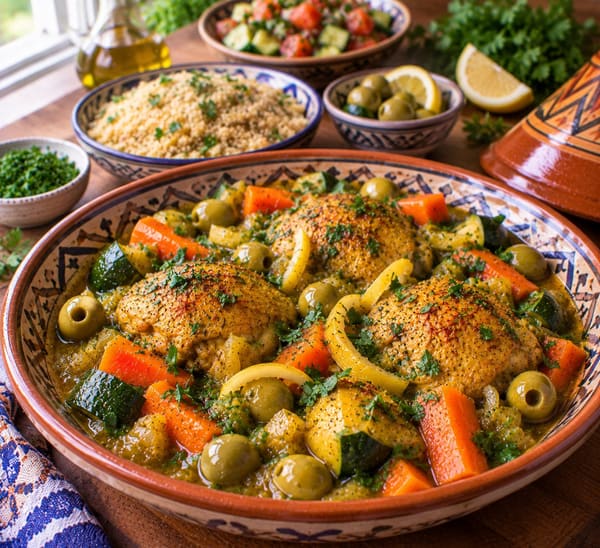
🍋 Healthy Chicken Tagine with Preserved Lemon & Olives
Another Moroccan classic, reimagined — tender chicken in a golden saffron sauce with preserved lemon and olives.
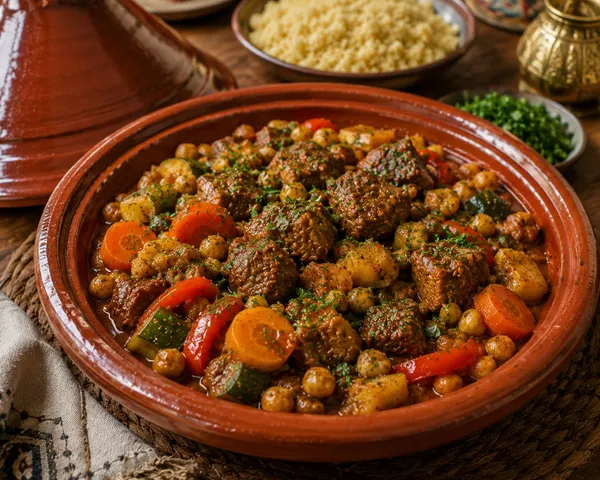
🐑 Moroccan Lamb & Chickpea Tagine
Tender lamb, chickpeas and warm spices in a rich, satisfying Moroccan tagine.
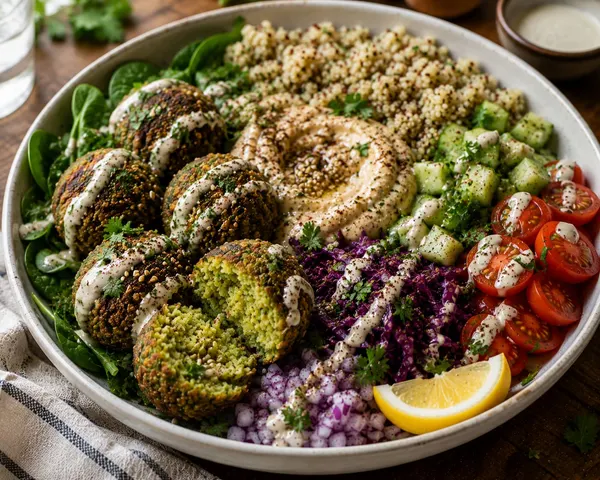
🧆 Baked Falafel Mezze Bowl
A Mediterranean mezze bowl with oven-baked falafel, quinoa, and a light Greek yogurt tahini dressing.